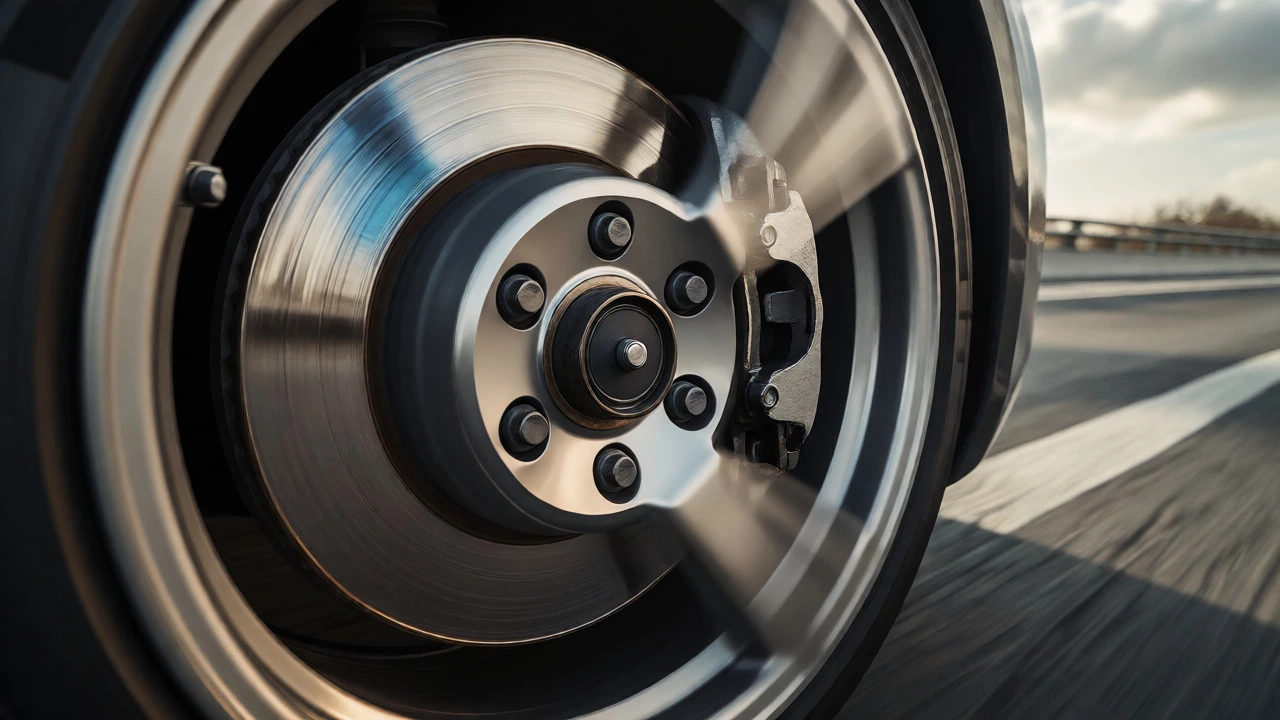
Brake Rotor Lifespan Estimator
Input your current situation to estimate when you might need new rotors.
Select factors that apply to your driving conditions:
You’re cruising down the M60, and suddenly your steering wheel shudders when you tap the brakes. Is it time to replace those shiny metal discs behind your wheels? It’s a question every driver faces eventually. Unlike brake pads, which wear out visibly and relatively quickly, brake rotors (also known as brake discs) are designed to last much longer. But they don’t last forever.
The short answer? Most brake rotors last between 30,000 and 70,000 miles. But that range is huge, isn’t it? Why does one friend need new rotors at 40k while their neighbour hits 80k without issue? The truth is, rotor life depends heavily on your driving style, the quality of the parts, and how well you maintain your braking system. Here’s exactly what determines their lifespan and how to spot when yours are giving up.
The Typical Lifespan of Brake Rotors
Manufacturers rarely give an exact mileage for rotors because so many variables affect them. However, industry standards provide a solid baseline. Front rotors typically wear faster than rear ones because they handle about 70% of the braking force. This means front rotors often need replacing every 30,000 to 50,000 miles, while rear rotors can stretch to 55,000 or even 70,000 miles.
If you drive a heavy vehicle like an SUV or a pickup truck, expect shorter lifespans. The extra weight puts more stress on the friction surfaces. Conversely, if you drive a lightweight hatchback mostly on smooth motorways, your rotors might last significantly longer. In my experience working on cars in Manchester, city driving with frequent stop-start traffic kills rotors faster than long-distance runs. Constant braking generates heat, and heat is the enemy of rotor longevity.
What Actually Kills Your Rotors?
It’s not just mileage; it’s how you use them. Several factors accelerate wear beyond normal expectations:
- Aggressive Driving: Slamming on the brakes from high speeds generates immense heat. If the rotor overheats, it can warp or crack. Think of it like dropping a hot pan into cold water-thermal shock damages the metal structure.
- Low-Quality Brake Pads: Cheap pads often contain harder materials or embedded metal shards. These act like sandpaper against the rotor surface, scoring it deeply and reducing its usable life.
- Corrosion and Rust: If you live near the coast or leave your car parked for weeks, rust forms on the rotor surface. While light surface rust cleans off during normal braking, heavy pitting creates uneven surfaces that cause vibration and noise.
- Stuck Calipers: If a brake caliper piston sticks, it keeps pressure on the pad even when you aren’t braking. This constant friction overheats the rotor and causes premature wear on one side.
Notice how none of these are strictly about distance driven? A cautious driver who uses engine braking and anticipates stops will see far better rotor life than someone who brakes late and hard, regardless of whether they drove 10,000 or 20,000 miles that year.
Signs You Need New Rotors
Rotor failure doesn’t happen overnight. It gives you warning signs. Ignoring them leads to expensive repairs later. Here’s what to look and feel for:
| Symptom | What It Means | Action Required |
|---|---|---|
| Vibration in Steering Wheel | Rotors are likely warped due to heat or uneven tightening. | Inspect immediately; resurfacing may work if thickness allows. |
| Pulsating Brake Pedal | Indicates severe warping or uneven deposit transfer from pads. | Replace rotors; pulsation rarely fixes itself. |
| Deep Scoring/Grooves | Metal-on-metal contact or debris embedded in pads. | Replace rotors; deep grooves compromise structural integrity. |
| Blue Discoloration | Overheating has changed the metal temper. | Check for stuck calipers; monitor closely for cracking. |
| Loud Squealing or Grinding | Pad material is gone; metal backing plate is hitting the rotor. | Emergency replacement needed to save hub bearings. |
Vibration is the most common complaint. When rotors warp, they no longer spin perfectly flat. Every time you apply the brakes, the pads clamp onto an uneven surface, causing that shake. Don’t confuse this with tire balance issues; if the vibration only happens when braking, it’s almost certainly the rotors.
Can You Resurface Rotors Instead of Replacing Them?
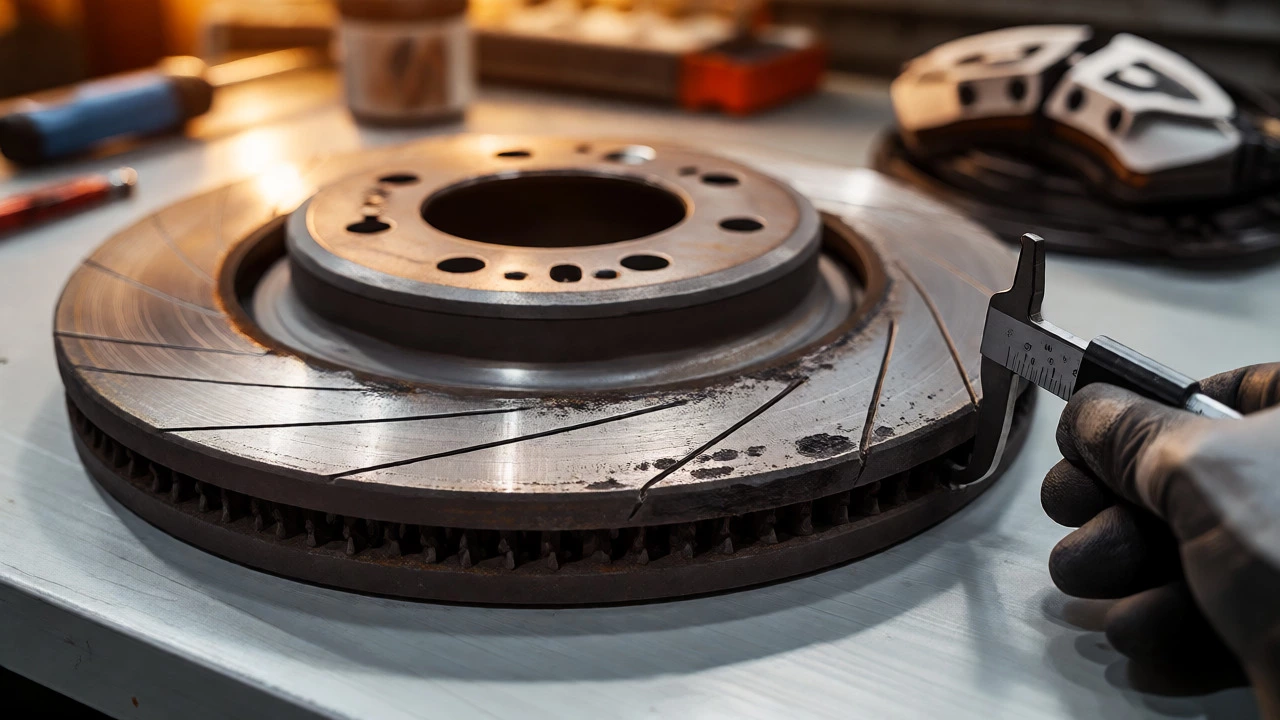
In the past, mechanics would routinely "turn" or resurface rotors. They’d shave off a thin layer of metal to create a fresh, smooth surface. Today, this practice is controversial. Modern vehicles use thinner rotors to save weight and cost. There’s simply less meat left on the bone.
Every rotor has a minimum thickness specification stamped on it. If resurfacing brings the rotor below this limit, it’s unsafe to use. Furthermore, resurfacing removes material, making the rotor thinner and more prone to warping again under heat. For most modern cars, especially economy models, replacement is cheaper and safer than machining. High-end performance vehicles with thick, expensive rotors might still benefit from resurfacing, but check the manufacturer’s guidelines first.
Front vs. Rear Rotor Wear
As mentioned, front rotors take the brunt of the stopping power. Physics dictates that weight transfers forward during deceleration. This means your front brakes do the heavy lifting. Consequently, you’ll usually replace front rotors twice for every one rear rotor change.
Some drivers ask, "Can I just replace the pads and keep the old rotors?" If the rotors are within spec and show minimal wear, yes. But if there’s any sign of scoring, warping, or blueing, replace them. Putting new pads on damaged rotors is a waste of money. The new pads won’t seat correctly, leading to noise, reduced braking efficiency, and rapid pad wear. Always inspect rotors whenever you change pads.
Extending the Life of Your Rotors
You can’t make rotors immortal, but you can squeeze more miles out of them. Here are practical tips based on real-world driving habits:
- Use Engine Braking: On downhill slopes, shift to a lower gear instead of riding the brakes. This reduces heat buildup in the rotors.
- Avoid Heavy Braking After Cold Starts: Metal contracts in cold weather. Slamming brakes when the rotors are freezing cold increases the risk of thermal shock and cracking.
- Keep Calipers Clean: Lubricate slide pins regularly. Sticking calipers cause uneven wear and excessive heat. A small amount of grease goes a long way.
- Choose Quality Parts: Invest in reputable brands. Cheap rotors often have inconsistent metallurgy, meaning they warp easier and rust faster.
Regular inspections are key. During every oil change, ask the technician to measure rotor thickness and check for runout. Catching a slight warp early prevents catastrophic failure later.
Frequently Asked Questions
How long do brake rotors last in kilometers?
Since 1 mile equals approximately 1.6 kilometers, the typical lifespan of 30,000 to 70,000 miles translates to roughly 48,000 to 112,000 kilometers. Front rotors generally reach the end of their life around 50,000 km, while rear rotors may last up to 100,000 km depending on driving conditions.
Do I need to replace rotors every time I change brake pads?
Not always, but often recommended. If the rotors are within the minimum thickness specification, free of deep grooves, and not warped, you can reuse them. However, replacing them ensures optimal braking performance and prevents issues like noise or vibration. Many mechanics recommend replacing both together to avoid mismatched wear patterns.
What happens if I drive with bad rotors?
Driving with severely worn or warped rotors compromises safety. You may experience increased stopping distances, loss of control during emergency braking, and damage to other components like wheel bearings and suspension parts. Eventually, the rotor could crack completely, leading to brake failure.
Why are my new rotors turning blue?
Blue discoloration indicates overheating. This can happen if you engage in aggressive driving, tow heavy loads, or if a brake caliper is sticking and applying constant pressure. While occasional bluing isn’t fatal, persistent overheating weakens the metal and shortens rotor life.
Are drilled or slotted rotors better for longevity?
Drilled and slotted rotors help dissipate heat and gas, improving performance in high-stress situations. However, the holes and slots can create stress points that lead to cracking over time. For daily driving, standard smooth rotors often last longer and are quieter. Performance enthusiasts might prefer drilled/slotted despite the potential trade-off in lifespan.