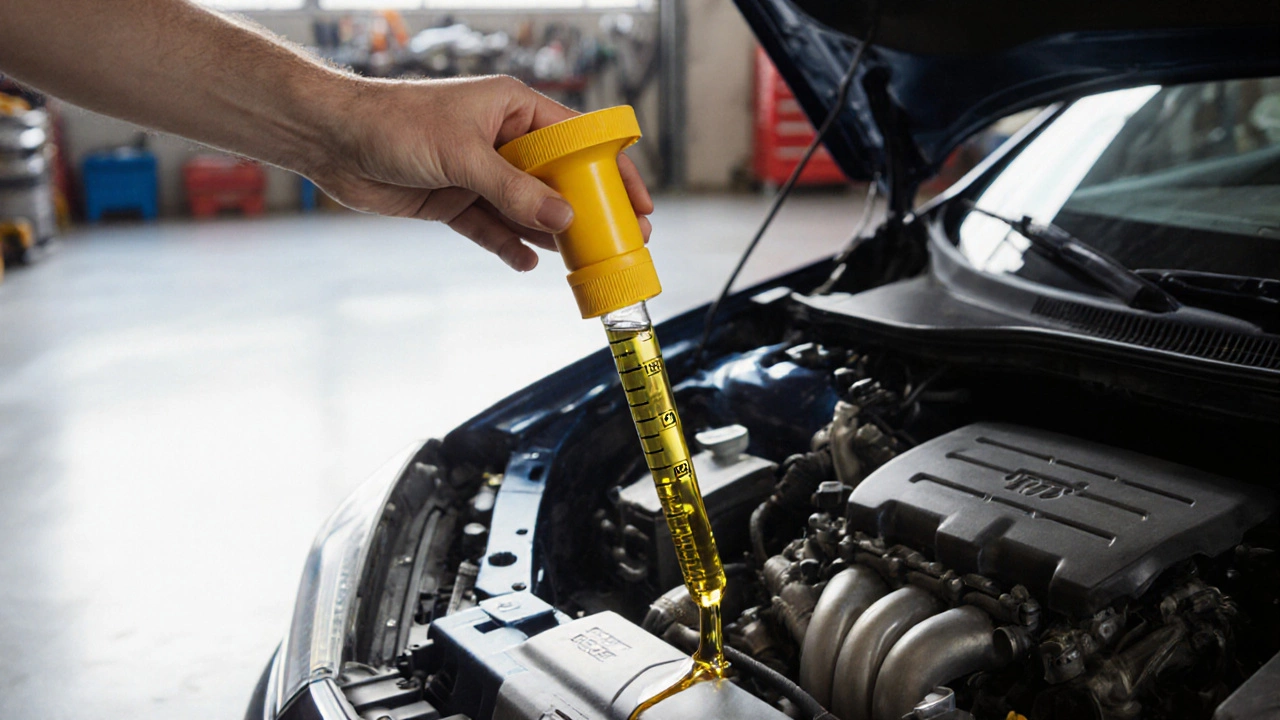
Engine Oil: What It Does, How to Choose, and What Happens When You Get It Wrong
When you think about your car’s health, engine oil, a lubricant that reduces friction, cools engine parts, and cleans internal components. Also known as motor oil, it’s the lifeblood of your engine—without it, metal meets metal, and things break fast. It’s not just about topping up when the light comes on. The right engine oil keeps your engine running cooler, cleaner, and longer. The wrong kind? It can cause wear, overheating, or even total failure in just a few hundred miles.
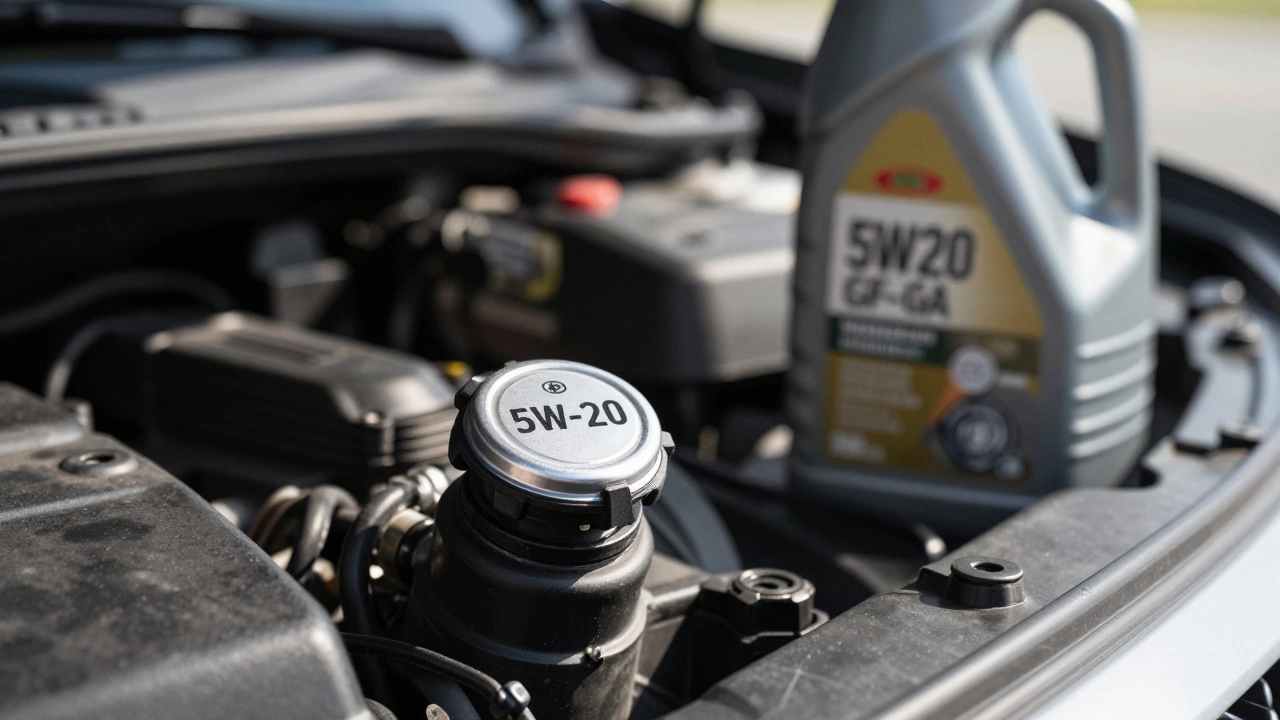
Not all oils are the same. oil viscosity, how thick or thin the oil flows at different temperatures matters more than you think. Your owner’s manual doesn’t just suggest a grade like 5W-30—it’s the exact balance your engine was built for. Using 10W-40 when it needs 0W-20 might seem close, but it changes how quickly oil reaches critical parts on cold starts. And if you mix synthetic with conventional without knowing what you’re doing, you risk sludge buildup or seal damage. engine damage, often silent at first but costly to fix doesn’t always come with warning lights. It shows up as louder ticking, reduced fuel economy, or a sudden loss of power.
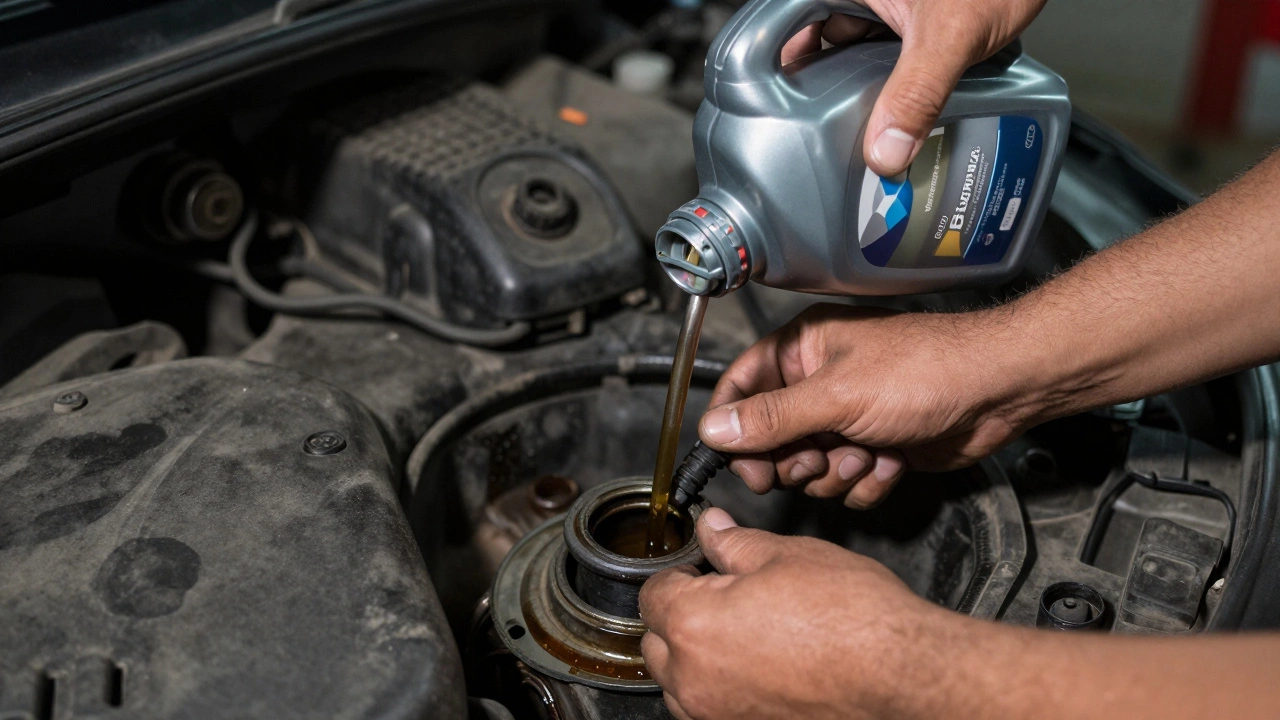
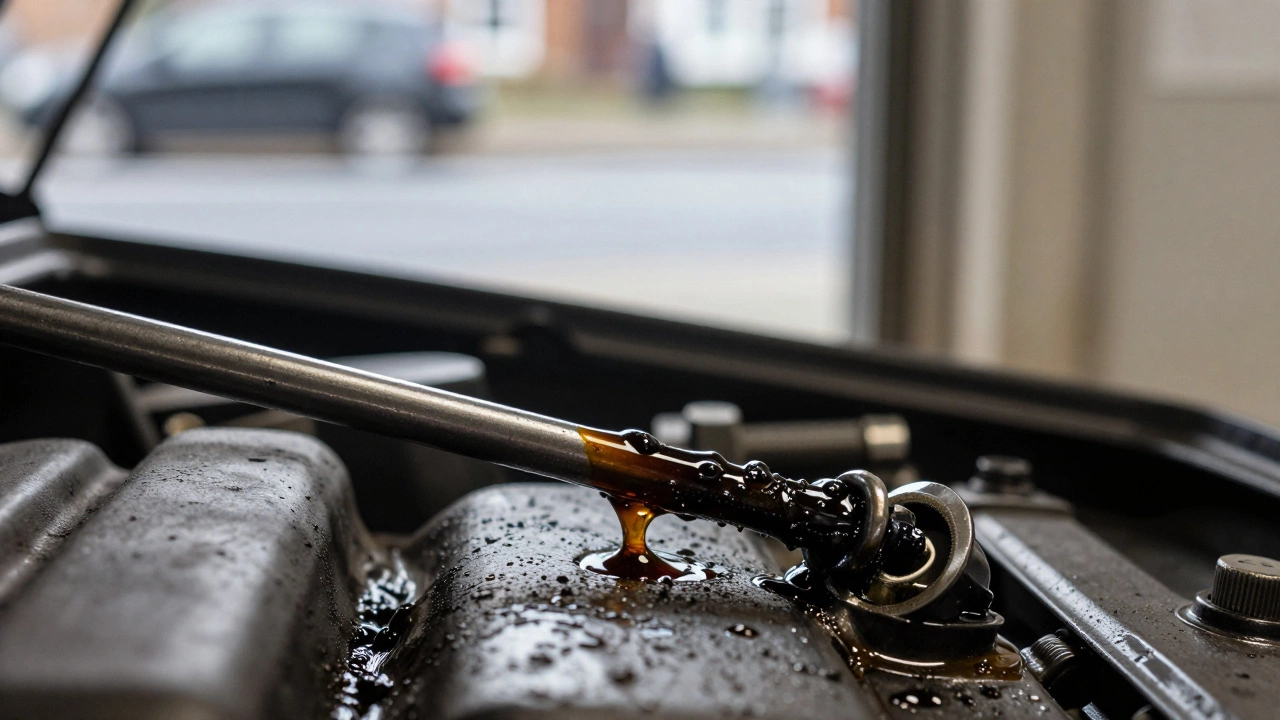
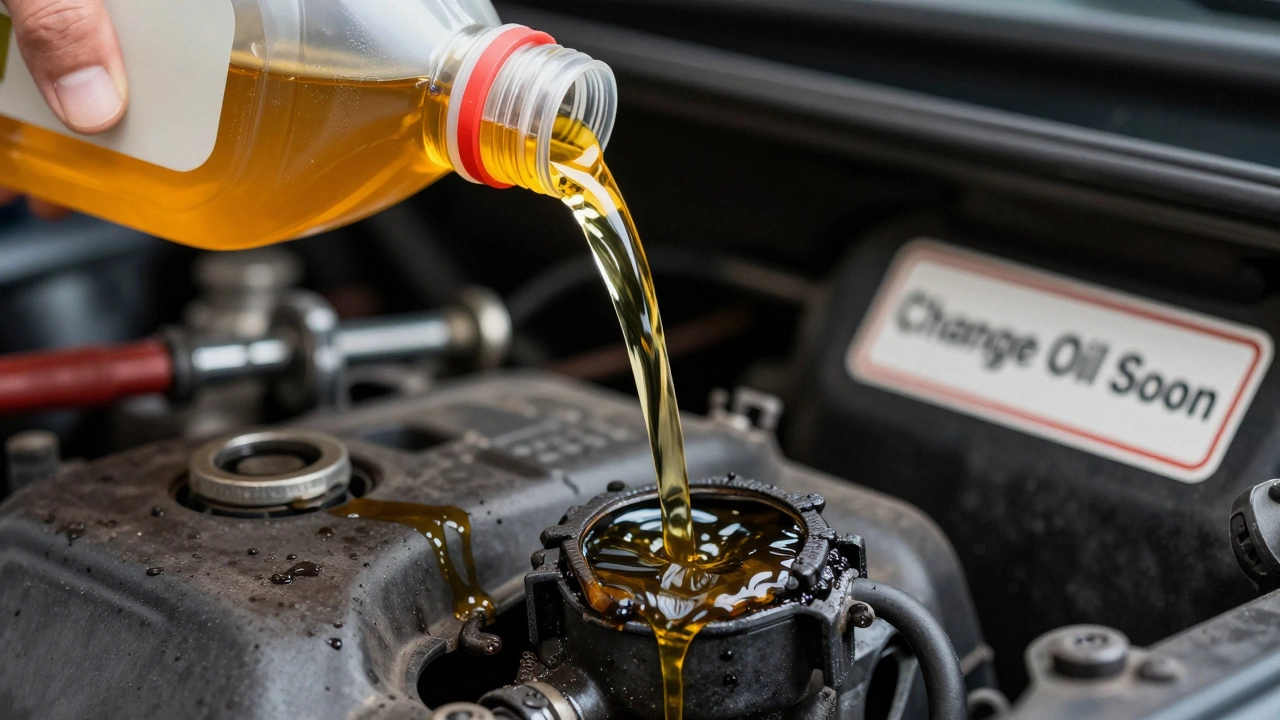
People think changing oil is just a chore. But it’s the most basic, most powerful thing you can do to protect your engine. And if you’ve ever put the wrong oil in your car, you know how quickly things go sideways—engine knocking, smoke from the tailpipe, or worse, a no-start situation. The posts below cover exactly what you need to know: how to spot if you’ve made a mistake, what the numbers on the bottle really mean, how often to change it, and what happens when you skip it. You’ll also find real stories from drivers who ignored the signs, and how they fixed it before it cost them thousands. Whether you’re a weekend mechanic or just trying to avoid a tow truck, this collection gives you the clear, no-fluff facts you need to keep your engine alive.