Wiper Blade Value Calculator
Stop guessing in the auto parts aisle. Enter your details to see if upgrading to premium wipers saves you money and stress.
Enter your profile and click "Analyze" to see results.
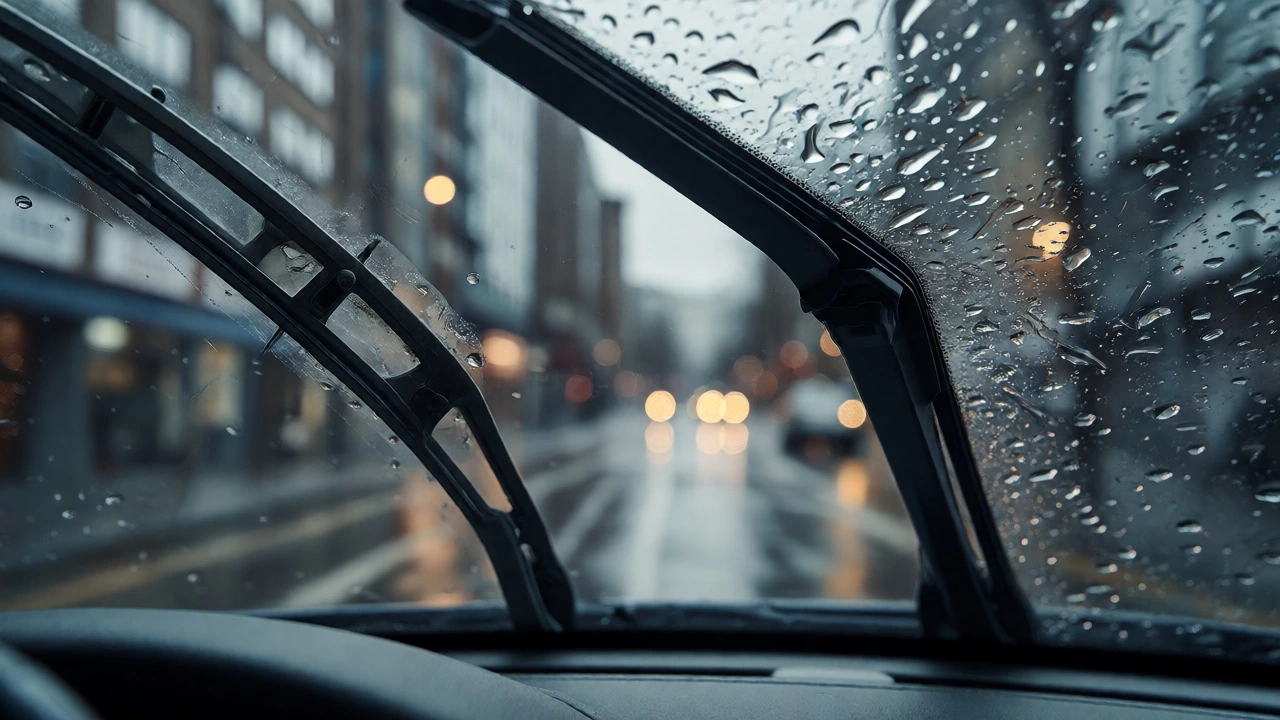
You’re standing in the auto parts aisle, staring at two boxes of wiper blades. One costs £8 for a pair of standard rubber strips. The other is £25 for "premium" ones with aerodynamic spoilers and special coatings. You think, "It’s just rubber on a stick, right? Why pay three times more?" I’ve been there, driving through Manchester’s relentless drizzle, wondering if my wallet was being robbed or if I was actually getting something useful.
Here’s the blunt truth: for most people, premium wipers are worth it, but not all premium wipers are created equal. If you live somewhere with mild winters and occasional rain, you might get away with cheap ones. But if you deal with heavy snow, ice, or constant rain like we do in the UK, the difference isn’t just about clarity-it’s about safety and frustration levels. Let’s break down exactly when you should upgrade and when you’re just burning cash.
The Real Difference Between Cheap and Premium Blades
When manufacturers talk about "premium," they aren’t just slapping a new label on the same product. There are tangible engineering differences that affect how well you see the road. Standard wipers usually use a basic steel frame and natural rubber. They work fine for the first month, then start to chatter, streak, and degrade under UV exposure.
Premium wipers, such as those from Bosch or Valeo, often feature:
- Synthetic Rubber Blends: Materials like silicone or treated rubber resist hardening in cold weather and softening in heat. This means they maintain flexibility year-round.
- Aerodynamic Design: Beam-style blades have no exposed metal arms. Instead, they use a single strip of spring steel encased in plastic. This reduces wind lift at highway speeds, keeping the blade pressed against the glass.
- Coatings: Some high-end models come pre-treated with water-repellent compounds (similar to Rain-X) that help bead water off the glass.
The result? A smoother wipe, less noise, and significantly longer life. While a cheap blade might last six months, a good premium set can handle a full year of abuse, including freezing nights and scorching summer sun.
When Premium Wipers Are a Waste of Money
I don’t want you to overspend unnecessarily. There are scenarios where buying the expensive box makes zero sense. If you drive a classic car with a specific vintage mounting system, modern beam blades might not fit without adapters, which adds cost and hassle. Stick to the traditional framed style that matches your car’s era.
Also, consider your climate. If you live in a dry region like Arizona or Southern Spain, where rain is rare and UV damage is the primary enemy, the advanced features of premium blades offer diminishing returns. A mid-range blade will likely outlast the cheap ones anyway, but the gap narrows significantly compared to wet climates.
Finally, if you replace your wipers every three months regardless of condition, the upfront cost of premium blades doesn’t matter much because you’re throwing them away before their longevity pays off. But let’s be honest-who actually remembers to change wipers quarterly?
Why Climate Dictates Your Choice
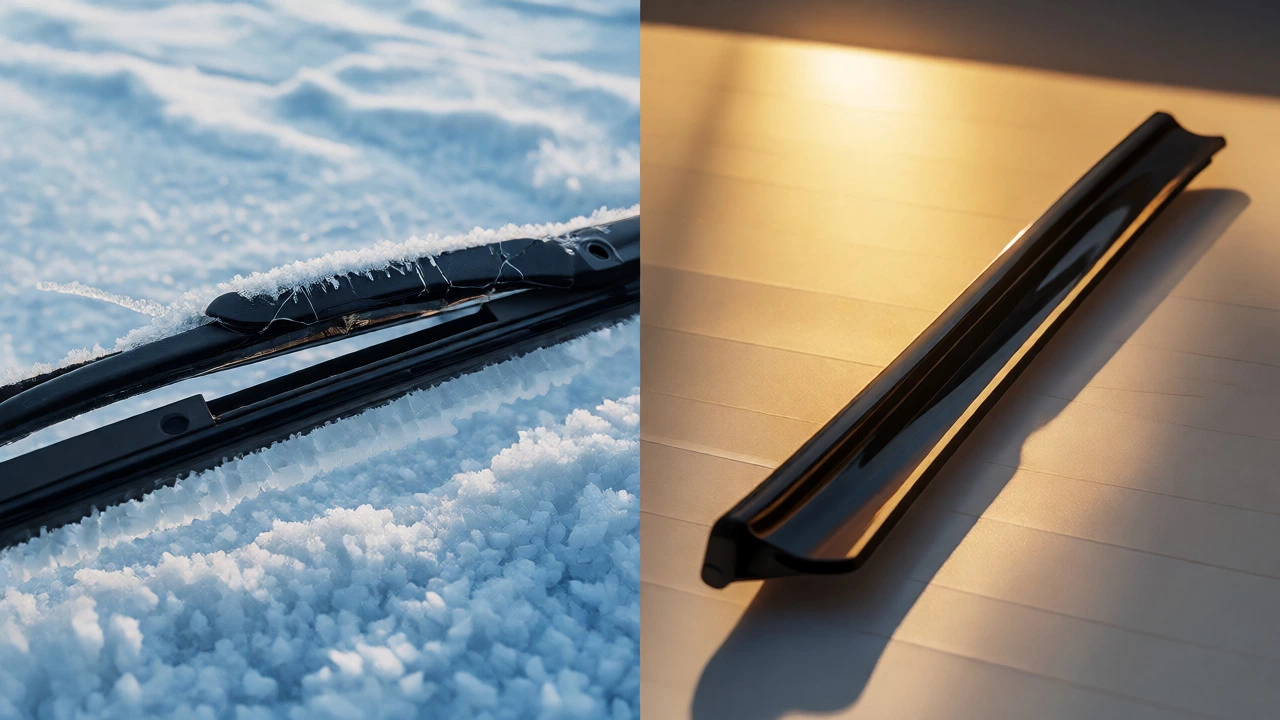
This is the biggest factor most people ignore. In the UK, our weather is hostile to rubber. We have frequent freeze-thaw cycles. Water seeps into the tiny gaps in standard wiper frames, freezes, expands, and cracks the rubber. By the time March rolls around, your cheap wipers are shredding themselves across the windscreen.
Premium beam blades are sealed units. No moving parts mean no places for ice to form inside the mechanism. When I switched to Bosch Aerotwin blades a few years ago, the difference during January frosts was night and day. My old framed wipers would skip and jump; the beam blades stayed flush against the glass. That consistency matters when you’re trying to spot a pedestrian in low light.
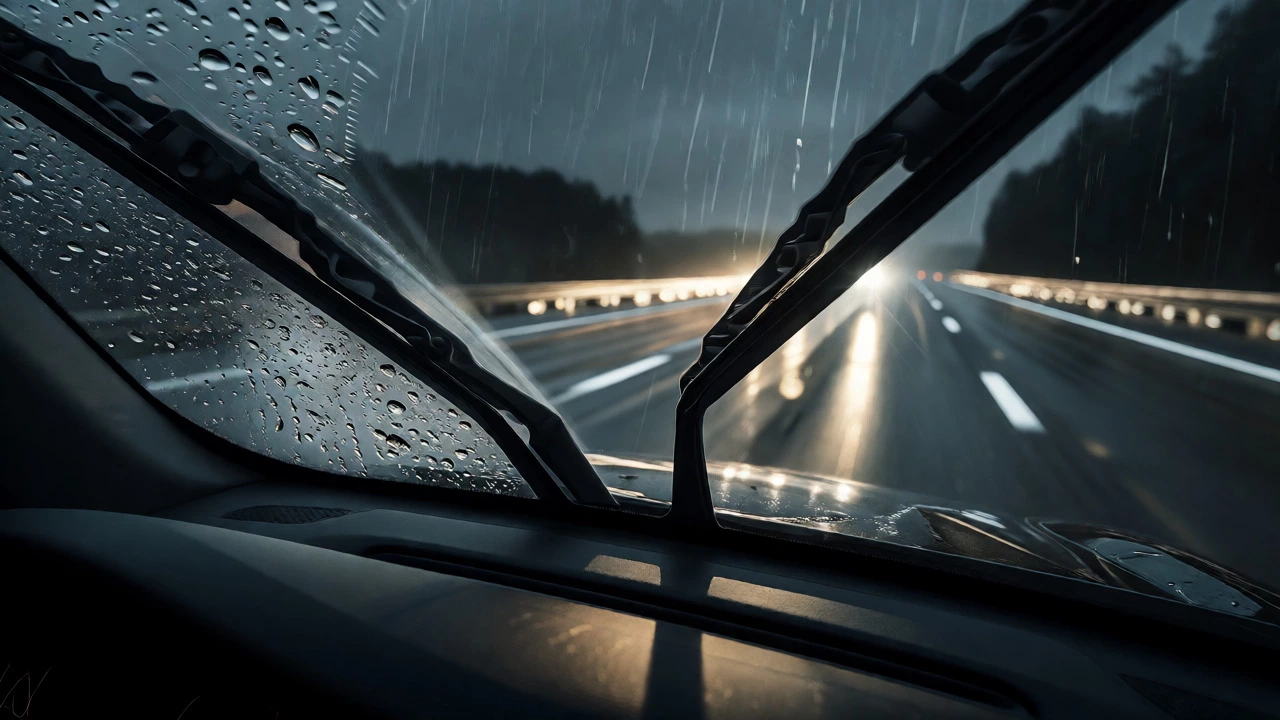
In contrast, if you live in a tropical zone with heavy rain but no freezing temperatures, the main concern is hydroplaning and speed. Here, the aerodynamic profile of premium blades helps prevent them from lifting off the glass at 70 mph. So, whether you’re dealing with ice or high-speed rain, premium designs address specific physical problems that cheap blades ignore.
Installation and Compatibility Pitfalls
One reason people hesitate to buy premium is fear of installation complexity. Modern cars use various connector types: hook, side-pin, top-lock, and pinch-tab. Cheap universal blades often come with multiple adapters, which can feel flimsy. Premium brands usually sell vehicle-specific kits. You look up your car’s make, model, and year on their website, and they send you the exact match.
Don’t guess. Using the wrong adapter leads to loose blades that fall off mid-drive. It sounds dramatic, but I’ve seen it happen on the M60 motorway. It’s terrifying. Always check the compatibility chart before purchasing. Most reputable sites allow you to filter by vehicle, removing the guesswork entirely.
Another tip: clean your windscreen thoroughly before installing new blades. Old wax, tree sap, or oily residue causes even the best premium wipers to chatter. Use a dedicated glass cleaner or rubbing alcohol to prep the surface. If you skip this step, you’ll blame the wipers when the real culprit is dirty glass.
Top Contenders: What Actually Works?
Not all premium wipers perform equally. After testing several sets over the last five years, here are the standouts based on performance and value.
| Brand & Model | Best For | Lifespan Estimate | Price Range (Pair) | Key Feature |
|---|---|---|---|---|
| Bosch Aerotwin | All-weather reliability | 12-18 months | £20-£30 | Dual-rubber technology for quiet operation |
| Valeo Silencio | Quiet performance | 12 months | £18-£28 | Integrated spoiler for stability |
| Rain-X Weatherbeater | Budget-friendly premium | 6-9 months | £10-£15 | Hydrophobic coating included |
| Michelin Stealth Ultra | Extreme conditions | 12+ months | £25-£35 | High-performance rubber compound |
The Bosch Aerotwin remains the gold standard for many drivers. Its dual-rubber design-one harder inner core for structure, one softer outer layer for contact-prevents the chattering sound that plagues cheaper options. It’s consistently rated highly by automotive experts for its balance of price and performance.
If you’re on a tighter budget, the Rain-X Weatherbeater offers a hybrid approach. It’s a conventional framed blade but uses a coated rubber that repels water. It won’t last as long as a beam blade, but it provides immediate clarity benefits for a lower upfront cost.
The Hidden Cost of Cheap Wipers
Think about the indirect costs of using poor-quality wipers. First, there’s visibility. Streaks and smears reduce contrast, making it harder to see lane markings or hazards in twilight conditions. This increases driver fatigue because your eyes are constantly straining to interpret blurry shapes.
Second, there’s potential damage to your windscreen. If a cheap wiper arm bends or the rubber tears, the metal frame can scratch the glass. Repairing a deep scratch on a windscreen can cost £50-£100, far exceeding the savings from buying cheap blades. Worse, if you ignore the issue, those scratches can spread, requiring a full windscreen replacement.
Third, resale value. A car with pitted, scratched windscreens looks neglected. Buyers notice these details. Investing in quality wipers preserves the integrity of your glass, maintaining the vehicle’s aesthetic appeal.
Maintenance Tips to Extend Life
Even premium wipers need care. Here’s how to make them last longer:
- Lift them in winter: Before a forecasted snowfall, pull the wiper arms away from the glass. This prevents the rubber from freezing to the windscreen. If you try to turn them on while frozen, you’ll tear the rubber.
- Clean regularly: Once a month, wipe the rubber edge with a damp cloth soaked in soapy water or alcohol. This removes grit and oil buildup that causes skipping.
- Avoid parking under trees: Sap and bird droppings are acidic and degrade rubber faster than sunlight does. If you must park under trees, wash the wipers more frequently.
- Check for wear signs: Look for cracking, splitting, or uneven edges. If the blade leaves a consistent smear despite cleaning, it’s done. Don’t wait for it to fail completely.
Final Verdict: Buy or Skip?
If you drive daily, especially in variable weather, buy premium wipers. The £15-£20 extra per year is negligible compared to the safety benefit and reduced annoyance. Choose a reputable brand like Bosch or Valeo that fits your specific car model.
If you rarely drive, live in a dry climate, or have a very old car with unique fittings, stick to mid-range options. Just avoid the absolute cheapest no-name brands sold in bulk packs. They’re false economy.
Ultimately, your windscreen is your primary window to the world while driving. Compromising on the tool that cleans it seems like a small risk until you’re blinded by glare on a rainy night. Spend the extra money, install them properly, and enjoy clearer views.
How often should I replace my windshield wipers?
Most experts recommend replacing wipers every 6 to 12 months. However, this depends heavily on usage and climate. If you park outside in harsh weather or drive daily, aim for 6 months. If you garage your car and drive infrequently, you might stretch it to 12 months. Always replace them immediately if you notice streaking, chattering, or visible cracks in the rubber.
Can I use premium wipers on any car?
No, not universally. Cars use different wiper arm connectors (hook, pin, bayonet, etc.) and blade lengths. You must buy wipers specifically designed for your vehicle's make, model, and year. Most premium brands offer online fitment guides to ensure you get the correct size and connector type.
Do expensive wipers really last longer?
Yes, generally. Premium wipers use higher-quality synthetic rubbers and better structural materials that resist degradation from UV rays, ozone, and temperature extremes. While a cheap blade might last 3-4 months, a premium set can often last 12-18 months, offering better long-term value despite the higher initial cost.
What causes wipers to chatter or skip?
Chattering is usually caused by hardened rubber, dirty windshields, or misaligned wiper arms. Clean your glass thoroughly with alcohol to remove oils. If the problem persists, the rubber may be too stiff due to age or cold weather. Adjusting the wiper arm angle slightly with pliers can sometimes fix alignment issues, but often it’s time for new blades.
Are silicone wipers better than rubber?
Silicone wipers resist extreme temperatures better and last longer than natural rubber. However, some drivers report that silicone can leave a slight haze on the glass initially and may require a break-in period. For most users, high-quality synthetic rubber blends found in premium beams offer the best balance of performance, clarity, and durability.