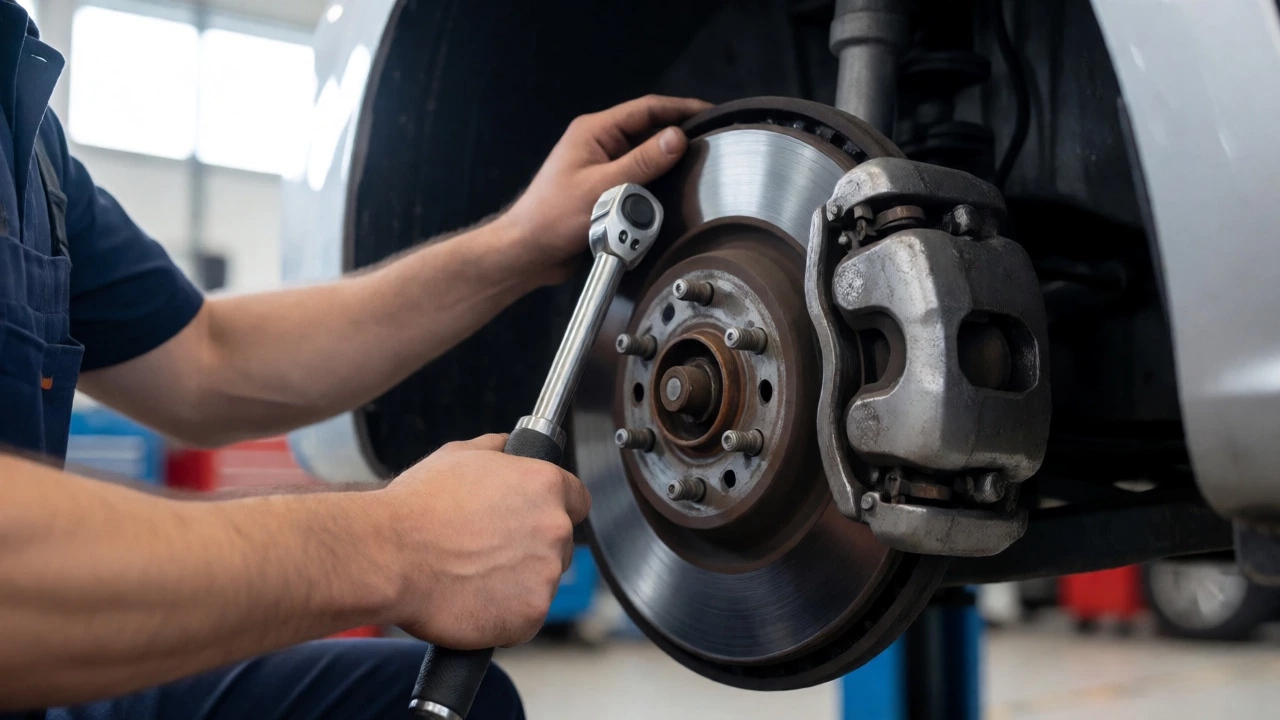
Brake Pad Job Time Estimator
Select your scenario to get a realistic timeframe estimate. Remember, actual times vary based on specific mechanical issues.
Estimated Duration
Estimates assume standard tools are available. Dealerships may quote higher due to diagnostic buffers.
You pull into the shop, hand over your keys, and ask the service writer, "How long will this take?" They give you a vague answer like "a few hours," leaving you wondering if they're padding the bill or just being cautious. The truth is, brake pad replacement is one of the most variable jobs in automotive maintenance. It can take anywhere from 45 minutes for a seasoned pro on a simple sedan to four hours for a complex luxury SUV with seized components.
Why does such a routine task have such a wide range? It comes down to three things: the condition of your hardware, the design of your vehicle, and who is doing the work. If you are planning a weekend project or waiting at a dealership, knowing what actually dictates the clock helps you manage expectations and spot when a mechanic might be struggling versus taking their time.
The Standard Timeline for Professional Work
For most standard passenger vehicles, a professional mechanic budgets about 1 to 1.5 hours per axle. That means replacing all four pads typically takes 2 to 3 hours. This estimate assumes everything goes smoothly. No rusted bolts snapping, no calipers stuck solid, and no unexpected leaks.
Dealerships often quote higher-sometimes up to 4 hours for a full set-because their labor guides (like those from Audatex or Mitchell) include buffer time for diagnostics and safety checks. Independent shops might move faster because they know common issues on specific models. For example, a tech who works on Honda Civics daily knows exactly which bolt size breaks off easily and has the right tool ready before starting.
| Vehicle Type | Front Only (Hours) | All Four Wheels (Hours) | Notes |
|---|---|---|---|
| Compact Sedan (e.g., Toyota Corolla) | 0.7 - 1.0 | 1.5 - 2.0 | Simple sliding calipers; easy access. |
| SUV / Crossover (e.g., Ford Explorer) | 1.0 - 1.5 | 2.0 - 3.0 | Heavier components; may need rotor resurfacing. |
| Luxury / Performance (e.g., BMW M3) | 1.5 - 2.5 | 3.0 - 5.0 | Multi-piston calipers; electronic parking brakes. |
| Truck / Heavy Duty | 1.5 - 2.0 | 3.0 - 4.0 | Large rotors; drum-in-hat rear configurations. |
What Actually Slows Down the Job?
If your car sits outside in a humid climate, rust is your enemy. When caliper pins seize due to corrosion, they won't slide back freely. A mechanic has to soak them in penetrating oil, hammer them out, clean the bores, and re-grease them properly. This adds 30 to 60 minutes per side. Worse, if a pin snaps inside the bracket, it requires drilling and tapping, which can double the time for that wheel.
Electronic Parking Brakes (EPB) are another major time sink. Older cars had a cable you pulled by hand. Modern cars use an electric motor to clamp the rear caliper piston. You cannot simply push the piston back in; you must use a scan tool to retract it electronically. If the battery dies during the process, or if the system throws an error code, troubleshooting can add significant time. Always ensure the shop has the right software for your specific make and model.
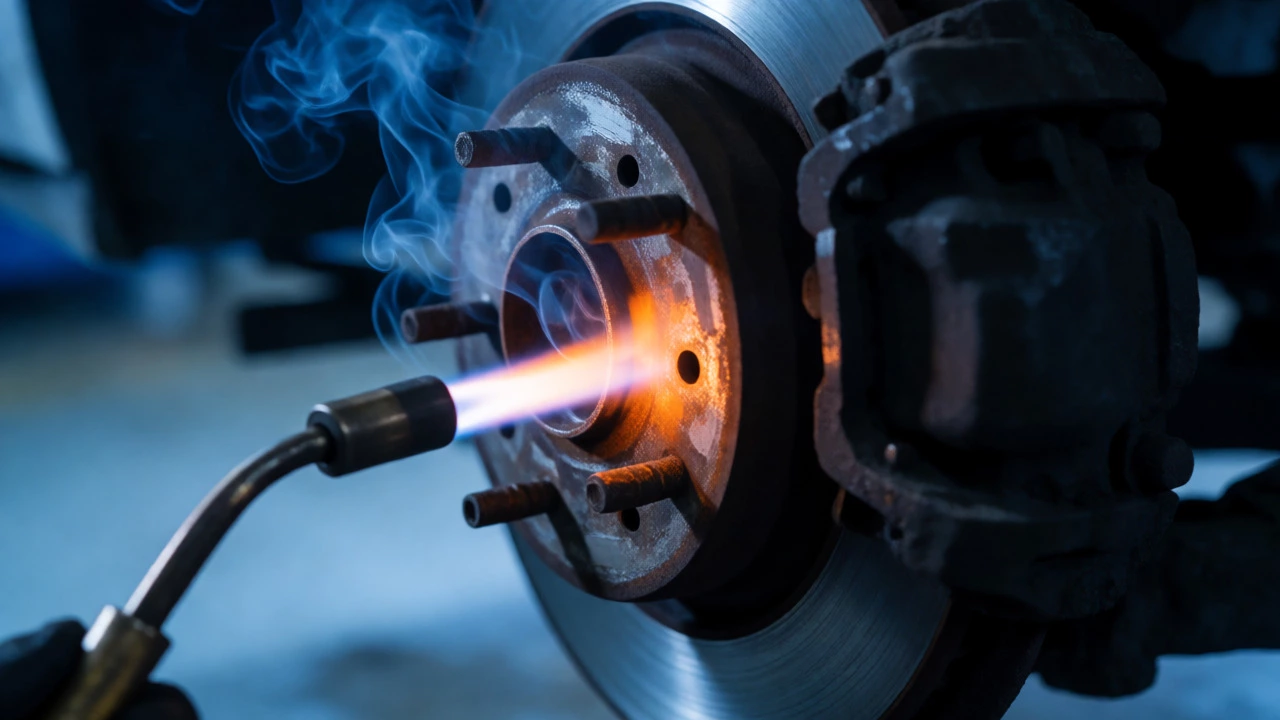
Rotor condition also plays a huge role. If your old rotors are scored deeply or warped, you might choose to replace them instead of just swapping pads. Removing a stuck rotor often involves heating the hub with a torch to break the rust bond between the steel hub and the iron rotor. This thermal shock technique prevents damage to the wheel bearing but takes patience. Rushing it leads to cracked bearings, turning a quick job into a multi-hour repair.
DIY vs. Professional: How Long Will It Take You?
Do-it-yourselfers should expect to take two to three times longer than a professional. First-time attempts often stretch to 4-6 hours for all four wheels. Why? Because you don't have the specialized tools yet. You might spend twenty minutes hunting for the correct socket size or figuring out why the caliper won't budge.
However, once you have a caliper wind-back tool and a torque wrench, the second job gets much faster. Many enthusiasts report completing a front-end swap in under an hour after gaining experience. The key is preparation. Have your new pads, hardware kit, brake cleaner, and high-temp grease laid out before jacking up the car. Running back and forth to the garage kills momentum.
- Tool Prep: Gather sockets, wrenches, jack stands, and C-clamps/wind-back tools.
- Safety Check: Ensure the car is stable on stands, not just the hydraulic jack.
- Bleeding Brakes: If you open the fluid line, you must bleed the system. This alone can take 30 minutes if done solo.
When Does the Job Take Longer Than Expected?
Sometimes, the delay isn't the mechanic's fault-it's the car's history. If you've been driving on metal-on-metal for months, the caliper piston might be fully extended. Pushing it back in without damaging the seal requires care. If the seal is compromised, you risk a leak later. A thorough technician will inspect the piston boot and might recommend replacing the caliper entirely, adding parts procurement time.
Another hidden time consumer is the brake wear sensor. Many European cars have a thin wire embedded in the inner pad. When the pad wears down, the circuit breaks, triggering a dashboard light. Replacing the sensor is cheap, but routing the new wire correctly through the clips and ensuring it doesn't rub against the rotor takes precision. Miss this step, and you'll return to the shop for a diagnostic visit, costing you more time and money.
Don't forget the test drive. A responsible shop won't just tighten bolts and hand you the keys. They perform a cold check, then a series of stops to bed in the new pads. This bedding-in process involves gradual acceleration and deceleration cycles to transfer material from the pad to the rotor evenly. Skipping this leads to pulsating pedals later. Allow at least 15-20 minutes for proper road testing.
Factors Influencing Cost and Duration
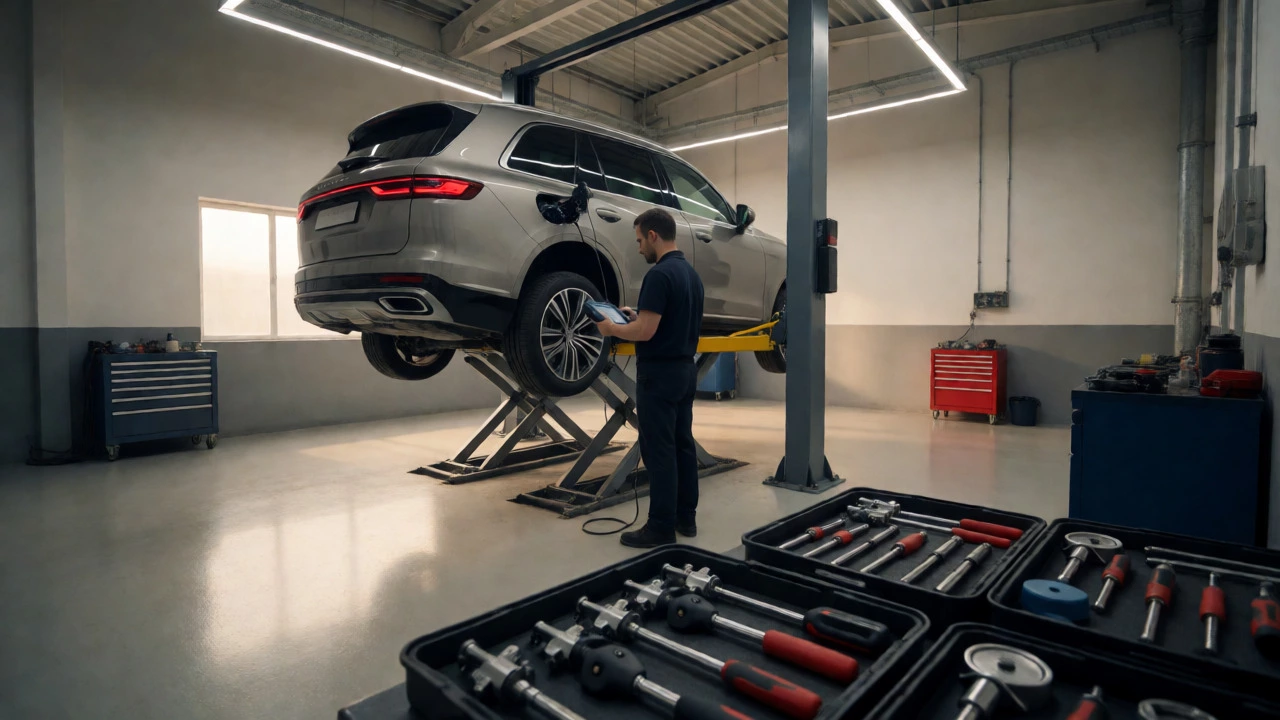
While we focus on time, cost correlates directly with complexity. High-performance vehicles often use slotted or drilled rotors and ceramic compounds that require specific torque sequences. Multi-piston calipers (four or six pistons) mean more bolts to remove and more surface area to clean. Each additional piston adds roughly 10-15 minutes of labor per caliper.
Location matters too. In areas with heavy road salt usage (like the Northeast US or Canada), underbody rust is severe. Mechanics may encounter frozen exhaust hangers or suspension components that block access to the brake assembly. These ancillary repairs aren't part of the brake job but must be addressed to reach the pads, extending the total service window.
Tips to Speed Up Your Service Visit
If you want to minimize downtime, communicate clearly. Tell the service advisor if you've noticed any squealing, grinding, or pulling to one side. This helps them prepare the right parts beforehand. Ask if they stock your specific rotor type. Waiting for a special-order part can turn a two-hour job into a two-day wait.
Consider asking for a visual inspection first. Sometimes, what looks like worn pads is actually a dragging caliper caused by a collapsed hose. Fixing the root cause saves you from premature pad failure later. A good mechanic will explain these findings quickly, helping you decide whether to proceed immediately or schedule a follow-up.
Finally, respect the cure time for adhesives if your vehicle uses shims with glue backing. Some manufacturers specify a dry time before driving aggressively. Ignoring this can cause shims to detach, leading to rattles and uneven wear.
Can I drive my car while waiting for brake pads?
Yes, but with caution. If the pads are still present (even if thin), you can drive short distances gently. Avoid hard braking and high speeds. If you hear metal-on-metal grinding, stop driving immediately as you risk damaging the rotor and compromising safety.
Why did my brake job take 4 hours when the book says 2?
Labor guides provide ideal conditions. Delays usually stem from seized caliper slides, rusted rotor-to-hub connections, or electronic parking brake complications. Additionally, if the mechanic discovers a leaking brake hose or damaged dust boot, they may pause to consult you on additional repairs, which extends the total time.
Is it safe to do brake pads myself?
Yes, if you are mechanically inclined and have the right tools. Critical steps include using jack stands, torquing lug nuts to spec, and bleeding the brakes if air entered the lines. Never compromise on safety checks. If unsure, have a professional inspect your work before driving.
Do I need to replace rotors every time I change pads?
Not always. Rotors should be measured for thickness and checked for warping. If they meet minimum thickness specs and are smooth, they can often be reused or resurfaced. However, many modern cars have thinner rotors that warp easily, making replacement the safer, albeit more expensive, option.
How long do new brake pads last?
Typically 30,000 to 70,000 miles depending on driving habits and pad material. Ceramic pads tend to last longer and produce less dust than semi-metallic ones. City driving with frequent stops wears pads faster than highway cruising.