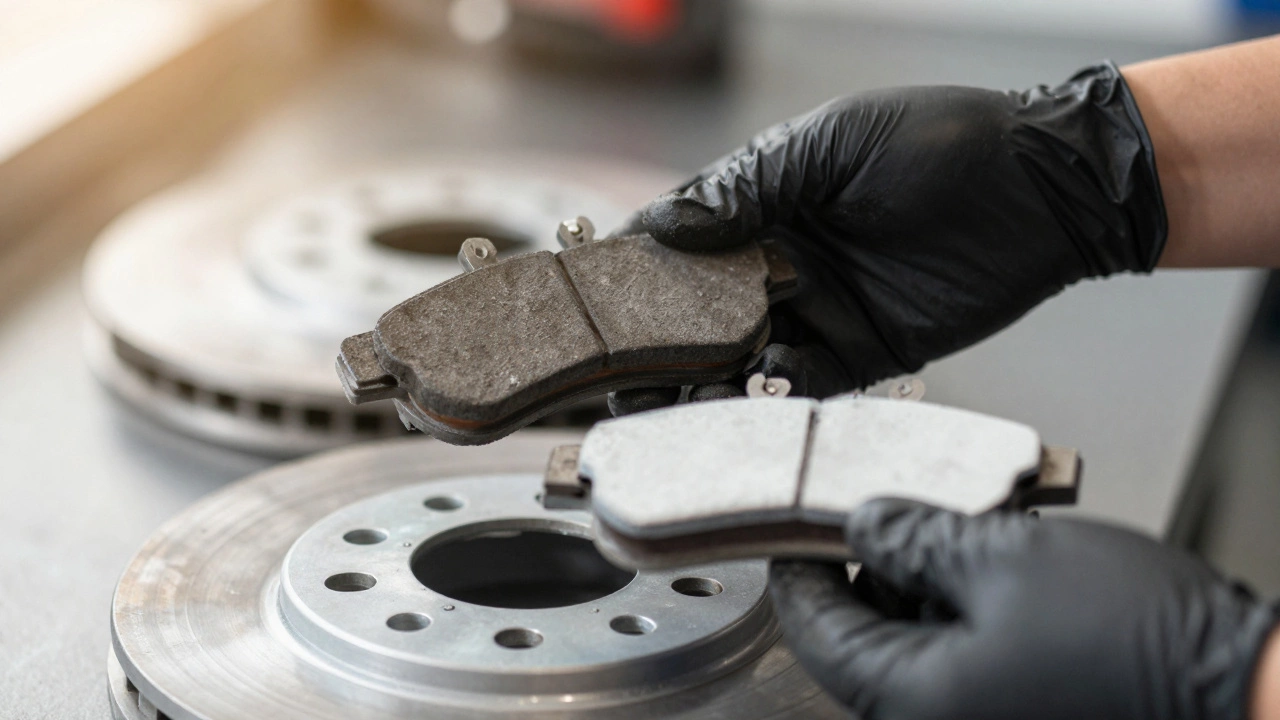
Brake Pad Replacement Time & Cost Estimator
There is a specific moment every driver dreads: the high-pitched squeal or the grinding sensation when you press down on the pedal. You know what it means. Your brake pads are worn out. But before you panic about safety, your mind jumps to logistics. How long will this take? Will you be stranded for the whole day? If you’re heading to a shop, you want to plan your schedule. If you’re doing it yourself in the driveway, you need to know if you can finish before dinner.
The short answer is that a professional mechanic typically takes between 30 minutes and one hour to replace brake pads on a standard passenger car. However, "standard" is a tricky word in the automotive world. The actual time depends heavily on your vehicle’s design, the condition of the rotors, and whether any hidden complications arise. Let’s break down exactly where that time goes and why some jobs stretch into half-day appointments.
The Standard Job: Front vs. Rear Axles
When shops quote you a time, they are usually talking about "labor hours." One labor hour doesn’t always mean 60 minutes of clock time; it’s a billing unit. For a basic front brake pad replacement on a common sedan like a Toyota Camry or Honda Civic, the job often falls within the 0.5 to 1.0 labor hour range. In real-world clock time, if the bay is open and the parts are ready, a tech can swap those pads in about 45 minutes.
Rear brakes tend to take slightly longer, usually adding 15 to 30 minutes to the total job. Why? Because rear calipers often have electronic parking brake motors integrated into them. You can’t just pull the piston back with a C-clamp like you do on the front. You have to use a scan tool to retract the motor electronically. If the shop doesn’t have the right software handy, that adds delay. Plus, rear wheels sometimes require removing larger lug nuts or dealing with more rusted components due to road salt exposure.
- Front Brakes Only: 30-45 minutes (real time)
- Rear Brakes Only: 45-60 minutes (real time)
- All Four Corners: 1.5-2 hours (real time)
Why Some Cars Take Longer: Design Complexities
If you drive something other than a boring commuter sedan, prepare for a longer wait. Modern vehicle engineering has made braking systems more efficient but also more complex to access. This complexity directly impacts the labor time.
Luxury vehicles and performance cars often feature multi-piston calipers. Think of brands like BMW, Mercedes-Benz, or Porsche. These calipers are heavier, bolted on with more fasteners, and sometimes require special tools to remove without damaging the mounting brackets. A brake job on a BMW 3-Series might easily push past the one-hour mark because the technician has to navigate around suspension components that aren't as forgiving as those on a Ford Focus.
SUVs and trucks present another challenge. Their wheels are larger, meaning you need bigger jack stands and more effort to lift the vehicle. Furthermore, many modern SUVs use large, ventilated rotors that weigh significantly more. Removing and reinstalling these heavy discs requires extra care and physical handling time. Don't forget about all-wheel-drive (AWD) systems. On many AWD vehicles, you cannot simply spin the wheel freely while the car is lifted. You may need to keep the driveshaft connected or use a turntable under the tire to prevent damage to the differential. This setup adds 10-20 minutes of prep work.
The Rotor Factor: When Pads Aren't Enough
Here is the biggest variable in brake timing: the condition of the rotors (discs). Brake pads don't wear out in isolation; they wear down the metal disc they clamp against. Most reputable mechanics follow a rule: if the rotor is below its minimum thickness specification or shows deep scoring, warping, or rust pitting, it must be replaced or resurfaced. You never put new pads on old, damaged rotors. It ruins the new pads immediately and compromises stopping power.
Resurfacing (or machining) the rotors takes an additional 15-20 minutes per axle if the shop has an in-house lathe. Replacing the rotors adds even more time-about 30 minutes per axle-because you have to unbolt the old disc, clean the hub surface thoroughly to prevent vibration, and install the new hardware. If your mechanic tells you the job will take two hours instead of one, ask if they are replacing the rotors too. Chances are, they are.
| Task | Estimated Time (Per Axle) | Difficulty Level |
|---|---|---|
| Pad Replacement Only | 30-45 mins | Low |
| Pads + Rotor Resurfacing | 45-60 mins | Medium |
| Pads + New Rotors | 60-90 mins | Medium-High |
| Caliper Slide Pin Lubrication | +15 mins | Low |
| ABS Sensor Cleaning/Check | +10 mins | Low |
DIY vs. Professional: What’s the Real Difference?
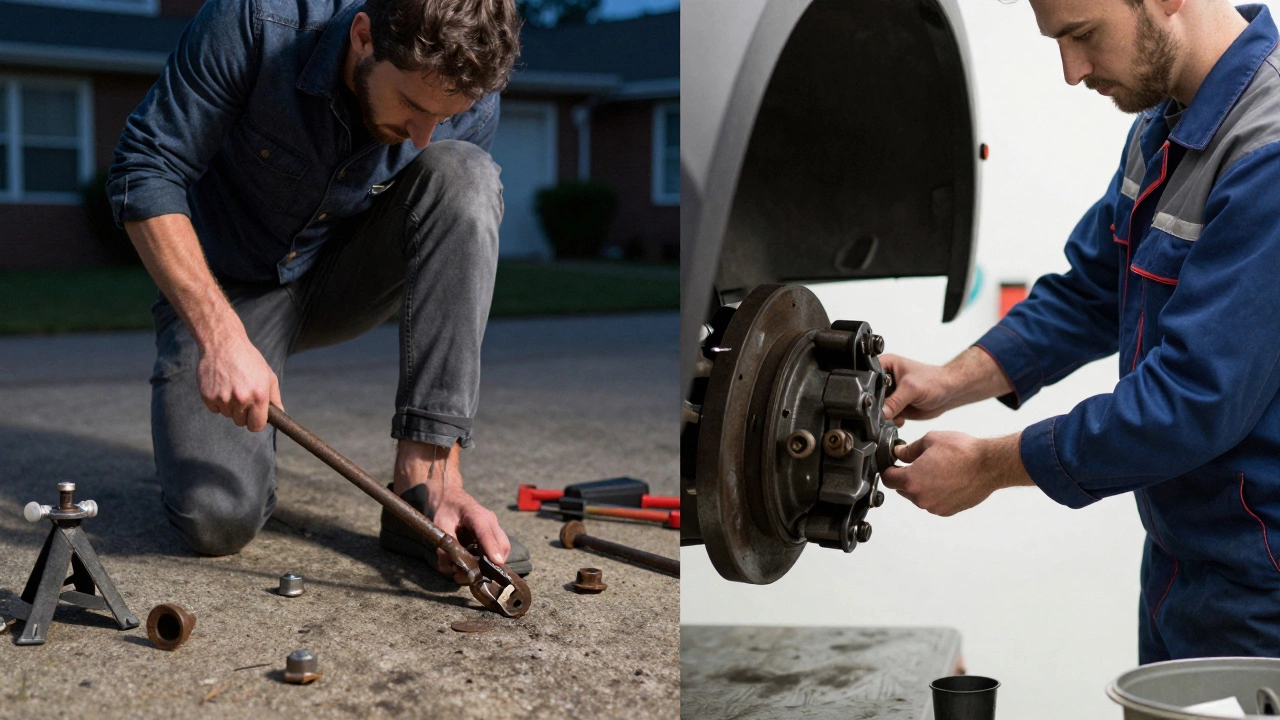
If you are considering doing this yourself, be realistic about your timeline. While a pro does this daily, you might be tackling it once a year. For a first-timer, changing brake pads on a simple car can take anywhere from 2 to 4 hours. Here is why the gap exists.
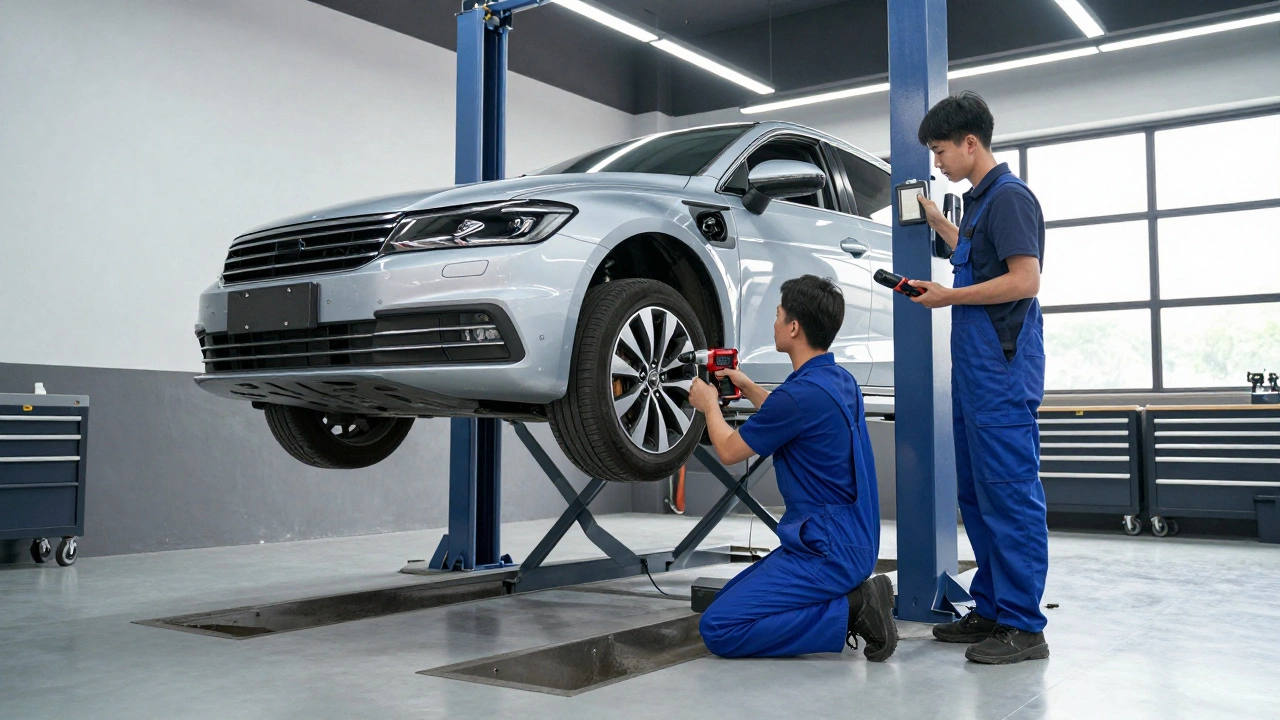
Professionals have lifts that raise the entire car instantly. You likely have a floor jack and four jack stands. Setting up jack stands safely takes time, and you must ensure the car won't roll or fall. Pros have impact wrenches that remove lug nuts in seconds. You might struggle with rusty bolts using a breaker bar and hand strength. They have pneumatic tools to clean off decades of brake dust and rust. You have a wire brush and some penetrating oil.
However, DIY offers control. You aren't waiting for a busy shop to get to your car. You can take breaks. And crucially, you see exactly what is happening. If a slide pin is stuck, you fix it right then. In a shop, that might be noted as a "pending issue" for later. Just remember: brakes are non-negotiable. If you feel unsure at any point, stop. There is no shame in calling a pro.
Hidden Delays That Add Time
Even experienced technicians hit snags. These "hidden delays" are why shops often give a range rather than a fixed number. Understanding these helps you manage expectations.
Rusted Components: If you live in an area with harsh winters and road salt, your brake hardware is likely corroded. Caliper bolts can seize so tightly that they snap when removed. Extracting a broken bolt requires drilling and tapping, which can add an hour or more to the job. This is common in older vehicles, particularly European models exposed to salt.
Stuck Pistons: Over time, caliper pistons can corrode inside their bores. When the mechanic tries to compress them back to make room for the thicker new pads, they resist. Sometimes they pop free with force; other times, the entire caliper needs rebuilding or replacement. A stuck piston turns a 30-minute job into a 2-hour repair.
Parts Availability: If the shop doesn’t have your specific brake pads or rotors in stock, the clock starts ticking only after the parts arrive. Always call ahead to confirm inventory. Some specialized or luxury parts may need to be ordered from a distributor, delaying the start of the work entirely.
Cost Implications of Labor Time
Time equals money. Mechanics charge an hourly labor rate, which varies by region and shop type. Dealerships typically charge $150-$250 per hour, while independent shops might charge $100-$150. Quick lube chains often offer flat-rate pricing, which can be cheaper but sometimes lacks the thoroughness of a dedicated brake specialist.
If a job takes 1 hour at $120/hour, your labor cost is $120. If rust forces the tech to spend 2 hours, that’s $240. This is why getting a detailed estimate upfront is vital. Ask specifically: "Does this price include rotor inspection and potential replacement?" Avoid vague quotes like "brake service." Get line items for parts and labor hours.
Signs You Need Immediate Attention
Don't wait for the grind. Recognizing early signs can save you time and money by preventing rotor damage. If you hear a metallic squeak when braking, your wear indicators are touching the rotor. This is your car's way of saying, "Replace me now." If you feel vibration in the steering wheel or brake pedal, your rotors are warped. Ignoring this leads to uneven pad wear and eventually, failure.
Regular maintenance checks every 10,000 miles can help you anticipate these jobs. Many modern cars display a brake wear warning light on the dashboard. When that comes on, you usually have less than 5,000 miles of driving left. Schedule the appointment then, not when the noise becomes unbearable.
Can I drive my car immediately after brake pad replacement?
Yes, but you should avoid hard braking for the first 100-200 miles. New pads need a "bedding-in" period where they transfer material onto the rotor to create optimal friction. Hard stops during this phase can glaze the pads, reducing their effectiveness and causing squealing. Drive gently and allow the system to settle.
Why does my mechanic say it takes 2 hours for a simple pad change?
A 2-hour estimate often includes rotor replacement or resurfacing, which is recommended if the existing rotors are worn. It may also account for cleaning and lubricating caliper slide pins, inspecting brake lines, and testing the ABS system. Shops build in buffer time for unexpected issues like rusted bolts, ensuring they don't rush the job and compromise safety.
Is it faster to change front or rear brake pads?
Front brake pad replacement is generally faster. Front calipers are simpler, usually requiring only two bolts to remove, and lack the electronic parking brake mechanisms found on many rear calipers. Rear jobs often involve retracting electric motors via scan tools and dealing with more complex backing plates, adding 15-30 minutes to the process.
Do I need to replace brake fluid when changing pads?
Not necessarily. Changing pads pushes the caliper pistons back, which increases pressure in the brake fluid reservoir, but it doesn't consume fluid. However, if your brake fluid is more than two years old or appears dark, it should be flushed. Old fluid absorbs moisture, lowering its boiling point and risking brake fade under heavy use. Check your manufacturer's interval recommendations.
What causes brake jobs to take longer on luxury cars?
Luxury vehicles often feature multi-piston calipers, complex suspension geometries that obstruct access, and integrated electronic parking brakes. Additionally, manufacturers may use unique fastener types or torque specifications that require specialized tools. Rust corrosion is also prevalent in imported vehicles exposed to road salt, leading to seized components that demand extra removal time.