Brake Rotor Safety & Risk Calculator
Assess Your Situation
Safety Assessment
Estimated Repair Cost Range
Select your symptoms and click "Assess Risk & Cost" to see results.
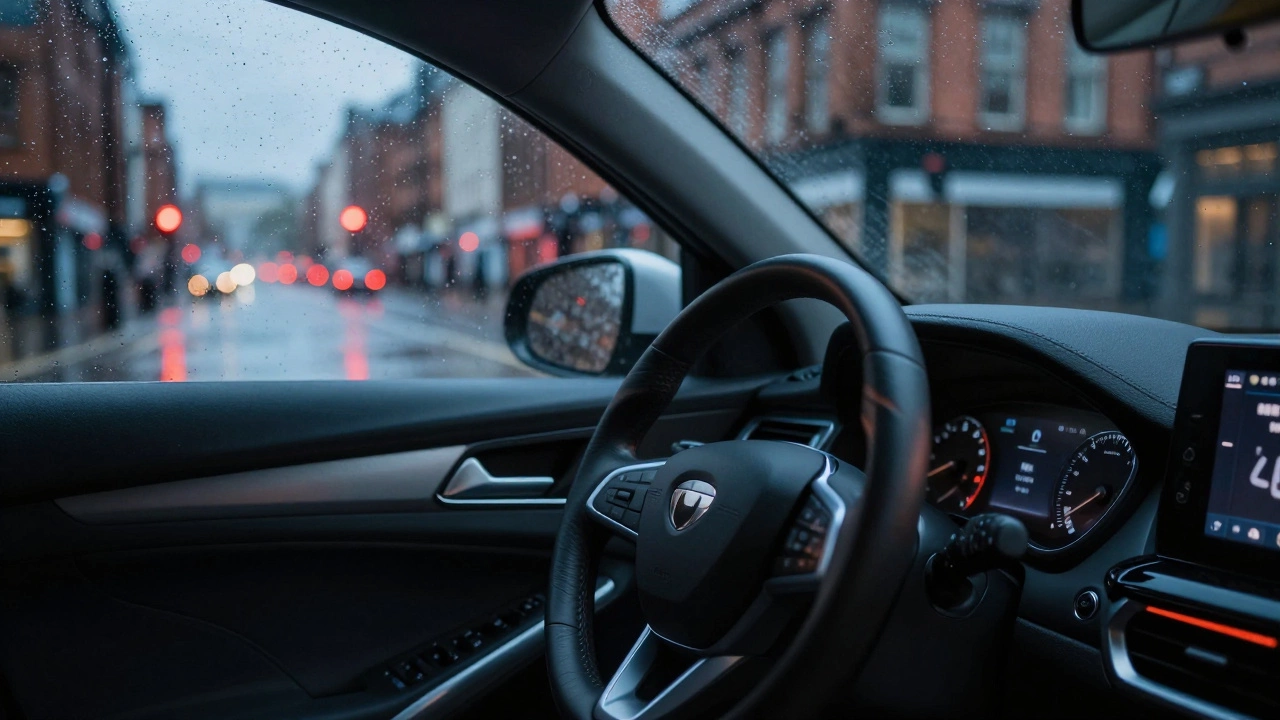
Imagine you are sitting at a red light in Manchester. The car next to you shudders violently as it tries to stop. That shaking isn't just annoying; it is a warning sign. Your brake rotors are likely damaged. The question on everyone's mind is simple: can you drive with them? The short answer is yes, but the longer, more important answer is that you shouldn't. Driving with compromised braking components turns your daily commute into a dangerous gamble. It risks not only your vehicle’s mechanical health but also the safety of everyone on the road.
Many drivers ignore the early signs of rotor wear because replacing them is expensive and inconvenient. However, understanding what happens when these parts fail is crucial. This guide breaks down the mechanics of brake failure, the specific symptoms you need to watch for, and the real-world costs of delaying repairs. We will look at why ignoring a vibrating steering wheel or a grinding noise is a mistake you cannot afford to make.
The Critical Role of Brake Rotors
To understand why driving with bad rotors is risky, you first need to know what they do. When you press the brake pedal, hydraulic pressure forces the brake pads against the spinning rotors (also known as brake discs). This friction converts the kinetic energy of your moving car into heat, slowing you down. The rotor must remain perfectly flat and smooth for this process to work efficiently.
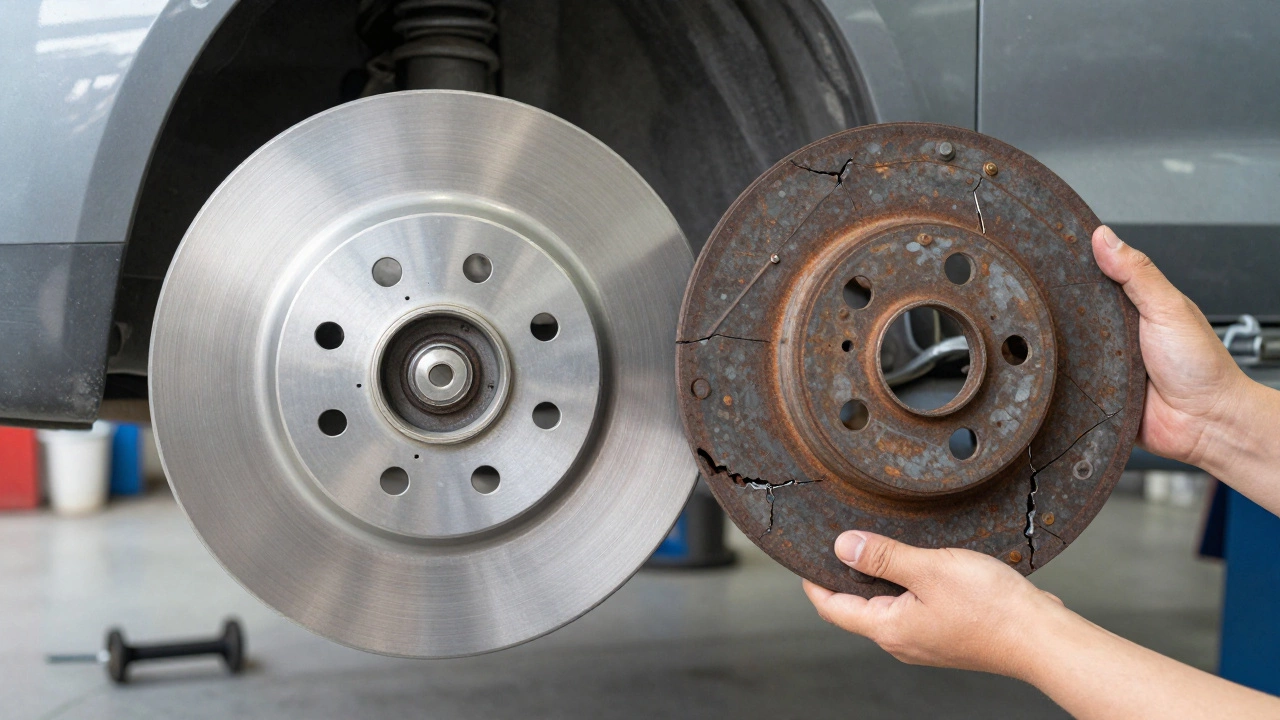
Over time, rotors degrade. They thin out from constant friction, develop hot spots from intense braking, or become warped due to thermal stress. A healthy rotor has a uniform surface. A bad rotor might have deep grooves, cracks, or uneven thickness. If the surface is no longer flat, the brake pads cannot grip evenly. This leads to reduced stopping power and the unsettling vibrations most drivers associate with brake problems.
Symptoms of Failing Rotors
Your car will usually tell you when something is wrong before total failure occurs. Recognizing these signs early can save you from a catastrophic accident. Here are the most common indicators that your rotors need attention:
- Vibration in the Steering Wheel: If your steering wheel shakes when you hit the brakes, especially at higher speeds, your front rotors are likely warped. The uneven surface causes the caliper to pulse against the pad.
- Pulsing Brake Pedal: Similar to steering vibration, if the brake pedal feels like it is pumping back and forth under your foot, the rear rotors may be the issue.
- Grinding Noises: A high-pitched squeal often means worn pads, but a loud grinding sound suggests metal-on-metal contact. This means the pads are gone, and the hardware is scoring the rotor surface deeply.
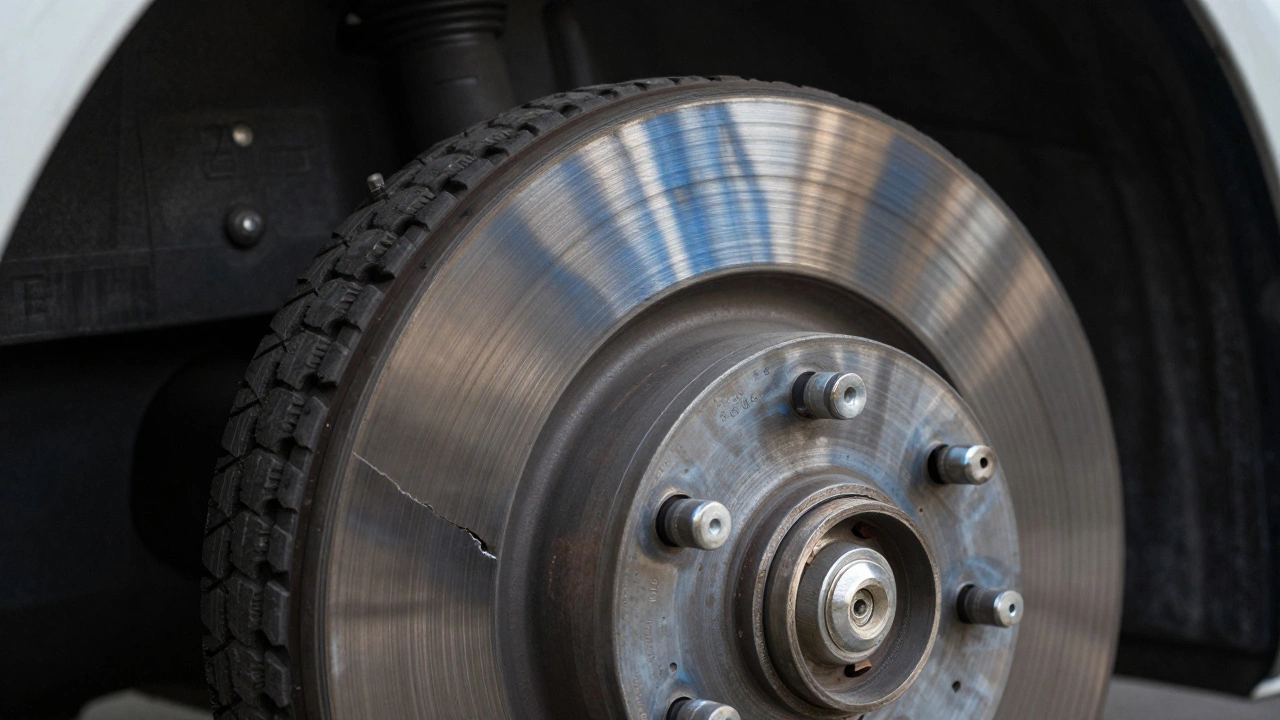
- Visual Cracks or Discoloration: Blueish tinting indicates overheating. Visible cracks or chunks missing from the edge are immediate reasons to stop driving.
- Longer Stopping Distances: If you find yourself pressing harder to achieve the same deceleration, your braking efficiency has dropped significantly.
Immediate Dangers of Driving with Bad Rotors
You might think you can just drive to the garage "quickly." But even a short trip carries significant risks. The primary danger is loss of control. In an emergency stop scenario, such as a child running into the street or a sudden traffic jam, your ability to stop quickly depends on consistent friction. Warped or scored rotors reduce this friction unpredictably.
Another major risk is brake fade. When rotors are already compromised, they absorb heat differently. During repeated braking, such as descending a steep hill, the brakes can overheat rapidly. This leads to brake fade, where the fluid boils or the pads lose grip, causing the brakes to fail completely until they cool down. In urban environments like London or Manchester, with frequent stops and starts, this heat buildup happens faster than you might expect.
There is also the risk of rotor seizure. If a rotor cracks severely, pieces can break off and jam the caliper. This can lock up a wheel while you are driving, potentially causing a skid or a crash. While rare, it is a catastrophic failure mode that highlights why "waiting it out" is never a good strategy.
Cost Implications: Repair Now vs. Later
One reason people delay fixing bad rotors is cost. Replacing rotors and pads is not cheap. However, driving with damaged rotors often leads to more expensive repairs down the line. Let's look at the financial reality.
| Scenario | Estimated Cost (GBP) | Risk Level |
|---|---|---|
| Replace Rotors & Pads (All 4 Wheels) | £300 - £600 | Low (Preventative) |
| Damage Calipers from Debris | £400 - £800 per axle | Medium |
| Wheel Bearing Failure | £150 - £300 per side | Medium |
| Accident Damage (Minor Collision) | £1,000+ | High |
| Insurance Premium Increase | Variable (Often 10-20%+) | Long-term Financial Impact |
If you continue driving with bad rotors, you risk damaging other components. Metal shards from disintegrating pads can damage the brake calipers, which are much more expensive to replace. Furthermore, uneven braking puts extra stress on wheel bearings and suspension components. What starts as a £400 brake job can easily balloon into a £1,000 repair bill if you wait too long. Plus, if you cause an accident due to brake failure, your insurance may deny the claim, leaving you liable for all damages.
How Long Can You Safely Drive?
There is no safe duration for driving with bad rotors. However, context matters. If you hear a slight squeak, you might have a few days to schedule an appointment. If you feel vibration, you should get it checked within 24-48 hours. If you hear grinding or see visible cracks, you should not drive the car at all. Arrange for a tow truck to take it to a mechanic.
Consider the distance and conditions. Driving five miles on a quiet residential street to a nearby garage is different from driving fifty miles on the M6 motorway at 70 mph. High-speed driving generates immense heat and force. Warped rotors can expand further under these conditions, worsening the warping and increasing the risk of sudden failure. Always err on the side of caution. If in doubt, don't drive.
Maintenance Tips to Extend Rotor Life
Prevention is always better than cure. Proper maintenance can significantly extend the life of your brake system. Here are some practical tips:
- Avoid Riding the Brakes: Keep your foot off the brake pedal when coasting. Resting your foot on the pedal keeps the pads lightly pressed against the rotors, generating unnecessary heat and wear.
- Drive Smoothly: Anticipate traffic flow. Gentle braking reduces thermal shock to the rotors. Hard, panic stops generate extreme heat that can warp rotors over time.
- Check Brake Fluid Regularly: Old brake fluid absorbs moisture, which lowers its boiling point. This increases the likelihood of brake fade and overheating, which damages rotors. Flush your brake fluid every two years or as recommended by your manufacturer.
- Inspect Pads Early: Replace brake pads before they wear down to the metal backing. Once the metal touches the rotor, the damage is done. Most modern cars have wear sensors that trigger a dashboard light; don't ignore it.
- Cool Down After Heavy Use: If you have been towing or driving downhill for a long period, let the brakes cool down before parking. Avoid covering them immediately, as trapped heat can bake the brake fluid and damage seals.
When to Resurface vs. Replace
In the past, mechanics often resurfaced (or "skived") rotors to make them smooth again. Today, many manufacturers recommend replacement instead. Modern rotors are made thinner to save weight and meet fuel efficiency standards. There is less material to remove during resurfacing. If a rotor is below the minimum thickness specification, it must be replaced. Resurfacing a rotor that is already too thin can lead to cracking under heat. Always consult your vehicle's service manual or a trusted mechanic to determine if resurfacing is viable. For most cars produced after 2010, replacement is the safer and more cost-effective option in the long run.
Is it illegal to drive with bad rotors?
While there isn't a specific law stating "you cannot drive with warped rotors," driving with defective brakes is illegal under the Road Traffic Act in the UK. If your brakes are not in efficient working order, you can be fined, penalized with points on your license, and fail your MOT test. Police can also prohibit you from driving if they deem your vehicle unsafe.
Can I just replace the brake pads and keep the old rotors?
You should only do this if the rotors are still within their minimum thickness tolerance and have no visible damage, warping, or deep scoring. Putting new pads on old, uneven rotors will cause the new pads to wear unevenly and quickly, leading to premature failure and continued vibration. It is generally best practice to replace both together.
How much does it cost to replace brake rotors in the UK?
Prices vary depending on the vehicle type and labor rates. For a standard family car, expect to pay between £150 and £300 for parts and labor per axle. Luxury vehicles or performance cars with larger, ventilated rotors can cost significantly more, ranging from £400 to £800 for all four wheels. Always get a quote that includes VAT and disposal fees.
What causes brake rotors to warp?
Warped rotors are primarily caused by thermal stress. Repeated hard braking heats the metal rapidly. If the rotor cools unevenly-for example, by driving through a puddle immediately after heavy braking-the metal can distort. Manufacturing defects and loose wheel nuts can also contribute to uneven wear and warping over time.
Will bad rotors affect my MOT test?
Yes. The MOT test checks that your brakes are effective and that the braking components are in good condition. Excessive corrosion, cracks, or rotors that are worn below the minimum thickness will result in an immediate MOT failure. You must fix these issues before you can retake the test.