
Wiper Connector Identifier & Guide
Select Your Connector Type
Compare your current wiper attachment to the icons below.
Select a connector above
Choose the type that matches your vehicle to see compatibility info and installation tips.
Picture this: it’s pouring rain in Manchester. You pull out of a parking spot, squinting through a blur of water because your old wipers are streaking and skipping. You grab the nearest replacement blades from a generic box labeled 'Universal Fit,' install them, and they look fine. But when you turn on the ignition, one side flops over, or worse, it doesn’t even stay on the arm. Why did that happen? Because despite what those boxes claim, windshield wipers are rarely truly universal.
If you’ve ever stood in an auto parts aisle feeling overwhelmed by the sheer variety of connector types, you’re not alone. The short answer is no, windshield wipers are not universal. While some cars share standard connection styles, many manufacturers use proprietary designs that require specific adapters or exact-fit blades. Getting this wrong means wasted money, frustration, and potentially damaged wiper arms. Let’s break down why fitment matters so much and how to get it right every time.
The Myth of "Universal" Wiper Blades
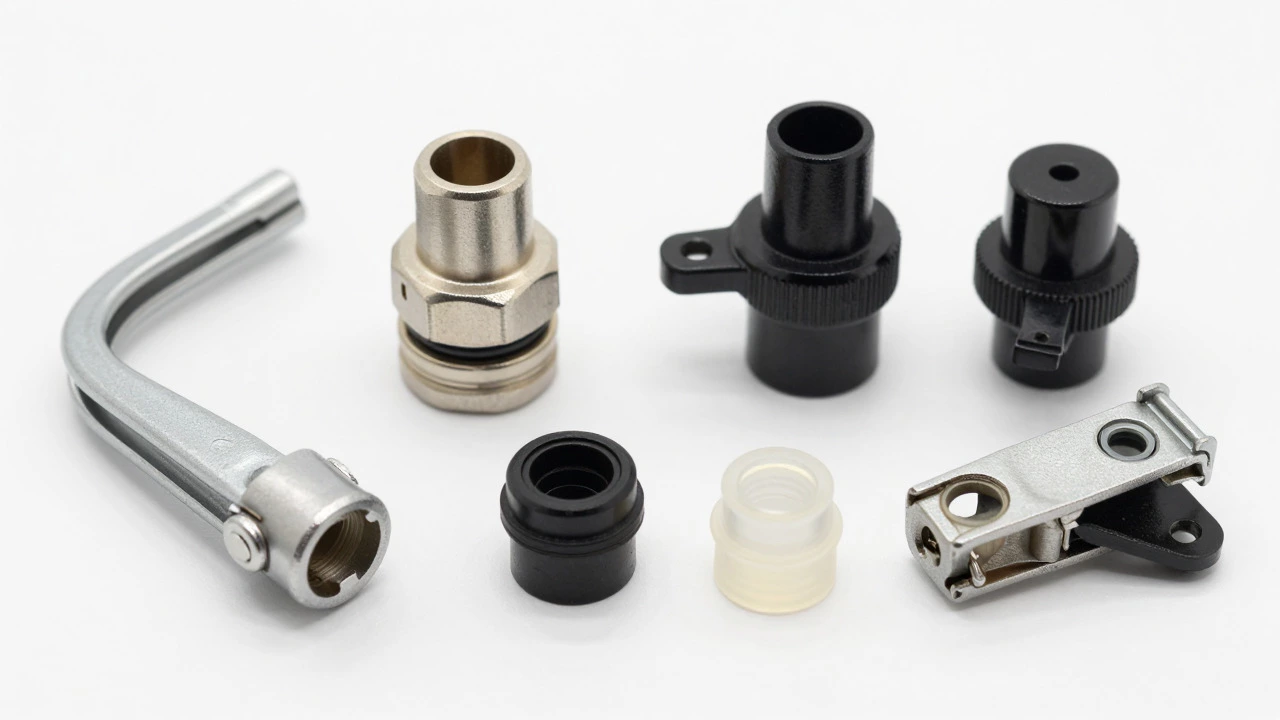
When shoppers see the word "universal" on packaging, they assume one size fits all vehicles. In reality, "universal" usually refers to the blade assembly itself being adaptable via included hardware, not that it will work on any car without modification. Most aftermarket brands include a kit of adapters-plastic clips, metal hooks, and rubber sleeves-to convert their standard blade into various connector types. This works for about 90% of vehicles, but that remaining 10% can cause headaches.
The core issue lies in the interface between the wiper blade is the rubber component that wipes water off the windshield and the vehicle's wiper arm is the metal lever that holds the blade and applies pressure to the glass. There are dozens of different locking mechanisms globally. A blade designed for a Japanese import might have a completely different attachment point than one for a European luxury sedan. Relying solely on a "universal" label without checking your vehicle’s specific requirements often leads to poor contact with the glass, causing streaks or chatter.
Common Wiper Connector Types You Need to Know
To understand why fitment varies, you need to recognize the main connector styles. These determine whether a blade will snap onto your car’s arm securely. Here are the most prevalent types found in modern vehicles:
- Hook Arm (J-Hook): This is the most common type in North America and increasingly worldwide. It features a J-shaped hook at the end of the wiper arm. The blade slides onto the hook and locks into place with a pin or clip. Most "universal" kits prioritize compatibility with this style.
- Bayonet Style: Popular in Europe and on many Asian imports. The blade pushes straight onto a tapered post and twists slightly to lock. It requires precise alignment; forcing it can break the plastic housing.
- Side Pin: Often seen on older domestic vehicles. A small pin on the side of the wiper arm inserts into a hole on the blade bracket. It’s simple but less secure against high winds compared to newer designs.
- Top Pin: Similar to the side pin but located at the top center of the connector. Common on certain Ford and Chevrolet models from the late 90s and early 2000s.
- Proprietary Connectors: Brands like BMW, Mercedes-Benz, and Audi often use unique connectors that may look similar to bayonet or hook styles but have subtle differences in shape or locking mechanism. These frequently require OEM-specific blades or specialized adapters.
| Connector Type | Prevalence | Installation Difficulty | Compatibility Notes |
|---|---|---|---|
| Hook Arm | High (Global) | Easy | Most universal kits include adapters for this. |
| Bayonet | Medium (EU/Asia) | Moderate | Requires twisting motion; ensure correct angle. |
| Side Pin | Low (Older US Cars) | Easy | Check pin diameter to avoid loose fit. |
| Proprietary | Varies by Brand | Hard | Often requires brand-specific blades. |
Why Size Matters Just as Much as Shape
Even if you have the correct connector type, using the wrong blade length can ruin your visibility. Wiper blades come in specific lengths measured in inches or millimeters. Using a blade that is too long causes it to overlap with the other wiper or hit the plastic cowl, leading to noise and potential damage. A blade that is too short leaves blind spots at the edges of your windshield.
Many drivers assume both sides of their car use identical blade sizes. This is a dangerous assumption. On most vehicles, the driver-side wiper is longer than the passenger-side wiper to cover more area where the driver sits. For example, a typical mid-size sedan might use a 26-inch blade on the driver’s side and a 18-inch blade on the passenger’s side. Always verify the exact measurements for each position rather than guessing.
How to Find the Right Wipers for Your Car
Avoiding the trial-and-error process starts with accurate information. Here is a step-by-step approach to ensuring perfect fitment:
- Check Your Owner’s Manual: The most reliable source for wiper size and type is your vehicle’s manual. It lists the recommended dimensions and sometimes the part number for original equipment manufacturer (OEM) blades.
- Use Online Fitment Tools: Major retailers and wiper manufacturers offer online tools where you enter your year, make, and model. These databases cross-reference your VIN (Vehicle Identification Number) to recommend compatible blades, including necessary adapters.
- Inspect Your Current Blades: If you still have your old wipers, look for printed labels indicating size and connector type. Some brands print codes like "24"" or "BAYONET" directly on the rubber or metal frame.
- Measure Manually: If labels are worn off, measure the flat metal beam of the existing blade from end to end. Do not include the connector piece in this measurement.
- Identify the Connector: Remove the old blade carefully (usually by pressing a release tab) and examine how it attaches to the arm. Compare this shape to images of hook, bayonet, or pin styles online.
Beam vs. Conventional Frame Wipers
Beyond the connector, you also choose between two main blade designs: conventional framed wipers and beam wipers. Conventional wipers use a metal skeleton with multiple pivot points and spring tension to keep the rubber against the glass. They are affordable and widely available but can collect snow and ice easily, which reduces effectiveness in winter climates like the UK.
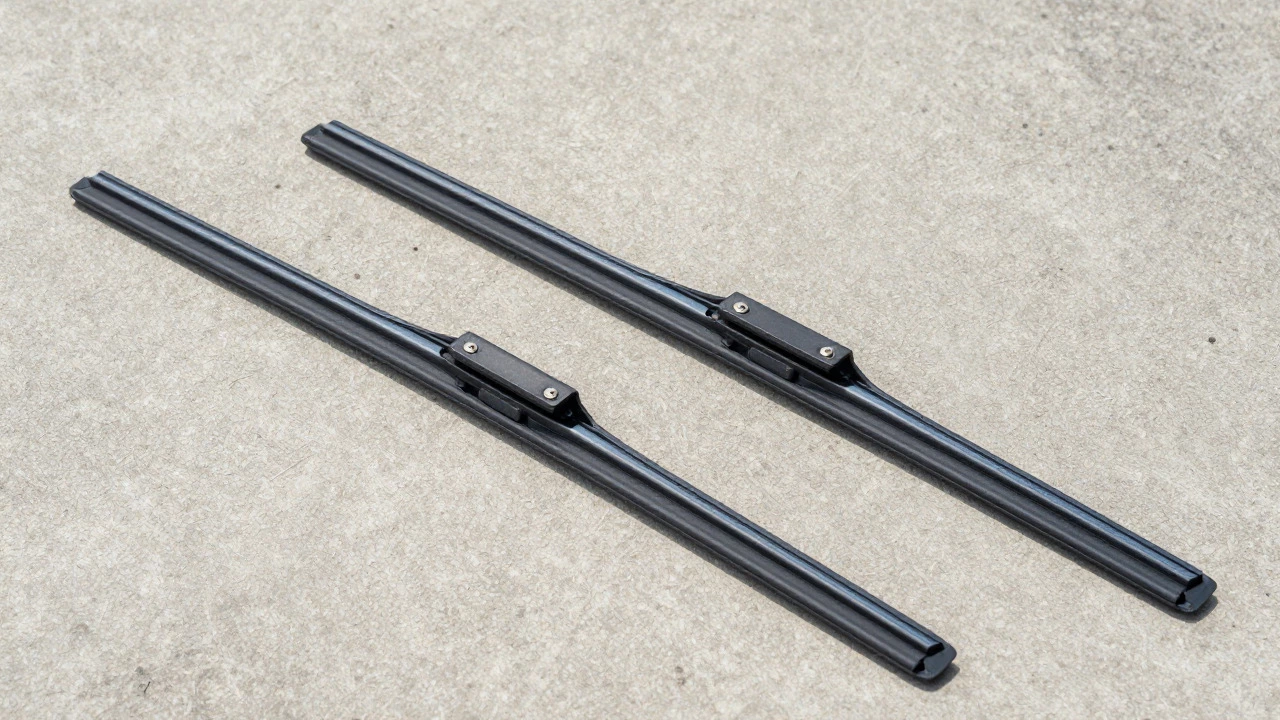
Beam wipers are frameless wiper blades that use a single flexible spine to apply even pressure across the entire blade. Their sleek, aerodynamic design hugs the curvature of modern windshields better than framed options. They resist ice buildup and perform well at higher speeds due to reduced wind lift. While typically more expensive, beam wipers often provide clearer visibility and last longer, making them a worthwhile investment for many drivers.
Troubleshooting Poor Wiper Performance
If your new wipers aren’t cleaning properly, don’t immediately blame the product. Several factors affect performance beyond just fitment:
- Dirt on the Glass: Oil, tree sap, and road grime create a film that prevents rubber from contacting the glass cleanly. Wash your windshield with automotive glass cleaner before installing new blades.
- Damaged Wiper Arms: Bent or weak springs in the wiper arm won’t press the blade firmly enough against the glass. If the blade lifts up during operation, the arm may need adjustment or replacement.
- Incorrect Adapter Installation: If using a universal kit, ensure the adapter is fully seated and locked. A loose adapter causes vibration and streaking.
- Rubber Quality: Cheap silicone or natural rubber degrades quickly under UV exposure. Higher-quality synthetic rubbers maintain flexibility and wiping efficiency longer.
When to Stick with OEM Parts
For vehicles with highly specialized wiper systems, such as those with heated wipers, hidden park positions, or complex multi-link arms, sticking with Original Equipment Manufacturer (OEM) parts is often safer. Brands like Bosch, Valeo, and TRW produce blades specifically engineered for these systems. While aftermarket options exist, they may lack the precision engineering needed for seamless integration. If your car has advanced driver assistance systems (ADAS) cameras mounted near the windshield, improper wiper placement could interfere with sensor calibration, adding another layer of complexity to replacement.
Can I put any wiper blade on my car?
No, you cannot put any wiper blade on any car. You must match both the connector type (hook, bayonet, etc.) and the blade length. Using the wrong connector can result in the blade falling off, while the wrong length causes overlapping or missed spots on the windshield.
What does "universal fit" mean on wiper blades?
"Universal fit" means the blade comes with a set of adapters that allow it to be converted to fit various common connector types. It does not mean it will fit every car automatically; you still need to select the correct adapter for your specific vehicle.
Are driver and passenger side wipers the same size?
Usually, no. The driver-side wiper is typically longer to provide better visibility for the person operating the vehicle. Always check your owner’s manual or measure your existing blades to confirm the specific sizes for each side.
How do I know if my wiper blade is the right type?
You can identify the correct type by removing the old blade and examining its connector. Compare the shape to online guides for hook, bayonet, or pin styles. Alternatively, use an online fitment tool with your vehicle’s year, make, and model to find the exact specifications.
Should I buy beam wipers or conventional framed wipers?
Beam wipers are generally superior for modern vehicles. They offer better aerodynamics, resist ice buildup, and conform better to curved windshields. Conventional framed wipers are cheaper but may struggle in harsh weather conditions and can accumulate debris more easily.