Exhaust Sound Matcher
Select your preferences and click "Find My Muffler" to see which exhaust design suits you best.
You turn the key. The engine coughs, then roars. Or does it? Maybe it just hums a polite, boring tune that sounds like a lawnmower in the next garden. We’ve all been there. You buy a car for its looks or speed, but the exhaust note is often an afterthought until you actually hear it. Then you realize: your stock muffler is killing the vibe.
So, which mufflers sound the best? The honest answer? It depends on what "best" means to you. Do you want a deep, chest-thumping rumble that wakes the neighbours? Or do you prefer a refined growl that hints at power without screaming for attention? There is no single "loudest" or "quietest" winner. It’s about matching the acoustic signature to your driving style and your vehicle’s character. Let’s break down the options so you don’t end up with a truck that sounds like a jet engine on idle.
The Science of Sound: Why Your Exhaust Changes Tone
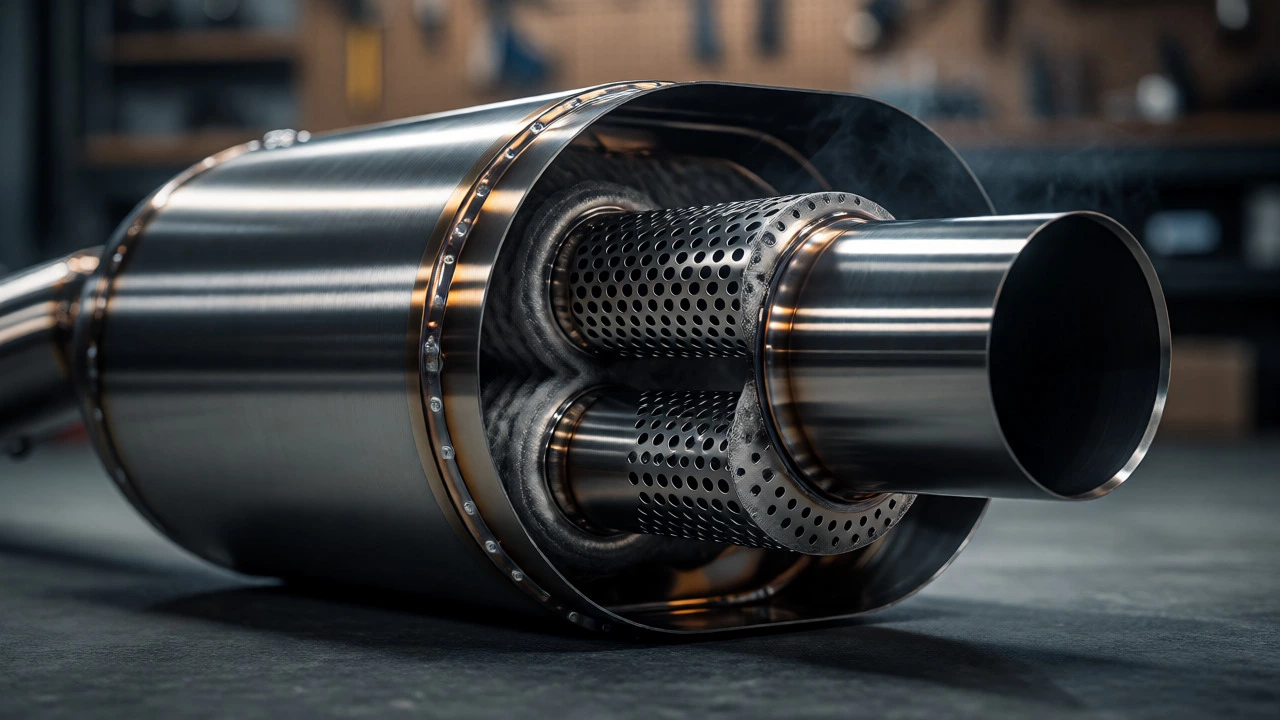
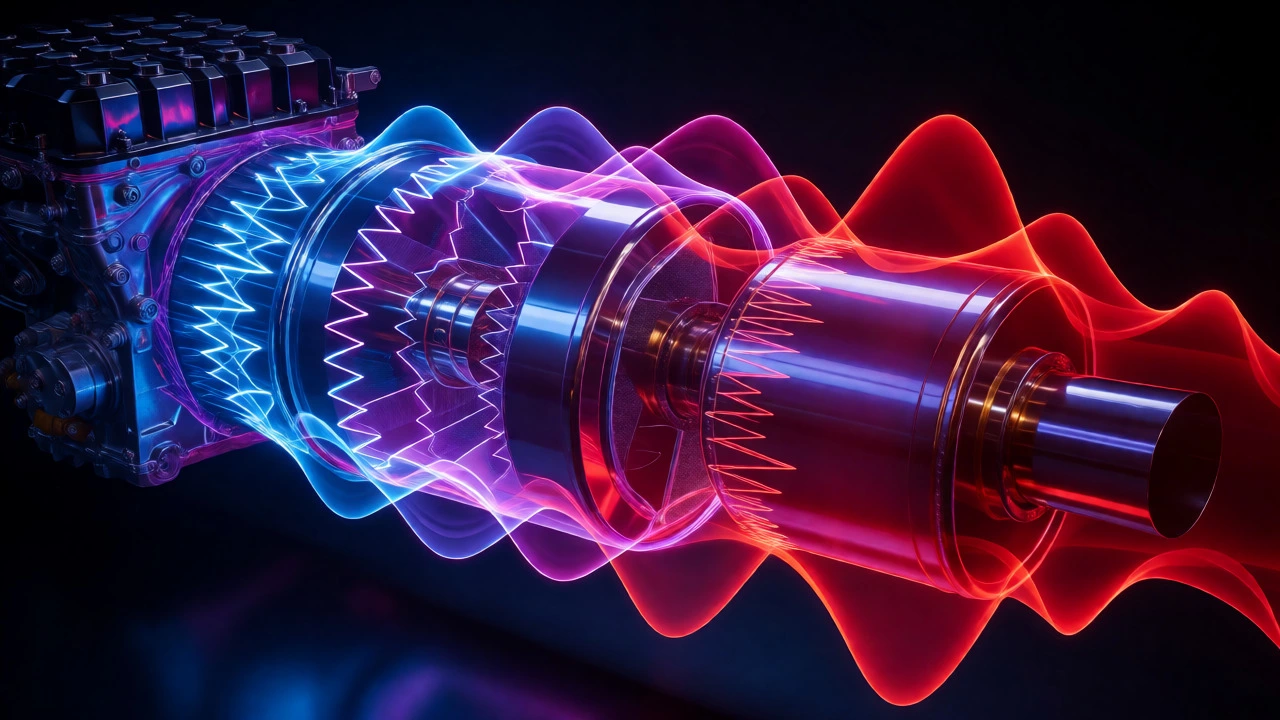
To pick the right sound, you need to understand how a muffler works. It’s not just a pipe; it’s a complex acoustic filter. Inside, baffles, chambers, and perforated tubes reflect sound waves back into themselves. When two sound waves meet out of phase, they cancel each other out. This is destructive interference. That’s how manufacturers tame noise.
Different designs manipulate these waves differently. Some target low-frequency rumbles (the deep bass), while others attack high-pitched droning (the annoying whine). If you remove too much restriction, you might lose torque at lower RPMs because exhaust gases need some backpressure to flow efficiently. But modern designs are smart-they use straight-through paths with minimal restriction while still filtering out specific frequencies. This is why a good performance muffler can make your car sound aggressive but still feel responsive.
Straight-Through Mufflers: The Loud and Aggressive Choice
If you want volume and rawness, look at straight-through mufflers. These units have a single perforated tube running through the center, surrounded by fiberglass packing. Think of them as the open mic nights of the exhaust world. They let everything through-induction roar, turbo spool, and that classic V8 burble.
Brands like Flowmaster and MagnaFlow offer popular models here. The trade-off? Drone. At highway speeds, around 2,500 to 3,500 RPM, many straight-through setups create a hollow, resonant drone inside the cabin. It’s loud, sure, but it can be fatiguing on long drives. If you drive mostly in town or on short blasts, this isn’t a big deal. If you commute an hour each way, you might regret the choice by week two. Also, check local laws. In many UK towns, a decibel limit applies, and a straight-through system often pushes past 95dB, risking an MOT failure or a fine from the police.
Chambered Mufflers: The Balanced Middle Ground
Want power without the headache? Chambered mufflers are the sweet spot for most enthusiasts. Instead of one straight pipe, these use internal chambers separated by plates. As exhaust gases bounce between these chambers, certain frequencies get cancelled out more effectively than others.
Borla is famous for this design. Their systems produce a distinctive "musical" tone-deep, rich, and consistent across the rev range. Unlike straight-through pipes, chambered designs rarely drone. They handle the mid-range frequencies well, smoothing out the harsh edges while keeping the sporty character. This makes them ideal for daily drivers. You get the satisfaction of hearing your engine work when you accelerate hard, but you can still listen to a podcast at cruising speed without shouting over the noise.

Reversal and Turbo Mufflers: Keeping It Quiet and Legal
Not everyone wants to announce their arrival. Sometimes, you just want a cleaner sound than stock, without waking the street. Enter reversal and turbo-style mufflers. These designs force the exhaust gas to change direction multiple times within the casing. Each turn acts as a barrier to sound waves, particularly the higher pitches.
This type is excellent for older cars where rust has eaten the original baffles. It restores a civilized tone without adding significant backpressure. Walker and generic OEM replacements often fall into this category. They are cheap, easy to fit, and usually pass emissions tests easily. However, don’t expect a race-car growl. These are designed to be invisible. If you’re looking for drama, look elsewhere. But if you value peace and quiet, plus a slight improvement in throttle response due to less clogging, this is your ticket.
Material Matters: Stainless Steel vs. Aluminised Steel
Sound isn’t just about shape; it’s about material density and thickness. Thicker walls absorb more vibration and produce a deeper, duller tone. Thin walls ring louder and sharper. Most performance mufflers use stainless steel (typically T304 grade). It’s durable, resists corrosion from road salt (a real issue in Manchester winters), and maintains its acoustic properties over time.
Cheaper aluminised steel mufflers tend to rust faster. As they corrode, holes develop, and the sound gets raspy and uneven. Once the internal baffles rust through, the sound becomes tinny and unpleasant. Investing in stainless steel upfront saves you money and auditory pain later. If you live near the coast or use road salt heavily, skip the budget option. The price difference is small compared to the hassle of replacing a rusty unit in two years.
| Muffler Type | Sound Character | Drone Risk | Best For |
|---|---|---|---|
| Straight-Through | Loud, Raw, Aggressive | High | Weekend Warriors, Muscle Cars |
| Chambered | Deep, Musical, Rich | Low | Daily Drivers, Sport Compacts |
| Turbo/Reversal | Quiet, Smooth, Subtle | Very Low | Commuters, Luxury Vehicles |
| OEM Replacement | Neutral, Factory Standard | None | Restoring Original Spec |
Matching Mufflers to Engine Types
A V6 sounds different from a four-cylinder. A diesel behaves differently from a petrol engine. You must match the muffler to the engine’s natural frequency. Small-displacement turbocharged engines (like the 1.5L EcoBoost) naturally sound buzzy. Putting a loud straight-through muffler on one often amplifies the buzz rather than creating a nice rumble. You’ll just sound like a angry wasp.
For these smaller engines, a chambered or reverse-flow muffler helps deepen the tone. It adds body to the sound. Conversely, large naturally aspirated V8s or inline-sixes benefit from less restriction. They have enough air mass to push through restrictive pipes without choking. Here, a straight-through design shines because it lets the engine breathe freely, enhancing that low-end torque feel. Diesel engines? They are tricky. DPFs (Diesel Particulate Filters) restrict flow already. Adding a loud muffler often just increases drone without making the car sound faster. Stick to quality replacements or mild upgrades for diesels.
Installation Tips to Avoid Regret
Even the best-sounding muffler will fail if installed poorly. First, ensure proper hanger alignment. If the exhaust hangs crookedly, it vibrates against the chassis. This creates rattles that ruin the tone. Use rubber hangers specifically designed for your model, not universal ones that stretch out quickly.
Second, consider the length of the tailpipe. Longer pipes generally produce lower-frequency sounds. Short cut-back tips sound sharper and higher-pitched. If you want a deep rumble, keep the tip length standard or slightly longer. If you want a snappy crackle on overrun, shorter tips help. Finally, seal every joint. Leaks before the muffler introduce air into the system, causing popping and cracking noises that aren’t part of the intended design. Use high-quality gaskets or clamps with silicone seals.
Frequently Asked Questions
Will a louder muffler void my warranty?
Generally, no. Under the Magnuson-Moss Warranty Act (in the US) and similar consumer rights laws in the UK, a dealer cannot void your entire vehicle warranty just because you changed an aftermarket part. However, if the modification causes damage to other components (like a cracked manifold due to excessive backpressure), they won't cover those specific repairs. Always keep receipts and ensure the installation is professional.
Do all loud mufflers cause drone?
No, but many do. Drone occurs when sound waves resonate at a specific frequency inside the cabin, usually during steady highway cruising. High-quality chambered mufflers are engineered to cancel out these specific frequencies. Cheaper straight-through designs often lack this tuning, leading to noticeable drone between 2,000 and 3,000 RPM. Testing the sound before buying, if possible, is the best way to avoid this.
Is a straight-pipe exhaust better than a muffler?
A straight pipe removes the muffler entirely, resulting in maximum volume and weight savings. However, it eliminates all sound dampening. This leads to extreme interior noise and often fails legal decibel limits. While it may add a few horsepower, the loss of comfort and potential legal issues make it unsuitable for most street-driven cars. A high-flow muffler offers a better balance of performance and livability.
How much does a new muffler cost?
Prices vary widely. Basic replacement mufflers start around £50-£100. Mid-range performance brands like MagnaFlow or Walker range from £150 to £300. Premium systems from Borla or Akrapovič can cost £500 to £1,500+. Labor costs add another £50-£150 depending on complexity and whether welding is required versus clamp-on installation.
Can I clean my muffler to restore sound?
Sometimes. If the sound has become muffled or restricted, carbon buildup might be the culprit. Pouring a specialized exhaust cleaner into the fuel tank can help burn off deposits. Physically cleaning the outside doesn't affect internal acoustics. If the internal baffles are rusted or collapsed, cleaning won't help-you'll need a replacement.