Spark Plug Health & Failure Diagnostic Tool
Symptom Checker
Diagnostic Result
Select symptoms above to generate a diagnosis.
Your car starts rough, runs unevenly, or simply refuses to go. You check the fuel, you check the battery, but the culprit is often hiding in plain sight: your spark plugs. These small components are responsible for igniting the air-fuel mixture in your engine cylinders. When they fail prematurely, it’s rarely random. Something is actively shortening their lifespan.
We’ve all seen those recommended replacement intervals on the oil cap-usually between 30,000 and 100,000 miles depending on the type. But what happens when your plugs die at just 15,000 miles? It’s not bad luck. It’s usually a symptom of an underlying issue that needs fixing before you drop money on new parts again.
The Silent Killer: Oil Consumption and Burning
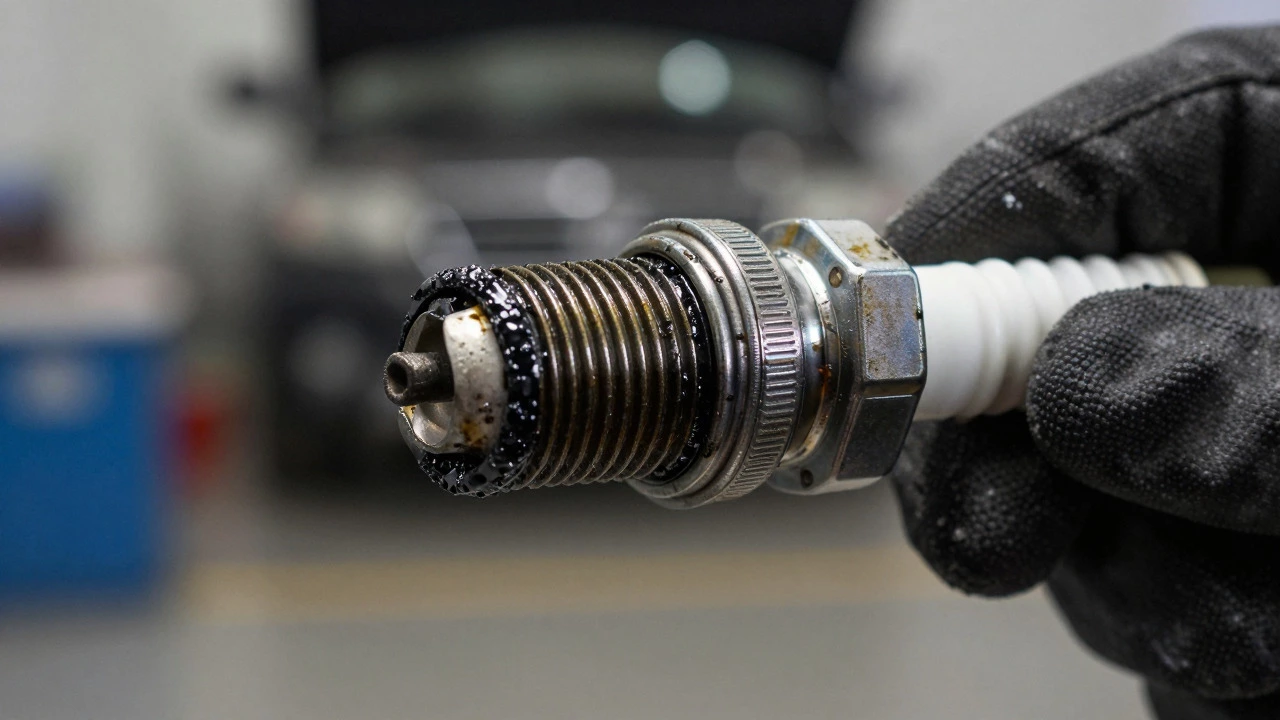
If you pull out a spark plug and it looks like it’s been dipped in black grease, your engine is likely burning oil. This is one of the fastest ways to kill a spark plug. The oil coats the electrode and the insulator nose, creating a conductive path that allows the electrical current to leak away instead of jumping the gap to create a spark.
This condition is often called "fouling." When the plug is fouled with oil, the engine will misfire, especially under load or when cold. Where does this oil come from? In older vehicles, worn piston rings or valve stem seals allow oil from the crankcase to seep into the combustion chamber. In modern direct-injection engines, it can sometimes be due to aggressive cold-start enrichment strategies where extra fuel washes down the cylinder walls, mixing with residual oil.
- Symptom: Black, wet, oily deposits on the plug tip.
- Root Cause: Worn piston rings, faulty PCV valve, or bad valve seals.
- Fix: Address the mechanical leak first; otherwise, new plugs will foul within weeks.
Fuel System Issues: Rich Mixtures and Injector Problems
An engine needs a precise balance of air and fuel-typically around 14.7 parts air to 1 part fuel (the stoichiometric ratio). If your engine is running "rich," meaning there is too much fuel in the mix, the excess gasoline doesn’t burn completely. Instead, it leaves behind unburnt hydrocarbons and soot on the spark plug electrodes.
This carbon buildup acts as an insulator. Unlike oil, which conducts electricity and shorts the spark out, thick carbon deposits prevent the spark from forming entirely because the voltage required to jump the gap becomes too high for the ignition coil to handle.
Why would an engine run rich? A clogged mass airflow sensor (MAF), a stuck-open fuel injector, or a failing oxygen sensor can trick the engine control unit (ECU) into dumping more fuel than necessary. In cars with direct injection, if the injectors aren't atomizing the fuel properly, large droplets hit the cylinder walls and pool around the spark plug area.
- Symptom: Dry, black, sooty powder coating the plug.
- Root Cause: Faulty sensors, leaking injectors, or poor fuel quality.
- Fix: Clean or replace injectors, check MAF and O2 sensors.
Heat Range Mismatch: Running Too Hot or Too Cold
Every spark plug has a "heat range." This number indicates how well the plug dissipates heat from the combustion chamber to the engine cooling system. Choosing the wrong heat range is a common mistake among DIY enthusiasts and even some mechanics.
If you install a plug that is too "cold" for your engine, it won’t get hot enough to burn off minor deposits. Over time, these deposits build up until the plug fails. Conversely, if you use a plug that is too "hot," it retains too much heat. This can lead to pre-ignition, where the glow of the electrode ignites the fuel mixture before the actual spark fires. Pre-ignition causes massive pressure spikes that can melt the electrode tip, crack the ceramic insulator, or even punch holes in your pistons.
High-performance driving, towing heavy loads, or living in extremely hot climates may require a colder plug than stock. Daily city driving with lots of stop-and-go traffic might benefit from a slightly hotter plug to keep itself clean. Always stick to the manufacturer’s specified heat range unless you have modified the engine significantly.
Ignition Coil Failure and Voltage Stress
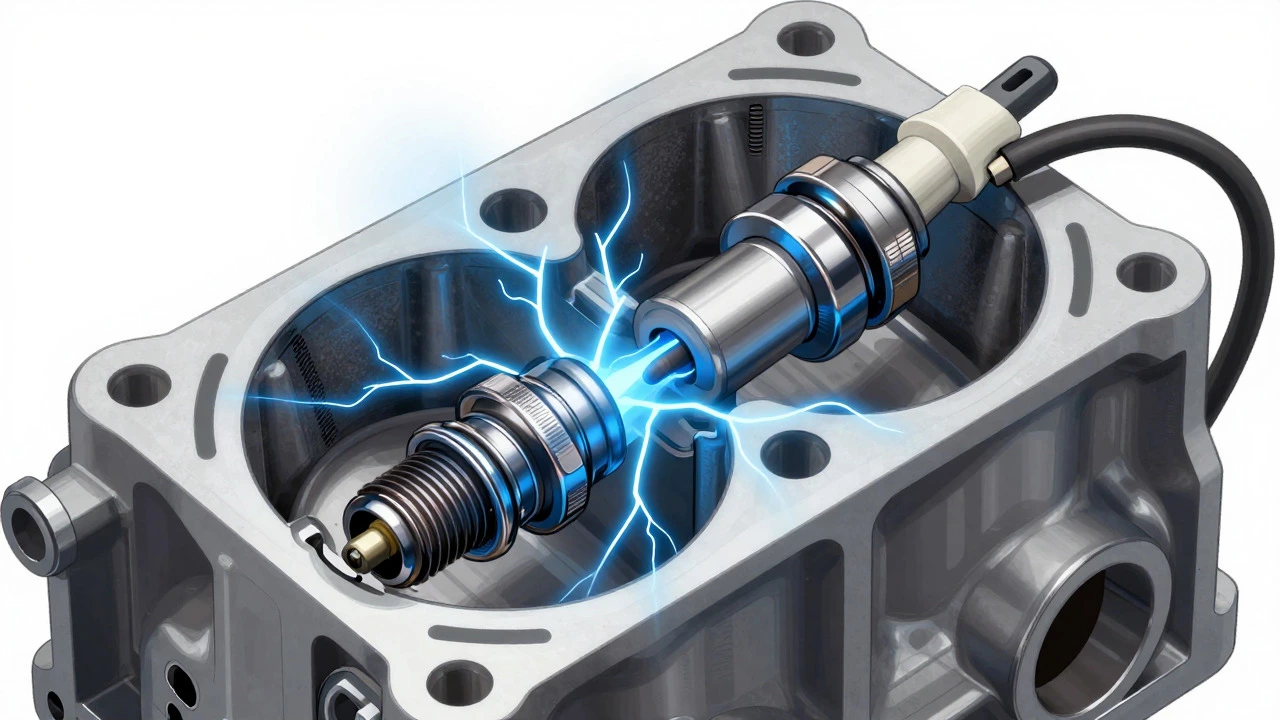
The spark plug doesn’t work alone. It relies on the ignition coil to step up the battery’s 12 volts to anywhere between 20,000 and 100,000 volts. If an ignition coil is weak or failing, it struggles to deliver consistent high-voltage pulses. This puts excessive stress on the spark plug gap.
When the coil can’t maintain the spark across the gap, the arc wanders. This erratic arcing erodes the center and ground electrodes unevenly, widening the gap beyond specifications. Once the gap is too wide, the coil gives up, leading to a misfire code (like P0301-P0308). Interestingly, a failing coil can destroy a perfectly good set of spark plugs in a matter of months by causing localized overheating and erosion.
Always test your coils before blaming the plugs. If you’re replacing plugs due to a misfire, it’s wise to swap coils between cylinders to see if the problem moves with the coil. If it does, the coil is the villain, not the plug.
Driving Habits That Accelerate Wear
How you drive matters more than you might think. While modern engines are robust, certain habits put unnecessary strain on ignition components.
Short trips are particularly harsh. Starting a cold engine requires a richer fuel mixture to ensure reliable ignition. If you only drive short distances, the engine never reaches its optimal operating temperature. This means the spark plugs spend most of their life soaking in a rich, cool environment, promoting carbon buildup and preventing self-cleaning temperatures from being reached.
Similarly, frequent idling or low-speed crawling in traffic doesn’t generate the same combustion pressures and temperatures as highway cruising. Engines designed for high-efficiency operation rely on varied loads to keep internal components clean. If your daily routine consists mostly of stoplights and short errands, consider taking your car on a longer highway drive once a week to help burn off deposits.
Gap Specifications and Installation Errors
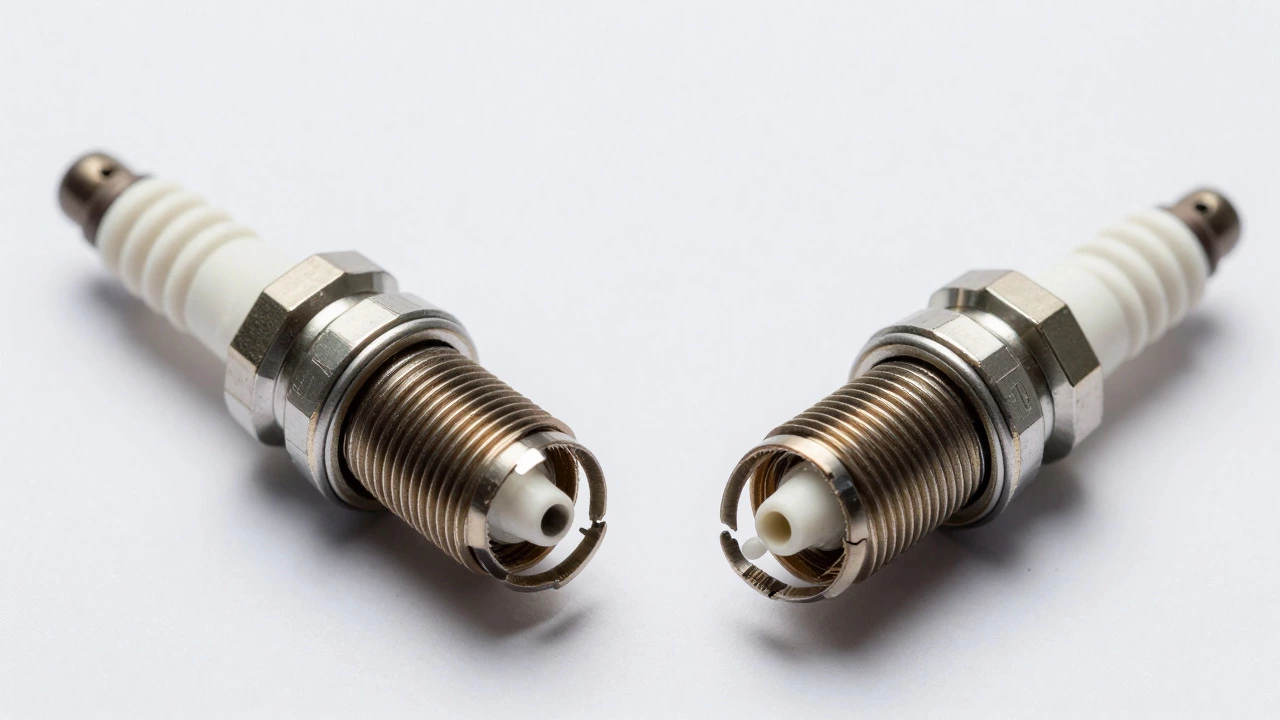
It seems simple, but improper installation is a leading cause of premature failure. The gap-the distance between the center electrode and the ground strap-must be precise. Most standard plugs come pre-gapped from the factory, but they can shift during shipping or handling.
If the gap is too wide, the ignition system has to work harder, leading to higher heat and faster electrode wear. If it’s too narrow, the spark energy is reduced, leading to incomplete combustion and potential fouling. Use a feeler gauge or wire-type gap tool to verify the specification listed in your owner’s manual.
Torque is equally critical. Overtightening a spark plug can stretch the threads in the cylinder head, crack the ceramic insulator, or crush the seat gasket. Undertightening leads to poor heat transfer, causing the plug to overheat and potentially pre-ignite. Always use a torque wrench set to the manufacturer’s specification, typically between 8 and 15 ft-lbs depending on the thread size and material.
| Cause | Visual Sign on Plug | Engine Symptom |
|---|---|---|
| Oil Burning | Black, wet, oily residue | Rough idle, blue smoke from exhaust |
| Rich Fuel Mixture | Dry, black soot | Poor acceleration, raw fuel smell |
| Pre-Ignition/Overheating | White, blistered, or melted electrodes | Knocking/pinging sounds, loss of power |
| Electrode Erosion | Worn, rounded, or widened gap | Misfires under load, hard starting |
| Cracked Insulator | Visible cracks in white ceramic | Severe misfire, possible engine damage |
Material Matters: Copper vs. Iridium
Not all spark plugs are created equal. The material used for the center electrode drastically affects longevity. Standard copper plugs have a soft electrode that erodes quickly, often requiring replacement every 20,000 to 30,000 miles. They are cheap but labor-intensive to replace frequently.
Platinum plugs offer better durability, lasting up to 60,000 miles. Iridium and double-platinum plugs are the gold standard for longevity, often rated for 100,000 miles or more. Iridium is denser and harder than platinum, allowing for a finer center electrode. This finer electrode concentrates the spark energy, improving ignition efficiency and reducing wear. However, even iridium plugs will fail early if subjected to the harsh conditions mentioned above, such as oil burning or severe heat mismatch.
Diagnostic Tips: Reading Your Spark Plugs
Your spark plugs are essentially diagnostic tools. When you remove them for inspection, look closely at the color and condition of the insulator nose. A healthy plug should have a tan or light gray color, indicating proper combustion. The electrodes should be intact with no significant rounding or cracking.
If you notice different conditions on different cylinders, it points to a specific problem with that cylinder. For example, if cylinder 3’s plug is oily while the others are clean, the issue is likely isolated to that cylinder’s valve seal or ring set. If all plugs show similar signs of wear, the problem is systemic, such as a fuel delivery issue or incorrect ignition timing.
Keep a record of your plug inspections. Note the mileage, the condition, and any maintenance performed. This history helps identify trends and prevents recurring issues. Regular inspection, even if not replacing, provides valuable insight into your engine’s health.
How do I know if my spark plugs are dying?
Signs include engine misfires, rough idling, difficulty starting, decreased fuel economy, and lack of acceleration. You may also hear a rattling noise from the engine bay. Checking the plugs visually for wear, fouling, or cracked insulators confirms the diagnosis.
Can bad spark plugs damage the catalytic converter?
Yes. Misfiring spark plugs allow unburnt fuel to enter the exhaust system. This fuel burns inside the catalytic converter, generating excessive heat that can melt the internal honeycomb structure, leading to costly repairs.
Should I clean or replace fouled spark plugs?
In most cases, replacement is better. Cleaning can restore function temporarily, but the underlying cause of fouling remains. Modern plugs are inexpensive compared to the labor cost of cleaning and re-installing, and new plugs ensure optimal performance and gap specifications.
How often should I change spark plugs?
It depends on the type. Copper plugs every 20,000-30,000 miles, platinum every 60,000 miles, and iridium every 100,000 miles. Always consult your vehicle’s owner manual for the manufacturer’s specific recommendation based on your engine design.
Does driving style affect spark plug life?
Yes. Frequent short trips, constant idling, and aggressive high-RPM driving can shorten plug life. Short trips prevent the engine from reaching optimal temperature, leading to carbon buildup. High RPMs increase heat and stress on the electrodes.