Brake Pad Replacement: When, Why, and How to Do It Right
When your brake pad replacement, the process of swapping out worn friction material on your car’s braking system to restore stopping power. Also known as brake pad service, it’s one of the most common yet critical maintenance tasks for any UK driver. Ignoring worn brake pads doesn’t just mean squeaky brakes—it means longer stopping distances, damaged rotors, and potentially dangerous situations in wet or busy traffic.
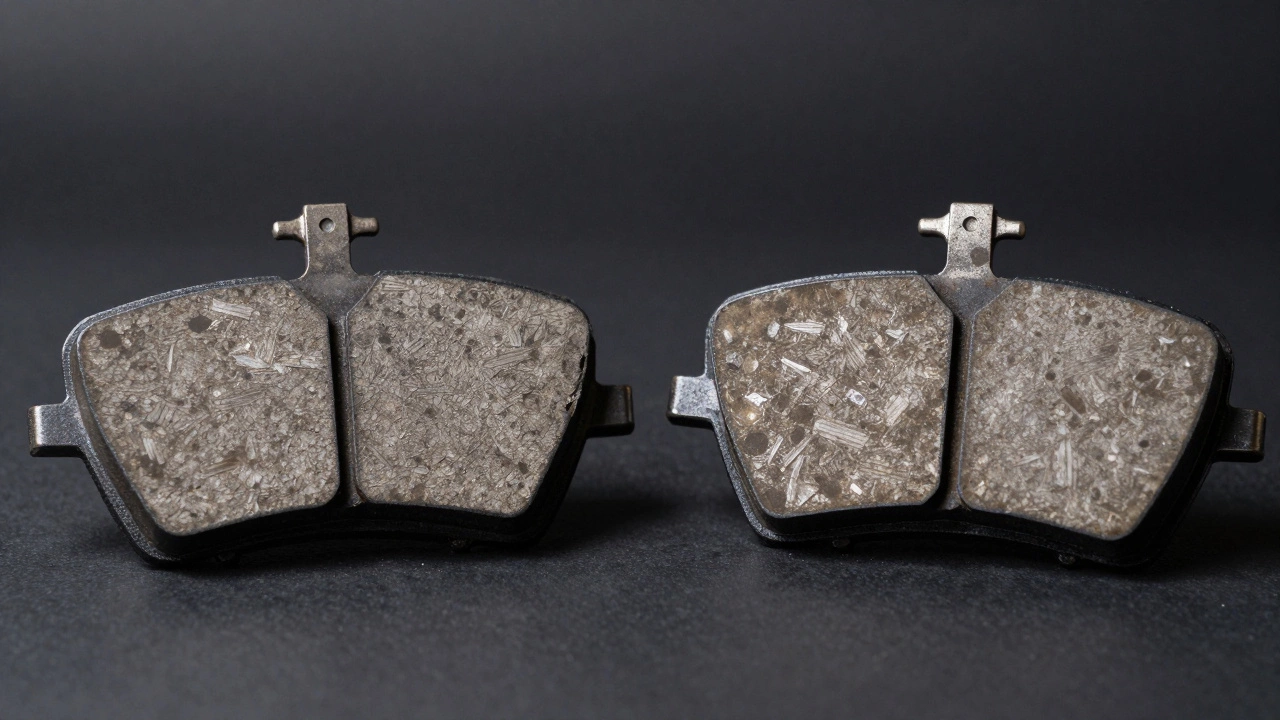
Brake pads worn, the condition where the friction material has thinned below safe levels, often below 3mm. Most drivers don’t notice the gradual decline until they hear a metallic screech or feel the pedal sink closer to the floor. That’s not normal—it’s a warning. Brake pads typically last between 25,000 and 60,000 miles, but in the UK, with its stop-start city driving and frequent rain, many need replacing by 30,000 miles. Your brake pad life, how long the pads remain effective before needing replacement. depends on your driving style, road conditions, and whether you carry heavy loads regularly.
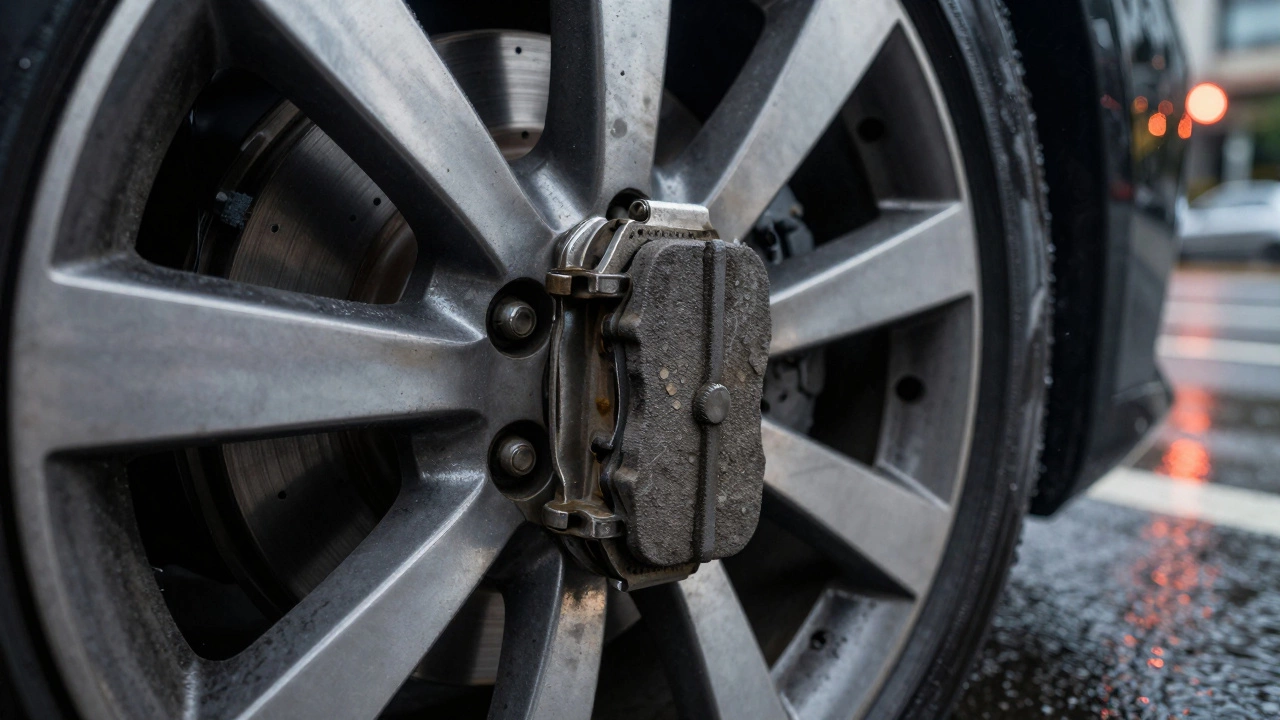
Some people assume brake pad replacement is a job for mechanics only. But DIY brake pads, the act of replacing brake pads yourself using basic tools and a step-by-step guide. is totally doable for most car owners. With a jack, wrench, and a little patience, you can save hundreds compared to garage rates. You’ll also learn exactly how your brakes work—knowledge that helps you spot problems early. Tools like brake pad wear indicators, caliper compressors, and torque wrenches aren’t fancy—they’re practical. And if you’ve ever wondered why your car pulls to one side when braking, or why the pedal vibrates, chances are it’s linked to uneven pad wear or seized calipers.
Brake pad replacement isn’t just about swapping parts. It’s about safety, cost control, and understanding your car’s real needs. The posts below cover everything from how to visually check your pads without lifting the car, to whether premium pads are worth the extra cash, to what happens if you delay the job too long. You’ll find real-world advice from drivers who’ve been there—no fluff, no theory, just what works on UK roads.