Alloy Wheels: What They Are, Why They Matter, and What to Look For
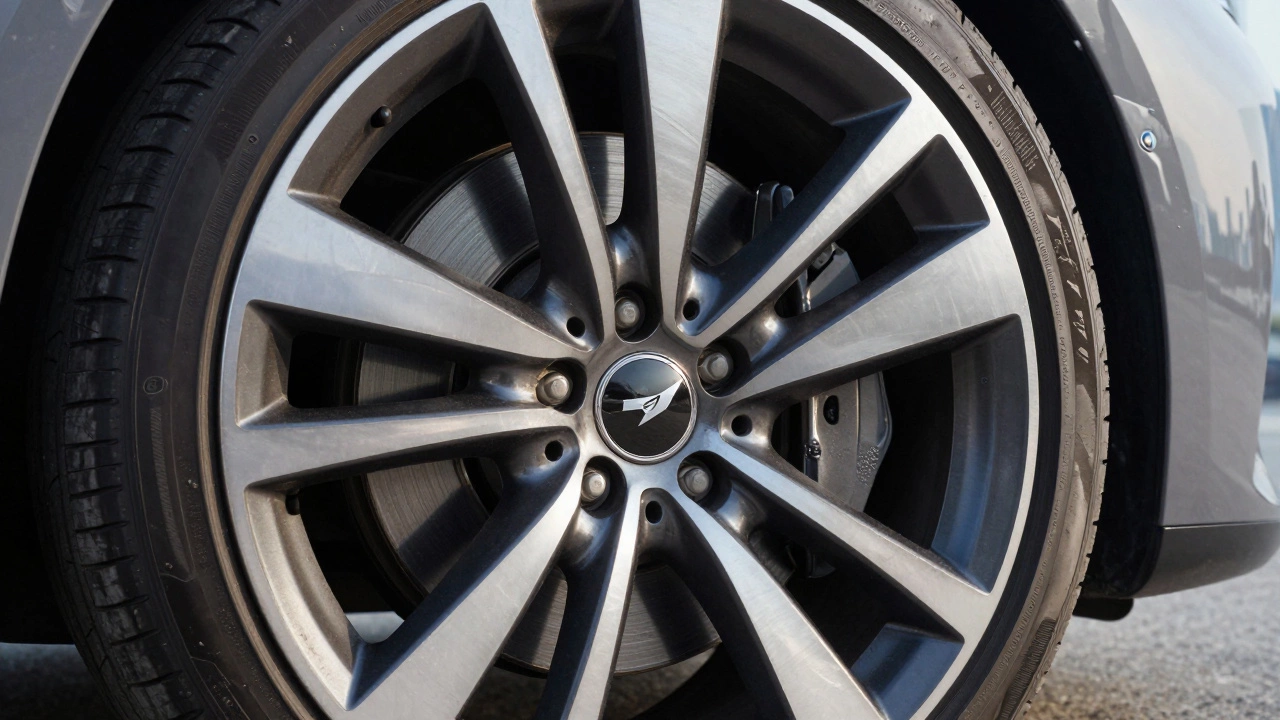
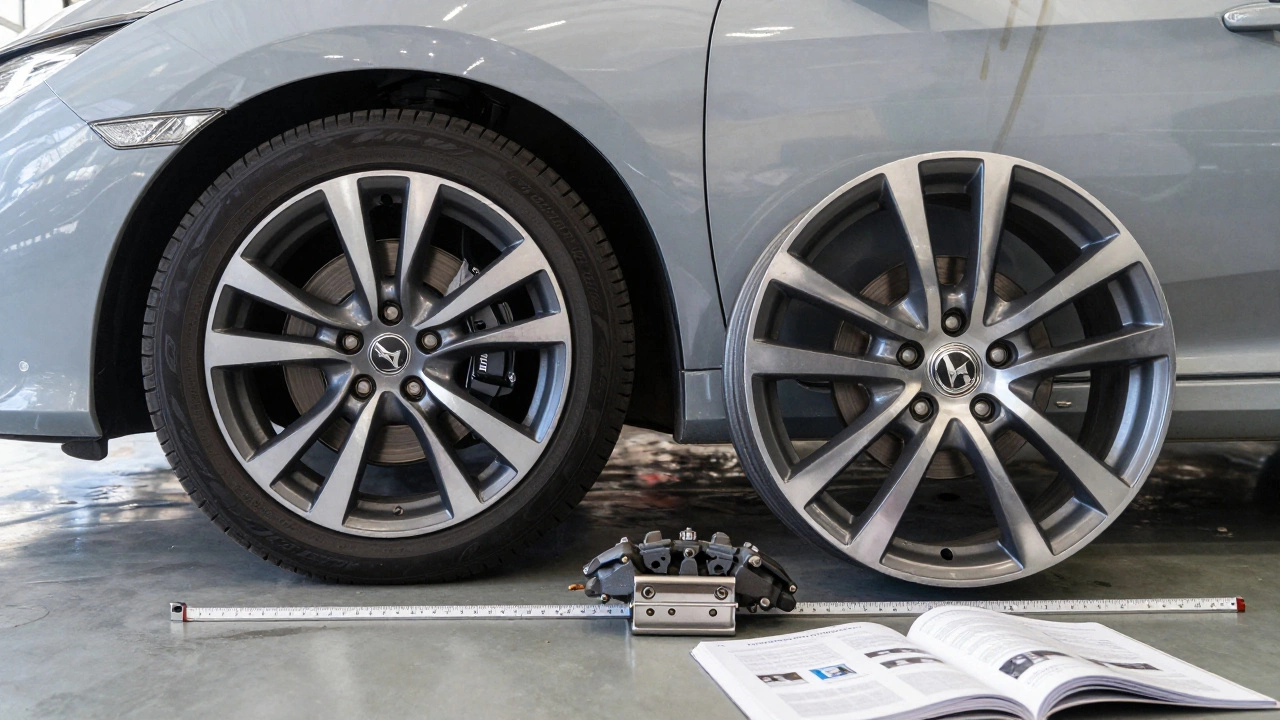
When you see a car with shiny, sleek wheels, you’re likely looking at alloy wheels, lightweight wheels made from aluminum or magnesium alloys that offer better heat dissipation and styling than standard steel wheels. Also known as mag wheels, they’re common on everything from daily drivers to performance cars because they reduce unsprung weight, improve handling, and let brakes run cooler. Unlike heavy steel wheels, alloy wheels are cast or forged to be stronger while using less material—making them more efficient and responsive on the road.
But alloy wheels aren’t just for looks. They directly affect how your car handles bumps, how quickly it stops, and even how much fuel you use. A damaged or poorly maintained wheel can throw off your alignment, cause uneven tire wear, or lead to a blowout. If you’ve ever hit a curb hard and seen a bent or cracked wheel, you know how quickly things go wrong. Wheel repair, the process of straightening or resurfacing damaged alloys to restore function and appearance is often cheaper than replacement, but only if the damage isn’t structural. And if you’re shopping for used wheels at auction, knowing what to inspect—cracks near the spokes, curb rash, or corrosion around the valve stem—can save you from a costly mistake.
Alloy wheels also interact with other parts of your car. A bent wheel can mimic symptoms of bad struts, shock-absorbing components that control bounce and keep tires in contact with the road, making your ride shaky or noisy. It can even cause your brake pads, friction material that clamps down on the rotor to slow the car to wear unevenly because the wheel isn’t spinning true. That’s why checking your wheels is part of any serious maintenance routine—not just a cosmetic task.
Most alloy wheels last 10 years or more if you avoid potholes and clean them regularly. Salt and road grime eat away at the finish, leading to corrosion that can weaken the metal over time. A simple wash with mild soap and a soft brush goes a long way. Avoid harsh cleaners or pressure washers—they strip protective coatings. If you live in a region with harsh winters, consider protective coatings or switching to steel wheels during snow season.
At auction, you’ll find alloy wheels in all conditions: lightly used, refurbished, or outright damaged. Some buyers pick them up to swap onto their own cars, others strip them for parts. Knowing the difference between cosmetic damage and structural failure is key. A small scratch? Fine. A deep crack along a spoke? Walk away. And always match the bolt pattern, center bore, and offset to your car—wrong specs can cause dangerous fitment issues.
Whether you’re looking to upgrade, replace, or just understand what’s on your car, alloy wheels are more than just shiny rims. They’re a critical part of your vehicle’s performance, safety, and value. Below, you’ll find real-world guides on spotting damage, understanding repair options, and making smart choices when buying or selling wheels—no fluff, just what works.