Alloy Wheel Weight Savings Calculator
Calculate Your Weight Savings
See how much lighter alloy wheels can make your car and estimate potential fuel savings
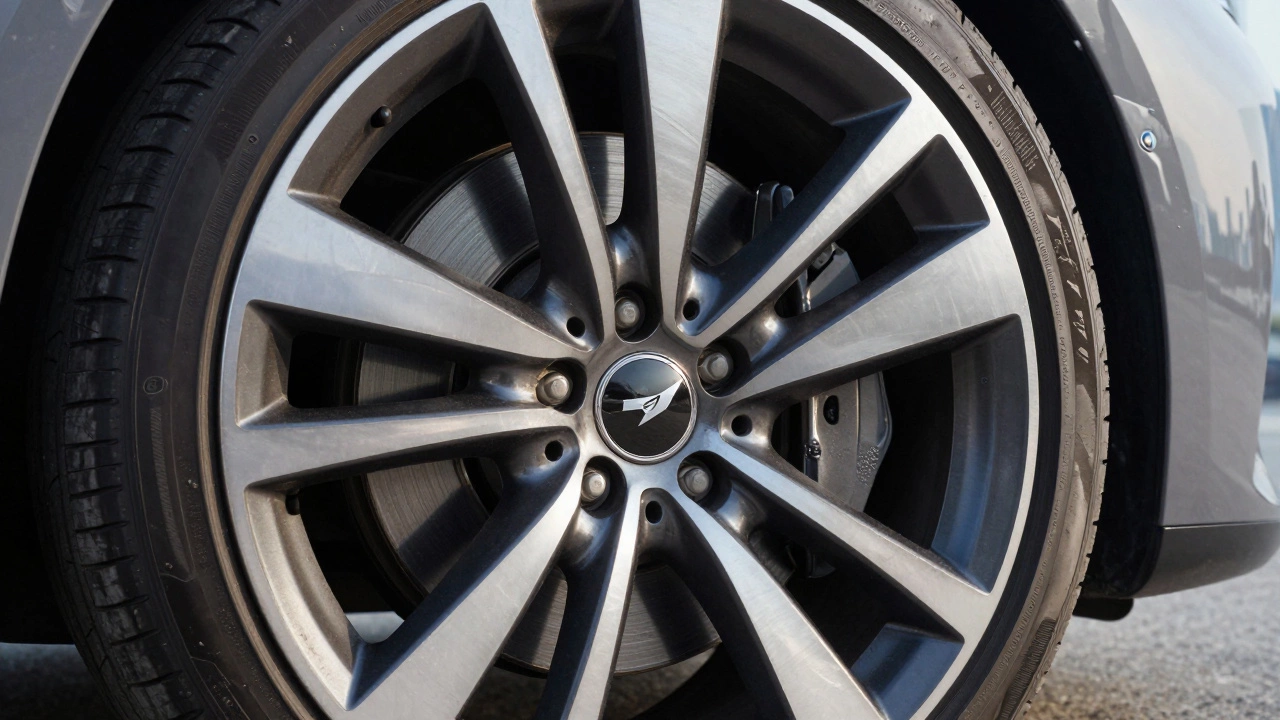
When you look at your car’s wheels, you might notice they’re not just plain steel. Many modern cars come with shiny, lightweight wheels that look more stylish and feel different on the road. These are called alloy wheels. But what does "alloy" actually mean when it comes to wheels? It’s not just a fancy marketing term - it’s a specific type of material with real benefits.
Alloy isn’t one metal - it’s a mix
The word "alloy" doesn’t refer to a single metal. It means a blend of two or more metals, combined to make something stronger, lighter, or more durable than the original parts. In wheels, the most common alloy is made from aluminum and small amounts of other metals like magnesium, nickel, or copper. This mix gives you the best of both worlds: the lightness of aluminum and the strength from the added elements.
Early cars used steel wheels because they were cheap and easy to make. But steel is heavy. That extra weight makes your car harder to accelerate, less fuel-efficient, and slower to stop. Alloy wheels cut down on that weight - sometimes by as much as 30%. That’s why race cars and performance vehicles have used them for decades. Today, even budget models often come with them.
Why do alloy wheels matter?
Lighter wheels don’t just save fuel. They improve how your car handles. Think of it like wearing running shoes instead of heavy boots. The lighter the wheel, the less energy your suspension needs to move it up and down over bumps. That means better grip, quicker steering response, and a smoother ride.
Also, because alloy wheels are cast or forged into detailed shapes, they allow for better airflow around the brakes. That helps cool the brake pads and rotors during hard driving, reducing the chance of brake fade - a dangerous drop in stopping power when brakes overheat. If you’ve ever noticed your brakes feeling spongy after a long downhill drive, it might be because your wheels aren’t helping with cooling.
Alloy vs. steel: what’s the difference?
Here’s a quick side-by-side:
| Feature | Alloy Wheels | Steel Wheels |
|---|---|---|
| Material | Aluminum + magnesium alloy | Pressed steel |
| Weight | 20-30% lighter | Heavier |
| Strength | High tensile strength | Good, but bends easier |
| Heat dissipation | Excellent - helps cool brakes | Poor - traps heat |
| Aesthetics | Polished, styled, custom designs | Plain, usually covered by hubcaps |
| Cost | More expensive upfront | Cheap to replace |
Steel wheels still have their place. They’re tougher when it comes to potholes and rough roads. If you drive in winter conditions or rural areas with bad surfaces, steel wheels might be more practical. But for most drivers, especially in cities or on highways, alloy wheels offer clear advantages.
Are all alloy wheels the same?
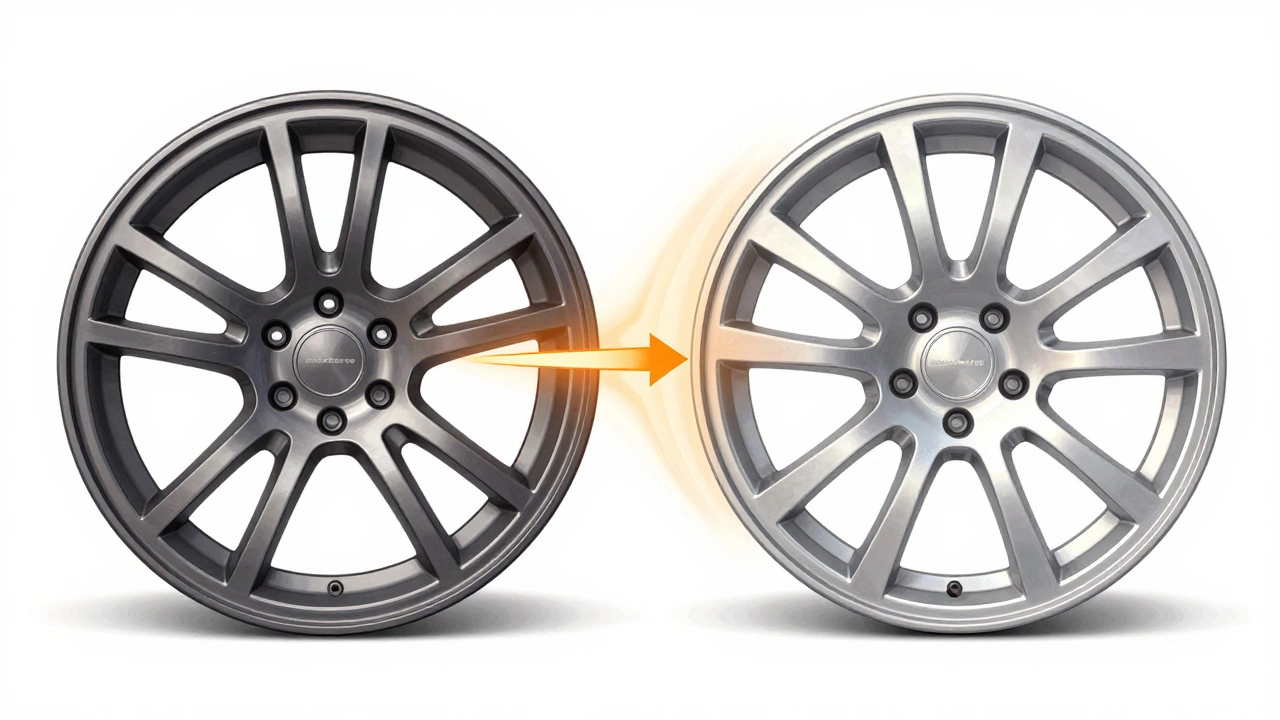
No. There are two main types: cast and forged.
Cast alloy wheels are made by pouring molten metal into a mold. They’re the most common type you’ll see on regular cars. They’re affordable, come in many designs, and are strong enough for daily driving. Most factory-installed alloy wheels are cast.
Forged alloy wheels are made by squeezing a solid block of metal under extreme pressure. This process makes them much stronger and lighter than cast wheels - sometimes up to 40% lighter. They’re used in high-end sports cars, racing, and performance tuning. But they cost two to three times more. You won’t find them on a basic hatchback unless someone upgraded them.
Some people think "alloy" means "lightweight" or "premium," but that’s not always true. A cheap cast alloy wheel might look flashy but perform no better than a steel wheel. What matters is the material composition and how it was made.
Do alloy wheels need special care?
Yes. Because they’re often polished or painted, they can get damaged more easily than steel. Road salt in winter, brake dust buildup, and curb scrapes can leave marks or corrosion. You don’t need to baby them, but regular cleaning helps.
Use a soft brush and mild soap - not harsh wheel cleaners or acid-based products. Those can eat away at the finish. If you live in a place with snowy winters (like Manchester), rinse your wheels after heavy snow to remove salt. And avoid hitting curbs hard. Even a small dent in an alloy wheel can lead to a slow air leak or a bent rim that’s expensive to fix.
Some alloys are coated with a clear protective layer. That helps, but it’s not bulletproof. A good rule of thumb: if you can see the metal underneath the paint or polish, it’s time to get it repaired before rust sets in.
Can you replace steel wheels with alloy wheels?
Yes - and many people do. It’s one of the most popular upgrades for older cars. But it’s not as simple as just buying any set of alloy wheels. You need to match the:
- P.C.D. (Pitch Circle Diameter) - the bolt pattern
- Offset - how far the wheel sits in or out from the hub
- Diameter and width - must fit your tire size and fender clearance
- Load rating - must handle your car’s weight
Going too wide or too low-profile can ruin your ride quality and even damage suspension parts. Always check your car’s manual or use a reputable wheel fitment guide. A professional tire shop can help you pick the right size.

Do alloy wheels improve resale value?
Absolutely. A car with original alloy wheels often sells faster and for more money than one with plain steel wheels. Buyers notice them. They signal that the car has been cared for and isn’t just a basic model. Even if the alloys aren’t brand new, they add a perception of quality.
On the flip side, if you’re selling a car and the alloys are cracked, heavily scratched, or corroded, it can hurt the price. A good clean and minor repair can make a big difference. Many shops offer refurbishment services - sanding, repainting, and polishing - for under £150 per wheel. That’s far cheaper than replacing them entirely.
What about electric cars?
Electric vehicles (EVs) are heavier than gas cars because of their large battery packs. That makes weight savings even more important. Most EVs come with alloy wheels as standard - sometimes even specially designed ones to reduce rolling resistance and improve range.
Some EVs use wider, low-profile alloy wheels for better grip. Others use lighter, aerodynamic designs to squeeze out every extra mile. The trend is clear: alloy wheels aren’t just about looks anymore. They’re a key part of efficiency.
Final thoughts
"Alloy" in wheels means a smart mix of metals designed to make your car lighter, faster, and more responsive. It’s not magic - it’s science. And while they cost more upfront, the benefits in performance, fuel economy, and appearance add up over time.
If you’re thinking about upgrading, don’t just go for the shiniest ones. Look for quality, fit, and durability. And if you already have them, take care of them. A clean, undamaged alloy wheel isn’t just a style statement - it’s a sign of a well-maintained car.
Are alloy wheels better than steel wheels?
Yes, for most drivers. Alloy wheels are lighter, improve handling and fuel efficiency, help cool brakes, and look better. But steel wheels are tougher on rough roads and cheaper to replace. The choice depends on your driving habits and budget.
Can alloy wheels be repaired if they’re damaged?
Yes, many minor bends, scratches, and curb rash can be fixed. Professional wheel repair shops can straighten bent rims, fill cracks, sand down damage, and repaint or re-polish the surface. It’s often much cheaper than buying new. Just avoid driving on a severely damaged wheel - it can cause tire leaks or even blowouts.
Do alloy wheels affect tire wear?
They can, but not directly. Lighter alloy wheels reduce unsprung weight, which helps tires maintain better contact with the road. This can lead to more even tread wear over time. However, if the wheel is out of balance or misaligned, it will cause uneven wear - same as with steel wheels. Proper installation and balancing are key.
Are all alloy wheels made of aluminum?
Most are, but not all. The term "alloy" means a mixture, and while aluminum is the base in over 95% of car wheels, some high-performance wheels use magnesium or even titanium blends. These are rare and expensive. For everyday driving, aluminum-based alloys are the standard.
Why do alloy wheels cost more than steel wheels?
The materials and manufacturing process are more complex. Aluminum alloys are more expensive than steel, and casting or forging them requires more energy and precision. Steel wheels are stamped from flat sheets - a fast, low-cost method. Alloy wheels involve molds, heat treatment, and finishing, which adds to the cost.