Car Air Filter Advisor
Answer the questions below to find out which air filter type suits your lifestyle and vehicle best.
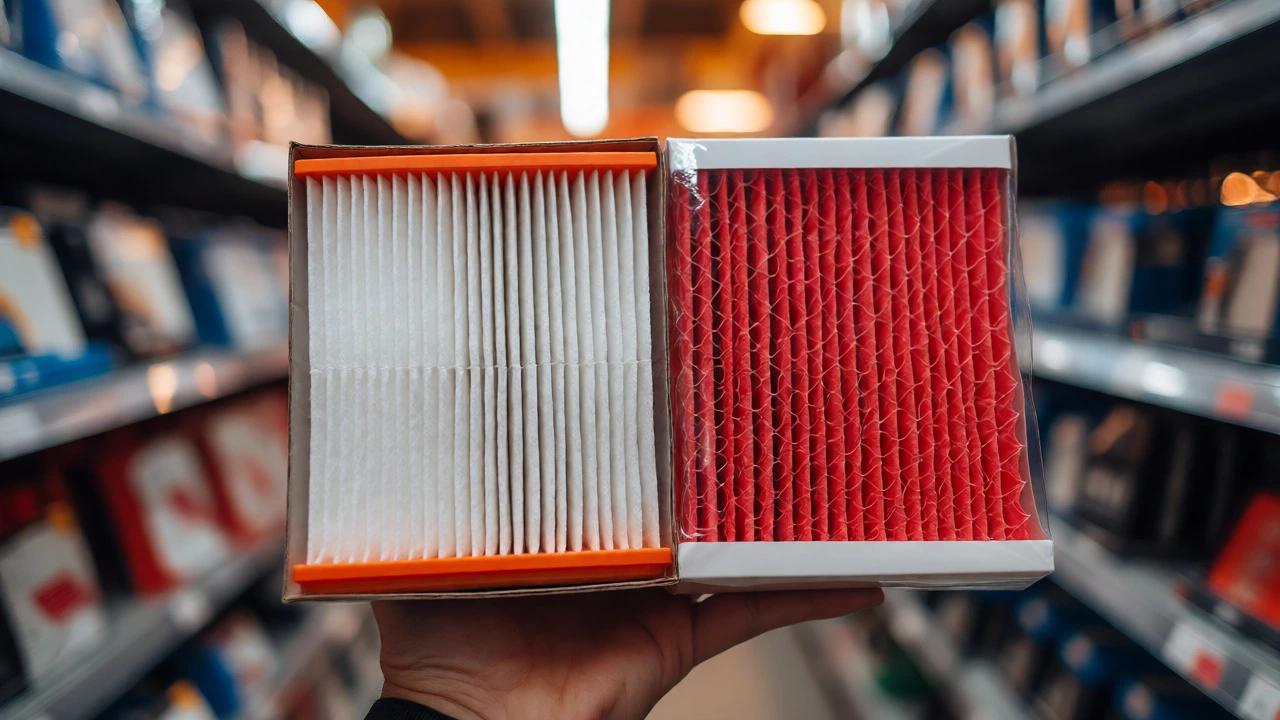
You’re standing in the auto parts aisle, holding two boxes that look deceptively similar. One says "OEM Replacement," the other boasts "High-Flow, Lifetime Guarantee." You’ve heard your buddy swear by his washable setup, but you also remember reading somewhere that they might let more dirt into your engine. So, which one actually wins? The answer isn't just about saving money at checkout; it’s about how you drive and what you value more: peak horsepower or long-term engine health.
Most drivers never think about the air filter until the check-engine light pops on or fuel economy drops. But this small component dictates how much oxygen gets mixed with fuel. Get it wrong, and you risk either starving your engine of power or clogging its lungs with dust. Let’s break down the real differences between standard paper filters and modern washable options so you can stop guessing and start driving smarter.
The Case for Standard Paper Filters
If you bought a new Toyota Camry or Ford F-150 recently, it likely came from the factory with a paper air filter. These are made from pleated cellulose fibers treated with resin to stiffen them up. They are cheap-often under $20-and incredibly effective at trapping tiny particles.
Why do manufacturers stick with them? Simplicity and reliability. A paper filter is a "set it and forget it" solution. When it gets dirty, you throw it away and put in a new one. There’s no cleaning routine, no special oils, and no risk of human error during maintenance. For daily commuters who want zero hassle, this is hard to beat.
However, they have limits. As the filter loads up with dust, airflow restricts slightly. In extreme off-road conditions or high-performance scenarios, this restriction can hurt throttle response. But for 95% of street driving, the efficiency loss is negligible compared to the cost savings and safety margin.
How Washable Filters Actually Work
Washable air filters, often associated with brands like K&N or BMC, use a different material. Instead of paper, they typically use layered cotton gauze or synthetic mesh coated with a thin layer of oil. This design allows more air to pass through because the fibers aren’t as dense as paper.
The promise here is twofold: increased airflow and reusability. Proponents claim these filters can last up to 50,000 miles before needing a deep clean. That sounds great until you realize the maintenance isn't just "rinse and dry." It involves specific cleaning solvents, drying times (sometimes overnight), and re-oiling. If you skip the oiling step, the filter loses its ability to trap dust. If you over-oil it, you risk fouling your Mass Air Flow (MAF) sensor, which leads to expensive repairs.
Think of a washable filter like a reusable grocery bag. It’s better for the environment if you use it correctly, but if you leave it wet in the trunk or forget to wash it after carrying raw chicken, it becomes a problem faster than a single-use plastic bag ever would.
Filtration Efficiency: The Hidden Danger
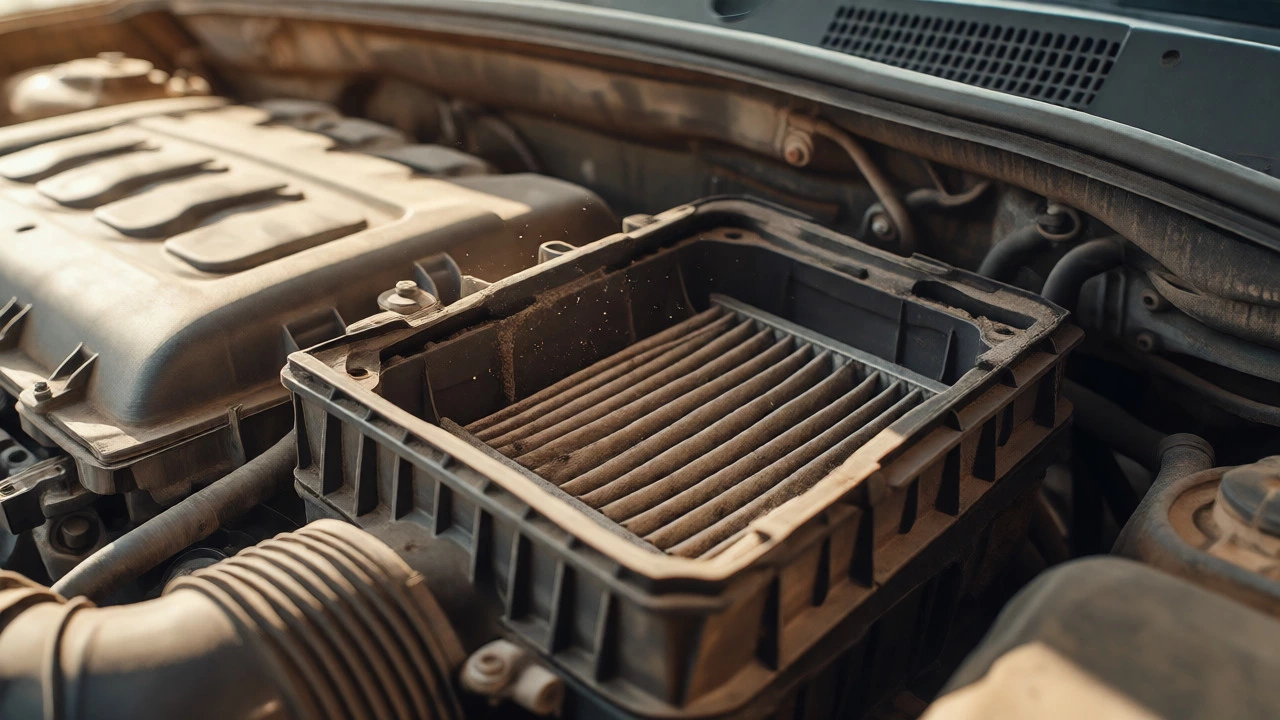
This is where things get technical, but stay with me-it matters. Filtration efficiency measures what percentage of contaminants the filter stops. High-quality paper filters often achieve 99%+ efficiency on particles as small as 5 microns. Cotton gauze filters usually sit around 98-99%, but their efficiency drops as they load up with dirt unless meticulously maintained.
| Attribute | Paper Filter | Washable Filter |
|---|---|---|
| Initial Cost | $15 - $30 | $45 - $70 |
| Lifespan | 15,000 - 30,000 miles | Up to 50,000 miles (with care) |
| Maintenance Effort | Low (Replace only) | High (Clean & Re-oil) |
| Dust Holding Capacity | Lower per cycle | Higher per cycle |
| Risk of MAF Sensor Damage | Negligible | Moderate (if over-oiled) |
One common myth is that washable filters always let more dirt in. Modern multi-layer designs have closed this gap significantly. However, the variable factor is user discipline. A neglected washable filter is worse than a fresh paper filter. If you drive in dusty rural areas, sand, or construction zones, paper filters provide a consistent barrier that doesn’t rely on your memory to work.
Performance Gains: Real or Hype?
Will swapping to a washable filter add 10 horsepower to your family sedan? Probably not. Dyno tests on stock vehicles often show gains of 1-3 horsepower at best, sometimes within the margin of error. Why? Because most cars are electronically limited or have other bottlenecks in the intake system before the air reaches the cylinders.
Where washable filters shine is in modified engines or naturally aspirated sports cars. If you’ve upgraded your exhaust, tuned your ECU, or added cold air intakes, removing the restriction of a paper filter helps the engine breathe. In these cases, the smoother airflow provided by the open weave of cotton gauze can improve throttle response and sound. For a standard commuter car, however, you’re paying extra for a performance benefit you likely won’t feel.

Cost Analysis Over Time
Let’s do the math. A paper filter costs $20 and lasts 20,000 miles. Over 100,000 miles, you buy five filters. Total cost: $100.
A washable filter costs $60 upfront. Cleaning kits run about $10-$15 each time. If you clean it every 15,000 miles, you’ll do six cleans over 100,000 miles. Plus the initial purchase. Total cost: roughly $120-$150. Wait, didn’t we say it saves money? Only if you extend the cleaning intervals aggressively, which risks engine wear. Or, if you keep the car forever, the amortized cost drops. But for the average person selling their car every 5-7 years, the savings are minimal, especially when factoring in the time spent cleaning.
Consider the hidden cost too: potential MAF sensor replacement. If improper cleaning damages that sensor, you’re looking at a $150-$300 repair bill. Suddenly, the "savings" vanish.
Which Should You Choose?
It comes down to your profile as a driver.
- Choose Paper If: You want simplicity, drive mostly in city/suburban conditions, have a warranty-sensitive vehicle, or don’t enjoy DIY maintenance tasks. It’s the safe, default choice for a reason.
- Choose Washable If: You modify your car, track day regularly, live in an area with low dust, and genuinely enjoy maintaining your vehicle. The slight performance edge and environmental reduction of waste appeal to enthusiasts.
There is no universally "better" option. There is only the option that fits your lifestyle. If you buy a washable filter, commit to the maintenance schedule. Treat it like a piece of equipment, not a disposable part. If you stick with paper, change it on schedule and sleep easy knowing your engine is protected.
Do washable air filters void my car warranty?
Generally, no. Under the Magnuson-Moss Warranty Act in the US, dealers cannot void your warranty simply because you used an aftermarket part, unless they can prove that specific part caused the failure. However, if a poorly maintained washable filter causes engine damage due to excessive dust ingestion, they may deny that specific claim.
Can I clean a paper air filter instead of replacing it?
You can blow compressed air through a paper filter to remove large debris, but this does not restore filtration efficiency. The microscopic pores remain clogged. It’s a temporary fix for emergencies, not a substitute for replacement. Never wash a paper filter with water or soap, as it will disintegrate.
How often should I clean a washable air filter?
Manufacturer recommendations vary, but a good rule of thumb is every 15,000 to 30,000 miles, or sooner if you drive in dusty conditions. Inspect it visually every oil change. If it looks grey or has visible dirt buildup, clean it immediately regardless of mileage.
Does a dirty air filter really affect gas mileage?
In older carbureted cars, yes, significantly. In modern fuel-injected vehicles, the computer adjusts fuel delivery to compensate for restricted airflow, so the impact on MPG is minor (often less than 1%). However, a severely clogged filter can reduce acceleration and strain the engine, leading to inefficient driving patterns.
Are K&N filters worth the money?
For stock daily drivers, probably not. The performance gain is marginal, and the maintenance effort outweighs the cost savings for most people. For modified cars or enthusiasts who value throttle response and reduced waste, they offer tangible benefits that justify the higher upfront price.