Suspension Softness Calculator
Step 1: Select Vehicle Type
Step 2: Check Current Ride Feel
Step 3: Current Tire Pressure
If your car feels like it’s bouncing over every crack in the road, or you’re wincing every time you hit a speed bump, your suspension is too stiff. A harsh ride isn’t just uncomfortable-it can wear out your body, tire out your patience, and even damage other parts of your car over time. The good news? Making your suspension softer doesn’t always mean buying expensive parts. Sometimes, it’s just about adjusting what’s already there.
Understand How Suspension Works
Your car’s suspension system isn’t one part-it’s a team. Springs hold up the weight of the car. Shock absorbers (or dampers) control how fast the springs bounce back. Struts combine both in one unit. Together, they smooth out bumps and keep your tires on the road. If any part of this system is too stiff, the whole ride suffers.
Factory suspensions are often tuned for handling, not comfort. Sport models, performance packages, or even aftermarket upgrades can make things worse. You might’ve bought a car thinking it’d handle well on twisty roads, but now you realize you mostly drive on potholed city streets. That’s where softening the suspension makes sense.
Check Your Tire Pressure First
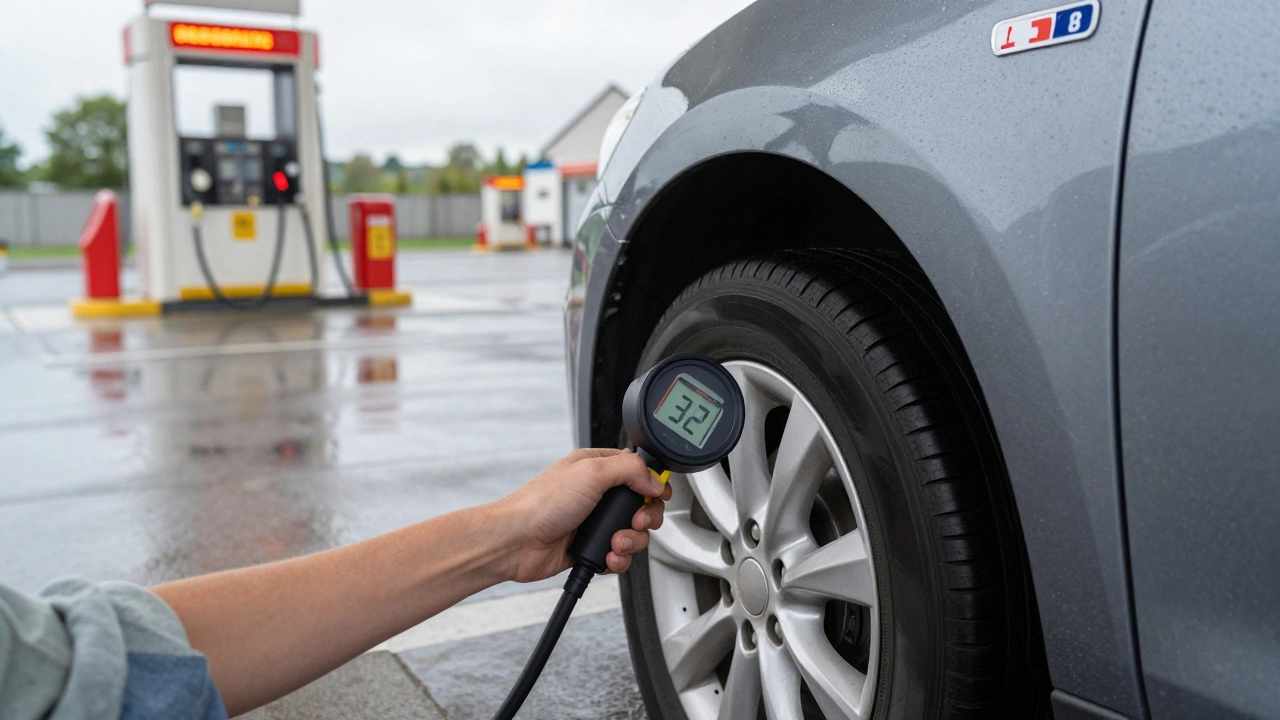
Before you touch any suspension parts, check your tire pressure. Overinflated tires are one of the most common reasons for a harsh ride. Many drivers pump their tires to the max pressure listed on the sidewall, thinking it’ll improve fuel economy or handling. But that number is the tire’s maximum safe limit-not the ideal pressure for daily driving.
Look for the recommended pressure on the sticker inside your driver’s door jamb or in your owner’s manual. It’s usually between 30 and 35 psi for most passenger cars. Lowering your tire pressure by 2-4 psi from the max can make a noticeable difference. You’ll feel more cushioning over bumps, and your tires will wear more evenly. Just don’t go below the minimum recommended pressure-it affects steering and fuel efficiency.
Swap Out Stiff Shock Absorbers
Shock absorbers are the main control unit in your suspension. They turn spring energy into heat, stopping the bounce. If they’re worn out or too stiff, your ride gets bouncy and jarring.
Factory shocks are often designed for durability, not comfort. After 60,000-80,000 miles, they lose their ability to dampen smoothly. If your car is older and the ride has gotten worse over time, worn shocks are likely the culprit.
Replace them with comfort-oriented shocks. Brands like Monroe Sensa-Trac, KYB Excel-G, or Bilstein B4 are known for a smoother ride than performance models like KYB Gas-A-Just or Bilstein B6. Don’t assume higher price means better ride-many performance shocks are stiffer by design. Look for models labeled “comfort,” “touring,” or “premium ride.”
Consider Softer Springs
Springs carry the weight of your car. If they’re too stiff, they don’t compress enough over bumps, transferring all the impact to your body. Factory springs are often stiffer than needed for normal driving, especially on cars with sport packages.
Switching to softer springs can help, but it’s not always simple. Lowering springs, for example, are designed to reduce ride height and improve handling-they’re usually stiffer. You want springs with a lower spring rate, measured in Newtons per millimeter (N/mm). A typical family sedan might have springs around 200-250 N/mm. For a softer ride, look for 160-190 N/mm.
Coilovers let you adjust ride height and stiffness, but most are tuned for performance. Stick to passive springs designed for comfort. Brands like Eibach Pro-Kit (Comfort version) or H&R Sport Springs (soft variant) offer options that reduce stiffness without sacrificing safety.
Upgrade Your Bushings
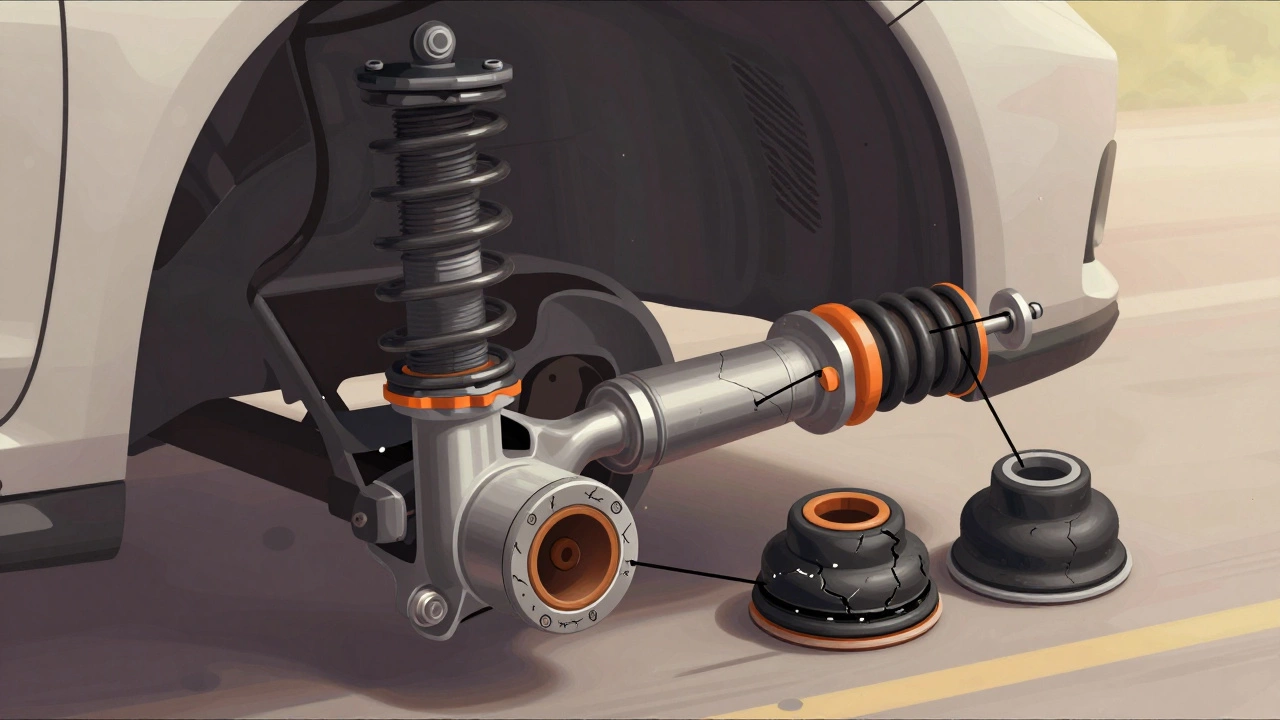
Every suspension part connects to the car’s frame with rubber or polyurethane bushings. Over time, rubber hardens and cracks. When that happens, it stops absorbing vibrations. Instead of smoothing out bumps, the suspension transmits them directly into the chassis.
Replace worn bushings with new rubber ones. Avoid polyurethane unless you’re racing or towing heavy loads. Poly bushings are durable but transmit more noise and vibration. Rubber bushings flex more, absorbing small impacts before they reach your seat.
Check the control arm bushings, sway bar links, and shock mounts. These are the most common wear points. A set of replacement bushings costs under £100 and can make your ride feel noticeably smoother.
Add Weight to the Trunk (If Needed)
Here’s a trick that works surprisingly well: add a little extra weight in the back. Many cars, especially sedans and hatchbacks, are designed with the engine up front. That means the rear suspension doesn’t get enough load to work properly. A light load can make the rear end feel bouncy and disconnected.
Try placing a 20-30 kg bag of sand or a spare tire in the trunk. Don’t overdo it-this isn’t about lowering the car. It’s about giving the rear shocks something to work against. If the ride improves, you’ve confirmed your rear suspension is underloaded. You can keep the weight in permanently if you regularly carry passengers or cargo in the back.
Don’t Use Aftermarket Performance Parts
Many people think upgrading suspension means getting stiffer, lower parts. That’s true for track cars. But if your goal is comfort, avoid anything marketed as “sport,” “performance,” or “aggressive.”
Lowering springs, coilovers with adjustable damping, and stiffer sway bars all make the ride harsher. They reduce body roll, which sounds good on paper-but in real life, they turn every bump into a jolt. Stick to parts designed for daily driving. If a product’s description mentions “track use” or “racing,” skip it.
Get an Alignment Check
A misaligned suspension doesn’t just cause uneven tire wear-it can make your ride feel twitchy and harsh. If your car pulls to one side, or your tires are wearing faster on the inside or outside edges, your alignment is off.
Even a slight misalignment can force the suspension to work harder to keep the car stable. That extra effort translates into a rougher ride. A proper four-wheel alignment costs around £50-£80 in the UK and can restore smoothness without changing any parts.
Test Before You Buy
Not all “comfort” shocks are the same. What works for a Toyota Corolla might not suit a Ford Focus. Before buying new parts, ask if the shop offers test drives or return policies. Some suppliers let you try parts for a week. If the ride doesn’t improve, return them.
Also, talk to other drivers with your exact car model. Forums like UK Car Forums or Reddit’s r/CarsUK are full of real-world advice. Someone else has probably already tried the same upgrade and can tell you if it’s worth it.

What Not to Do
Don’t cut coils off your springs. It’s a cheap trick people try to lower the car, but it makes the suspension dangerously stiff. You’ll lose travel, risk bottoming out, and damage your shocks or tires.
Don’t install air suspension unless you’re prepared for maintenance. Air bags leak, compressors fail, and the system needs regular checks. It’s not a plug-and-play comfort fix.
Don’t ignore worn parts. Replacing just one shock absorber can create imbalance. Always replace shocks and struts in pairs-or better yet, all four at once.
Expected Results
After making these changes, you should notice:
- Less bouncing over speed bumps and potholes
- Reduced noise and vibration through the steering wheel and floor
- More control when driving over uneven surfaces
- Less fatigue on long drives
You won’t turn your car into a luxury sedan, but you can make it feel significantly more relaxed. A soft suspension doesn’t mean sloppy handling-it means the car absorbs the road instead of fighting it.
When to Call a Professional
If you’re not comfortable lifting the car, removing wheels, or working with springs (which can store dangerous energy), hire a mechanic. Suspension work requires proper tools and safety gear. A good garage can diagnose the issue in under an hour and recommend the right parts.
Look for shops that specialize in suspension or ride comfort. Chain garages often push expensive upgrades. Independent specialists who work on family cars know what actually improves daily driving.
Can I soften my suspension without spending money?
Yes. Start by checking your tire pressure and lowering it slightly (2-4 psi below max). Also, check for worn bushings-if they’re cracked or hard, replacing them with rubber ones can help. Adding a little weight to the trunk can also improve rear ride quality. These cost little or nothing and often make a big difference.
How do I know if my shocks are worn out?
Do the bounce test: push down firmly on each corner of the car and let go. If it bounces more than once or twice, the shocks are likely worn. Also, look for oil leaks on the shock body, uneven tire wear, or a feeling that the car floats over bumps. Most shocks last 60,000-80,000 miles.
Will softer suspension affect handling?
Slightly softer suspension will reduce body roll in sharp turns, but for everyday driving, the difference is minimal. Most people won’t notice a loss in cornering grip unless they’re driving aggressively. Comfort-focused parts are designed to balance both ride and control. Only performance parts sacrifice comfort for handling.
Is it better to replace all four shocks at once?
Yes. Replacing only one or two shocks creates an imbalance. The new ones will work harder than the old ones, leading to uneven wear and a bumpy ride. Always replace shocks in pairs (front or rear) or ideally all four together for consistent performance.
Can I use off-road suspension parts for a softer ride?
No. Off-road suspension is designed for extreme travel and heavy loads, not comfort. These parts are often very stiff to handle rough terrain and large impacts. They’ll make your daily drive harsher, not smoother. Stick to parts made for street use.
Next Steps
Start with the easiest fixes: check tire pressure and inspect bushings. If those don’t help, move to shocks. Most people see a big improvement just by swapping out old shocks for comfort-focused ones. Keep your car’s weight balanced, avoid performance upgrades, and don’t ignore alignment. A soft ride isn’t about luxury-it’s about making your daily drive bearable again.