Brake Rotor Diagnostic Tool
Step 1: The Feel Test
When you press the brake pedal at speeds between 30-50 mph, what do you feel?
Shaking felt in the brake pedal
Vibration in your hands
Shaking felt in the seat/body
Smooth braking feel
Step 2: The Sound Test
Listen closely when braking. What kind of noise do you hear?
Sharp, consistent squeaking
Harsh metal-on-metal sound
Repetitive clicking or chirping
No unusual noises
Step 3: Visual & Handling
Check for visual cues or handling issues.
Car drifts left/right when braking
Discoloration on rotor surface
Visible ridges or sharp edges
Only light surface rust/swirls
Analysis Complete
Recommended Action:
You pull up to a red light and suddenly feel your steering wheel dancing in your hands. The brakes don't just stop the car; they shake it. It’s an unsettling feeling that makes you wonder if your safety is compromised. This isn't just an annoyance; it’s a clear signal from your vehicle's braking system. While many drivers focus on replacing brake pads, the brake rotors, also known as discs, are the other half of this critical equation. When rotors fail, they can ruin new pads, reduce stopping power, and potentially lead to dangerous situations on the road.
Knowing when to replace them saves money and keeps you safe. You don’t need a degree in automotive engineering to spot the signs. By paying attention to how your car feels, sounds, and looks, you can diagnose rotor issues before they become catastrophic failures. Here is exactly what to look for.
The Vibration Test: Feeling the Pulse
The most common symptom of failing rotors is vibration. But not all vibrations mean the same thing. You need to distinguish between general wear and actual warping. When you press the brake pedal at speeds between 30 and 50 mph, do you feel a pulsating sensation? If the shudder travels through the brake pedal itself, the issue is likely with the front rotors. If the shaking is felt more in the seat or the rear of the car, the rear rotors might be the culprit.
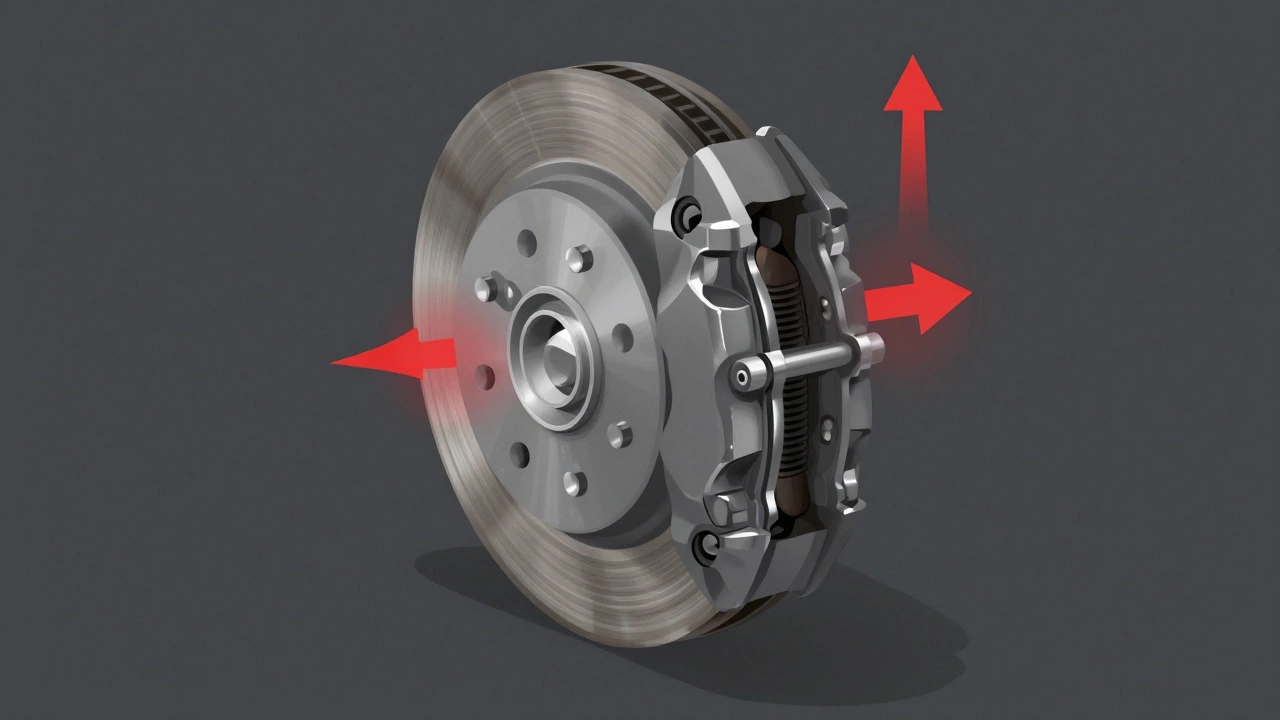
This phenomenon is often called "warped" rotors, though technically, true warping is rare. What usually happens is uneven thickness variation (DTV). Over time, heat causes the metal to expand and contract irregularly. One spot becomes slightly thicker than another. As the brake pad clamps down, it hits the thick spot, pushing the caliper back slightly, then hits the thin spot, allowing it to move forward. This rapid push-pull creates the vibration you feel.
- Pedal Pulsation: Indicates front rotor issues.
- Steering Wheel Shake: Also points to front rotors.
- Rear Seat Shudder: Suggests rear rotor problems.
If you ignore this, the vibration will get worse. Eventually, it may happen even at low speeds, making every stop uncomfortable and distracting.
Listening for Screeches and Grinds
Your ears are powerful diagnostic tools. A healthy braking system should be relatively quiet. You might hear a slight squeak when the brakes are cold or wet, but consistent noise is a red flag. Listen closely to the type of sound your brakes make.
A high-pitched squeal often indicates worn brake pads, but it can also mean the rotors have developed grooves. When pads wear down, their metal wear indicators touch the rotor, creating a screech to alert you. However, if the noise is a rhythmic chirping or grinding that changes pitch with speed, the rotor surface is likely damaged. Deep scoring on the rotor acts like a record needle, producing noise as the pad slides over the ridges.
A metallic grinding noise is more serious. This usually means the brake pad material has completely worn away, and the metal backing plate is rubbing directly against the rotor. This generates immense heat and can damage the rotor beyond repair within minutes. If you hear this, stop driving immediately.
Visual Inspection: Looking for Damage
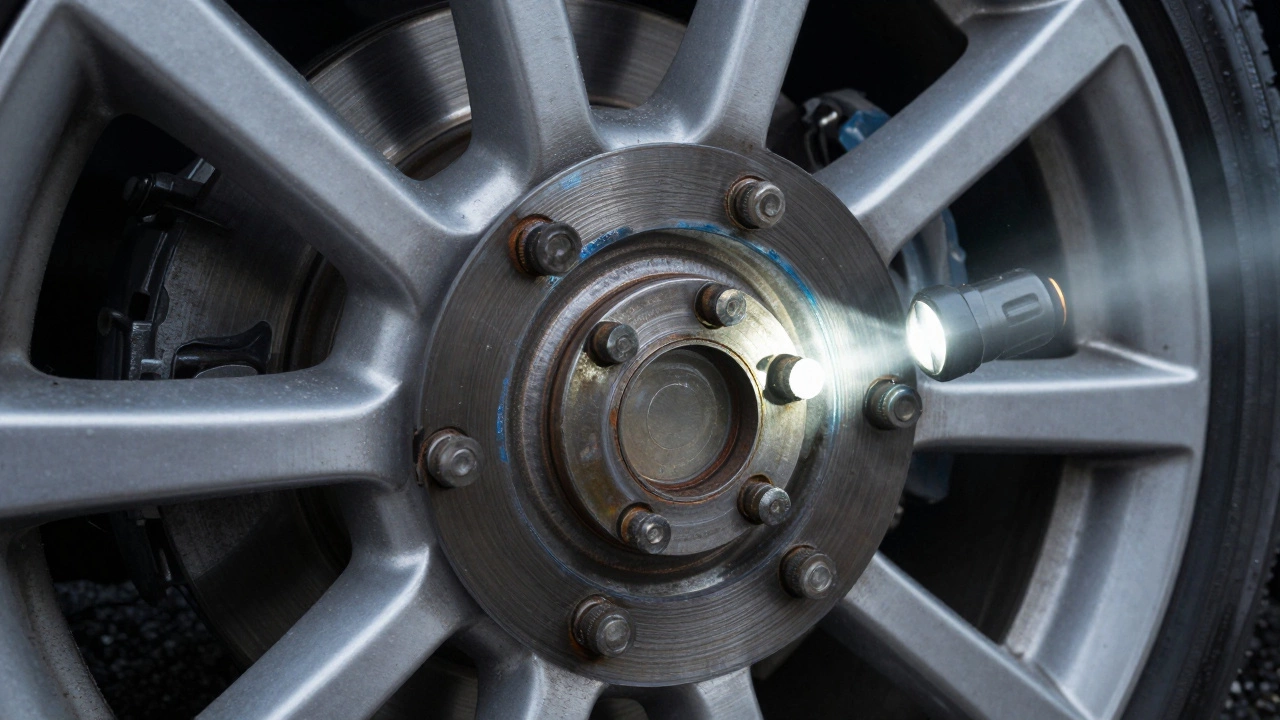
You can often see rotor problems without lifting the car. Park on a flat surface, turn off the engine, and remove the wheels if possible, or look through the spokes of the alloy wheels. Shine a flashlight onto the rotor surface. What are you looking for?
- Grooves and Scoring: Run your finger lightly across the rotor surface (ensure it's cool!). If you feel deep ridges or valleys, the rotor is scored. Light swirl marks are normal, but deep cuts compromise braking efficiency.
- Blue Spots: Look for discolored patches, particularly blue or purple hues. These indicate overheating. When rotors get too hot, the metal hardens and loses its ability to dissipate heat effectively. This is common in cars used for towing or frequent downhill driving.
- Rust Buildup: Surface rust is normal, especially if you live in Manchester where rain is frequent. However, heavy rust pitting can create an uneven surface. If the rust is flaky and deep, it can interfere with pad contact.
- Lip Formation: Check the edge of the rotor. If there is a sharp lip around the outer edge, it means the center of the rotor has worn down significantly while the edges remained intact. This is a sign of severe wear.
Measuring Thickness: The Hard Data
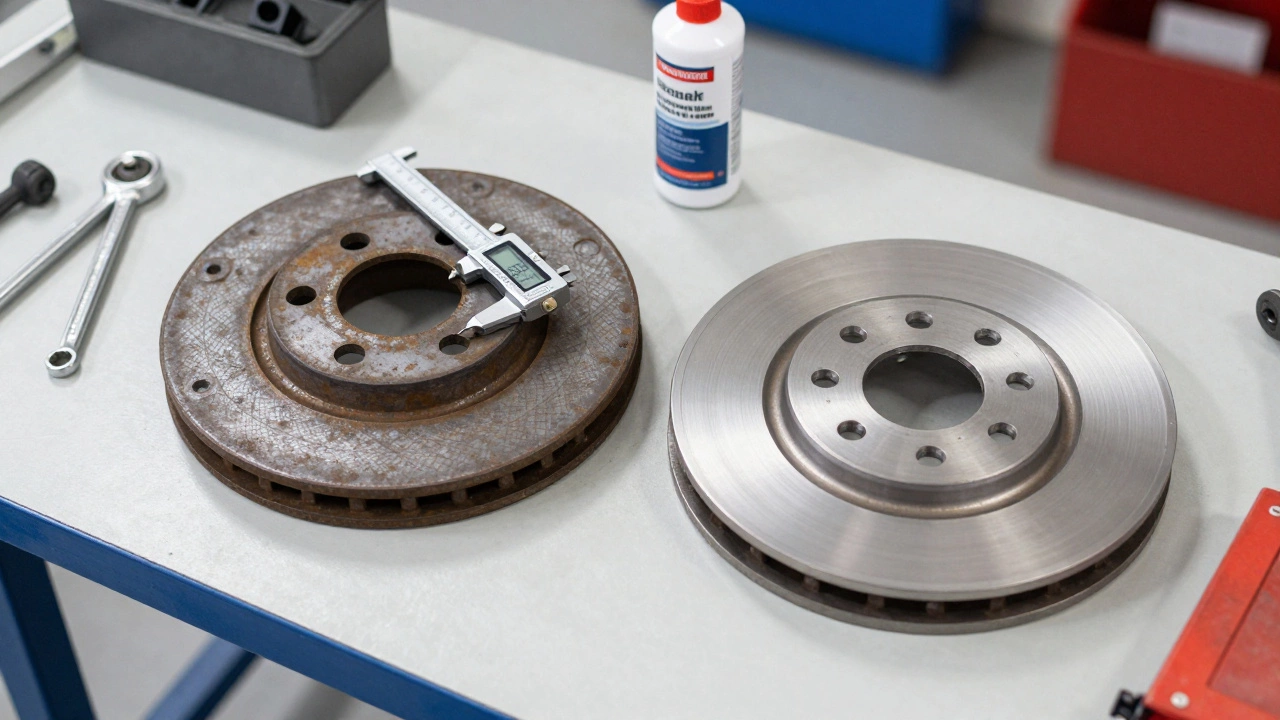
Visual checks are helpful, but measurements provide certainty. Every rotor has a minimum thickness specification, stamped into the hat section (the inner part) or listed in your vehicle's service manual. This is known as the discard thickness.
To check this, you need a micrometer. Measure the rotor at several points around the circumference. Compare your reading to the minimum limit. If the rotor is thinner than the specified limit, it must be replaced. Thinner rotors have less mass to absorb heat, leading to faster overheating and increased risk of cracking under stress.
Additionally, check for thickness variation. Measure the rotor at eight different points. If the difference between the thickest and thinnest points exceeds 0.002 inches (0.05 mm), the rotor is out of specification. Even if it meets the minimum thickness, this variation causes the pedal pulsation described earlier.
| Symptom | Likely Cause | Action Required |
|---|---|---|
| Pulsating Pedal | Thickness Variation / Warping | Replace or Machine Rotors |
| High-Pitched Squeal | Worn Pads or Glazing | Replace Pads, Inspect Rotors |
| Grinding Noise | Metal-on-Metal Contact | Immediate Replacement |
| Blue Discoloration | Overheating | Replace Rotors |
| Deep Grooves | Debris or Worn Pads | Replace or Machine Rotors |
The Pulling Sensation
When you brake, does the car pull to one side? This can indicate a stuck caliper, but it can also point to rotor issues. If one rotor is significantly thicker or has more friction material transfer than the other, it will generate more braking force on that side. This imbalance pulls the vehicle toward the weaker side.
This is particularly noticeable during emergency stops. If your car consistently drifts left or right when braking, it’s a safety hazard. Combined with vibration or noise, pulling strongly suggests that the rotors on the affected side are compromised. It could also mean debris is trapped between the pad and rotor, causing uneven wear.
Age and Mileage Considerations
Rotors don't last forever. While some manufacturers claim rotors can last up to 70,000 miles, this depends heavily on driving style. City driving with frequent stops wears rotors faster than highway cruising. Aggressive driving, such as racing or hard braking, accelerates wear significantly.
In the UK, where traffic congestion is common, rotors often need replacement sooner. If your car has over 40,000 miles and you haven't replaced the rotors, it’s wise to inspect them during your next brake service. Many mechanics recommend replacing rotors every time you replace brake pads, especially if the rotors are already showing signs of wear. This ensures optimal performance and prevents new pads from wearing prematurely due to uneven surfaces.
Can You Resurface Rotors?
Resurfacing, or machining, involves shaving off a thin layer of the rotor to create a fresh, smooth surface. This was once standard practice. However, modern rotors are often designed with thinner profiles to save weight. There may not be enough material left to machine safely without going below the minimum thickness.
If you choose to resurface, ensure the shop uses precision equipment. Poor machining can leave microscopic imperfections that cause noise and vibration. For most modern vehicles, replacement is the safer and more cost-effective option. New rotors come with advanced coatings to resist rust and improve initial bite, offering better performance than machined old ones.
Preventing Premature Failure
Extending rotor life starts with proper break-in procedures. New rotors and pads need to bed in correctly. Avoid hard braking for the first 200 miles. Instead, perform several moderate stops from 30 mph to allow the pad material to transfer evenly onto the rotor surface.
Regular maintenance helps too. Keep your suspension components in good condition. Loose tie rods or ball joints can cause uneven tire wear and affect braking alignment, stressing the rotors. Clean your wheels regularly to remove brake dust, which can trap moisture and accelerate corrosion.
Finally, listen to your car. Don't wait for a complete failure. Addressing minor noises or vibrations early can save you from expensive repairs later. Replacing rotors proactively ensures your braking system performs reliably, keeping you and your passengers safe on every journey.
How long do brake rotors typically last?
Brake rotors generally last between 30,000 and 70,000 miles. However, this varies greatly depending on driving habits. City drivers who stop frequently may need replacements closer to 30,000 miles, while highway drivers might reach 70,000. Aggressive driving reduces lifespan significantly.
Is it safe to drive with warped rotors?
It is not recommended. Warped rotors reduce braking efficiency and increase stopping distances. The vibration can also distract the driver, leading to accidents. Additionally, continuing to drive with bad rotors can damage new brake pads, costing more money in the long run.
Do I need to replace both rotors at the same time?
Yes, always replace rotors in pairs (both fronts or both rears). This ensures balanced braking performance. Replacing only one rotor creates an imbalance, causing the car to pull to one side and increasing wear on the opposite side.
Why are my brakes squeaking after new pad installation?
Squeaking can occur if the rotors were not cleaned properly during installation, leaving oil or debris. It can also happen if the rotors are worn or glazed. In some cases, the new pads need time to bed in. If the noise persists after 100 miles, inspect the rotors for damage.
Can I clean rust off my rotors?
Surface rust is normal and usually disappears after a few brake applications. However, deep pitting cannot be cleaned off and requires rotor replacement. Do not use harsh chemicals or wire brushes, as this can damage the rotor surface and contaminate the brake system.