Brake Rotor Replacement Calculator
Rotor Inspection Data
Enter the data stamped on your rotor or found in your manual.
Recommendation
Enter your data to see if you can save money by keeping your old rotors.
Analyzing...
There is nothing worse than pulling up to a stop sign and hearing that high-pitched metal-on-metal screech. It’s annoying, it’s alarming, and it usually means your wallet is about to take a hit. Most drivers assume the fix is simple: swap out the worn brake pads are friction material blocks that press against rotors to slow down a vehicle. But sometimes, the mechanic looks at you with a knowing sigh and says, "You need new rotors too." Suddenly, a £80 job turns into a £250 bill.
The question isn’t just about cost; it’s about safety. Can you really save money by replacing only the pads? Or will you be back in the shop in three months because the new pads didn’t seat properly on old, warped discs? The answer lies in understanding how these two components work together as a single system. Let’s break down exactly what to look for so you can make an informed decision without getting ripped off.
Understanding the Brake System Relationship
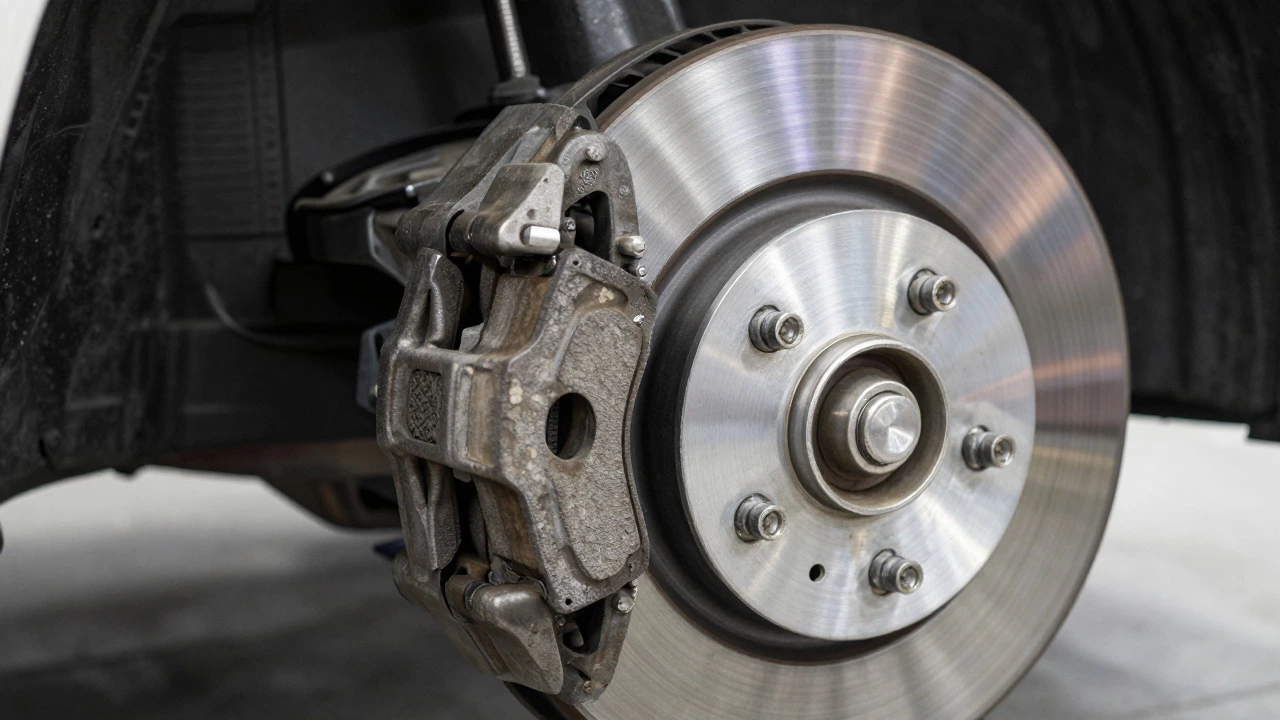
To decide whether you need new rotors, you first have to understand why they wear out. Your braking system relies on friction. When you press the pedal, hydraulic pressure pushes the caliper is a component that holds the brake pads and squeezes them against the rotor. against the rotor is a metal disc attached to the wheel hub that rotates with the tire.. This friction creates heat, which slows the car. Over time, the softer pad material wears down. That’s expected. But that same friction also affects the harder steel or iron rotor.
Think of it like sharpening a pencil. The eraser (the pad) wears down quickly. The wood (the rotor) wears down slowly, but eventually, it gets too short to hold the graphite. In cars, if the rotor becomes too thin, it loses its ability to dissipate heat effectively. If it gets too uneven, your steering wheel shakes when you brake. You cannot put fresh, thick brake pads onto a rotor that is already near its minimum thickness limit. The caliper simply won’t have enough room to clamp down, leading to poor braking performance or even seized brakes.
Signs Your Rotors Are Done For
So, how do you know if the rotor is still good? There are three main indicators that tell you the rotor needs replacement alongside the pads. If you notice any of these, skip the cheap option and replace both.
- Vibration or Pulsation: Do you feel a shudder in the steering wheel or the brake pedal when you apply pressure at highway speeds? This is usually caused by "warping" or, more accurately, thickness variation. Heat builds up in the rotor, causing it to expand unevenly. Once it cools, it retains slight irregularities. New pads cannot fix this wobble. Only machining (resurfacing) or replacing the rotor will smooth it out again.
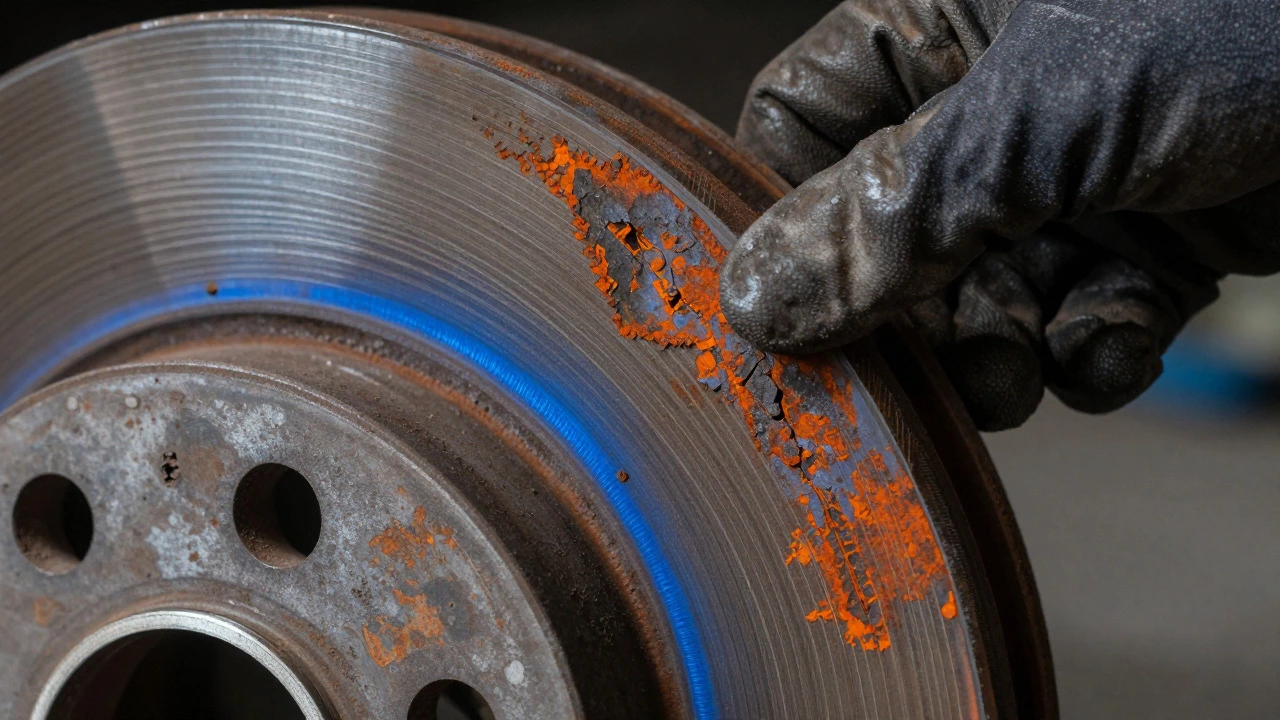
- Scoring and Deep Grooves: Look at the face of the rotor. Light scratches are normal. However, if you see deep grooves that catch your fingernail, the surface is compromised. These grooves prevent the new brake pad from making full contact with the disc. Reduced contact area means reduced stopping power. If the groove depth exceeds the manufacturer's specification (usually around 1-2mm), the rotor must go.
- Blue Discoloration: Have you ever seen a rotor turn a bluish tint? That’s a sign of overheating. Excessive heat changes the metallurgical structure of the cast iron, making it brittle and less effective at absorbing energy. A blue rotor is a weak rotor. It might crack under heavy braking. Replace it immediately.
The Thickness Test: The Hard Numbers
If visual inspection doesn't give you a clear answer, you need to measure. Every rotor has a "minimum thickness" stamped directly onto the hat section (the center part that bolts to the hub). It might look like "MIN THK 22.6mm" or similar.
You need a micrometer to measure this accurately. Standard tape measures aren't precise enough. Measure the rotor at several points around the edge. If your measurement is at or below the minimum thickness number, the rotor is unsafe. It has lost too much mass to handle the heat generated during braking. Even if it looks shiny and new, a rotor below minimum thickness is a ticking time bomb. It can crack or warp under stress. In this case, there is no debate: replace the rotor.
When Can You Keep the Old Rotors?
Is it ever okay to just change the pads? Yes, but only under specific conditions. You can reuse rotors if:
- They are within tolerance: The measured thickness is well above the minimum specification. Ideally, you want at least 10-15% of the original material remaining to allow for future wear.
- They are smooth: No deep grooves, no rust pits, and no visible warping. If you run your finger across the surface, it should feel glass-smooth, not jagged.
- No vibration exists: Your car stops straight and steady with no pulsation in the pedal or wheel.
If all three boxes are checked, you can save some cash by replacing only the pads. However, many mechanics recommend replacing rotors every other time you change pads. Why? Because rotors wear slower than pads, but they don't last forever. If you keep reusing them, you’re constantly walking that fine line between "safe" and "needs replacement." Replacing them proactively ensures optimal braking performance and prevents emergency repairs later.
Cost Comparison: Pads vs. Pads and Rotors
Let’s talk money, because that’s usually the deciding factor. Here is a rough breakdown of costs for a typical family sedan or small SUV in the UK market as of 2026.
| Service Type | Parts Cost (Approx.) | Labour Cost (Approx.) | Total Estimate |
|---|---|---|---|
| Brake Pads Only (Front) | £40 - £70 | £60 - £90 | £100 - £160 |
| Pads + Resurfacing Rotors | £40 - £70 (Pads) | £30 - £50 per rotor | £130 - £220 |
| Pads + New Rotors (Front Axle) | £80 - £150 (Set) | £100 - £150 | £180 - £300 |
Note that labour costs often overlap. Changing pads and changing rotors takes roughly the same amount of time for a mechanic because they have to remove the wheel, caliper, and bracket anyway. The extra cost for rotors is primarily the parts themselves. If you are doing it yourself, the savings are significant. Buying quality ceramic or semi-metallic brake pads are consumable components that generate friction to stop the vehicle. and vented rotors online can cut the total cost by half compared to a dealership.
Resurfacing: Is It Worth It?
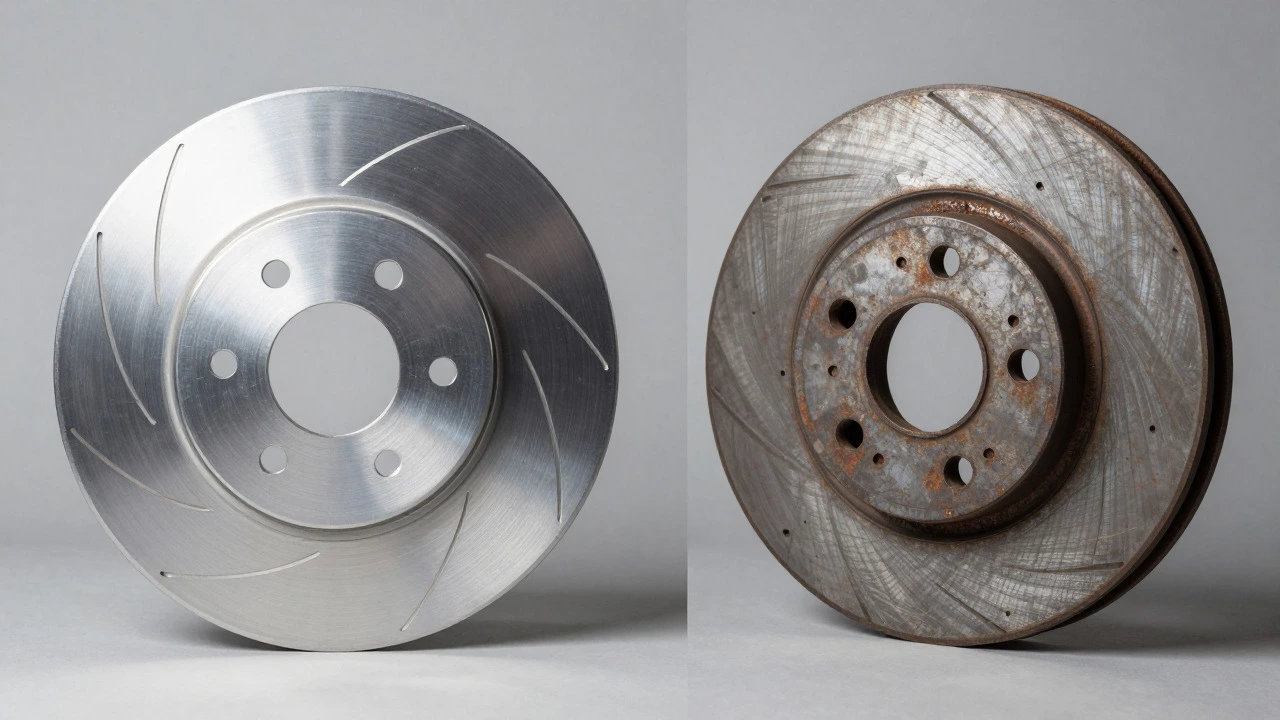
You might hear the term "resurfacing" or "skimming." This involves putting the rotor on a lathe machine to shave off a thin layer, creating a perfectly flat surface. It sounds like a great middle ground-keep the old rotor, but make it smooth again.
In theory, yes. In practice, it’s risky. Modern rotors are manufactured thinner to save weight and meet fuel efficiency standards. Many OEM (Original Equipment Manufacturer) rotors today are so close to their minimum thickness that resurfacing would push them below the safe limit. Always check the thickness before agreeing to resurface. If the rotor is more than 5 years old or has been through heavy use, buying new ones is safer and often cheaper than paying for the labour of resurfacing plus the risk of immediate failure.
Pro Tips for Longer Brake Life
Want to delay that next visit to the garage? Your driving habits matter more than the brand of parts you buy. Here is how to extend the life of both your pads and rotors:
- Avoid Riding the Brakes: Keeping your foot resting on the brake pedal while coasting generates unnecessary heat. Heat is the enemy of rotors. It causes warping and glazing.
- Engine Braking: Downshift before going down long hills. Let the engine slow the car down instead of grinding your brakes for minutes on end.
- Warm Them Up: Cold brakes are inefficient. Gentle braking in the first few miles of a drive helps distribute oils evenly. Avoid hard stops right after starting the car.
- Check Alignment: Poor wheel alignment can cause one side of the rotor to wear faster than the other, leading to premature warping.
FAQ
Can I replace brake pads without replacing rotors?
Yes, you can replace brake pads without replacing rotors if the rotors are still within their minimum thickness specifications, are free of deep grooves or scoring, and do not cause any vibration or pulsation when braking. However, if the rotors are worn down significantly, new pads may not seat correctly, leading to poor braking performance.
How do I know if my rotors are warped?
The most common sign of warped rotors is a noticeable vibration or pulsation in the brake pedal or steering wheel when you apply the brakes, especially at higher speeds. While true warping is rare, thickness variation due to heat buildup is the usual culprit. If you feel this shudder, the rotors likely need resurfacing or replacement.
What is the minimum thickness for brake rotors?
The minimum thickness varies by vehicle and rotor model. It is typically stamped on the rotor itself, labeled as "MIN THK" followed by a number in millimeters (e.g., 22.6mm). You must measure the rotor with a micrometer. If the current thickness is equal to or less than this number, the rotor must be replaced for safety.
Is it cheaper to resurface or replace rotors?
Resurfacing is generally cheaper than buying new rotors, but only if the rotor has enough material left to be machined safely. With modern thin-walled rotors, resurfacing often brings them below the minimum safe thickness. In many cases, replacing the rotors is more cost-effective in the long run because it eliminates the risk of immediate failure and provides a brand-new friction surface.
Why does my steering wheel shake when I brake?
A shaking steering wheel during braking is almost always caused by uneven wear or thickness variation in the front brake rotors. As the brake pads clamp onto the uneven surface, the force fluctuates, causing the vibration you feel through the steering column. This issue is resolved by resurfacing or replacing the front rotors.
How often should brake rotors be replaced?
There is no fixed mileage for rotor replacement as it depends heavily on driving habits, vehicle weight, and rotor material. Generally, rotors last between 50,000 and 70,000 miles. However, aggressive drivers, those who tow heavy loads, or people who drive in hilly areas may need to replace them much sooner, sometimes every 30,000 miles.