Brake Diagnostic Assistant
Select the symptoms you are experiencing with your vehicle to receive an immediate assessment of potential brake issues.
The grinding noise indicates that the friction material on your brake pads is completely gone. The metal backing plate is now rubbing directly against the steel rotor.
- Risk: Rapid damage to rotors, reduced braking power, potential loss of control.
- Action: Stop driving immediately if possible. Drive slowly to a garage or call a tow truck.
- Repair: You will likely need new pads AND new rotors. Do not just replace pads.
The high-pitched squeal is caused by the small metal "wear indicator" tab scraping against the rotor. This is a built-in warning system.
- Status: Pads are critically low but not yet destroying rotors.
- Action: Book a service appointment within the next few weeks. Avoid aggressive braking.
- Repair: Replace brake pads. Inspect rotors for minor scoring.
Pulsing in the pedal or steering wheel usually indicates that the brake rotors are warped (uneven). This happens when rotors heat up and cool down unevenly, creating low spots.
- Cause: Heavy braking, hot brakes hitting cold water, or worn suspension components.
- Action: Have a mechanic measure rotor thickness and runout.
- Repair: Resurfacing (turning) rotors may be possible if they are above minimum thickness. Otherwise, replace rotors and pads together.
If the car pulls to one side during braking, it suggests that one side is applying more force than the other.
- Likely Causes: Stuck caliper slide pin, collapsed brake hose, or significantly uneven pad wear.
- Action: Check for heat coming from one wheel after driving (carefully touch near the rim, not the center).
- Repair: Service calipers, replace hoses, or ensure pads are replaced in axle sets (both sides at once).
Your visual inspection shows brake pads thinner than 3mm or close to the backing plate.
- Status: Critical wear level reached.
- Action: Replace pads immediately. Even if you don't hear noise yet, the margin for error is gone.
- Repair: New pads required. Check rotors for grooves left by the old pads.
Deep grooves, scoring, or heavy pitting on the rotor surface compromises braking efficiency.
- Issue: Smooth contact between pad and rotor is lost, reducing friction and causing vibration/noise.
- Action: Professional measurement required. If below minimum thickness stamp, replacement is mandatory.
- Repair: Replace rotors. Always install new pads with new rotors to allow proper bedding-in.
No major symptoms detected. Your brakes appear to be in good working order.
- Maintenance: Continue regular inspections. Keep wheels clean to prevent brake dust buildup.
- Habit: Anticipate stops to reduce heat generation and extend component life.
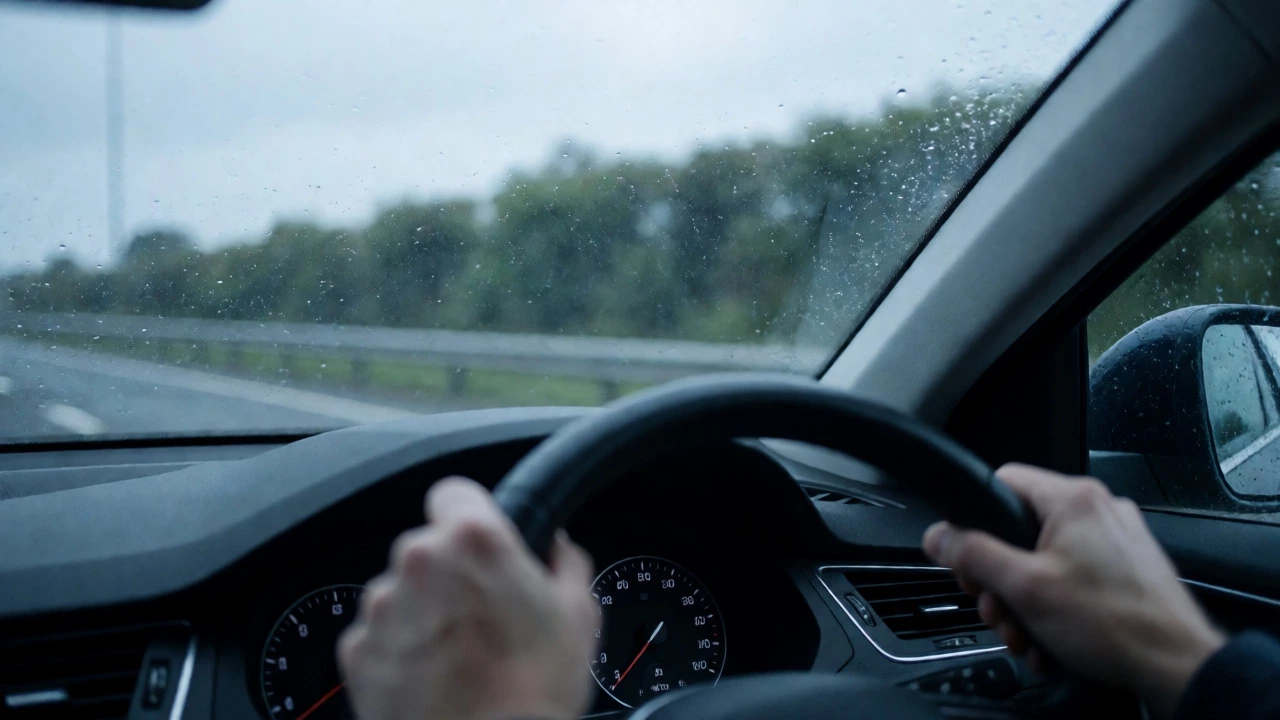
You’re cruising down the M60, maybe heading into Manchester for work, and suddenly you hear it. That high-pitched squeal when you tap the brakes. Or worse, a deep grinding sound that makes your stomach drop. Your first thought is probably panic-how much is this going to cost? But before you rush to the mechanic, you need to know what you’re actually dealing with. Is it just worn brake pads, or have you damaged the rotors too?
Here’s the reality: replacing pads is cheap and routine. Replacing rotors adds significant labor and parts costs. Knowing the difference saves you money and keeps you safe. This guide cuts through the jargon to help you diagnose your brakes like a pro, using simple visual checks and common symptoms.
The Key Differences Between Pads and Rotors
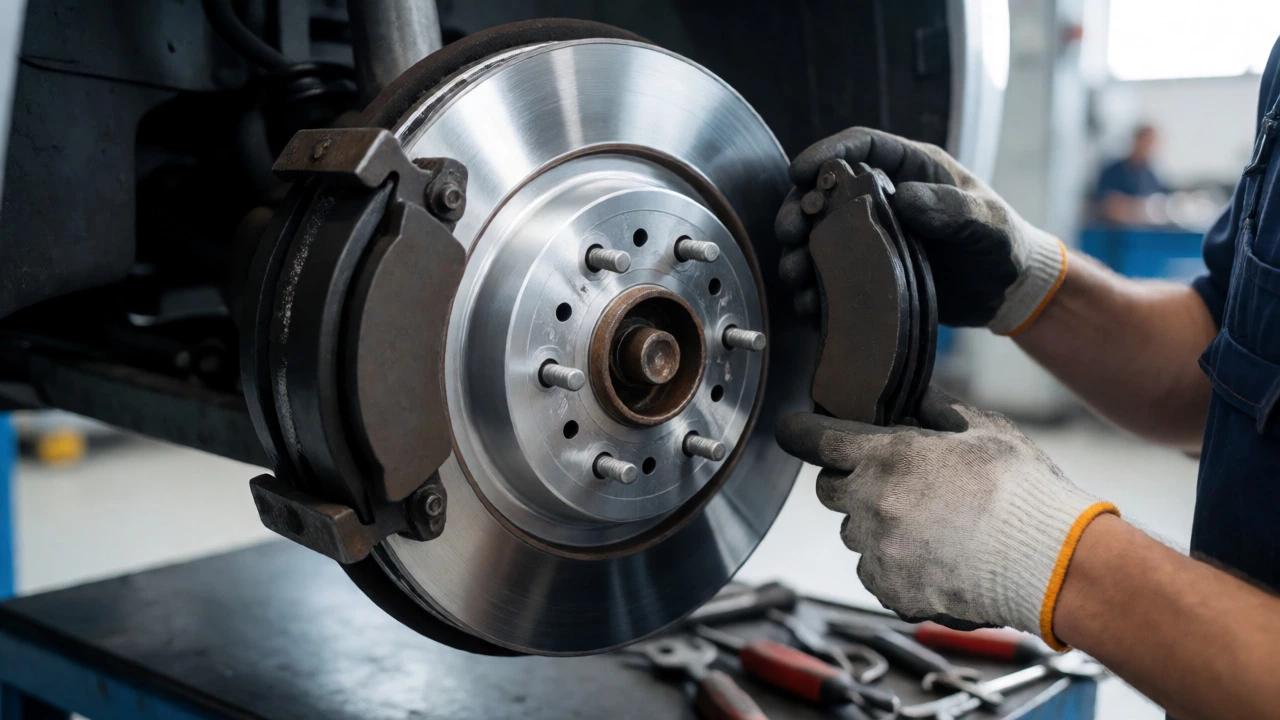
To fix the problem, you need to understand the parts. Think of your braking system as a disc brake mechanism. The brake pad is a friction material bonded to a metal backing plate. It is designed to wear down over time. Its job is to clamp onto the rotor to stop the wheel. Because it’s made of softer material, it’s meant to be replaced regularly.
The brake rotor (or disc) is a heavy steel disc attached to the wheel hub. It spins with the tire. When the pads clamp on it, friction slows the vehicle. Rotors are built to last longer than pads, but they aren’t invincible. They can warp, crack, or become too thin to function safely. If you ignore bad pads, they eat away at the rotors, turning a £50 part replacement into a £300 repair.
Symptoms That Point to Worn Brake Pads
Brake pads give you plenty of warning signs before they fail completely. You just need to listen and look.
- The Squeal: Most modern pads have a small metal tab called a "wear indicator." When the pad gets thin, this tab scrapes against the rotor, creating a sharp, high-pitched squeal while driving. This isn't necessarily an emergency, but it means you need new pads soon.
- Grinding Noise: If you skip the squeal stage, you’ll eventually hear a harsh grinding sound. This usually means the friction material is gone, and the metal backing plate is rubbing directly against the rotor. Stop driving immediately if you hear this; you’re damaging expensive parts.
- Vibration in the Pedal: Sometimes, unevenly worn pads cause the pedal to pulse slightly under light braking. However, vibration is more often linked to rotors, so keep reading.
- Increased Stopping Distance: If it takes longer than usual to come to a complete stop, your pads might be glazed (hardened from overheating) or simply too thin to generate enough friction.
Signs Your Brake Rotors Are Failing
Rotors don’t make noise unless something else is wrong, like a bad bearing or a stuck caliper. Instead, rotors show their problems through how the car feels.
The most common symptom is steering wheel shudder. If you feel a pulsing sensation in the steering wheel when you apply the brakes, especially at higher speeds, your rotors are likely warped. Heat causes rotors to expand and contract. If they cool down unevenly, they develop low spots. When the pad clamps onto these uneven surfaces, it creates that shaking feeling.
Another clear sign is visible scoring or grooves. Look at the surface of the rotor through the spokes of your wheel. If you see deep circular scratches or lines running across the face, those are gouges left by metal-on-metal contact. Once a rotor has deep grooves, resurfacing it (turning it down on a lathe) might not be possible because there isn’t enough material left to cut away.
Finally, check for rust. Surface rust is normal after rain. But if you see heavy, flaky rust pitting on the braking surface, it can compromise the smoothness needed for effective braking. In coastal areas like ours here in the UK, salt air accelerates this corrosion significantly.
Visual Inspection: How to Check Without Tools
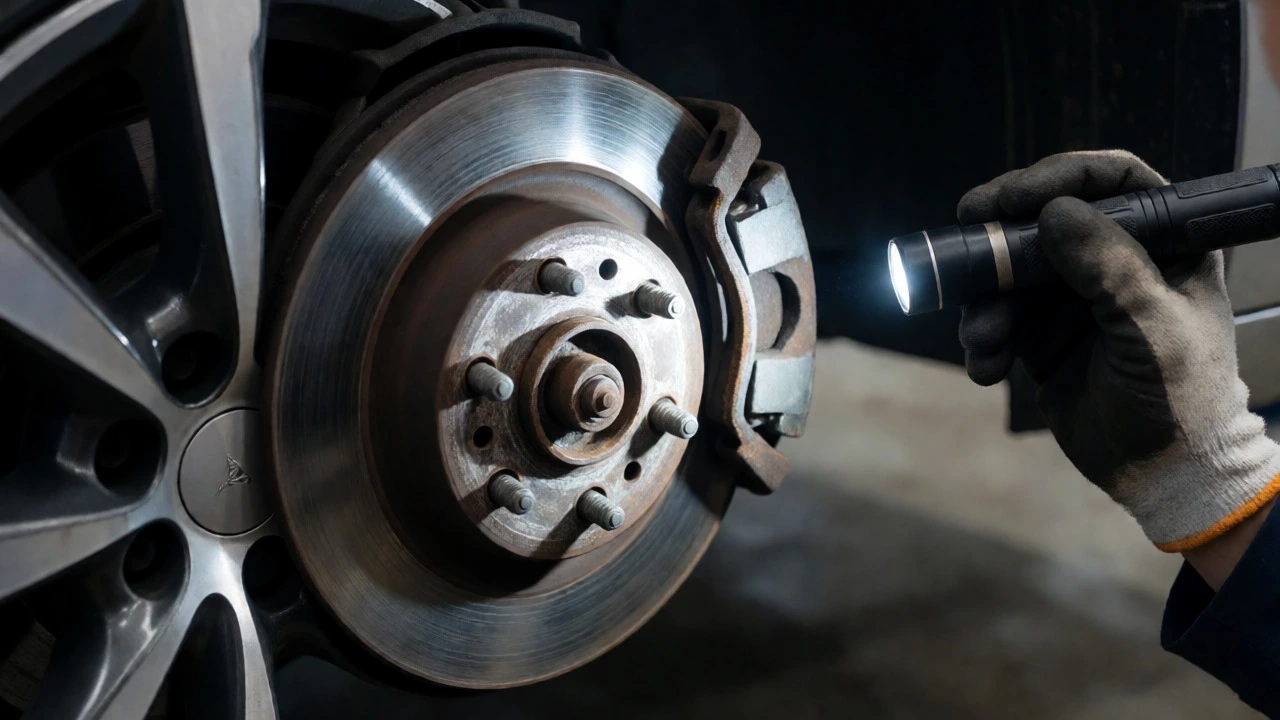
You don’t need a lift to do a basic check. Park your car on level ground and let the wheels cool down. Grab a flashlight and look behind each wheel.
| Component | What to Look For | Action Needed |
|---|---|---|
| Brake Pad Thickness | Pads should be thicker than the backing plate. Less than 3mm is critical. | Replace pads immediately. |
| Rotor Surface | Smooth and shiny is good. Deep lines, pits, or blue discoloration is bad. | Inspect further or replace rotors. |
| Rust Buildup | Light orange dust is okay. Heavy, chunky flakes are problematic. | Clean or replace if pitted. |
| Caliper Movement | Check for leaks around the caliper piston boot. | Service calipers if leaking. |
For the pads, aim the light at the edge of the rotor where the pad sits. You want to see the thickness of the friction material. As a rule of thumb, if the pad looks thinner than the metal clip holding it in place, it’s done. Some cars allow you to see the pad clearly; others require you to turn the steering wheel all the way to one side to expose the front pads, or the other side for the rear.
When to Replace vs. Resurface
This is the big question. Can you save the rotors? Modern rotors are often cheaper to replace than to machine, especially on economy cars. Mechanics used to turn rotors on a lathe to shave off a millimeter of metal, smoothing out the surface. Today, many rotors are manufactured with tighter tolerances and thinner minimum thickness specs.
If your rotors are within manufacturer specifications for thickness and only lightly scored, resurfacing might still be an option. But if they are close to the minimum thickness stamp (usually cast into the hat section of the rotor), you must replace them. Cutting a rotor below its minimum thickness leads to excessive heat buildup, which causes warping again very quickly. It’s a false economy to try to save a marginal rotor.
Always replace pads and rotors in axle sets. Changing just one front rotor while leaving the old one on the other side can lead to pulling during braking due to different friction levels. It also ensures even wear and predictable handling.
DIY Maintenance Tips to Extend Brake Life
You can’t prevent wear forever, but you can slow it down. Driving habits play a huge role. Aggressive acceleration followed by hard braking generates massive heat. Heat is the enemy of brake components. Try to anticipate stops and coast to a halt rather than slamming the brakes.
Keep your wheels clean. Brake dust contains metallic particles that can embed themselves in the alloy wheels and eventually scratch the rotors if not washed off regularly. Use a dedicated wheel cleaner once a month.
Don’t ignore the handbrake. On older cars with drum-in-hat systems, failing to use the parking brake occasionally can cause the rear shoes to seize. While this doesn’t affect the front discs directly, a seized rear brake puts extra strain on the front brakes, causing them to wear faster.
Can I drive with a grinding noise?
No, you should not. Grinding usually indicates metal-on-metal contact. Continuing to drive will destroy the rotors rapidly and could lead to loss of braking power. Drive slowly and carefully to a garage, or call a tow truck if the pedal feels spongy.
How long do brake pads typically last?
Most drivers get between 30,000 and 70,000 miles from their pads. City driving with frequent stops wears them out faster than highway driving. Organic pads wear quicker but are quieter; ceramic pads last longer but may cost more.
Do I always need to change rotors with pads?
Not always, but it is recommended. New pads need a fresh, flat surface to bed in properly. Old, glazed, or uneven rotors can prevent new pads from seating correctly, leading to noise and reduced performance. Inspect them first; if they are smooth and thick enough, you might get away with just cleaning them up.
Why does my car pull to one side when braking?
This often points to a stuck caliper slide pin or a collapsed brake hose on one side. It prevents one pad from releasing fully, causing drag and heat on that side. It can also happen if one set of pads is significantly more worn than the other.
Is it dangerous to drive with warped rotors?
It reduces your control. Warped rotors cause pulsing, which can make it harder to modulate pressure precisely, especially in wet conditions. While not an immediate catastrophic failure, it increases stopping distances and stresses suspension components.
Next Steps: What to Do Now
If you heard a squeal, book a service appointment within the next few weeks. If you felt grinding, get it checked today. If you noticed steering shudder, inspect the rotors visually or have a professional measure their thickness.
Remember, brakes are a wear-and-tear item. There is no shame in replacing them early. It’s far better to spend a little now than to deal with a failed component on a busy motorway later. Keep your logs updated, listen to your car, and you’ll never be caught off guard by a silent brake failure.