Car Suspension Softness Guide
Select your current situation to get personalized recommendations for improving ride comfort.
There is nothing quite as jarring as hitting a pothole and feeling it rattle your teeth. If your daily commute feels like a trip across a construction site, you are not alone. Many drivers spend hours searching for ways to make my car suspension softer without spending a fortune on a complete overhaul. The good news is that you do not need to be a professional mechanic to improve your ride quality. Whether you are driving an aging sedan or a sporty hatchback, there are practical steps you can take to smooth out the bumps.
Understanding Why Your Ride Feels Harsh
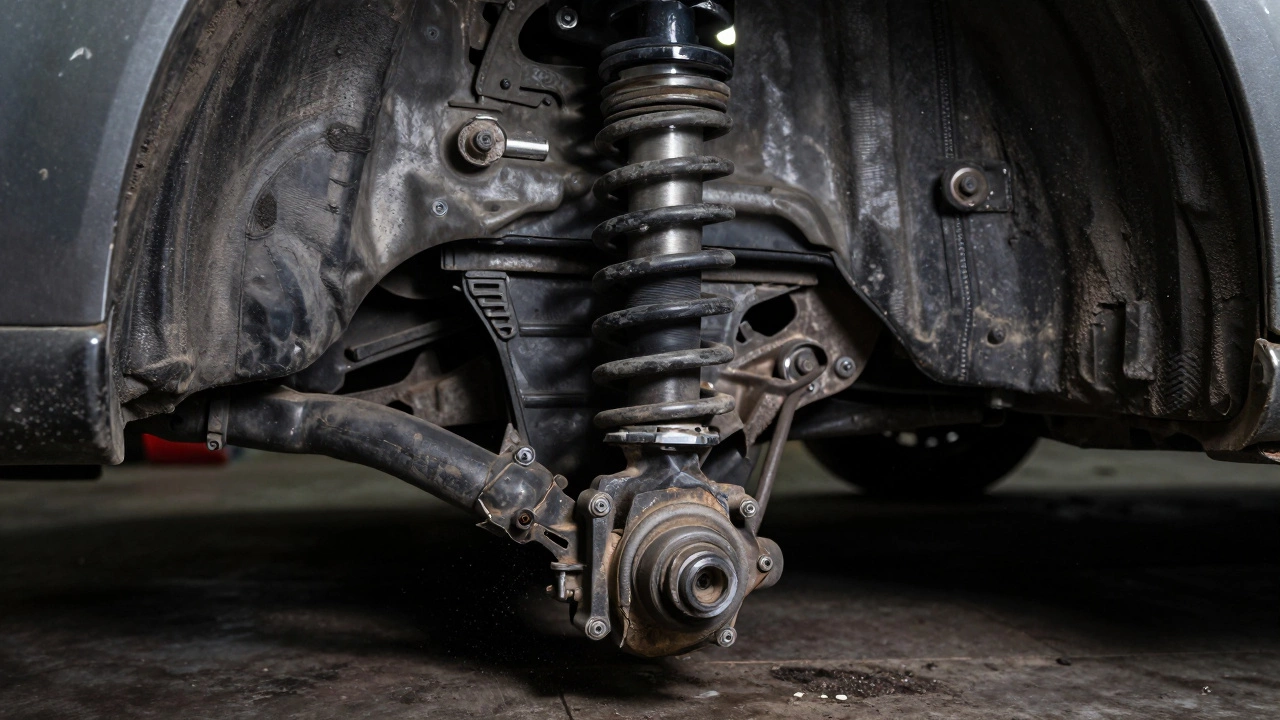
Before buying new parts, it helps to understand why your car feels stiff in the first place. Manufacturers often tune suspensions for handling rather than comfort, especially in modern vehicles. Over time, components wear out, but sometimes they just get old and hard. Rubber bushings, which act as cushions between metal parts, dry out and crack. Shocks lose their damping fluid. Springs sag or become fatigued. All of these factors contribute to a harsher ride. Identifying the root cause saves you money and prevents unnecessary repairs.
Why does my car feel bumpy?
A bumpy ride usually stems from worn shock absorbers, hardened rubber bushings, or stiff factory springs designed for performance rather than comfort. Tire pressure can also play a significant role.
Quick Fixes: Adjustments You Can Do Today
Sometimes the solution is simpler than replacing parts. Start with your tires. High tire pressure makes your car bounce more over imperfections. Lowering your tire pressure by 10-15 PSI (within the manufacturer's recommended range) can significantly soften the ride. Check the sticker on your driver's door jamb for the correct cold inflation pressure. Do not go below the minimum, as this affects fuel economy and safety.
Next, inspect your wheel alignment. Misaligned wheels cause uneven tire wear and make the steering feel twitchy and harsh. A proper alignment ensures your tires contact the road evenly, reducing vibration. This service is relatively inexpensive and can be done at most local garages.
Replacing Shock Absorbers and Struts
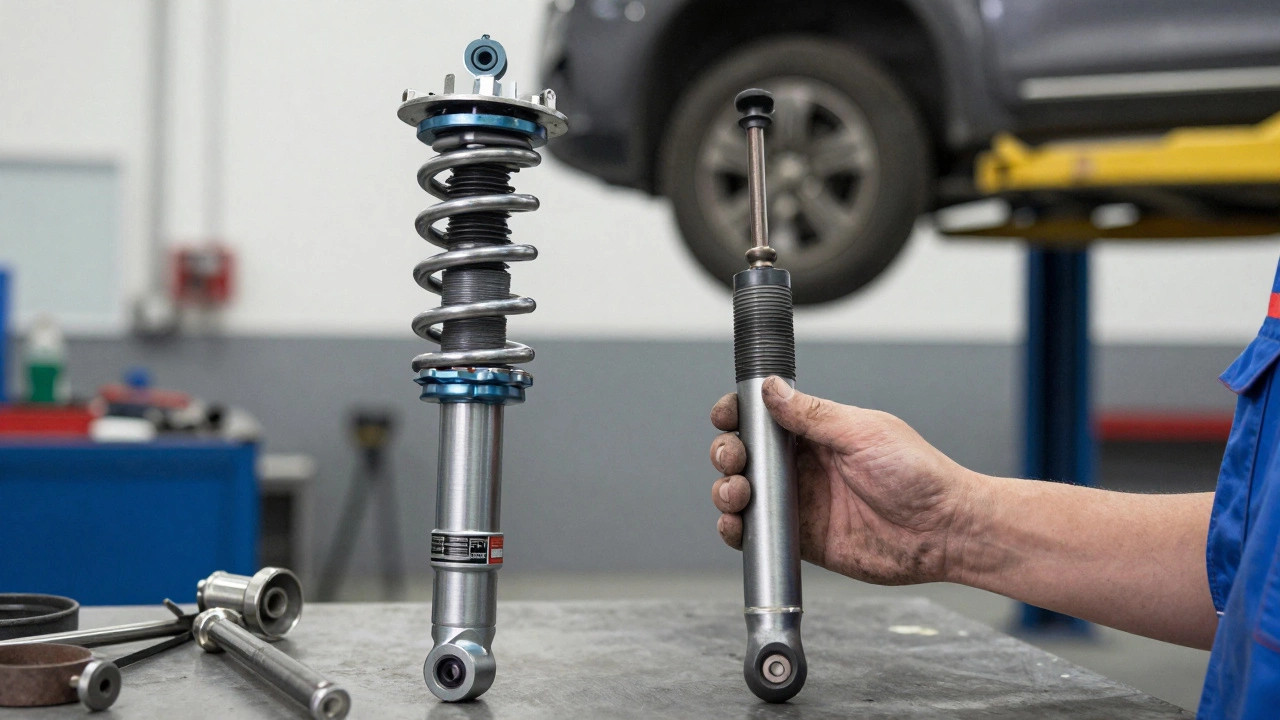
If adjusting tires does not help, your shock absorbers might be the culprit. Shocks control the movement of your springs. When they fail, your car bounces excessively after hitting a bump. Replacing them with high-quality units can restore comfort. Look for shocks labeled "comfort" or "luxury" rather than "sport" or "performance." Brands like Bilstein, Koni, and Monroe offer different lines tailored to ride quality.
Consider upgrading to gas-charged shocks if your current ones are oil-filled. Gas-charged shocks resist foaming under heavy use, maintaining consistent damping. However, ensure you choose a model designed for comfort. Some gas shocks are very firm. Read reviews and check specifications carefully.
Upgrading to Softer Springs
Springs support your car's weight. Factory springs are often stiff to handle cornering forces. If you prioritize comfort, consider replacing them with softer aftermarket springs. Companies like Eibach and H&R offer lowering springs, but some brands specialize in comfort-oriented setups. Look for springs with a lower spring rate. This means they compress more easily over bumps.
Be cautious when mixing springs and shocks. If you install softer springs without changing the shocks, the ride may become unstable. The shocks must match the spring rate to control the motion effectively. Consult with a specialist before making this change.
The Air Suspension Option
For the ultimate in customization, consider converting to air suspension. Air suspensions use compressed air instead of steel springs. You can adjust the ride height and stiffness electronically. This system allows you to soften the ride for highway cruising and stiffen it for city driving. It is more expensive and complex, but it offers unparalleled flexibility.
Air suspension kits are available for many popular models. Installation requires professional expertise due to the electrical and pneumatic components involved. Maintenance is also higher, as air lines and compressors can fail. However, if budget is not a concern, this is the most effective way to soften your suspension.
Bushings and Mounts
Rubber bushings isolate vibrations from the chassis. Over time, they harden and transmit more noise and vibration into the cabin. Replacing worn bushings with polyurethane or high-quality rubber ones can improve comfort. Polyurethane bushings are durable but can be stiffer. For maximum softness, stick with premium rubber bushings designed for luxury vehicles.
Engine and transmission mounts also affect ride quality. Worn mounts allow excessive movement, causing clunks and vibrations. Inspect these components during your suspension upgrade. Replacing them ensures a smoother overall experience.
Comparison of Suspension Upgrades
| Option | Cost | Difficulty | Comfort Improvement | Durability |
|---|---|---|---|---|
| Tire Pressure Adjustment | Free | Easy | Moderate | N/A |
| New Shock Absorbers | $$ | Moderate | High | Good |
| Softer Springs | $$$ | Hard | Very High | Excellent |
| Air Suspension | $$$$ | Very Hard | Extreme | Moderate |
| Bushing Replacement | $$ | Hard | Moderate | Good |

Professional Alignment After Changes
After any suspension modification, a professional wheel alignment is essential. Changing springs or shocks alters the geometry of your suspension. Without an alignment, your tires will wear unevenly, and your car will pull to one side. This negates the comfort benefits and increases long-term costs. Schedule an alignment immediately after installation.
Maintenance Tips for a Soft Ride
To maintain a soft ride, perform regular inspections. Check for leaks in your shock absorbers. Look for cracks in rubber bushings. Listen for unusual noises when driving over bumps. Address issues early to prevent further damage. Keep your tires inflated to the correct pressure. Rotate your tires regularly to ensure even wear.
Avoid driving over large potholes at high speeds. Impact damage can bend control arms or break springs. Drive defensively to protect your investment. Regular maintenance extends the life of your suspension components and keeps your ride comfortable.
When to Seek Professional Help
If you are unsure about any part of the process, consult a qualified mechanic. Suspension work involves critical safety components. Incorrect installation can lead to loss of vehicle control. Mechanics have the tools and expertise to diagnose issues accurately. They can recommend the best parts for your specific vehicle and driving needs.
Can I soften my suspension without spending much money?
Yes, adjusting tire pressure and checking wheel alignment are low-cost ways to improve ride comfort. Replacing worn bushings is another affordable option.
Do softer springs affect handling?
Yes, softer springs can increase body roll during cornering. This may reduce handling precision but improves comfort over bumps.
Is air suspension worth the cost?
Air suspension offers the best comfort and adjustability but comes with high installation and maintenance costs. It is ideal for those who prioritize ride quality above all else.
How often should I replace shock absorbers?
Shock absorbers typically last between 50,000 and 100,000 miles. Replace them sooner if you notice excessive bouncing or leaking fluid.
What is the difference between shocks and struts?
Shocks are separate from the suspension structure, while struts are a structural component. Both dampen spring movement, but struts require more complex replacement procedures.