Clutch Slip Diagnostic Wizard
Answer the following questions to narrow down the cause of your clutch slippage.
Step 1: Confirming the Symptom
First, let's make sure it is actually slipping.
When you accelerate hard in a high gear (e.g., 4th or 5th) at low speed (~30 mph), what happens?
Step 2: Checking Hydraulics & Pedal Feel
Most modern cars use hydraulic clutches. Let's check the pedal behavior.
What does the clutch pedal feel like when pressed?
Step 3: Visual Inspection
Let's look for leaks or contamination signs.
Do you see any fluid leaks under the car near the firewall (master cylinder) or transmission bell housing (slave cylinder)?
Step 4: Linkage & Age Check
Is this an older vehicle with cables, or a newer one?
Does your car have a cable-operated clutch (common in older/smaller cars) or a hydraulic system?
You’re driving up a hill, you press the accelerator, and the engine RPMs shoot up like crazy, but the car barely moves. That sinking feeling? That’s a slipping clutch. Most mechanics will tell you it’s time for a new clutch kit, which can cost hundreds in parts and thousands in labour. But before you hand over your credit card, ask yourself: is it actually broken, or is it just out of adjustment?
Here is the truth most garages won’t shout from the rooftops: many slipping clutches aren’t mechanically failed. They are suffering from hydraulic issues, air in the lines, or simple wear on the release mechanism that doesn’t require replacing the entire friction plate assembly. If you catch it early, you might save yourself a massive bill. This guide walks you through diagnosing the real culprit and fixing it without tearing down the transmission.
Quick Summary / Key Takeaways
- Diagnose first: Confirm it’s actually slipping by testing in high gear at low speed.
- Check hydraulics: Air in the line or a leaking master/slave cylinder causes poor engagement.
- Inspect linkage: Worn cables or misadjusted forks prevent full disengagement/engagement.
- Flywheel health: Glazing can be cleaned; warping usually requires replacement.
- Limited scope: If the friction material is gone, no amount of tweaking will help-you need a new kit.
Is Your Clutch Actually Slipping?
Before grabbing your wrenches, you need to be 100% sure. Sometimes what feels like a slip is actually a torque converter issue (in automatics) or a bad spark plug causing misfires. For manual transmissions, the test is simple but specific.
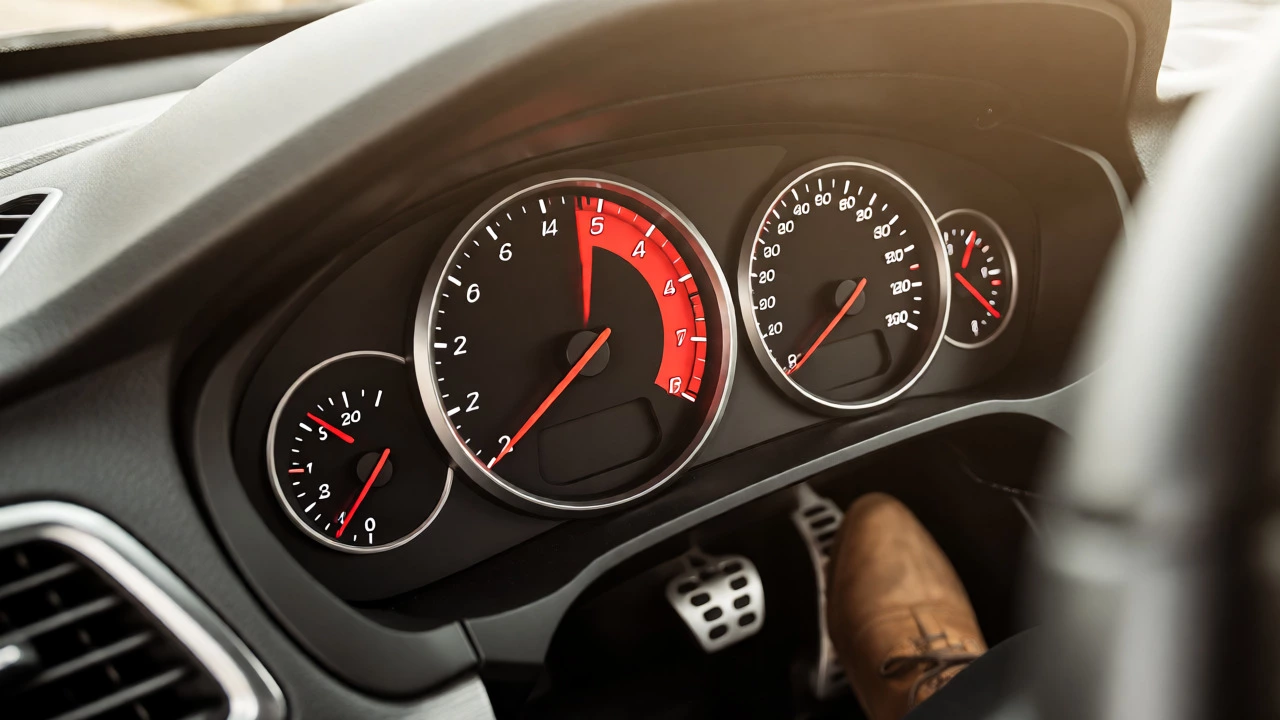
Find a safe, flat road. Get the car up to about 30 mph in 4th or 5th gear. Press the accelerator firmly-about half throttle. Watch your tachometer. If the RPMs rise significantly while the vehicle speed stays constant or rises very slowly, your clutch is slipping. The engine is spinning faster than the wheels because the friction interface isn’t holding.
Another sign is a burning smell. If you notice an acrid odor after hard acceleration, the friction disc is overheating due to slip. However, if the car jerks when you release the pedal, that’s often a different problem-usually related to the pressure plate fingers or oil contamination, not necessarily pure slip.
The Hydraulic System: The Usual Suspect
Most modern cars use hydraulic actuation. Unlike old cable systems, hydraulics rely on fluid pressure to move the throw-out bearing. If there is air in the system or a leak, the pedal won’t travel far enough to fully engage the pressure plate. This results in partial engagement, which feels exactly like a worn clutch.
| Symptom | Hydraulic Cause | Mechanical Cause | Fix Difficulty |
|---|---|---|---|
| Pedal sinks to floor | Master cylinder leak | Cable snapped/stretched | Medium |
| High engagement point | Air in lines | Linkage out of adjustment | Easy |
| Slipping under load | Slave cylinder bypassing | Worn fork pivot | Hard |
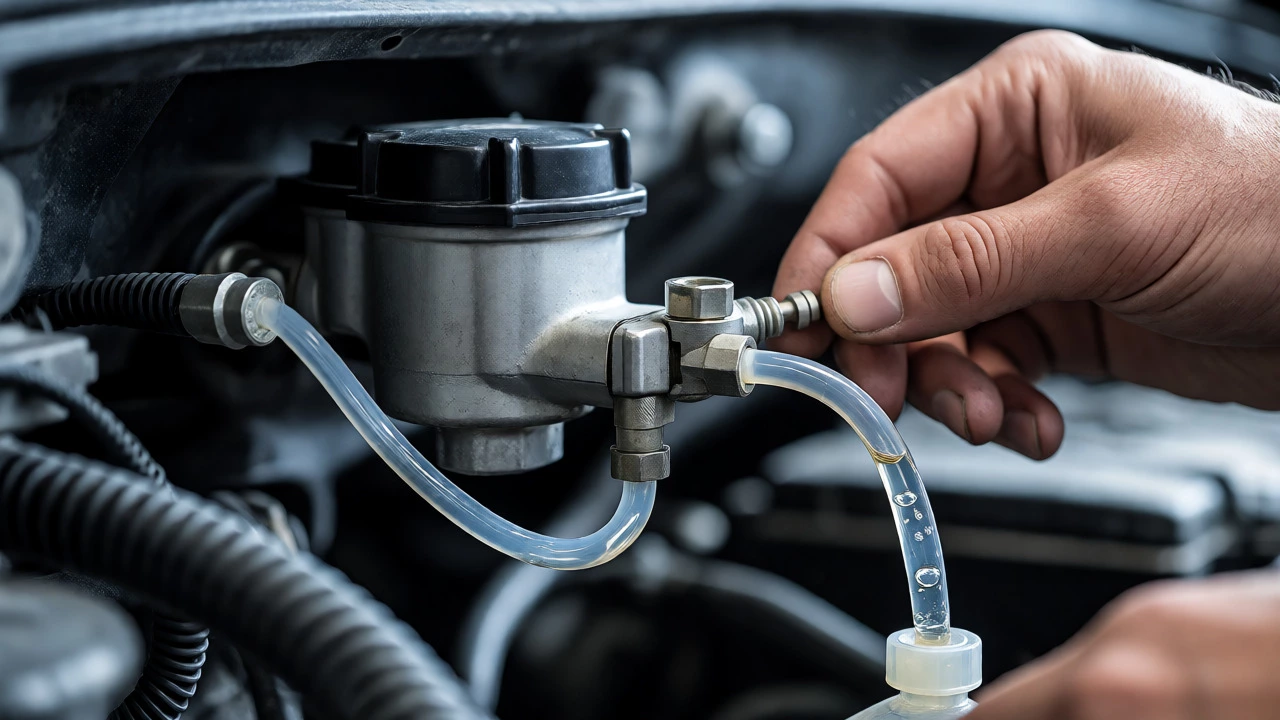
If your clutch fluid reservoir is low, you have a leak. Check the master cylinder near the firewall and the slave cylinder on the transmission bell housing. Even a slow drip means pressure loss. Top it up with DOT 4 brake fluid (check your owner’s manual, some use ATF) and bleed the system. Often, bleeding the clutch removes trapped air bubbles that were preventing full pedal travel. This single step fixes roughly 30% of "slipping" complaints in older vehicles.
Adjusting the Linkage and Pedal Free Play
On cars with cable-operated clutches (common in smaller hatchbacks and older trucks), the cable stretches over time. When this happens, the free play-the distance the pedal moves before the release bearing touches the diaphragm spring-increases too much. You end up pressing the pedal, but the clutch never fully engages.
Look for the adjuster nut on the clutch cable where it connects to the transmission lever. There should be about 1-2 inches of slack in the cable itself. If the cable is tight with no slack, the clutch is partially engaged all the time, leading to premature wear and heat. If there is too much slack, it slips under load. Adjust the nut until you restore the manufacturer’s specified free play. You’ll likely feel the bite point change immediately.
For hydraulic systems, some have adjustable pushrods on the master cylinder. Rotating this rod changes the initial position of the piston. If the rod is screwed in too far, the piston covers the compensating port, creating residual pressure that keeps the clutch slightly applied. Backing it off a few turns can restore proper return and engagement.
Contamination: Oil on the Friction Disc
This is a sneaky one. If your rear main seal (engine) or front input shaft seal (transmission) leaks, oil drips onto the clutch disc. Friction discs work on dry friction. Oil acts as a lubricant, drastically reducing grip. The result? Slip under heavy throttle, especially when cold.
Can you fix this without replacing the clutch? Sometimes. If the leak is minor and recent, you can try to clean it. Remove the inspection cover on the bottom of the bell housing. Use brake cleaner spray to wash away oil from the visible part of the flywheel and disc. Rotate the engine by hand (using a socket on the crank pulley bolt) to clean all sides. Let it dry completely. Drive gently for a week to burn off remaining residue. If the slip persists, the oil has soaked deep into the sintered metal or organic material, and replacement is inevitable.
Flywheel Resurfacing: Cleaning the Contact Surface
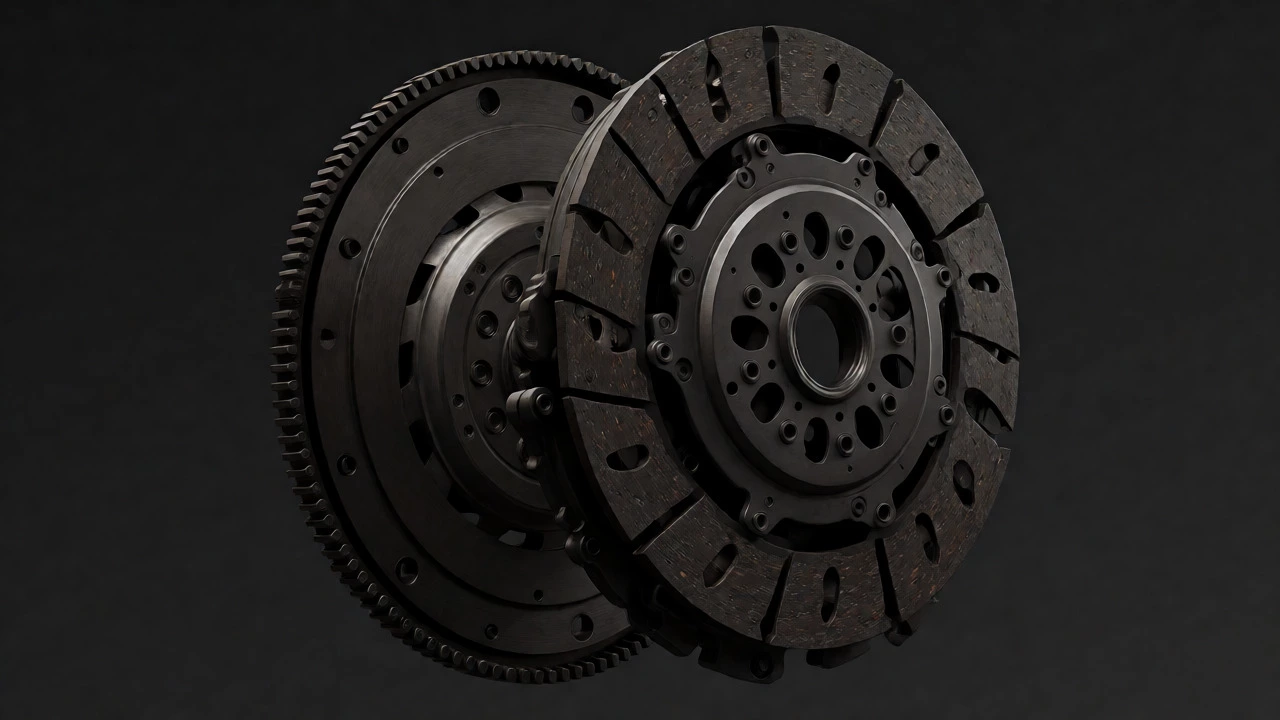
The flywheel is the mating surface for the clutch disc. Over time, it can become glazed (smooth and shiny) or develop hot spots. A glazed surface reduces friction coefficient. While severe scoring requires machining, light glazing can sometimes be addressed.
Access the flywheel through the bell housing inspection hole. Use a non-abrasive Scotch-Brite pad or fine emery cloth to lightly scuff the surface. Do not try to remove deep grooves; you want to break the shine, not cut metal. Clean thoroughly with brake cleaner to remove dust. This restores some grip. Note: If the flywheel is dual-mass (common in diesels), do not attempt to sand it. These have internal springs and dampers that can fail if disturbed. Dual-mass flywheels generally must be replaced as a unit.
When Replacement Is Unavoidable
Let’s be realistic. If you’ve adjusted the hydraulics, bled the lines, checked the seals, and cleaned the flywheel, and it still slips, the friction material is gone. Modern clutch discs have thin friction pads. Once they hit the rivets or the metal backing plate, there is nothing left to grab.
Also, consider the age of the pressure plate. The diaphragm spring loses tension over time due to heat cycling. A weak spring cannot clamp the disc tightly enough against the flywheel, even if the disc itself is new. In these cases, buying a new Luk or Sachs clutch kit is the only reliable solution. Trying to drive on a failing pressure plate can damage the flywheel further, turning a $300 job into a $800 one.
FAQ
Can I drive with a slipping clutch?
Yes, but carefully. Avoid high gears and steep hills. Keep RPMs low and shift earlier than usual. Driving aggressively will generate excessive heat, which can warp the flywheel and destroy the remaining friction material rapidly.
Why does my clutch slip only when hot?
Heat causes metal components to expand. If the hydraulic system has a small leak or air, expansion can reduce effective pressure. Additionally, the friction material may lose its coefficient of friction at higher temperatures if it's worn or contaminated.
Does adding thicker fluid help a slipping clutch?
No. Clutch hydraulics operate similarly to brakes. Using a fluid with a different viscosity than recommended can cause valve sticking or pump cavitation. Stick to the manufacturer-specified DOT rating or ATF type.
How long does a repaired slipping clutch last?
If the issue was purely hydraulic or linkage-related, the fix is permanent. If it was due to light glazing or minor oil contamination cleaning, it might last another 10,000-20,000 miles. Monitor performance closely.
Is it cheaper to replace the slave cylinder or the whole clutch?
Replacing just the slave cylinder is much cheaper ($50-$100 part). However, if the clutch is already slipping due to wear, replacing the slave cylinder won't fix the slip. Only do this if diagnostics prove the hydraulic pressure is the sole issue.