Engine Oil Viscosity Selector
Answer three quick questions to get a personalized recommendation for your vehicle's optimal oil grade.
Vehicle Profile
Fill in the details on the left to see your recommended oil grade.
Why This Recommendation?
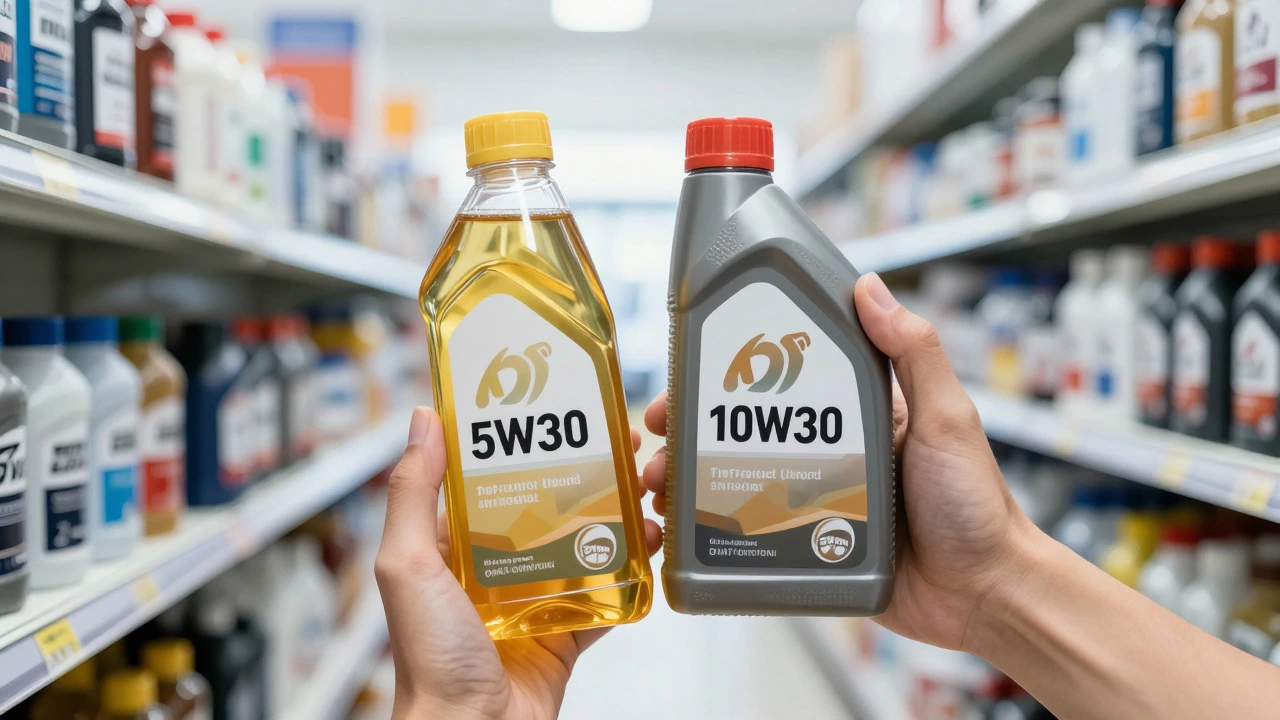
You’re standing in the car parts aisle, staring at two bottles of engine oil. One says 5W30, the other 10W30. They look nearly identical, but one might be saving your engine from wear while the other is quietly causing problems. The difference isn’t just a number-it’s about how thick the oil is when it’s freezing outside versus when the engine is hot.
Choosing the wrong viscosity can lead to poor fuel economy, increased engine noise, or even long-term damage. This guide breaks down exactly what those numbers mean, which cars need which oil, and how to make the right call without guessing.
Quick Summary / Key Takeaways
- 5W30 flows better in cold weather, making it ideal for UK winters and modern engines with tight tolerances.
- 10W30 offers slightly thicker protection at operating temperature, often used in older vehicles or hotter climates.
- Always check your owner’s manual first-manufacturer specs override general rules.
- Mixing oils is generally safe if both are full synthetic or mineral, but stick to one type for best results.
- If you live in Manchester or similar UK regions, 5W30 is usually the safer default for most cars built after 2000.
What Do the Numbers Actually Mean?
The “W” stands for winter. The number before it tells you how well the oil flows at low temperatures. A lower number means thinner oil when it’s cold. So, 5W oil flows more easily than 10W oil when the mercury drops. In Manchester, where winter mornings can hit -5°C or lower, this matters a lot. Thinner oil reaches critical engine parts faster, reducing wear during that crucial first minute of driving.
The number after the “W” indicates the oil’s thickness at 100°C (the standard operating temperature for most engines). Both 5W30 and 10W30 have the same “30” rating, meaning they behave almost identically once the engine is fully warmed up. The real difference shows up only during cold starts and warm-up phases.
Cold Start Performance: Where 5W30 Wins
Imagine starting your car on a frosty November morning in Salford. With 10W30, the oil is thicker, so it takes longer to circulate through the engine. During that delay, metal surfaces rub together with minimal lubrication. Over thousands of starts, this adds up to measurable wear.
With 5W30, the oil behaves more like water in the cold, rushing into bearings, camshafts, and piston rings quickly. Independent tests show that 5W oils reduce cold-start wear by up to 30% compared to 10W grades in sub-zero conditions. For drivers who regularly start their cars in winter, this is a significant advantage.
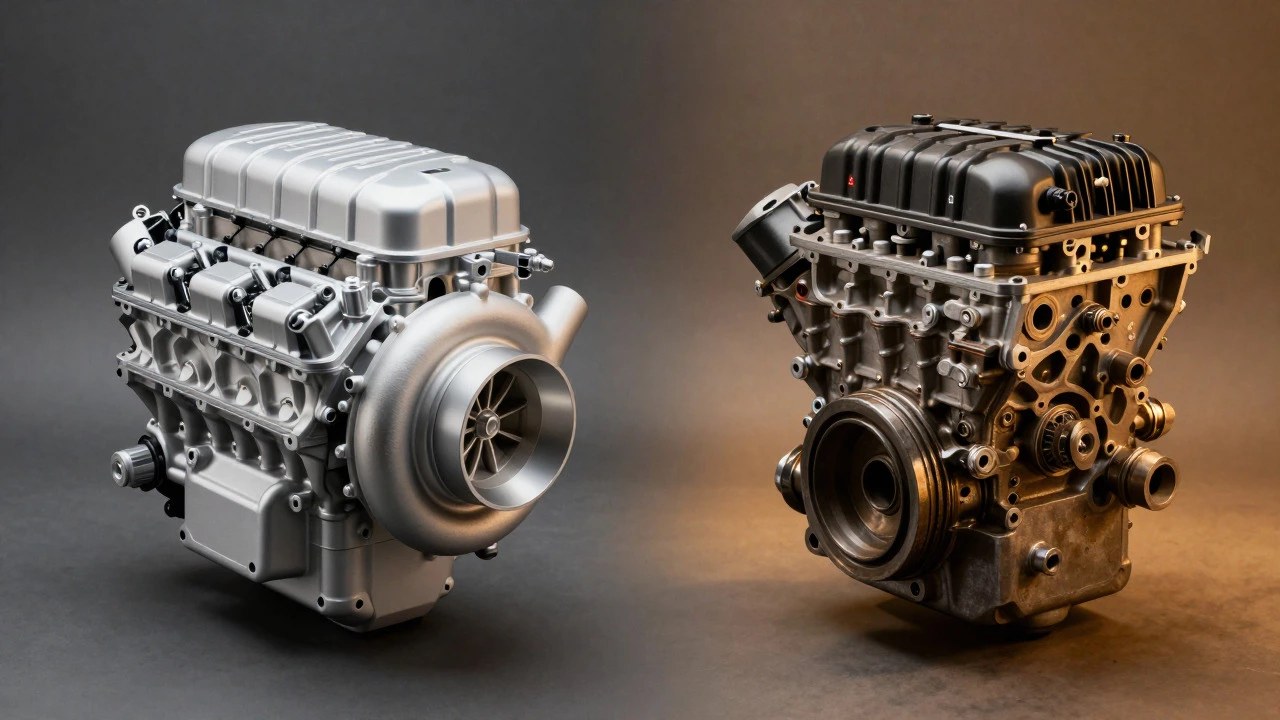
Modern engines, especially turbocharged units found in VW Golf GTIs, Ford Focus STs, or BMW 3 Series models, have tighter clearances between moving parts. These designs rely on fast oil flow to prevent overheating and maintain efficiency. That’s why manufacturers increasingly specify 5W30 or even 0W20 for newer models.

When 10W30 Might Be the Right Choice
Not every car needs the thinnest oil available. Some older vehicles, particularly those from the 1990s and early 2000s, were designed with looser tolerances. In these engines, 10W30 provides a slightly thicker film at operating temperature, which can help seal worn components and reduce oil consumption.
If you drive a classic Land Rover Defender or an older Nissan Patrol, your mechanic might recommend 10W30 to keep oil pressure stable. Also, if you frequently tow heavy loads or drive in consistently warm southern UK locations like Cornwall, the extra body of 10W30 can offer marginal protection against thermal breakdown.
However, don’t switch to 10W30 just because it feels “thicker.” If your owner’s manual specifies 5W30, deviating could void warranties or cause issues with variable valve timing systems that depend on precise oil flow rates.
Comparison Table: 5W30 vs 10W30
| Attribute | 5W30 | 10W30 |
|---|---|---|
| Cold Flow Temperature | -30°C | -25°C |
| Best For | Modern engines, cold climates | Older engines, warmer climates |
| Fuel Economy Impact | Slightly better due to lower friction | Negligible difference |
| Oil Pressure at Cold Start | Lower initially, rises faster | Higher initially, slower rise |
| Typical Use Case | VW, BMW, Ford post-2005 models | Pre-2000 trucks, SUVs, classics |
How to Choose the Right Oil for Your Car
Step one is always checking your owner’s manual. Look for the recommended SAE grade under “Engine Oil” or “Maintenance.” If it says 5W30, use 5W30. If it lists multiple options, pick the one matching your climate. For UK drivers, 5W30 is typically the primary recommendation unless specified otherwise.
Step two: consider your driving habits. Do you mostly do short urban trips? Cold starts happen more often, so 5W30 gives you better protection. Do you drive long highway stretches in summer? The difference becomes less critical, but sticking to the manufacturer spec still matters for warranty and longevity.
Step three: check the API or ACEA certification. Not all 5W30 oils are created equal. Look for ACEA C2/C3 for European cars or API SP for North American standards. These codes ensure the oil meets performance benchmarks for detergency, oxidation resistance, and fuel economy.
Common Mistakes to Avoid
- Assuming “higher number = better protection.” More viscosity doesn’t always mean better lubrication-it can increase drag and heat buildup.
- Ignoring the “W” rating. In the UK, winter conditions make the cold-flow number critical, not just the operating temperature number.
- Mixing different base oils unnecessarily. While full synthetic and mineral oils can mix in emergencies, frequent mixing dilutes performance benefits.
- Using cheaper unbranded oils. Reputable brands like Castrol, Mobil 1, or Shell Helix undergo rigorous testing to meet OEM specs. Cheap knock-offs may fail under stress.
FAQ
Can I use 10W30 instead of 5W30 in my car?
Technically yes, but it’s not recommended. 10W30 flows slower in cold weather, which can increase wear during startup. Only use it if your owner’s manual explicitly allows it or if you’re running an older engine with known oil consumption issues.
Is 5W30 better for diesel engines?
Yes, most modern diesel engines in the UK require 5W30 or 5W40. Diesel engines operate at higher compression ratios and temperatures, but the cold-start benefit of 5W remains important for protecting injectors and turbochargers.
Does 5W30 burn off faster than 10W30?
Slightly, yes. Thinner oils can evaporate marginally faster under high heat, but modern formulations include additives that minimize this. Check your dipstick regularly, especially if you drive aggressively or in hot weather.
What happens if I put 10W30 in a car that needs 5W30?
You won’t destroy the engine immediately, but you’ll lose cold-start protection. Over time, this can lead to increased wear, slightly reduced fuel economy, and potential issues with variable valve timing systems. It’s not ideal, but acceptable as a temporary fix until you get the correct oil.
Is full synthetic 5W30 worth the extra cost over mineral?
For most modern cars, yes. Full synthetic oils last longer, perform better in extreme temperatures, and protect engines more effectively. The price difference is small compared to the cost of engine repair. Mineral oil is only suitable for very old vehicles or short-distance driving in mild climates.