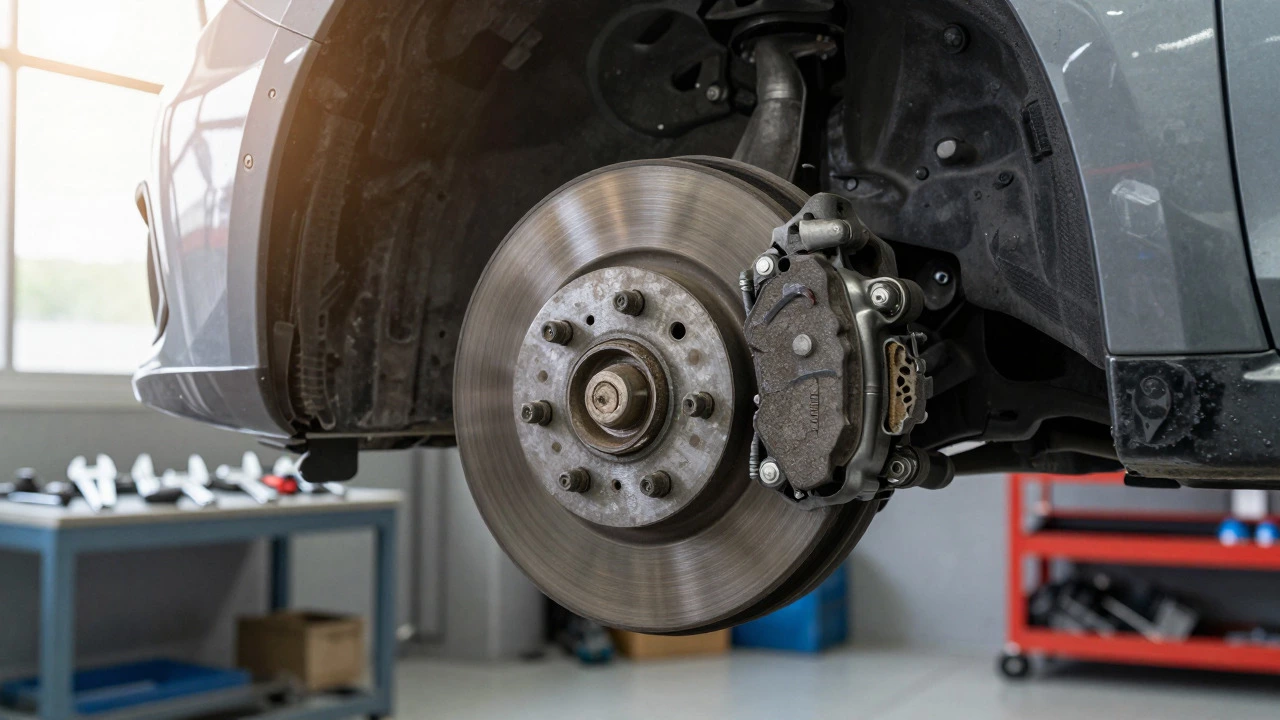
Brake Job Cost Estimator
Configuration
Estimated Total
Cost Breakdown
There is nothing quite as unsettling as that high-pitched squeal coming from your wheels while you’re driving down the M60. It’s a sound that demands attention, but before you panic about safety, your mind probably jumps to one question: how much is this going to set me back? The short answer is anywhere from £50 for a budget DIY kit to over £300 if you want a dealership to handle it. But getting the right number requires looking at more than just the sticker price on a box of friction material.
In 2026, with supply chains having stabilized after the previous years' shortages and electric vehicles changing the landscape of wear and tear, understanding brake pad costs is less about guessing and more about knowing what you are paying for. Are you buying ceramic longevity or semi-metallic grip? Are you paying for labor because you can’t reach the caliper bolts yourself? Let’s break down exactly where your money goes when you need new brakes.
The Base Price of Brake Pads
If you walk into an auto parts store or browse online, you will see a wide range of prices. This isn’t random; it reflects the materials used and the engineering behind them. Generally, brake pads fall into three main categories, each with a distinct price point.
| Type | Price Range (GBP) | Best For |
|---|---|---|
| Organic/NAO | £15 - £40 | Daily city driving, older cars |
| Semi-Metallic | £30 - £70 | Towing, heavy loads, performance |
| Ceramic | £50 - £120+ | Luxury cars, low dust, quiet operation |
Organic pads, also known as Non-Asbestos Organic (NAO), are the cheapest option. They are made from materials like glass, rubber, and Kevlar. They are soft, which means they wear out faster, but they are gentle on your rotors. If you drive a small hatchback around Manchester traffic, these might suffice, but don’t expect them to last more than 20,000 miles.
Semi-metallic pads contain metal fibers like steel or copper. They are tougher and handle heat better, making them ideal if you tow a caravan or drive a heavier SUV. They tend to be noisier and can wear down your rotors quicker, but they offer solid stopping power for a moderate price.
Ceramic pads are the premium choice. Made from ceramic fibers and copper fillers, they run quieter, produce very little dust (keeping your wheels cleaner), and last significantly longer-often up to 50,000 miles. However, they come with a higher upfront cost. If you own a modern BMW or Mercedes, the manufacturer likely specifies ceramic pads to maintain that smooth, silent ride quality.
The Labor Factor: DIY vs. Mechanic
The cost of the pads themselves is often only half the story. Unless you have a jack, wheel spanners, and a bit of mechanical confidence, you are going to pay someone else to do the job. In the UK, labor rates vary wildly between independent garages and main dealerships.
An independent mechanic in a place like Salford or Greater Manchester might charge between £80 and £120 for labor per axle. A main dealer could easily charge £150 to £200 for the same job. Why the difference? Dealerships use specialized diagnostic tools and follow strict manufacturer protocols, which takes time. Independent shops are often faster and more flexible.
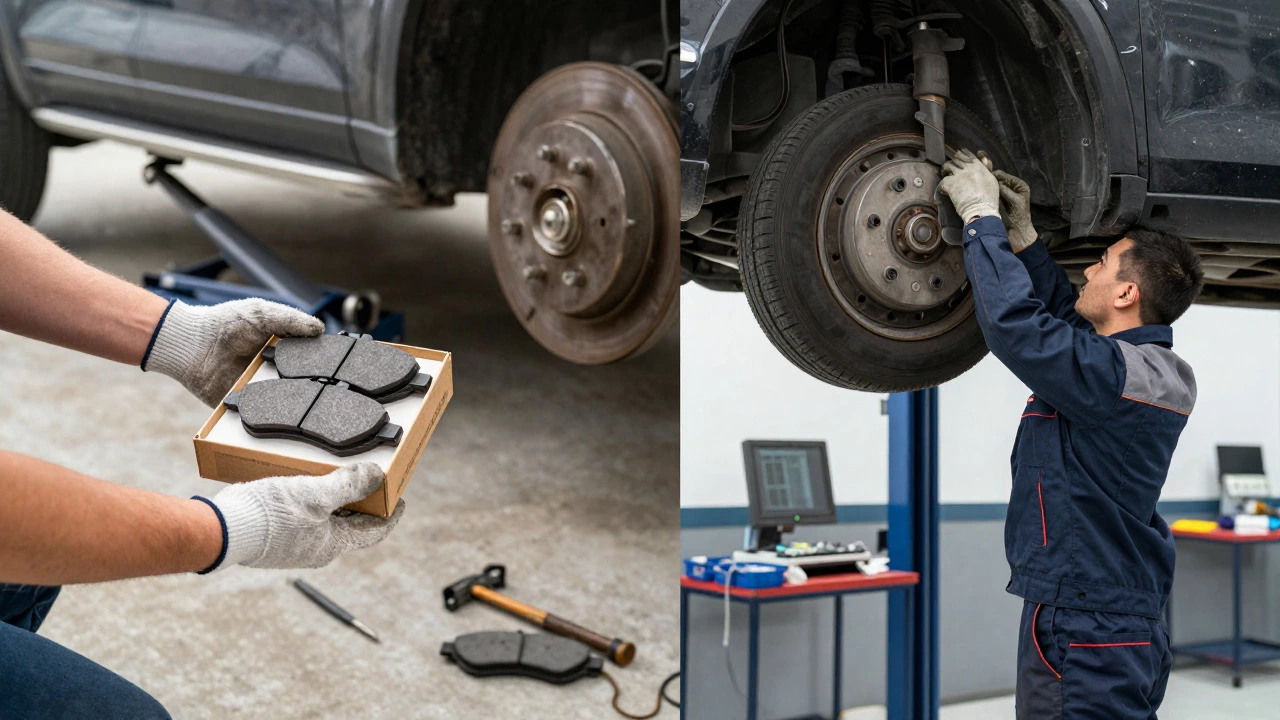
If you choose to do it yourself, your cost drops to just the price of the parts plus maybe £10 for brake fluid and cleaning supplies. Replacing front brake pads is relatively straightforward: lift the car, remove the wheel, unbolt the caliper, swap the pads, and press the piston back in. Rear brakes can be trickier, especially on cars with electronic parking brakes, which require a scan tool to retract the caliper piston electronically. Without that tool, a DIY rear brake job becomes impossible.
Hidden Costs That Blow Your Budget
You might think you’re saving money by buying cheap pads, but hidden issues can quickly erase those savings. Here are the common extras that mechanics will quote you:
- Brake Rotors (Discs): If your rotors are warped, scored, or below minimum thickness, new pads won’t help. You’ll feel vibration in the steering wheel or pedal. Resurfacing a rotor costs about £40-£60 per disc, but replacing them is safer and often cheaper in the long run (£80-£150 per axle).
- Brake Fluid Flush: Old brake fluid absorbs moisture, reducing boiling points. Mechanics often recommend flushing it during a brake job, adding £30-£50 to the bill.
- Caliper Service: Sticking calipers cause uneven wear. Cleaning or rebuilding them adds labor time and cost.
- Anti-Squeal Shims: Some premium kits include these; others don’t. They prevent noise and cost a few pounds extra.
A smart approach is to ask for a full inspection before agreeing to any work. A reputable mechanic will show you photos of your worn parts so you can decide if you really need new rotors or if resurfacing is enough.
Brand Differences: OEM vs. Aftermarket
Another major factor in pricing is whether you buy Original Equipment Manufacturer (OEM) parts or aftermarket alternatives. OEM pads are made by the same company that supplied the factory, like Brembo, TRW, or Akebono. These ensure consistent performance and fitment but carry a brand premium.
Aftermarket brands like Ferodo, Pagid, or generic store brands offer competitive pricing. Many aftermarket pads meet or exceed OEM specifications. For example, Ferodo’s XtraLife series is designed specifically to reduce wear on rotors, offering a good balance of cost and longevity for everyday drivers.
Be cautious of ultra-cheap, no-name brands found on marketplaces. Poorly formulated pads can glaze over, leading to reduced braking efficiency and potential safety risks. When it comes to stopping your 1.5-tonne vehicle, cutting corners on friction material is rarely worth the risk.
Electric Vehicles: A Different Story
If you drive an electric vehicle (EV) like a Tesla Model 3 or a Nissan Leaf, your brake pads might last twice as long as those in a petrol car. EVs use regenerative braking, where the motor slows the car and recaptures energy, reducing reliance on physical brake pads. This means you might go 60,000 miles or more before needing replacements.
However, because they are used less, EV brake components can corrode or seize if not maintained properly. Mechanics sometimes need to manually move the calipers periodically to prevent sticking. Also, EV-specific brake pads may have different formulations to handle intermittent use, potentially affecting availability and price slightly.
When Is It Time to Replace?
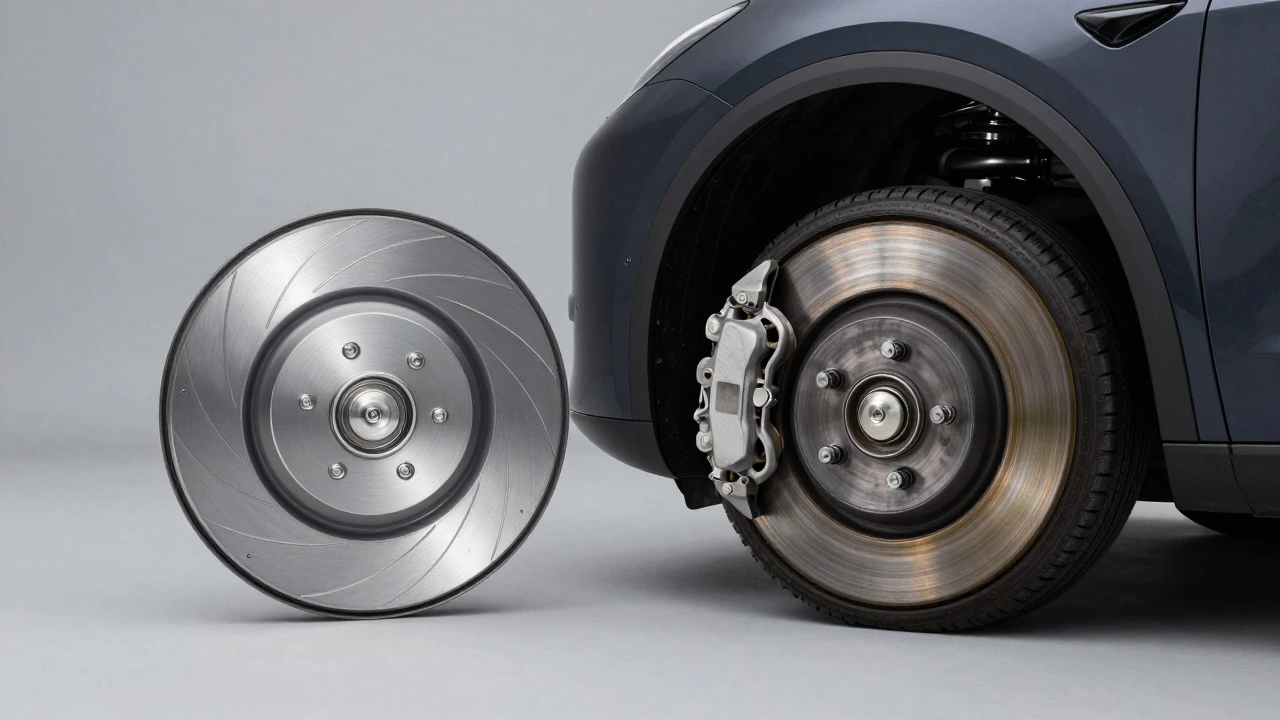
Don’t wait for the warning light. Modern cars have sensors that beep when pads are thin, but by then, you’re already close to damaging your rotors. Look for these signs:
- Squealing or grinding noises when braking
- Vibration in the brake pedal or steering wheel
- Longer stopping distances
- Visual inspection: if the pad material is less than 3mm thick, replace them immediately
Regular checks every 10,000 miles can save you hundreds by catching wear early. If you notice any unusual behavior, get it checked sooner rather than later.
Money-Saving Tips for Brake Jobs
Want to keep costs down without compromising safety? Try these strategies:
- Buy Online: Websites like Autodoc, Halfords, or Amazon often sell brake pads for 30-50% less than local stores. Just ensure compatibility with your specific car model.
- Combine Services: If you’re due for an oil change or tire rotation, ask if the garage can do brakes simultaneously. Sometimes labor discounts apply for multiple services.
- Choose Mid-Range Pads: Skip the cheapest organic and the most expensive ceramic unless necessary. Semi-metallic or mid-tier ceramic offers the best value for most drivers.
- DIY Front Brakes: If you’re handy, tackle the front brakes yourself. Leave rear brakes to professionals if your car has complex electronic systems.
- Get Multiple Quotes: Call three independent garages. Prices can vary by £50+ for the same job.
Remember, the goal isn’t just to spend less-it’s to spend wisely. Cheap brakes that fail are far more expensive than reliable ones that last.
How often should I replace brake pads?
Most brake pads last between 30,000 and 70,000 miles, depending on driving habits, pad type, and vehicle weight. City drivers who brake frequently may need replacements sooner, while highway drivers might stretch them longer. Always check thickness during routine maintenance.
Can I replace brake pads myself?
Yes, front brake pad replacement is a manageable DIY task for most people with basic tools. You’ll need a jack, wheel spanner, socket set, and brake cleaner. Rear brakes can be more complex, especially with electronic parking brakes, so professional help is recommended for those.
Are ceramic brake pads worth the extra cost?
For daily drivers seeking quiet operation and clean wheels, yes. Ceramic pads last longer, produce less dust, and are gentler on rotors. They’re ideal for luxury cars or commuters. For towing or track use, semi-metallic pads offer better heat resistance despite being noisier.
Why do my brakes squeak after replacement?
Squeaking can result from improper installation, lack of lubrication on contact points, or low-quality pads. Ensure anti-squeal shims are installed correctly and caliper slides are greased. If noise persists, try a different pad brand or consult a mechanic.
Do I need to replace both front and rear brake pads at the same time?
Not necessarily. Front brakes typically wear faster due to weight transfer during braking. Check wear levels individually. However, always replace pads in pairs (left and right) on the same axle to maintain balanced braking performance.