Spark Plug Problem Diagnostic Tool
What symptom are you experiencing?
You just spent an hour under the hood and a decent chunk of change on premium spark plugs. You expected smoother idling and better fuel economy. Instead, your car is stumbling, shaking, or refusing to start altogether. It feels like you made things worse by fixing them. That frustration is real, but it’s almost never because the new parts are bad. Usually, it’s because something small went wrong during installation that threw off the delicate balance of your engine's ignition system.
When an engine runs poorly after a spark plug job, it’s typically due to one of three things: incorrect installation technique, compatibility errors with the specific engine design, or a pre-existing issue that the new plugs exposed. Let’s break down exactly what happens inside the cylinder when things go wrong and how to fix it without paying for a tow truck.
The Gap Is Wrong (Or Missing)
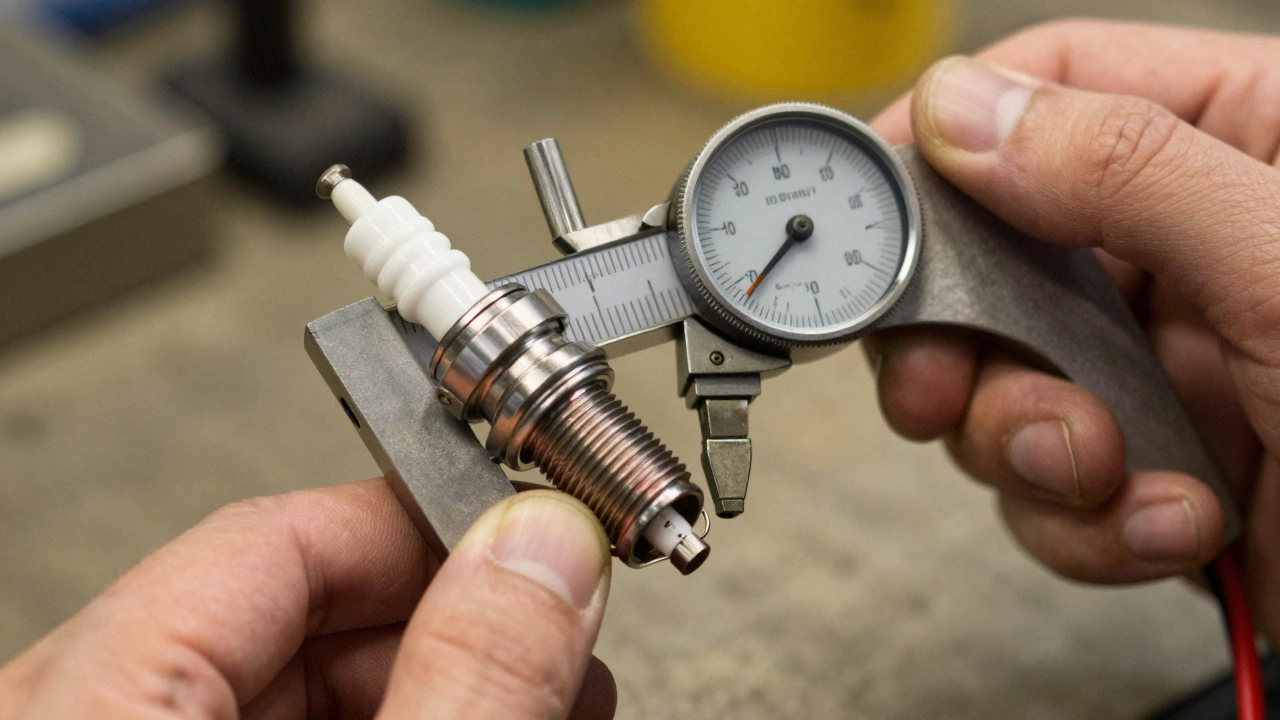
The most common reason for poor performance after changing spark plugs is incorrect electrode gap settings. The gap is the tiny space between the center electrode and the ground strap. This distance determines how much voltage is needed to jump the spark across the air-fuel mixture. If the gap is too wide, the ignition coil has to work harder to create the spark. In many cases, it simply can’t make the jump, leading to a missed combustion event known as a misfire. If the gap is too narrow, the spark might be weak, causing incomplete burning of fuel.
Many modern cars come with pre-gapped plugs from the manufacturer. However, shipping vibrations can knock these out of alignment. More importantly, if you bought generic aftermarket plugs instead of OEM (Original Equipment Manufacturer) specified ones, they likely arrived with a standard gap that doesn't match your engine’s requirements. For example, a direct injection engine might require a tighter gap than an older port-injection model. Always check your owner’s manual or the sticker under the hood for the exact millimeter specification. Use a feeler gauge to verify it before dropping them into the threads. Don't guess with a coin or a screwdriver; precision matters here.
Torque Specs Were Ignored
We’ve all been there: you tighten the plug until it feels snug. But "snug" is subjective and dangerous for aluminum engine blocks. Torque specifications are critical measurements for spark plug installation to prevent thread damage or overheating. If you overtighten a copper core resistor plug, you compress the insulator. This compression changes the internal resistance and can crack the ceramic housing microscopically. Over time, this leads to heat buildup. A hot plug glows red, which causes pre-ignition. Pre-ignition destroys pistons and valves. Conversely, if you undertighten, the plug isn’t seated properly against the cylinder head. Heat escapes through the threads instead of transferring into the cooling system. The plug runs too hot, fouls with carbon deposits quickly, and performance drops.
Most modern iridium and platinum plugs have a specific torque range, often lower than older copper plugs-sometimes as low as 8 to 10 foot-pounds. Using a torque wrench is non-negotiable for longevity. If you don’t have one, use the quarter-turn method: hand-tighten until seated, then turn an additional 1/4 turn. But know that this is less accurate than using a wrench calibrated to the manufacturer’s spec sheet.
Wrong Heat Range for Your Engine
Spark plugs aren't one-size-fits-all. They have a "heat range," which describes how well the plug dissipates heat from the combustion chamber. A "hot" plug retains more heat to burn off carbon deposits, while a "cold" plug transfers heat away faster to prevent pre-ignition in high-performance scenarios. If you installed a plug with the wrong heat range, your engine will run terribly.
Imagine putting a cold-rated racing plug in a daily driver that does lots of city driving at low speeds. The plug won’t get hot enough to self-clean. Carbon builds up on the electrodes within days. This carbon acts as an insulator, blocking the spark. You’ll experience rough idling and hesitation when accelerating. On the flip side, installing a hot plug in a turbocharged or high-compression engine creates a risk of detonation. The plug stays so hot that it ignites the fuel-air mixture before the piston reaches top dead center. This causes knocking sounds and severe power loss. Always cross-reference the part number with your vehicle’s VIN to ensure the heat range matches the factory design.
Igitation Coils Took a Hit During Removal
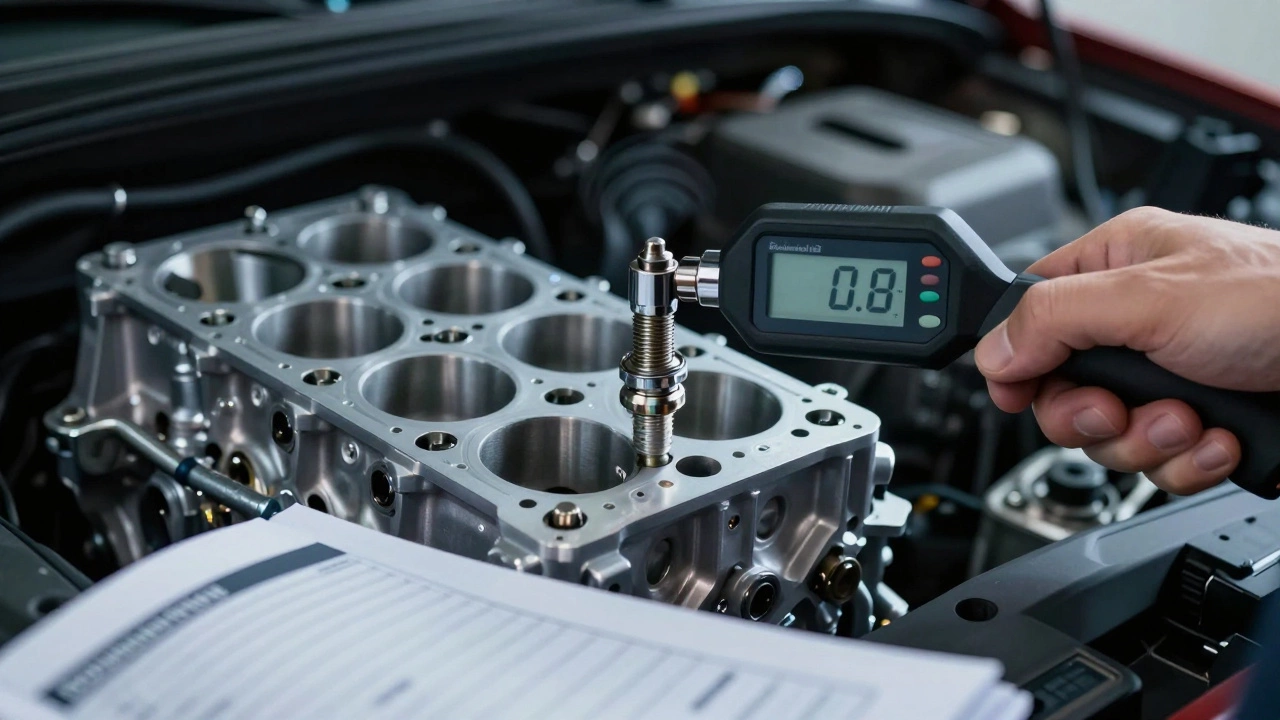
Often, the problem isn’t the plug itself, but the component sitting right on top of it: the ignition coil is the device that transforms low voltage from the battery into high voltage for the spark plug. When you remove old plugs, you usually have to pry off or unscrew the coils. These components are fragile. The rubber boots can tear, or the internal windings can shift if you twist them too aggressively. If you damaged a coil boot, it might still look intact, but moisture and oil can seep in, causing arcing. Arcing means the electricity leaks out before reaching the plug. You lose spark strength, resulting in a lazy, unresponsive throttle.
Check each coil boot for cracks or tears. Look for white powdery residue around the base of the coil, which indicates electrical tracking (arcing). If you suspect a coil was damaged during removal, swap it with a working cylinder’s coil. If the misfire moves to the other cylinder, the coil is dead. Replacing a coil is cheap compared to diagnosing a phantom misfire for weeks.
Fouled Plugs Due to Oil or Fuel Leaks
Sometimes, the new plugs arrive clean, but they leave dirty. If your car burns oil or has leaking valve stem seals, fresh oil can drip onto the new electrodes immediately. Oil fouling looks black and wet. It shorts out the spark. Similarly, if you have a rich fuel condition-perhaps from a stuck injector or a faulty oxygen sensor-the excess gasoline washes the insulator tip. This is called fuel fouling. It also prevents sparking. If you changed plugs and noticed oil or gas in the wells where the plugs sit, the underlying mechanical issue hasn’t been fixed. The new plugs just became victims of the same environment that killed the old ones. Check for blue smoke on startup (oil leak) or a strong gas smell (fuel leak).
Thread Damage or Cross-Threading
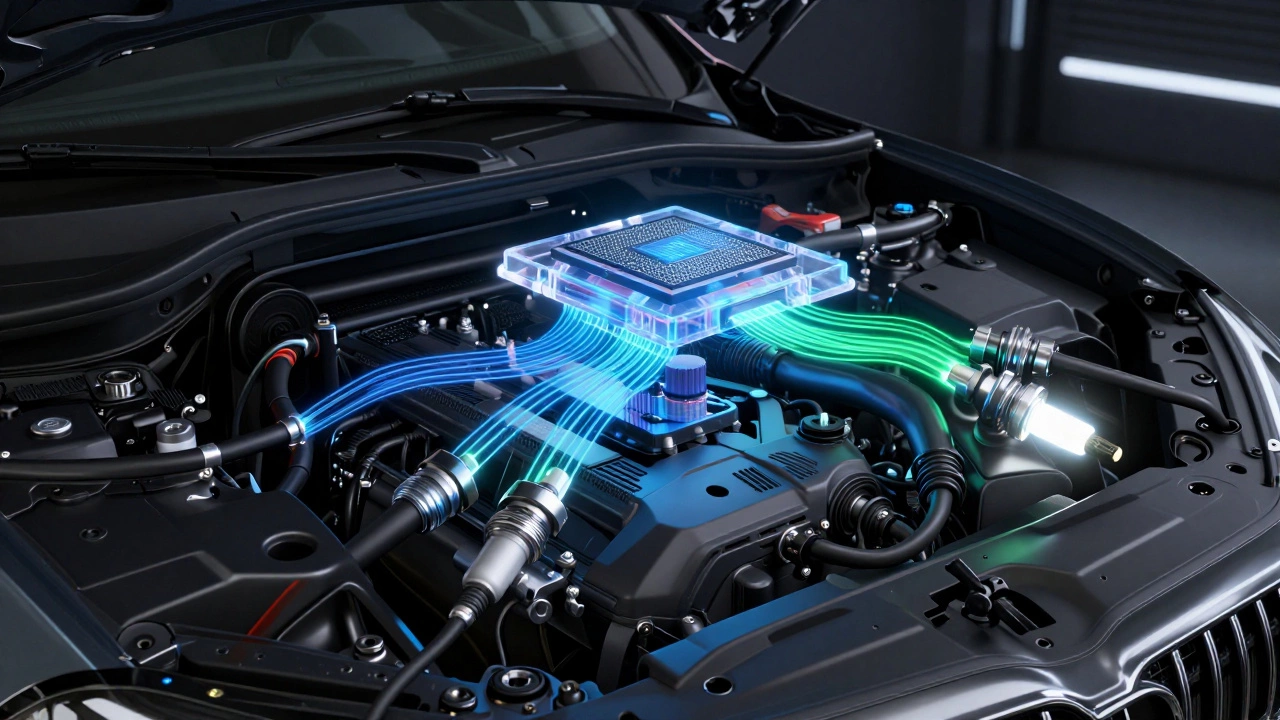
This is the nightmare scenario. If the plug wasn’t started straight, it cross-threaded. You might not have felt it if you forced it with a socket extension. Cross-threading strips the threads in the aluminum head. The plug sits loose, no matter how tight you crank it. Compression leaks past the threads. The engine loses power, runs rough, and may overheat. Even worse, if a fragment of the plug broke off inside the cylinder, you have metal debris in your combustion chamber. Stop driving immediately. Do not try to force-start the engine. This requires professional extraction to avoid destroying the piston.
To avoid this, always use a spark plug socket with a magnetic insert or rubber sleeve. Start the plug by hand, without any tools, for the first two turns. If it spins freely, you’re good. If it binds, back it out and check for debris or stripped threads.
ECU Adaptation and Reset Needs
Modern cars have sophisticated Engine Control Units (ECUs) that learn your driving habits and compensate for wear. If your old plugs were worn out, the ECU might have adjusted ignition timing and fuel mixtures to keep the car running smoothly. When you install fresh plugs, the ignition becomes more efficient instantly. The ECU doesn’t know this yet. It continues sending the "compensated" signals, which now result in a lean mixture or retarded timing. This can cause hesitation or rough idle for the first 50 to 100 miles.
In most cases, the ECU will relearn the correct parameters automatically. However, if the drivability issues are severe, you might need to reset the ECU. Disconnecting the negative battery terminal for 15 minutes can clear adaptive memory. Alternatively, some vehicles have a specific procedure involving the brake pedal and accelerator to reset trims. Consult your service manual. Note that resetting the ECU will also erase radio presets and learned key fob locations, so be prepared for minor inconveniences.
| Symptom | Likely Cause | Immediate Fix |
|---|---|---|
| Rough Idle / Shaking | Incorrect Gap or Fouling | Re-check gaps; inspect for oil/gas |
| Check Engine Light (Misfire Code) | Damaged Coil or Wrong Plug Type | Swap coils to test; verify part number |
| Hard Starting | Overtightened Plugs or Weak Spark | Remove and re-gap; check torque |
| Kicking Back / Pinging | Pre-ignition (Heat Range Too Hot) | Replace with colder rated plugs |
| No Start | Cross-threaded or Broken Plug | Do not drive; seek professional help |
How to Verify the Installation Was Successful
Before you declare victory, perform a quick diagnostic. Start the engine and listen. A healthy engine sounds rhythmic and smooth. Any popping or sputtering indicates a miss. Use an OBD2 scanner to check for pending codes. Even if the Check Engine Light isn’t on, pending misfire codes (P0300-P0306) can tell you which cylinder is struggling. Pull the new plugs after 100 miles. They should look tan or light gray. Black and oily means oil leakage. White and blistered means overheating. Dark black and dry means a rich fuel mixture. The color tells you the health of the entire ignition and fuel system.
Can I drive my car if it runs rough after changing spark plugs?
You should avoid long trips or high-speed driving. Rough running indicates misfires, which send unburnt fuel into the exhaust. This can damage your catalytic converter, a very expensive part. Drive gently to a mechanic or home garage to diagnose the issue. Short distances at low speeds are generally safe, but monitor the temperature gauge closely.
Do I need to gap iridium spark plugs?
Iridium plugs have very fine wires that are easily bent. Most manufacturers pre-gap them correctly. However, you should always verify the gap with a digital feeler gauge. Never use a flat tool to adjust the ground electrode on an iridium plug, as this can strip the precious metal coating. If adjustment is needed, bend the ground strap carefully with round-nose pliers, but only if absolutely necessary.
Why does my car shake only at idle after new plugs?
Shaking at idle often points to a vacuum leak or a specific cylinder misfire. If the gap is slightly off, the engine might struggle to maintain stability at low RPMs where airflow is minimal. Check for loose intake hoses near the throttle body. Also, ensure the ignition coils are fully seated and locked into place. A loose coil connection causes intermittent sparks that feel like vibration.
Is it normal for the Check Engine Light to come on after replacing plugs?
No, it is not normal. If the light came on immediately, you likely have a wiring issue, a damaged coil, or a severely gapped plug. If it comes on after a few days, the ECU may be detecting a persistent misfire code. Retrieve the code with an OBD2 scanner. A P030X code identifies the specific cylinder. Swap the coil and plug from that cylinder to another position. If the code moves, the part is bad. If the code stays, the issue is elsewhere (injector, compression).
How tight should spark plugs be if I don't have a torque wrench?
Without a torque wrench, use the "hand-tight plus quarter-turn" method. Thread the plug in by hand until it seats. Then, use a ratchet to turn it exactly 90 degrees (a quarter turn). This is a rough estimate and works best for tapered-seat plugs. For gasket-type plugs, it’s closer to half a turn. Remember, this method is less precise than a torque wrench and carries a higher risk of overtightening aluminum heads. Invest in a small click-type torque wrench for future jobs.