Bad Shocks Risk & Cost Calculator
Your Situation
Risk Analysis
Select your driving conditions and symptoms, then click "Assess Risk & Costs" to see your results.
💰 Estimated Hidden Costs of Delaying Repair
There is a distinct feeling when your car starts to float over bumps instead of absorbing them. It feels like you are riding in a boat rather than a vehicle. For many drivers, this uncomfortable ride quality is the first warning that their shock absorbers are failing. The immediate question on everyone’s mind is simple: how long can I safely continue driving before something breaks or, worse, causes an accident?
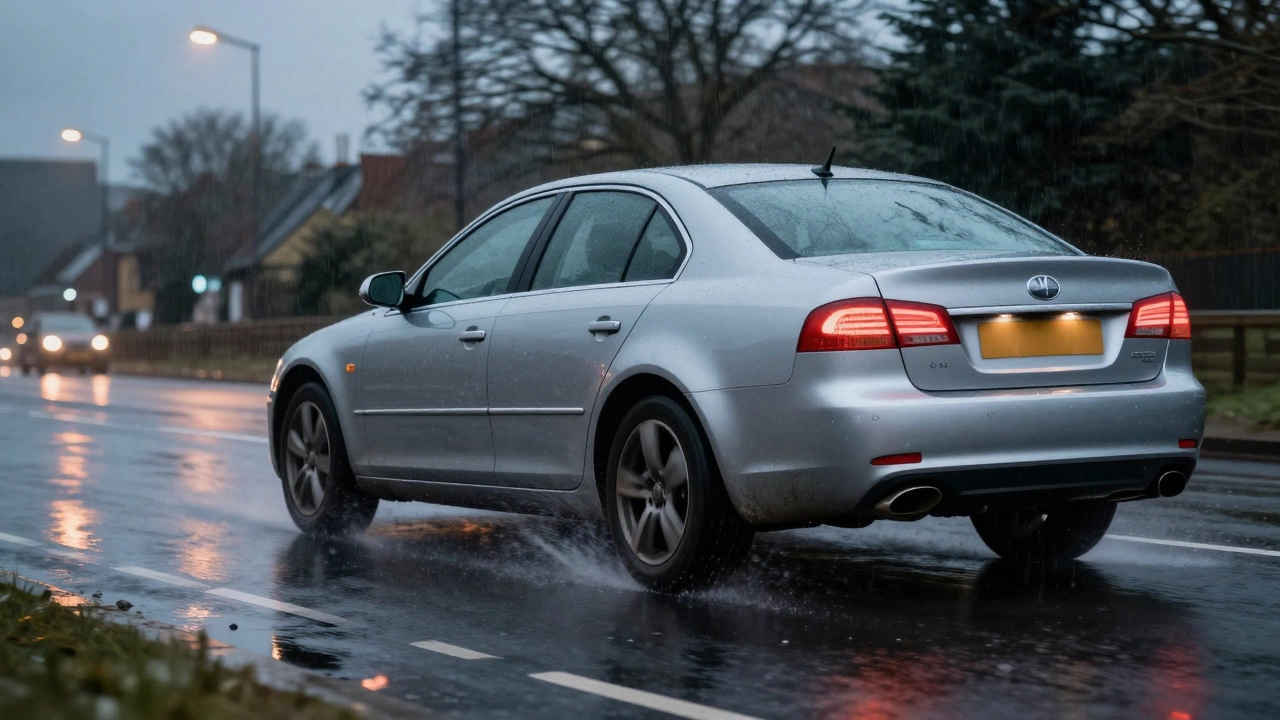
The honest answer is that you should not drive with bad shocks for any extended period. While your car might technically move forward for weeks or even months, every mile adds risk. Worn shocks compromise braking distance, steering control, and tire integrity. In the UK, where weather conditions change rapidly from dry pavement to slick rain within minutes, losing grip because of poor suspension is a dangerous gamble. This guide breaks down exactly what happens when you ignore worn shocks, how to spot the early signs, and why delaying replacement costs more than just discomfort.
The Hidden Dangers of Driving With Worn Shocks
Many people treat worn shocks as a nuisance rather than a safety hazard. They think, "It’s just bouncy; it won’t kill me." But the physics of vehicle dynamics tell a different story. Shock absorbers do not support the weight of the car-that is the job of the springs. Instead, shocks control the rate at which the springs compress and rebound. When they fail, the wheels lose consistent contact with the road surface.
This loss of contact has three critical consequences:
- Increased Braking Distance: On a dry road, worn shocks might add only a few feet to your stopping distance. On wet or icy roads, however, the difference can be several meters. If your front end dives too hard during braking, the rear tires lift slightly, reducing traction. Conversely, if the rear sags, the front loses grip. Both scenarios mean you need more room to stop safely.
- Reduced Steering Precision: When cornering, excessive body roll shifts the vehicle’s center of gravity. This makes the car feel sluggish and unpredictable. In emergency maneuvers, such as swerving to avoid a pedestrian or debris, a car with bad shocks may understeer (plow straight) or oversteer (spin out), leaving you with less control.
- Tire Damage: Without proper damping, the tires bounce excessively. This creates uneven wear patterns, often seen as "cupping" or scalloping on the tread. Not only does this ruin expensive tires prematurely, but the irregular surface also amplifies noise and vibration, further degrading handling.
In Manchester, where we frequently encounter heavy rain and occasional frost, maintaining maximum tire-to-road contact is non-negotiable. Ignoring bad shocks turns a manageable drive into a potential liability.
How to Identify Failing Shock Absorbers
You do not need a mechanic to diagnose basic shock issues. Several visual and auditory clues indicate that your suspension needs attention. Regular self-checks can save you from unexpected failures.
The Bounce Test Press down firmly on one corner of your vehicle and release it. A healthy suspension will bounce once and settle. If it continues to bounce two or more times, the dampening ability is gone. Repeat this for all four corners. Note that some modern cars with adaptive suspension may behave differently, so consult your manual if unsure.
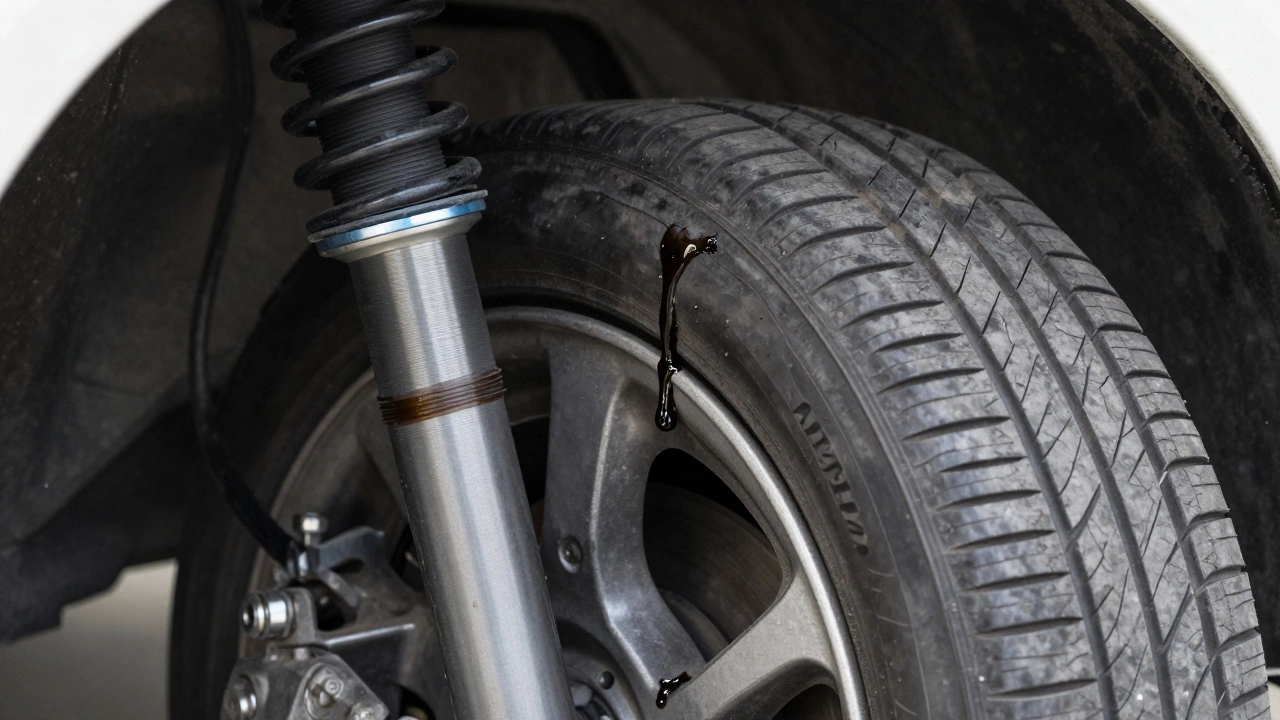
Visual Inspection Look at the shock absorbers themselves. Most conventional shocks have rubber boots and dust covers. If you see oil leaking around the shaft or dripping onto the wheel well, the seals have failed. A slight film of oil is normal due to heat, but active dripping or puddles underneath the car after parking indicate significant wear. Also check for physical damage-bent mounts or torn boots expose the internal components to dirt and moisture, accelerating failure.
Driving Symptoms Pay attention to how the car behaves. Do you hear clunking noises when going over speed bumps or potholes? That sound usually comes from loose bushings or broken mounts associated with the shocks. Does the nose dive dramatically when you brake? Or does the rear squat heavily when accelerating? These symptoms point to weak damping forces that can no longer control the spring energy.
| Symptom | Indicates Failure? | Action Required |
|---|---|---|
| Excessive bouncing after bump | Yes | Replace shocks immediately |
| Oil leakage on shock body | Yes | Inspect and likely replace |
| Cupped tire tread | Yes | Check alignment and shocks |
| Clunking over bumps | Often | Check mounts and bushings |
| Mild squeak on cold start | No | Lubricate or monitor |
Factors That Determine How Long You Can Wait
If you cannot replace the shocks today, several factors influence how much longer you can safely delay the repair. There is no universal timeline, but context matters significantly.
Driving Conditions If you primarily commute on smooth city streets at low speeds, the risk is lower than if you frequently travel on motorways or rough rural roads. High-speed driving amplifies instability caused by bad shocks. A minor wobble at 30 mph becomes a dangerous sway at 70 mph. Similarly, frequent highway merging requires precise handling, which worn shocks cannot provide.
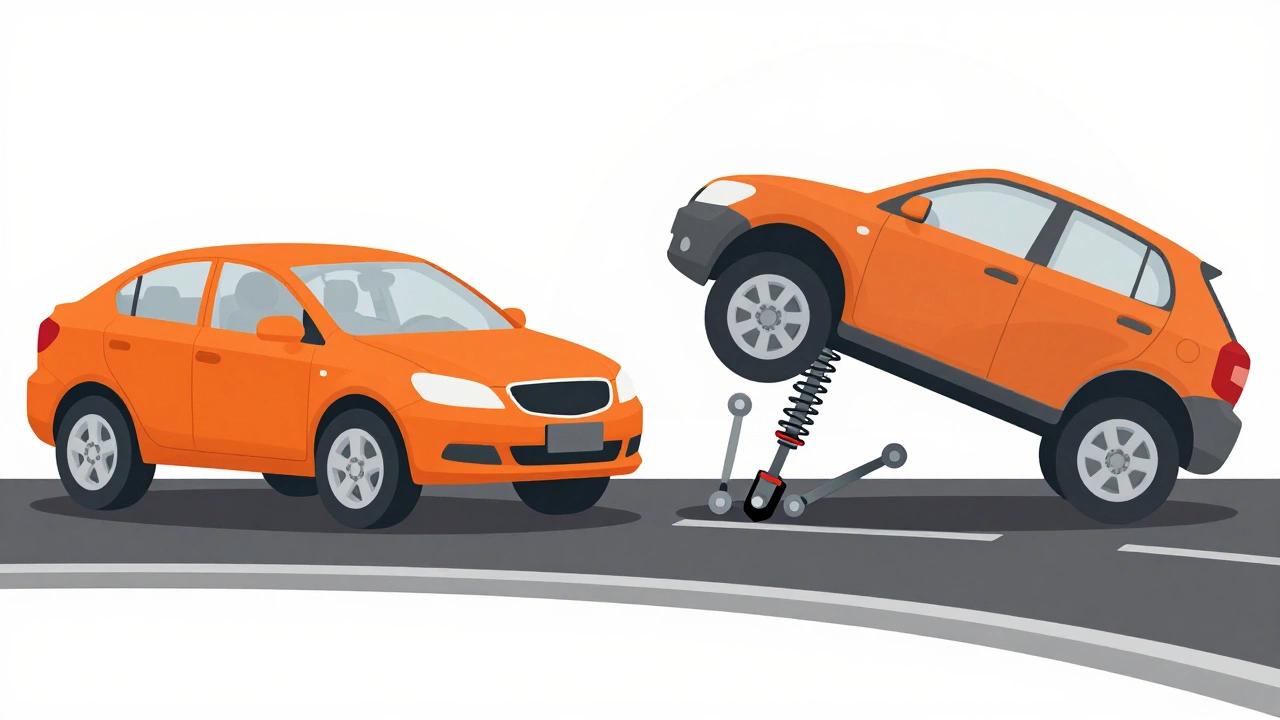
Vehicle Load Carrying heavy loads exacerbates suspension issues. If you regularly transport passengers, groceries, or equipment, the springs work harder, and the shocks must manage greater kinetic energy. Overloading a car with already compromised shocks can lead to catastrophic failure of other suspension components, such as control arms or ball joints.
Weather As mentioned earlier, wet conditions reduce friction. Bad shocks cause hydroplaning risks by allowing tires to skip across water films. In winter, snow and ice demand maximum grip. Driving with worn shocks in these conditions is reckless. If you live in a region with mild, dry weather year-round, you might squeeze a few extra weeks out of aging shocks, but it remains a temporary fix.
Severity of Wear Not all bad shocks are equally bad. A shock that leaks slightly but still provides some damping is safer than one that is completely blown and offers zero resistance. However, once a shock fails internally, it cannot be repaired-it must be replaced. Partial failure often leads to rapid total failure.
The True Cost of Delaying Replacement
Many drivers postpone suspension repairs to save money upfront. Ironically, waiting usually costs more in the long run. Here is why:
Tire Replacement Costs Cupped tires wear out up to 50% faster than normal. Replacing a set of premium tires can cost hundreds of pounds. By fixing the shocks, you extend tire life and maintain fuel efficiency. Uneven wear also increases rolling resistance, slightly raising your fuel consumption.
Secondary Component Damage Shocks share the workload with other suspension parts. When shocks fail, control arms, ball joints, tie rods, and strut mounts take additional stress. These parts are cheaper to replace individually, but replacing them alongside shocks later means paying for double labor. Mechanics often recommend replacing related components proactively when accessing the suspension anyway.
Alignment Fees Replacing shocks usually requires a wheel alignment afterward. If you wait until the shocks are completely destroyed, the misalignment may have already damaged the steering rack or CV joints. Preventative maintenance avoids these cascading failures.
Safety Liability The most intangible cost is the risk of an accident. Insurance premiums rise after claims, and personal injury is priceless. Avoiding a crash by investing £200-£400 in new shocks is a wise financial decision.
When to Replace Shocks: Best Practices
To ensure safety and longevity, follow these guidelines for shock replacement:
- Replace in Pairs: Always replace shocks on both sides of the same axle (both fronts or both rears). Mixing old and new shocks creates uneven handling characteristics, which can pull the vehicle to one side during braking or cornering.
- Use Quality Parts: Opt for OEM (Original Equipment Manufacturer) or reputable aftermarket brands. Cheap shocks may look identical but lack the durability and performance specifications of genuine parts. Look for certifications from organizations like TÜV or ISO.
- Professional Installation: Suspension work involves high tension and precise torque settings. Improper installation can lead to premature failure or accidents. Have a qualified mechanic install the shocks and perform a post-installation alignment.
- Regular Inspections: Include suspension checks in your annual service routine. Catching early signs of wear prevents major repairs later.
In summary, while you might physically drive with bad shocks for weeks, you should not. The risks to safety, vehicle integrity, and wallet growth outweigh the convenience of postponing repairs. Address suspension issues promptly to keep yourself and others safe on the road.
Can I drive with bad shocks in the rain?
No, it is highly unsafe. Worn shocks reduce tire contact with the road, increasing the risk of hydroplaning and extending braking distances. Wet roads require maximum grip, which compromised suspension cannot provide.
How much does it cost to replace shocks in the UK?
Costs vary by vehicle type. For a standard sedan, expect £150-£300 per pair including labor. Luxury vehicles or those with air suspension may cost £500-£1,000+. Always get multiple quotes from local garages.
Do bad shocks affect MOT tests?
Yes. During an MOT, inspectors check for excessive movement in suspension components. Leaking shocks or worn bushings can result in a failure if they pose a safety risk. Severe wear may also cause tire damage, leading to further failures.
Should I replace all four shocks at once?
Ideally, yes. Replacing all four ensures balanced handling and uniform wear. However, if budget constraints exist, prioritize the front axle first, as it bears more weight and handles steering forces. Never mix new and old shocks on the same axle.
What is the lifespan of shock absorbers?
Typically, shocks last between 40,000 to 100,000 miles, depending on driving conditions and quality. Rough roads, heavy loads, and frequent highway use shorten their life. Regular inspections help determine when they need replacement.