Fuel Pump Repair Cost & Difficulty Calculator
Estimated Results
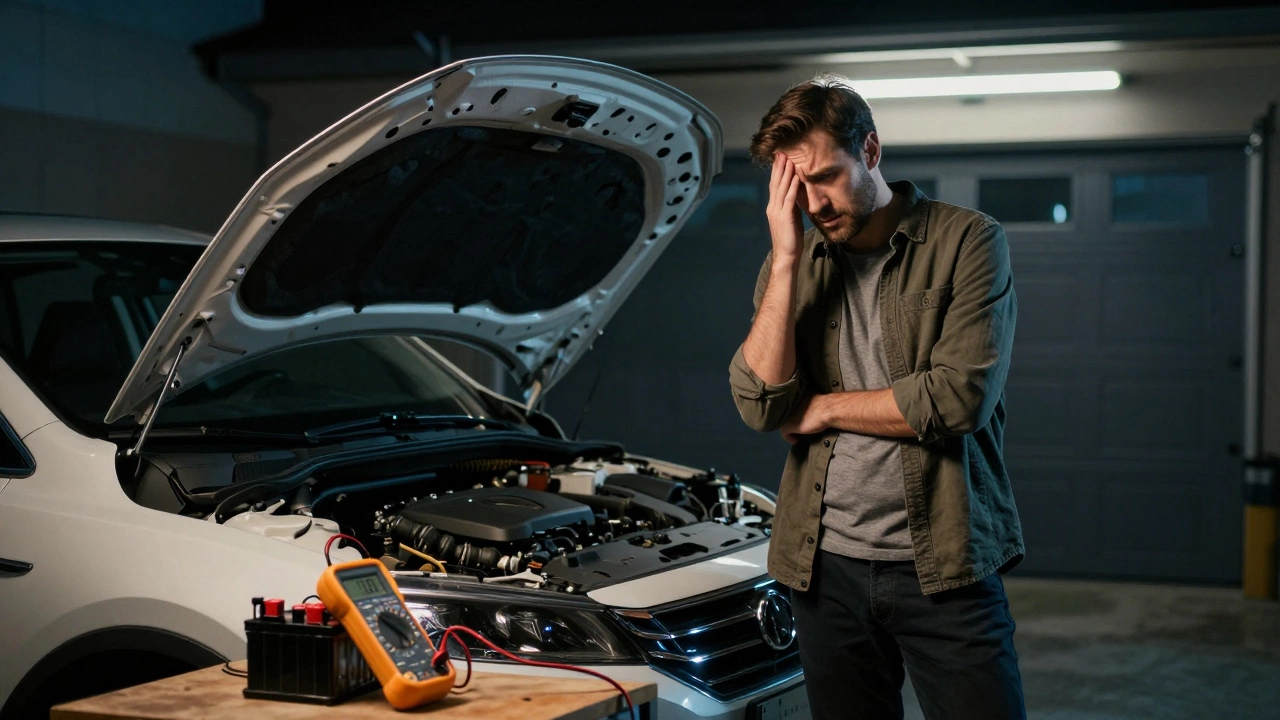
Your car won't start. The engine cranks but refuses to fire up. You've checked the battery, and it's fine. Chances are, your fuel pump is the electric component responsible for moving gasoline from the tank to the engine at high pressure has given up the ghost. This is one of those repairs that sounds simple on paper but can quickly turn into a weekend-long nightmare depending on what you drive. So, how hard is it really? The honest answer is: it depends entirely on where the manufacturer decided to hide the pump.
Key Takeaways
- Difficulty varies wildly: Replacing an in-tank pump can range from a 30-minute job (if there's an access panel) to a full day project requiring tank removal.
- Location matters most: Modern cars usually have pumps inside the fuel tank, while older or diesel models might have external inline pumps that are much easier to swap.
- Safety is non-negotiable: Working with flammable gasoline requires disconnecting the battery and working in a well-ventilated area away from sparks.
- Cost comparison: DIY saves you £150-£400 in labor, but only if you have the right tools and space to work safely.
The Great Divide: In-Tank vs. External Pumps
To understand the difficulty, you first need to know which type of system your car uses. This single factor dictates whether you're looking at a quick fix or a major overhaul. Most vehicles manufactured after the mid-1990s use an in-tank fuel pump located inside the fuel tank, submerged in gasoline to keep the motor cool and prevent cavitation. These are sealed units designed to last 80,000 to 100,000 miles. When they fail, you can't just unbolt them; you have to get to the top of the tank.
Older cars, some European diesels, and certain performance models use an external inline fuel pump located under the chassis or near the engine bay, connected via high-pressure lines. If you have this setup, congratulations. You’ve hit the easy mode. An external pump is usually held by two bolts and two fuel lines. Swap it out, bleed the system, and you’re done in under an hour. The rest of this guide focuses on the harder scenario: the in-tank pump.
Scenario A: The Access Panel (The Lucky Few)
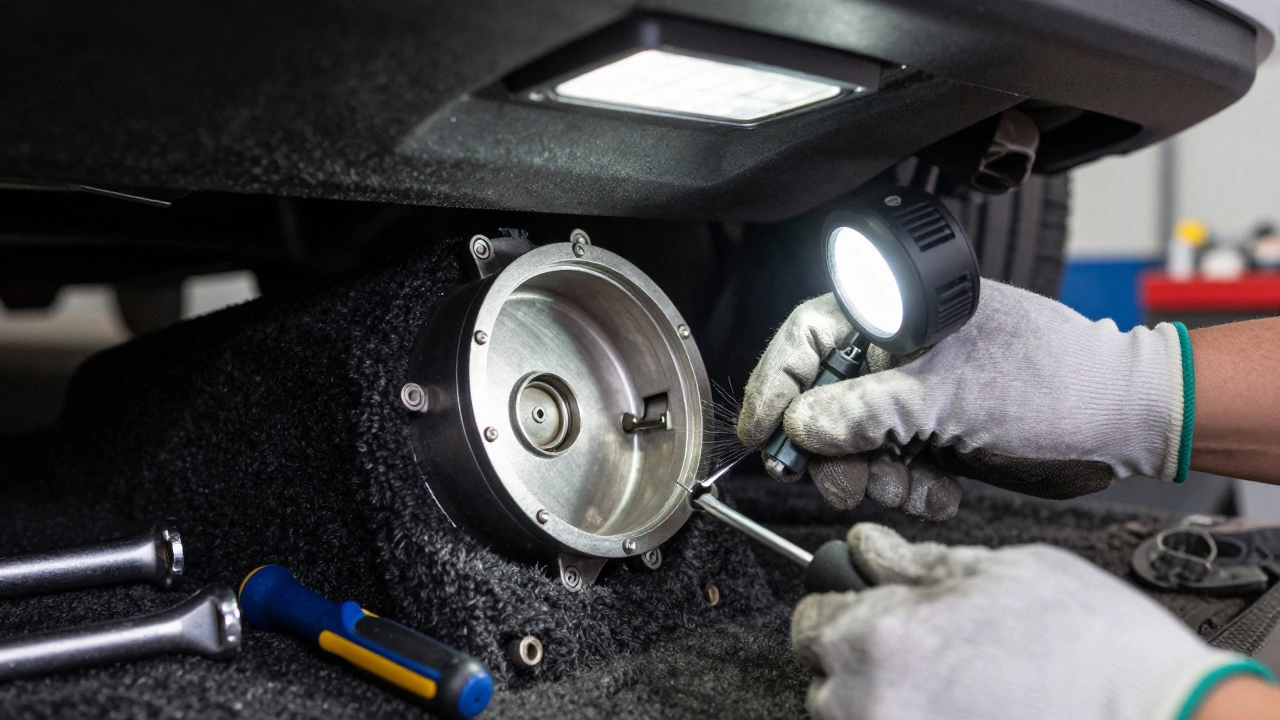
If you own a Ford Focus, a VW Golf, or many other front-wheel-drive cars from the 2000s and 2010s, you might be lucky. Manufacturers sometimes install an fuel pump access panel located underneath the rear seat cushion or in the trunk floor, providing direct entry to the pump assembly without removing the tank. Here’s how to check: lift the rear seat. Look for a plastic cover or a circular metal plate with screws. If you see it, your job is relatively straightforward.
- Disconnect the battery: Always start here. Remove the negative terminal to kill power to the fuel system.
- Relieve fuel pressure: Remove the fuel pump fuse or relay, then start the car and let it run until it stalls. Crank it a few more times to ensure the lines are empty.
- Remove the interior trim: Pull up the carpet or remove the seat to expose the panel.
- Unbolt the assembly: Unscrew the retaining ring holding the pump module in place. Be prepared for a small amount of residual fuel to spill out.
- Swap the unit: Disconnect the electrical connector and fuel line. Lift out the old pump and drop in the new one. Make sure the rubber seal is clean and lubricated with a little petroleum jelly.
This process takes about 45 minutes to an hour. It’s messy, but manageable for a competent DIYer with basic hand tools.
Scenario B: The Tank Removal (The Real Challenge)
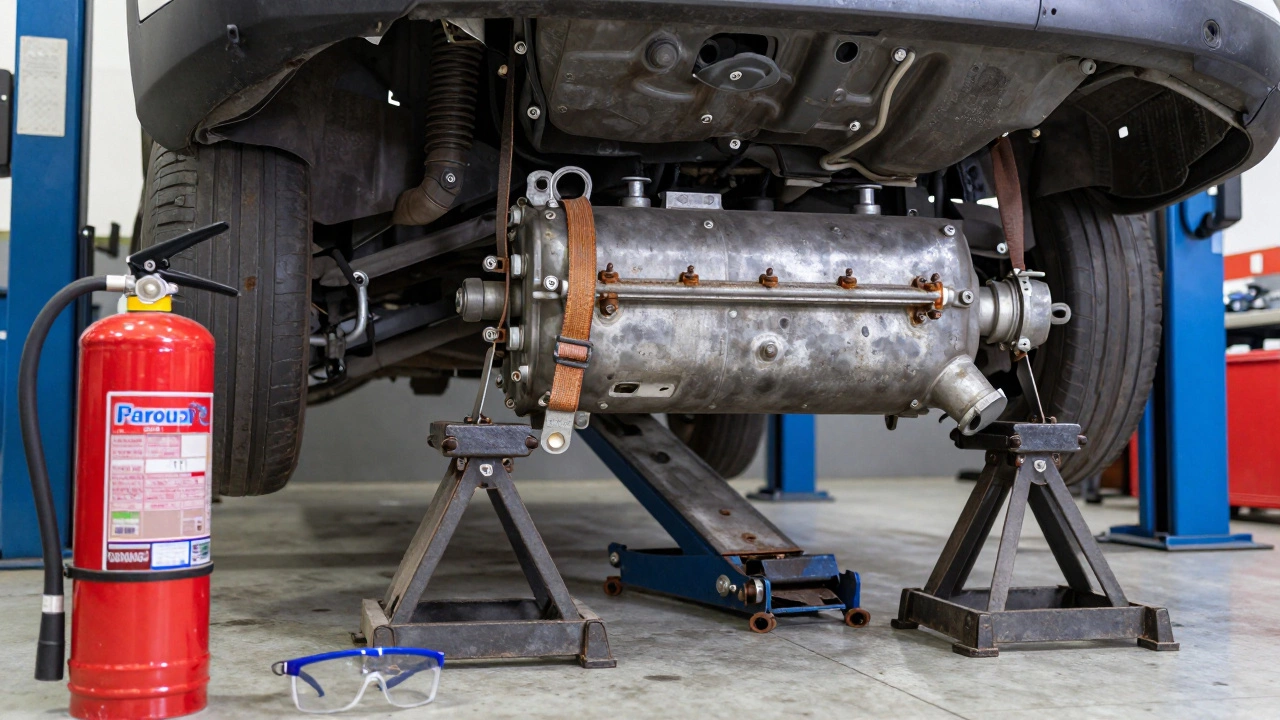
Now, let’s talk about the reality for most modern SUVs, trucks, and sedans like the Toyota Camry or Honda Civic. There is no access panel. The fuel pump is welded or bolted to the inside of the tank, and the tank is strapped to the underside of the car. To replace the pump, you must lower the entire fuel tank. This is where the difficulty spikes significantly.
Why is this so hard? First, weight. A steel fuel tank holds 10 to 15 gallons of gasoline. Even when mostly empty, the tank itself weighs 20-40 pounds, plus the weight of any remaining fuel. Second, clearance. You need enough space underneath the car to slide a transmission jack or a sturdy support stand under the tank. If you live in a city apartment with no driveway, or your garage has a concrete floor that can’t support heavy jacks, this job becomes nearly impossible without professional help.
You’ll also face rust. If your car is over ten years old, the straps holding the tank may be seized with corrosion. You might spend half the job cutting through bolts rather than unscrewing them. And don’t forget the wiring harness and fuel lines running along the frame-they often kink or break if you pull too hard.
Tools and Safety: What You Actually Need
Replacing a fuel pump isn’t just about having a wrench. You need specific equipment to do it safely and correctly. Here’s the checklist:
- Fuel-safe container: Never siphon fuel into a random bottle. Use a certified gas can to catch residual fuel when disconnecting lines.
- Jack stands and a transmission jack: You cannot rely on a standard car jack alone. The tank needs independent support.
- Socket set and breaker bar: Standard ratchets won’t cut it for stubborn tank bolts. You need leverage.
- Penetrating oil (e.g., WD-40 Specialist): Essential for rusty bolts on older vehicles.
- Gloves and safety glasses: Gasoline is toxic and carcinogenic. Protect your skin and eyes.
- Fire extinguisher: Keep a Class B fire extinguisher nearby. Not because it will definitely happen, but because static electricity + gasoline = bad news.
One critical step people skip: bleeding the fuel system. After installing the new pump, you won’t be able to start the car immediately. The lines are full of air. You need to cycle the ignition key to the "on" position (without starting) three or four times. This primes the pump and pushes fuel back to the injectors. If you try to start it cold, the engine will crank endlessly and potentially damage the starter.
Cost Breakdown: DIY vs. Mechanic
Let’s look at the numbers. In the UK, as of 2026, a replacement fuel pump module costs between £80 and £250 depending on the brand and vehicle model. Independent mechanics charge £50-£80 per hour. A typical in-tank replacement takes 2-4 hours of labor. That puts the total shop bill between £200 and £550.
If you do it yourself, you save the labor cost. But consider the hidden expenses:
| Item | DIY Cost | Professional Shop Cost |
|---|---|---|
| Fuel Pump Part | £120 (average) | £150 (markup included) |
| Labor | £0 | £180 (3 hours @ £60/hr) |
| Shop Supplies/Disposal | £20 (rags, gloves) | £30 (environmental fees) |
| Total Estimated Cost | £140 | £360 |
The savings are significant-around £200+. However, if you strip a bolt, crack the tank, or fail to seal the unit properly, you could end up paying double to fix your mistake. Assess your skill level honestly. If you’ve never worked under a car before, this might not be the best first project.
Common Pitfalls to Avoid
Even experienced DIYers make mistakes here. Here are the top three traps:
- Ignoring the fuel filter: Many modern pumps have a built-in strainer. If the old pump failed due to debris, the new one will fail too unless you clean the tank or replace the inline filter (if equipped).
- Damaging the O-ring: The rubber seal around the pump module is critical. If it’s cracked or pinched during installation, you’ll have a vapor leak. This triggers the EVAP system warning light and creates a fire hazard. Always replace the O-ring with a new one from the kit.
- Forgetting the sending unit: The fuel gauge sender is often attached to the pump assembly. When swapping, ensure the float arm moves freely and doesn’t bind. A stuck sender means inaccurate fuel readings.
When to Call a Professional
There are clear signs that this job is beyond your reach. If your car has a complex suspension setup that limits undercarriage access, skip it. If the tank straps are heavily rusted and require oxy-acetylene cutting, leave it to the pros. Also, if you don’t have a safe, ventilated workspace, don’t risk it. Gasoline vapors are heavier than air and can pool in low spots, creating an explosion risk if ignited by a spark from a tool or even a phone.
Finally, consider the value of your time. If you charge yourself £50 an hour for your labor, does saving £200 really matter if it takes you two days of frustration? For many people, the peace of mind of a warranty-backed professional repair is worth the extra cost.
Can I replace a fuel pump myself?
Yes, but only if you have the right tools, a safe workspace, and mechanical experience. If your car has an access panel under the seat, it’s a moderate DIY job. If you need to drop the fuel tank, it’s advanced and risky for beginners.
How long does it take to replace a fuel pump?
With an access panel, expect 1-2 hours. If you must remove the fuel tank, plan for 3-5 hours, especially if dealing with rusted bolts or tight spaces.
What are the symptoms of a bad fuel pump?
Common signs include whining noise from the rear, loss of power during acceleration, engine surging, difficulty starting, or the car stalling unexpectedly. A complete failure results in no-start conditions.
Do I need to bleed the fuel system after replacement?
Yes. After installing the new pump, cycle the ignition key to the "on" position 3-4 times without starting the engine. This primes the system and removes air bubbles from the fuel lines.
Is it safe to work on a fuel pump at home?
It can be safe if you follow strict precautions: disconnect the battery, work in a well-ventilated area, keep fire extinguishers nearby, and avoid open flames or sparks. Never smoke while working on fuel systems.
How much does a fuel pump replacement cost in the UK?
Parts cost £80-£250. Labor adds £150-£400. Total professional repair ranges from £200 to £550. DIY costs are limited to parts and minor supplies, typically under £150.