Fuel Pump Repair Cost Estimator (UK)
Estimated Total Cost
Average range based on current UK market data.
Select your vehicle details above to generate an accurate repair estimate.
You’re driving along, the engine sputters, and suddenly it dies. The diagnostic scan points to one culprit: the fuel pump. Now you’re staring at a repair bill estimate that varies wildly depending on who you ask. One shop says £400, another quotes £900. Why the massive gap? And more importantly, what is the average cost to fix a fuel pump in today’s market?
The short answer? For most standard passenger cars in the UK, you are looking at between £350 and £850 for a full replacement. But "fixing" is rarely just swapping a part. It involves diagnostics, labor hours, and sometimes replacing associated components like filters or seals. This guide breaks down exactly where your money goes, why prices fluctuate, and how to avoid getting ripped off.
Breaking Down the Price Tag: Parts vs. Labor
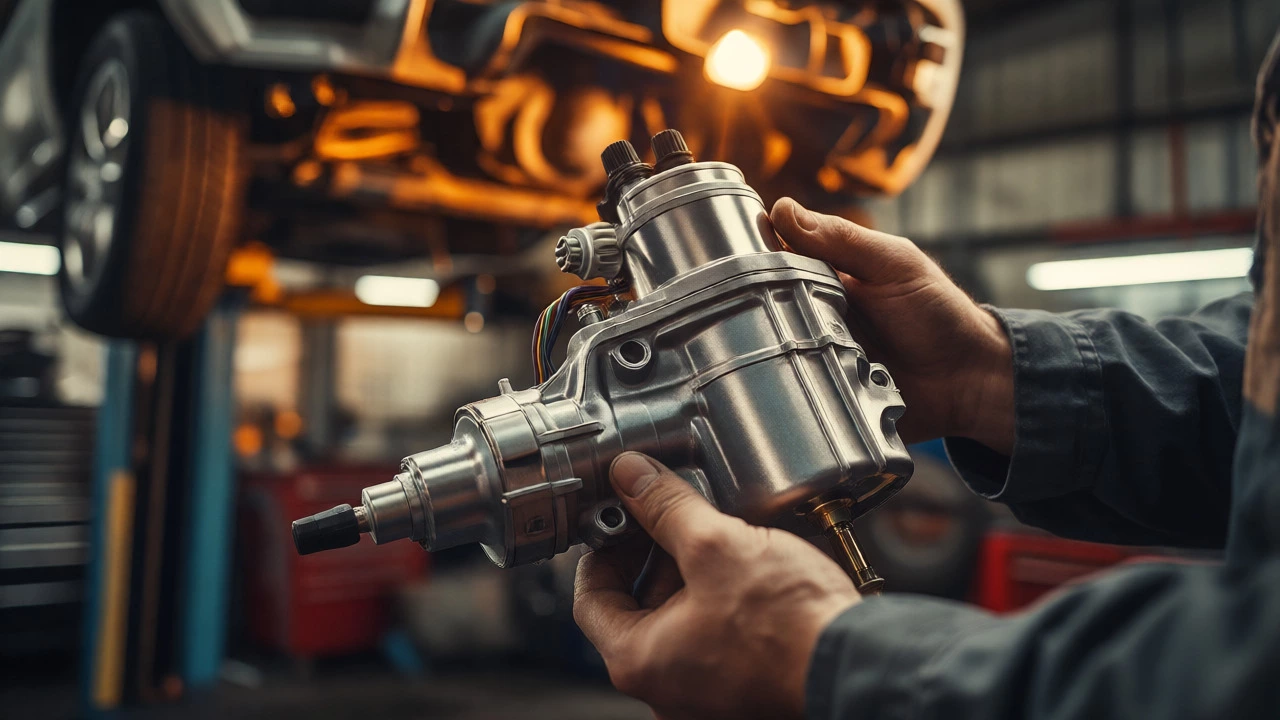
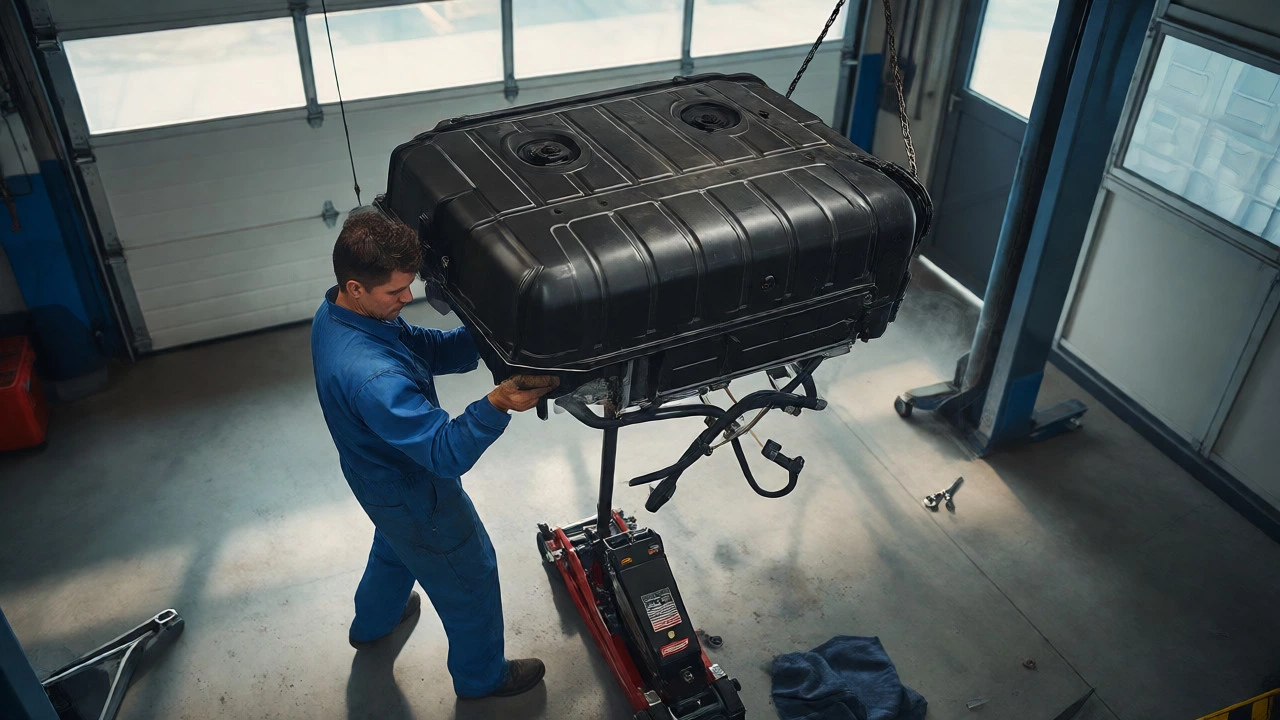
To understand the quote, you need to see the anatomy of the bill. Mechanics don't just charge for the metal box; they charge for the time it takes to get to it. In many modern vehicles, the fuel pump lives inside the fuel tank. This means dropping the tank-a messy, time-consuming job-is often required before you can even touch the pump.
Here is how the costs typically split up:
- Parts (£150-£400): This includes the new fuel pump assembly. OEM (Original Equipment Manufacturer) parts from brands like Bosch or Denso sit at the higher end, while aftermarket options are cheaper but vary in quality.
- Labor (£150-£450): Expect 1.5 to 3 hours of work. Independent garages might charge £60-£80 per hour, whereas main dealerships often exceed £100 per hour.
- Incidental Parts (£20-£50): Fuel lines, clamps, O-rings, and fuel filter replacements are often needed during the process.
If you have an older car with an external fuel pump mounted on the chassis rail, the labor cost drops significantly because access is easier. However, these pumps are harder to find now as manufacturers shifted to internal designs decades ago.
| Vehicle Type | Part Cost | Labor Cost | Total Estimate |
|---|---|---|---|
| Small City Car (e.g., Ford Fiesta) | £120 - £200 | £150 - £250 | £270 - £450 |
| Family Sedan (e.g., Vauxhall Astra) | £180 - £300 | £200 - £350 | £380 - £650 |
| SUV / Crossover (e.g., Nissan Qashqai) | £250 - £400 | £250 - £450 | £500 - £850 |
| Luxury / German Import (e.g., BMW 3 Series) | £350 - £600 | £300 - £500 | £650 - £1,100+ |
Why Does the Price Vary So Much?
It’s not just about the make and model. Several hidden factors drive the final number up or down. First, consider the fuel pump module versus a standalone pump. Modern cars use complex assemblies that include the sending unit (which tells your dashboard how much fuel you have), the pump itself, and the strainer. Replacing the whole module is safer but more expensive than trying to replace just the motor component, which few shops will guarantee anyway.
Then there is the location of the repair. If your local independent mechanic charges £70/hour, you save compared to a franchised dealer charging £110/hour. However, if the job requires specialized software to reset the fuel system pressure sensors-common in newer models-the dealer might actually be faster and cheaper overall due to their proprietary tools.
Don’t forget the state of your fuel tank. If your tank has been running low frequently, sediment and rust may have accumulated. A mechanic might recommend cleaning the tank or replacing the fuel filter at the same time. Skipping this can lead to a new pump failing prematurely, so bundling these services makes financial sense long-term.
Can You Just "Fix" It Instead of Replace?
Technically, yes, but practically, no. Fuel pumps are sealed units. You cannot open them up and solder wires or clean bearings like you might with a carburetor. When a pump fails, it’s usually due to worn brushes inside the electric motor or a clogged impeller. Cleaning a clogged strainer might buy you a few weeks, but if the motor is grinding, replacement is the only reliable fix.
There is a rare scenario called "intermittent failure," where the pump works when cold but cuts out when hot. Some drivers try adding fuel additives to lubricate the pump. While this isn't a bad idea for prevention, it rarely solves an existing mechanical failure. If you are paying for diagnostics, you are essentially paying to confirm that replacement is necessary.
Signs You Need a New Pump Before You Get the Quote
Knowing the symptoms helps you trust the mechanic's diagnosis. If you experience these issues, the high cost is likely justified:
- Whining Noise: A loud hum from the rear seat area when you turn the key to 'on' (before starting). A healthy pump is quiet; a dying one screams.
- Engine Sputtering: The car jerks at high speeds or under heavy load, like going uphill. This indicates inconsistent fuel pressure.
- Hard Starting: The engine cranks but won't catch immediately. The pump isn't building enough pressure to spray the injectors properly.
- Loss of Power: The car feels sluggish, especially when accelerating onto a motorway.
- Stalling: The engine dies unexpectedly, then restarts after cooling down.
If your car exhibits none of these, question the diagnosis. Sometimes a faulty crankshaft position sensor mimics fuel pump failure. Always ask for a fuel pressure test reading before authorizing the work.
DIY vs. Professional Installation: Is It Worth Saving?
Can you do it yourself? If you have a driveway, a jack stands set, and some patience, yes. Buying the part online might cost you £150 instead of £300. You could save £200-£300 in labor. But here is the risk: dropping a fuel tank is dangerous. Gas fumes are explosive, and old bolts seize easily. If you crack the tank or strip a thread, you’ve turned a £400 job into a £1,000 disaster.
For most people, professional installation is worth the premium. It comes with a warranty on both parts and labor. If the new pump fails in three months, the garage fixes it for free. If you DIY and it fails, you pay again for the part and potentially for someone else to install it.

How to Lower Your Bill Without Sacrificing Quality
You aren't powerless against these costs. Here are three tactics to keep the price reasonable:
- Get Three Quotes: Prices for the same job can vary by 30% within a single city. Call three local garages. Ask specifically for a fixed-price quote including VAT.
- Consider Aftermarket Brands: Ask if they can fit a reputable aftermarket brand like Pierburg or Hella instead of the branded OEM part. These are often made in the same factories but cost less because they lack the car manufacturer's logo.
- Bundle Services: If your timing belt or spark plugs are due soon, ask for a combined discount. Since the mechanic is already working on the engine bay or underside, they might waive some labor fees for additional tasks.
Prevention: How to Make Your Next Pump Last Longer
Fuel pumps rely on gasoline for lubrication and cooling. Running your tank below a quarter-full regularly causes the pump to overheat because it’s exposed to air rather than submerged in fuel. Keep your tank at least half full whenever possible. Also, using top-tier fuels with detergents helps prevent varnish buildup on the pump internals. It’s a small habit that protects a £500 component.
How long does a fuel pump last?
Most fuel pumps are designed to last between 100,000 and 150,000 miles (approx. 160,000-240,000 km). However, poor fuel quality, frequent running on empty, or electrical issues can cause premature failure within 50,000 miles.
Is it safe to drive with a bad fuel pump?
It is risky. A failing pump can cause the engine to stall suddenly, potentially leaving you stranded in traffic or on a busy road. Additionally, running lean (not enough fuel) can damage your catalytic converter, turning a £400 repair into a £1,500 one.
Does insurance cover fuel pump replacement?
Generally, no. Insurance covers accidental damage or theft, not wear-and-tear mechanical failures. Unless the pump was damaged in a collision, you will have to pay out of pocket. Check your warranty policy if your car is still under manufacturer coverage.
Can a dirty fuel filter cause pump failure?
Yes. A clogged filter restricts flow, forcing the pump to work harder and overheat. Regularly replacing your fuel filter (every 30,000-50,000 miles) extends the life of the pump and prevents costly early replacement.
Why is my fuel pump making noise?
A whining or humming noise usually indicates worn bearings or low fuel levels causing cavitation (air bubbles forming in the fuel). If the noise persists even when the tank is full, the internal components are wearing out and replacement is imminent.