
Windshield Wiper Lifespan Calculator
Your Conditions
Enter your details to see when your visibility is at risk.
You pull the lever. The rubber squeaks against the glass like a dying violin. You blink, squinting through streaks that turn oncoming headlights into blinding halos. It’s raining, you’re driving, and suddenly your visibility is compromised. How long has it been since you actually checked those wipers? Most drivers wait until they fail completely, but the truth is, windshield wiper lifespan is the period during which wiper blades effectively clear rain and debris without streaking or chattering, typically lasting between six to twelve months depending on usage and climate. Knowing exactly when to swap them out isn't just about convenience; it's about not crashing your car because you couldn't see the stop sign.
The Short Answer: Six to Twelve Months
If you want a single number to live by, aim for every six months. That is the sweet spot for most drivers in average climates. However, this is a rule of thumb, not a law of physics. A set of blades sitting in a garage in Arizona will last longer than a set battling ice and road salt in Minnesota. The rubber compound used in modern wipers-usually natural rubber or synthetic elastomers like silicone-is designed to flex. Over time, that flexibility degrades. The rubber hardens, cracks, or warps, losing its ability to hug the curvature of your windshield.
Think of it like an old garden hose left in the sun. It gets brittle. Snap. Your wipers are under constant stress: UV rays bake them, freezing temperatures shrink them, and grit from the road acts like sandpaper on every swipe. If you drive daily in heavy rain, you might need to replace them every four to six months. If you rarely drive and keep the car covered, you could squeeze two years out of them, though the rubber will likely be dry-rotted by then.
Why Rubber Degrades Faster Than You Think
It feels wasteful to throw away perfectly good-looking rubber, doesn't it? But visual inspection can be misleading. A wiper blade might look intact, yet still leave trails of water behind. This happens because the microscopic edge of the rubber wears down unevenly. When that edge becomes jagged, it doesn't wipe; it smears.
Several enemies work against your wipers:
- UV Radiation: Sunlight breaks down the chemical bonds in rubber. This is why the top side of your tires cracks after years of exposure. Wipers get double exposure-sun from above and reflection from the hood.
- Temperature Extremes: Heat softens rubber, making it susceptible to tearing. Cold makes it rigid, causing it to chatter across the glass rather than glide. Thermal cycling (hot day, cold night) accelerates fatigue.
- Contaminants: Road salt, tree sap, bug splatter, and bird droppings are acidic or abrasive. If you don't clean your blades regularly, these substances eat away at the rubber edge.
- Dust and Sand: In dry climates, fine dust settles on the windshield. Every time you run the wipers, that dust grinds into the rubber, creating micro-scratches on both the blade and the glass.
Silicone wiper blades claim to resist some of this degradation better than traditional rubber. They are hydrophobic, meaning water beads up and flies off more easily. Some owners report silicone blades lasting up to two years. However, they require a perfectly clean windshield to work. If there is any wax or oil residue on your glass, silicone blades will skip and chatter aggressively. For most people, standard rubber or hybrid blades offer a better balance of cost and performance.
5 Clear Signs Your Wipers Are Done
Don't wait for a storm to test your visibility. Check for these specific symptoms during your next fill-up or before a trip:
- Streaking: After a wipe, thin lines of water remain. This means the rubber edge is no longer flat against the glass. It’s worn unevenly.
- Chattering or Skipping: The blade jumps across the windshield instead of gliding smoothly. This often indicates the arm spring is weak or the blade frame is bent, but it can also mean the rubber is too stiff to conform to the glass curve.
- Squeaking Noise: A high-pitched screech usually points to friction. Either the rubber is dry, or there is dirt trapped between the blade and the glass.
- Visible Damage: Look closely at the rubber strip. Do you see tears, splits, or chunks missing? Is the metal frame rusted or bent? If you can see daylight through cracks in the rubber, toss them.
- Misting: Even after wiping, the glass looks foggy or oily. This suggests the wiper edge is contaminated with oil or polish residue, or the rubber itself has degraded to the point where it leaves particles behind.
If you notice any of these, do not ignore them. Poor visibility increases stopping distances and reaction times. It’s a safety issue, plain and simple.
How to Extend Wiper Life Without Breaking the Bank
You can’t stop time, but you can slow down the wear. Here are practical steps to get the most miles out of your blades:
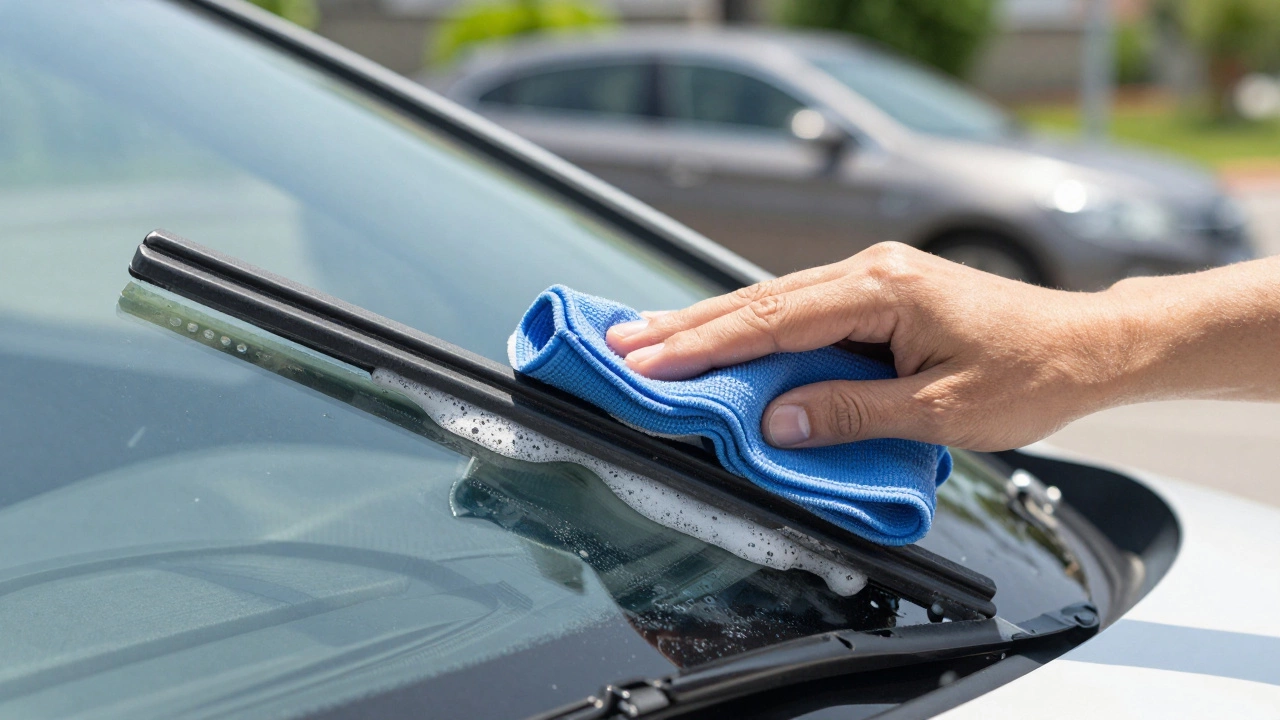
Clean Them Monthly. Grab a microfiber cloth and some mild soapy water. Wipe down the rubber edge gently. Remove any built-up gunk, tree sap, or road film. While you’re at it, wipe the windshield thoroughly. A clean surface reduces friction and prevents abrasive particles from grinding into the rubber.
Lift Blades in Winter. Before a snowstorm, lift your wiper arms away from the glass. If ice forms between the blade and the windshield, forcing the wipers on can snap the motor or tear the rubber. Never use hot water to thaw frozen wipers; the thermal shock will crack the glass.
Avoid Dry Wiping. Never run your wipers on a dry windshield. The friction generates heat and shreds the rubber instantly. Always spray washer fluid first to lubricate the surface.
Park in Shade or Use Covers. If you live in a sunny area, parking in a garage or using a windshield sunshade helps reduce UV damage. It won’t stop aging entirely, but it buys you extra months.
Rubber vs. Silicone vs. Beam: Which Lasts Longer?
Not all wipers are created equal. The type you choose affects both performance and longevity.
| Type | Average Lifespan | Pros | Cons |
|---|---|---|---|
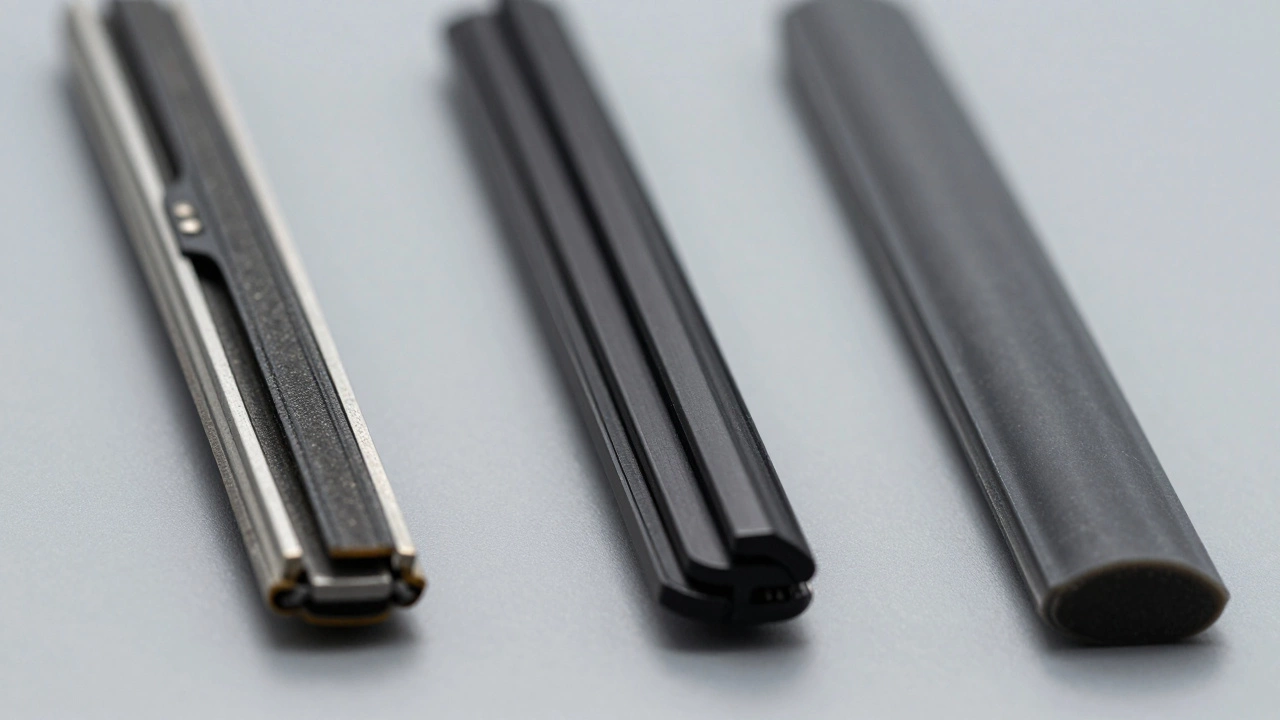
| Traditional Frame (Rubber) | 6-9 months | Inexpensive, easy to replace | Frames can freeze/clog with ice |
| Beam (All-Weather) | 9-12 months | No moving parts, even pressure, aerodynamic | Slightly more expensive |
| Silicone | 12-24 months | Hydrophobic, resists UV/salt better | Requires pristine glass, pricey |
Beam blades are generally the best choice for most drivers. Because they lack the complex metal joint structure of traditional frames, they shed snow and ice better and apply consistent pressure across the entire blade. This even pressure reduces uneven wear, extending their life. Silicone blades are great if you hate cleaning your windshield constantly, as water sheets off effortlessly. But they are picky about cleanliness. If you have an older car with a slightly warped windshield, stick to rubber beam blades-they adapt better to irregular surfaces.
Replacing Wipers: A Quick DIY Guide
You don’t need a mechanic to change wipers. It takes five minutes and costs less than $30 for a quality pair. Here’s how to do it right:
- Buy the Right Size: Check your owner’s manual or measure the old blades. Driver-side and passenger-side blades are often different lengths. Using the wrong size causes overlap or gaps in coverage.
- Lift the Arm Carefully: Pull the wiper arm away from the glass. Place a towel over the windshield underneath the arm. If the arm slips back down unexpectedly, it can crack your glass.
- Release the Old Blade: Most blades use a small tab or clip at the junction where the rubber meets the metal hook. Press the tab while sliding the blade off the hook. Don’t force it; if it’s stuck, wiggle it gently.
- Install the New Blade: Slide the new blade onto the hook until you hear a click. Ensure it’s seated securely.
- Lower Gently: Place the arm back on the glass. Run the wipers once to seat the new rubber evenly.
Pro tip: Clean the metal hook of the wiper arm before installing the new blade. Rust and corrosion on the hook can prevent the new blade from locking in properly, leading to flapping at high speeds.
Common Mistakes That Kill Wipers Early
Even with premium blades, bad habits shorten their life. Avoid these pitfalls:
- Using Ammonia-Based Cleaners: Many glass cleaners contain ammonia, which dries out rubber. Use a dedicated automotive glass cleaner or plain soapy water instead.
- Ignoring Washer Fluid Level: Running the pump dry can damage the motor, but low fluid means you’re likely wiping dry glass, accelerating wear.
- Leaving Blades Up in Wind: If you leave the arms lifted for cleaning and forget, strong winds can slam them down, bending the metal arm. A bent arm changes the angle of attack, causing immediate streaking.
- Buying Cheap Gas Station Blades: The $5 blades at the gas station often use inferior rubber that hardens within weeks. Investing in mid-range brands (like Bosch, Michelin, or Rain-X) pays off in durability and clarity.
When to Replace Just One Side?
If one wiper starts streaking and the other looks fine, should you replace just the bad one? Technically, yes. But practically, no. Wipers age together. They’ve endured the same sun, rain, and temperature swings. Replacing only one leads to mismatched performance. The newer blade might push water differently than the older, stiffer one, creating a messy smear zone where they meet in the middle. Always replace both sides simultaneously for uniform clearing.
Can I restore old windshield wipers instead of replacing them?
You can temporarily improve performance by cleaning the rubber edge with rubbing alcohol or a specialized wiper refresher spray. These products remove oil buildup and restore some flexibility. However, this is a band-aid solution. Once the rubber is cracked, torn, or permanently hardened, no amount of cleaning will fix it. Restoration works best for wipers that are merely dirty, not physically degraded.
Do windshield wipers expire if I never use them?
Yes. Rubber degrades due to oxidation and UV exposure, regardless of use. Even if your car sits in a garage, the rubber compounds break down over time. After three years, unused wipers are likely to be brittle and may tear upon first use. Inspect stored vehicles’ wipers annually and replace them if they show signs of drying or cracking.
Why do my new wipers chatter immediately after installation?
Chattering usually stems from three issues: a dirty windshield, improper installation, or a weak wiper arm spring. First, ensure the glass is free of wax, grease, and bugs. Second, check that the blade is fully clicked onto the hook. Third, if the arm doesn’t press firmly against the glass, the spring may be fatigued. In rare cases, the windshield curvature may require a specific beam-style blade to maintain contact.
Are silicone wiper blades worth the extra cost?
Silicone blades last longer and repel water better than rubber, but they demand a perfectly clean windshield. If you frequently drive on dusty roads or in areas with heavy bug traffic, silicone blades will struggle unless you clean the glass obsessively. For average drivers who value ease of maintenance, high-quality rubber beam blades offer better value. Silicone is ideal for enthusiasts who prioritize maximum visibility in light rain and are diligent about glass care.
How often should I replace wipers in winter vs. summer?
In harsh winters with ice and salt, replace wipers every six months or before the first major freeze. Cold weather makes rubber brittle, and salt accelerates corrosion. In hot, sunny summers, UV damage is the primary enemy; inspect blades every three months for cracking. In moderate climates, a six-to-nine-month replacement cycle is sufficient. Adjust based on visible wear rather than strict calendar dates.