Clutch Performance & Efficiency Simulator
Torque Handling Estimate:
Effective Wheel Horsepower
Pedal Effort & Modulation
Smooth engagement suitable for daily driving.
You just dropped cash on a new clutch kit for your car. You’re sitting in the driver’s seat, waiting for that surge of power you were promised. But here is the cold, hard truth: a standard replacement clutch kit does not add horsepower to your engine. In fact, if anything, a heavy-duty setup might make your car feel slightly slower at first because of increased rotational mass or stiffer engagement. So why do people keep buying them? And why do some enthusiasts swear their cars feel faster after an upgrade?
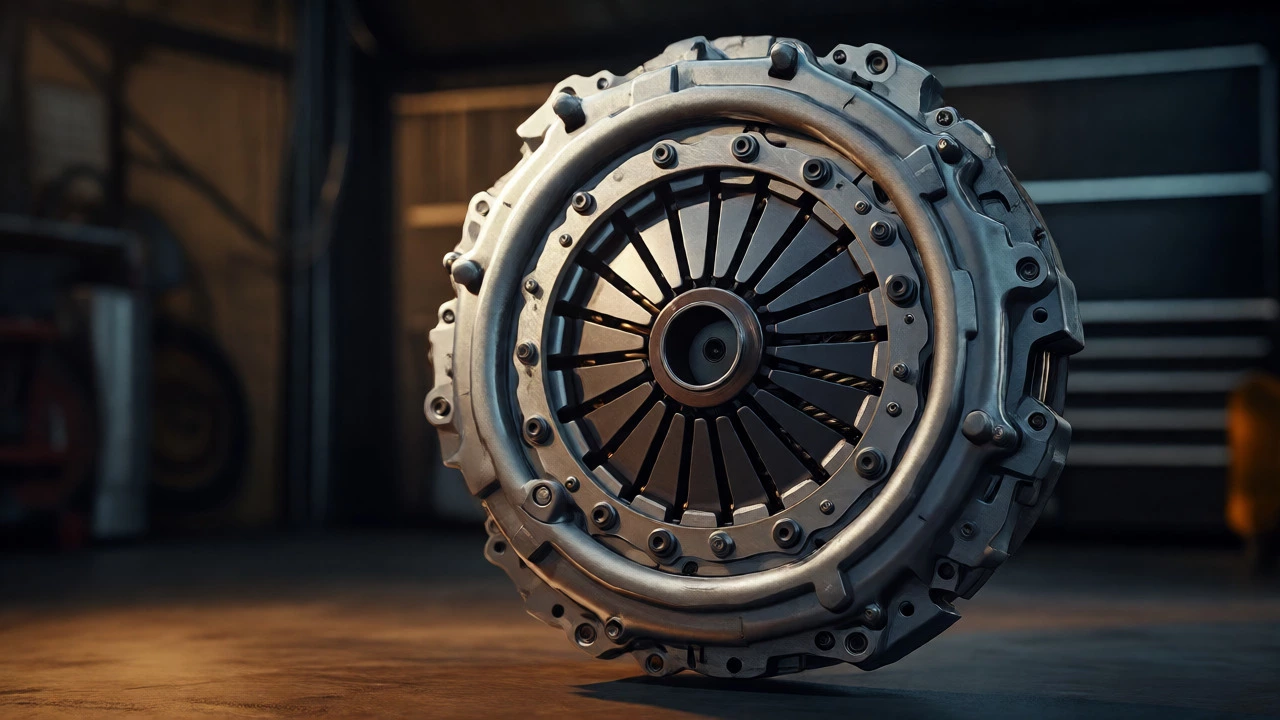
The confusion stems from mixing up engine output with power delivery. Your engine makes horsepower regardless of what clutch is bolted to it. The clutch’s job isn’t to create power; it’s to transfer it efficiently from the crankshaft to the transmission. If your old clutch was slipping, fixing it restores lost power. If you install a high-performance unit, you unlock the ability to put more power down without burning out the friction material. Let’s break down exactly what happens under the hood when you swap clutches, so you stop wasting money on parts that don’t actually boost your numbers.
The Physics of Power Transfer
To understand why a clutch doesn’t generate horsepower, you have to look at how internal combustion engines work. Horsepower is a measure of how fast the engine can do work. It’s calculated based on torque and RPM. The clutch sits between the engine and the gearbox. Think of it as a bridge. A wider, stronger bridge (a performance clutch) lets more traffic (torque) cross over safely, but it doesn’t make the cars on one side go any faster. They still move at the speed determined by their own engines.
When you press the pedal, you disengage the pressure plate from the flywheel. When you release it, springs clamp the friction disc against the flywheel. This mechanical connection transfers energy. If this connection fails-known as clutch slip-the engine revs up, but the wheels don’t speed up proportionally. Energy is lost as heat and noise. Replacing a worn-out stock clutch with a new stock clutch fixes this leak. It returns you to baseline performance. It doesn’t raise the ceiling.
Why Enthusiasts Feel Faster After an Upgrade
If a clutch doesn’t add HP, why do forum posts full of modified car owners claim their cars feel sharper? There are three real reasons, none of which involve magical horsepower generation.
First, there is the psychological factor of improved throttle response. High-performance clutch kits often use lighter components. A lighter flywheel reduces rotational inertia. This means the engine can spin up and slow down faster. While this doesn’t change peak horsepower, it changes how quickly you can shift gears and how responsive the car feels during acceleration bursts. It’s like taking off a heavy backpack before a sprint. You aren’t stronger, but you accelerate quicker because you’re carrying less dead weight.
Second, many "performance" clutch kits are paired with other modifications. If you’ve added a turbocharger or a supercharger, your engine produces significantly more torque than stock. A stock clutch cannot handle this extra torque. It will slip immediately. Installing a performance clutch allows you to actually use that new power. Without the upgraded clutch, your new turbo would be useless because the power wouldn’t reach the wheels. The clutch enables the gain; it doesn’t create it.
Third, there is the issue of consistency. A worn clutch slips inconsistently. One pull, you get full drive; the next, you lose half your acceleration. Replacing it provides consistent traction. Consistency feels like speed because you can trust the car to launch hard every time.
Stock vs. Performance Clutch Kits: What Actually Changes?
Not all clutch kits are created equal. The term "performance clutch" covers a wide range of hardware, from mild street upgrades to race-only monsters. Here is how they differ in attributes and impact on your driving experience.
| Feature | OEM Stock Clutch | Street Performance Clutch | Race/Competition Clutch |
|---|---|---|---|
| Torque Capacity | Matches factory engine output (e.g., 300 Nm) | 15-30% higher than stock (e.g., 350-400 Nm) | 50-100%+ higher than stock (e.g., 500+ Nm) |
| Friction Material | Organic/Kevlar blend | Ceramic/Metallic blend | Sintered Metallic/Puck style |
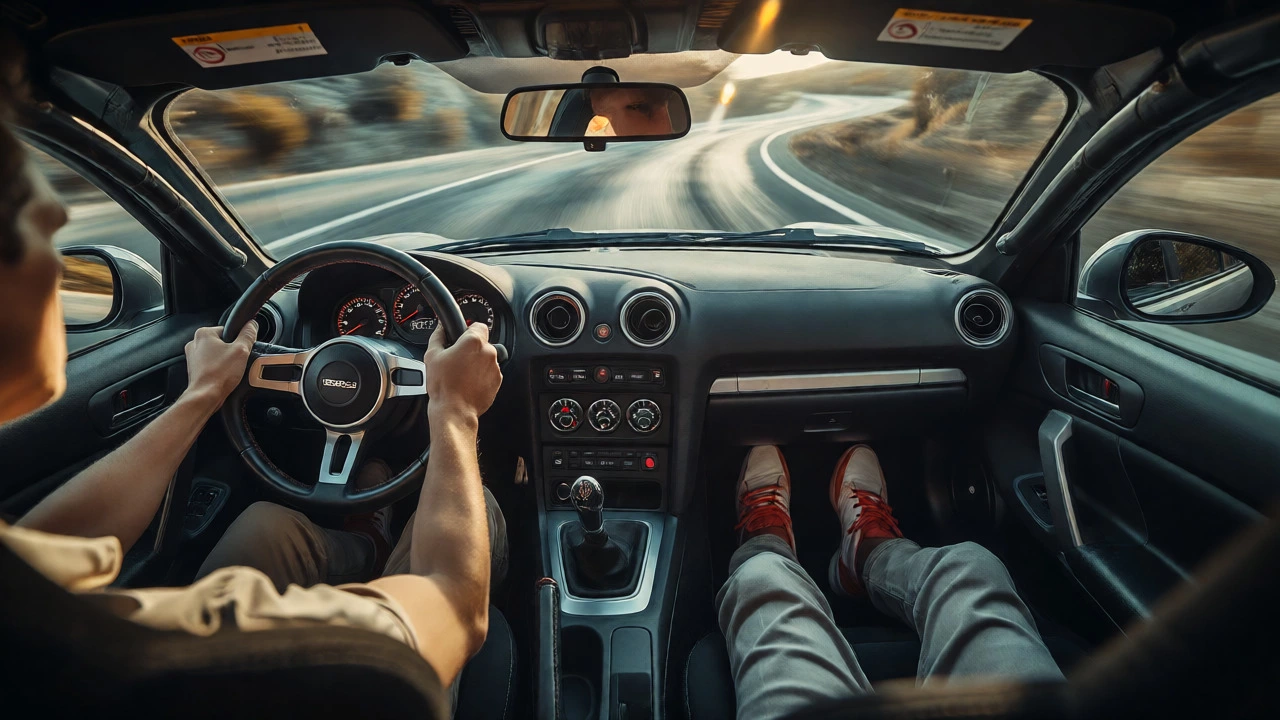
| Pedal Effort | Light, easy modulation | Moderate to Heavy | Very Heavy, abrupt bite point |
| Durability | High mileage (100k+ miles) | Moderate mileage (30k-60k miles) | Low mileage (10k-20k miles) |
| Horsepower Gain | None (Restores baseline) | None (Enables higher limits) | None (Enables extreme limits) |
Notice the last row. None of these options add horsepower directly. The Street Performance option is popular for daily drivers who tow boats or carry heavy loads. It prevents slip under load but won’t make your commute faster. The Race option is brutal on the streets. The bite point is often right at the floor, making smooth stops difficult. You buy these for durability under stress, not for speed.
The Flywheel Factor: Where Weight Matters
While the clutch disc itself doesn’t add power, the flywheel attached to it plays a huge role in perceived performance. Most modern cars come with dual-mass flywheels designed to dampen vibrations for comfort. These are heavy. Converting to a single-mass lightweight flywheel is a common modification done alongside a clutch replacement.
A lighter flywheel lowers the engine’s moment of inertia. This allows the engine to rev higher and faster. For naturally aspirated engines, especially small-displacement ones, this can result in a measurable improvement in acceleration times, particularly in lower gears. However, there is a trade-off. Lighter flywheels store less kinetic energy. This means the car may stall more easily at low RPMs, and idle quality might suffer. You also lose vibration damping, so you’ll hear more drivetrain noise inside the cabin. Is it worth it? Only if you track the car regularly. For daily commuting, the headache usually outweighs the minor gain in responsiveness.
When Does a Clutch Replacement Actually Restore Power?
This is the most critical scenario where spending money on a clutch kit pays off in terms of performance. If your current clutch is slipping, you are literally losing horsepower. How much? Potentially 10-20% depending on the severity of the slip.
You can test for slip easily. Put the car in a high gear (like 4th or 5th) at low speed (around 20 mph). Floor the accelerator. If the RPMs shoot up rapidly but the vehicle speed increases slowly, your clutch is slipping. The engine is working hard, but the transmission isn’t getting the message. In this case, installing a new clutch kit doesn’t "add" HP; it recovers HP that was already there but being wasted. Drivers often report their cars feeling "new again" after this repair. That’s not magic; it’s efficiency restoration.
Common Misconceptions and Pitfalls
Don’t fall into the trap of thinking bigger is always better. Many DIY mechanics install a heavy-duty clutch on a stock engine and regret it instantly. Why? Because the stock hydraulic system wasn’t designed to handle the increased spring pressure of a high-capacity clutch. The pedal becomes rock hard. Modulating the clutch smoothly becomes nearly impossible, leading to jerky starts and premature wear on other components like the throw-out bearing.
Another myth is that ceramic clutches are always superior. Ceramic materials provide excellent heat resistance and grip, but they are harsh on the transmission gears. The abrupt engagement can shock-load the synchros, leading to grinding shifts. Unless you are racing, a metallic organic hybrid is often the sweet spot for street use, offering better longevity and smoother operation than pure ceramic setups.
Related Components: Don’t Forget the Pilot Bearing
A complete clutch kit should include more than just the disc and pressure plate. It must include the pilot bearing or bushing. This small component supports the input shaft of the transmission. If it seizes or wears out, you’ll experience difficulty shifting into gear even when the pedal is fully depressed. Ignoring this part during installation is a classic rookie mistake. Always replace it while the transmission is out. Labor costs are too high to risk having to drop the gearbox again in six months.
Also, consider the condition of the slave cylinder and master cylinder. On older vehicles, rubber seals degrade. Pushing a stiff new clutch through old, swollen seals can cause leaks. Replacing these hydraulic components simultaneously ensures a smooth, reliable pedal feel for years to come.
Key Takeaways
- No Direct HP Gain: A clutch kit does not increase engine horsepower; it only improves power transfer efficiency.
- Slip Recovery: If your old clutch slipped, a new one restores lost performance, making the car feel faster.
- Torque Handling: Upgraded clutches allow you to utilize increased torque from forced induction or tuning without slippage.
- Flywheel Weight: Lightweight flywheels improve throttle response and revving speed but sacrifice low-end smoothness.
- Pedal Feel: Higher performance clutches require more pedal effort and offer less modulation, affecting daily drivability.
Frequently Asked Questions
Will a lighter flywheel add horsepower?
No, a lighter flywheel does not add horsepower. It reduces rotational mass, allowing the engine to rev faster. This improves acceleration response and shifting speed, but peak power remains unchanged.
How do I know if my clutch is slipping?
Accelerate in a high gear at low speed. If RPMs rise quickly without a corresponding increase in vehicle speed, the clutch is slipping. You may also notice a burning smell.
Is a performance clutch bad for daily driving?
It depends on the type. Mild street performance clutches are fine for daily use. Race-oriented clutches with aggressive bite points and heavy pedals can be difficult to modulate in traffic and may cause premature wear on transmission synchros.
Can a bad clutch damage my engine?
A slipping clutch generates excessive heat, which can warp the flywheel surface. Severe slippage can also lead to overheating of nearby components. However, it rarely damages the engine internals directly unless debris from a failed clutch enters the bell housing.
Do I need to break in a new clutch?
Yes. Avoid aggressive launches and high-torque applications for the first 500-1000 miles. This allows the friction surfaces to mate properly, ensuring optimal grip and longevity.