Air Filters: What You Need to Know for Better Car and Home Air Quality
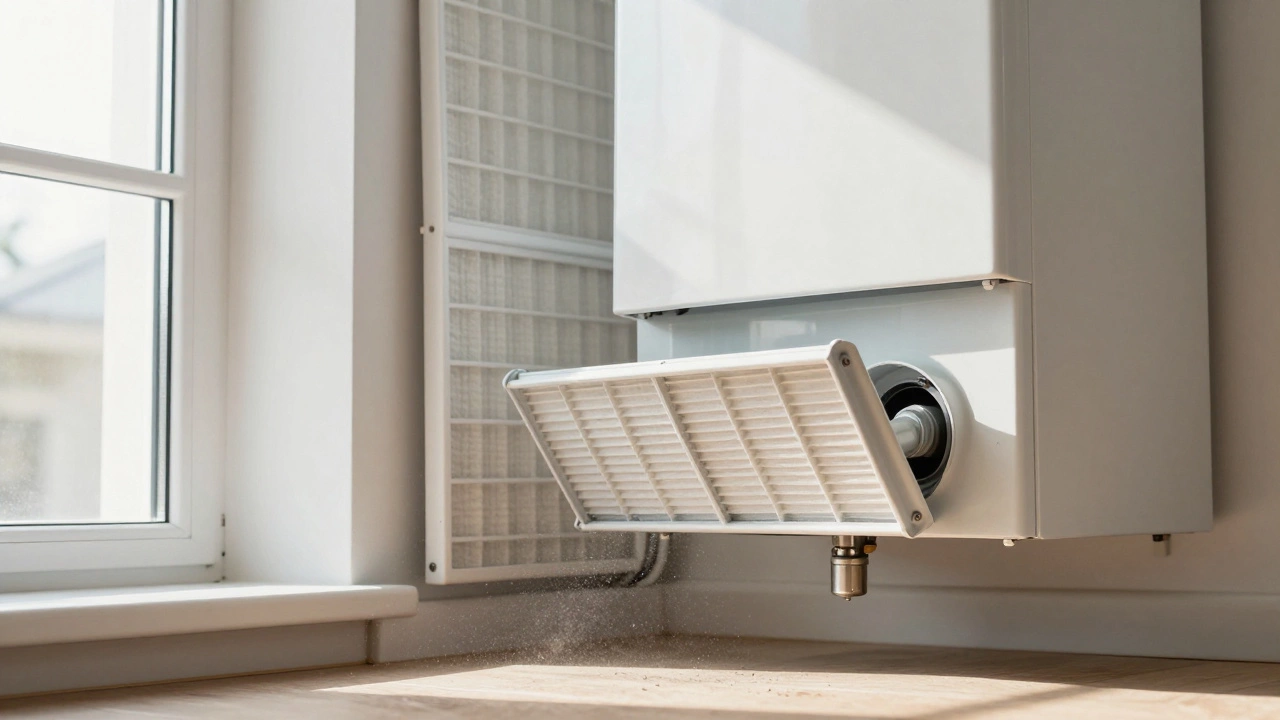
When you think of air filters, devices that trap dust, pollen, and particles to improve air quality in vehicles and homes. Also known as air purification systems, they’re not just for keeping your lungs clear—they’re critical for engine health, HVAC efficiency, and even your energy bills. A clogged air filter in your car can drop fuel economy by up to 10%, while a dirty home filter can make your HVAC system work twice as hard. These aren’t minor details. They’re the difference between smooth operation and costly repairs.
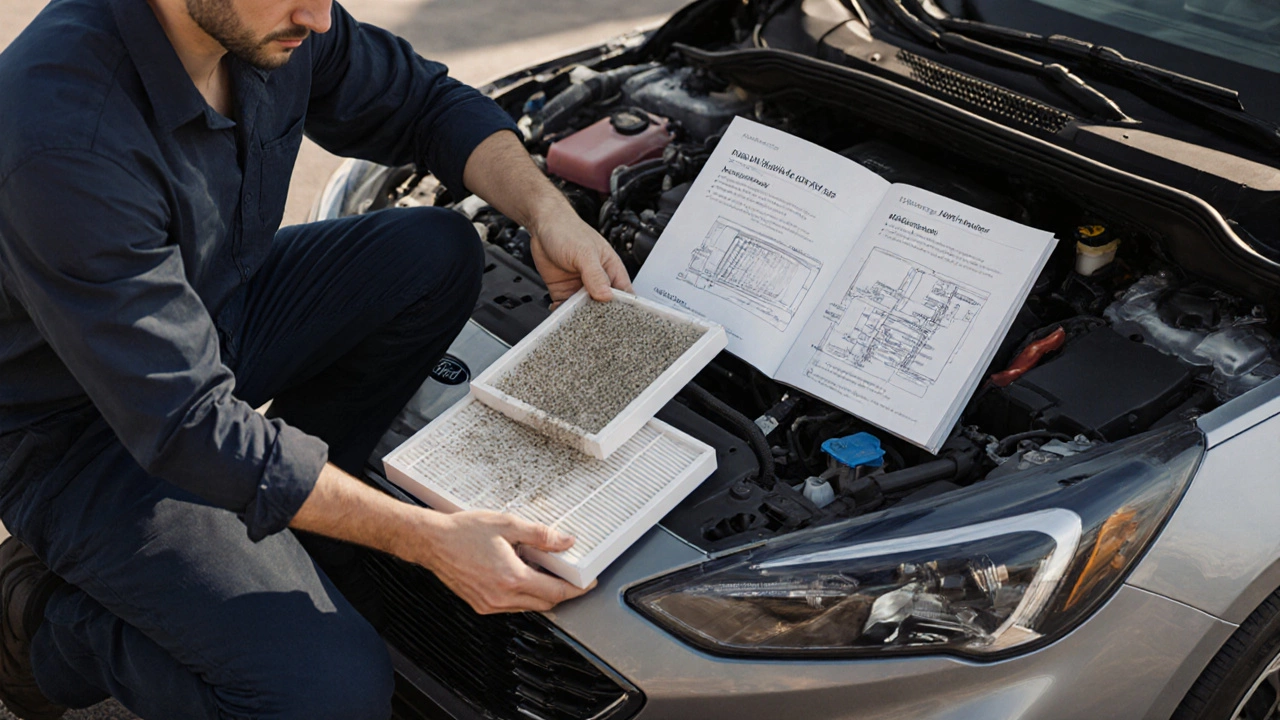
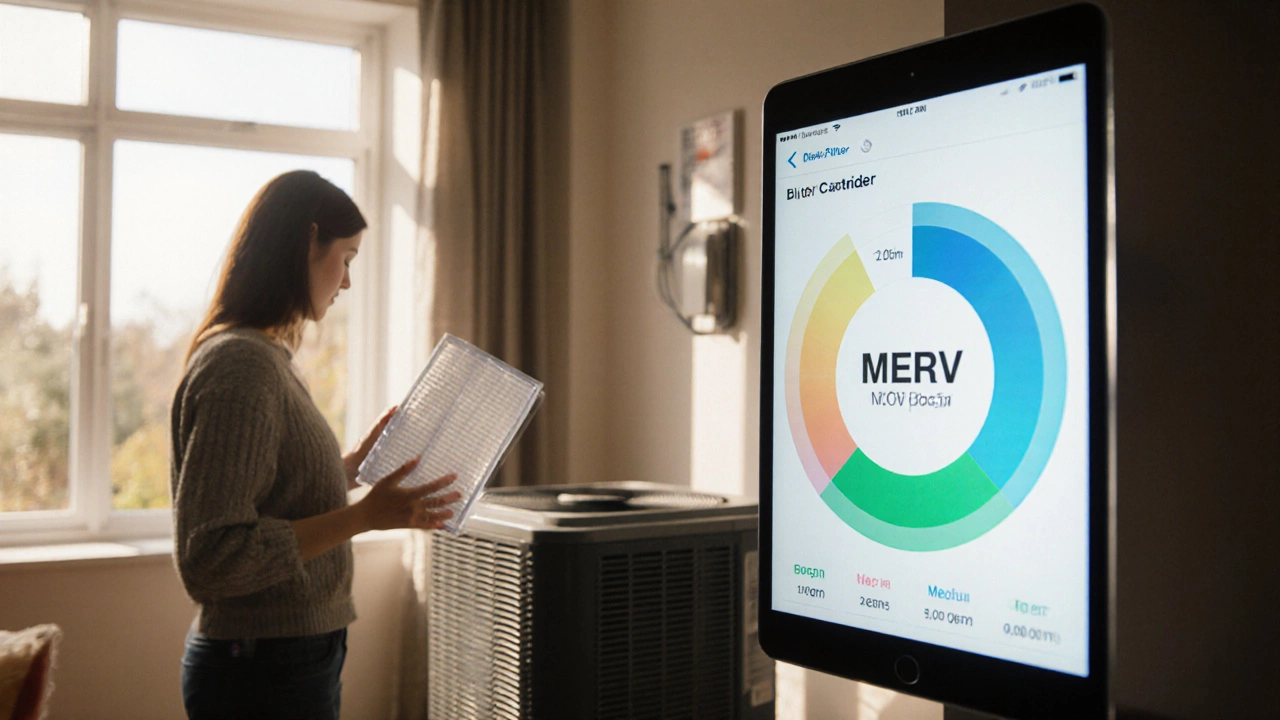
There are two main worlds where air filters matter: your cabin air filter, the filter in your car that cleans the air entering the interior through the HVAC system, and your MERV-rated filters, a standard scale from 1 to 16 that measures how well an air filter captures particles. The cabin filter keeps pollen and road dust out of your car’s cabin—think sneezing on the highway or foggy windows from dirty vents. MERV ratings tell you how fine the particles a filter can catch: MERV 8 handles dust and mold spores, while MERV 11 catches smoke and finer allergens. But higher isn’t always better. A MERV 13 filter might sound great, but if your system wasn’t built for it, airflow drops, your compressor strains, and you end up spending more on electricity.
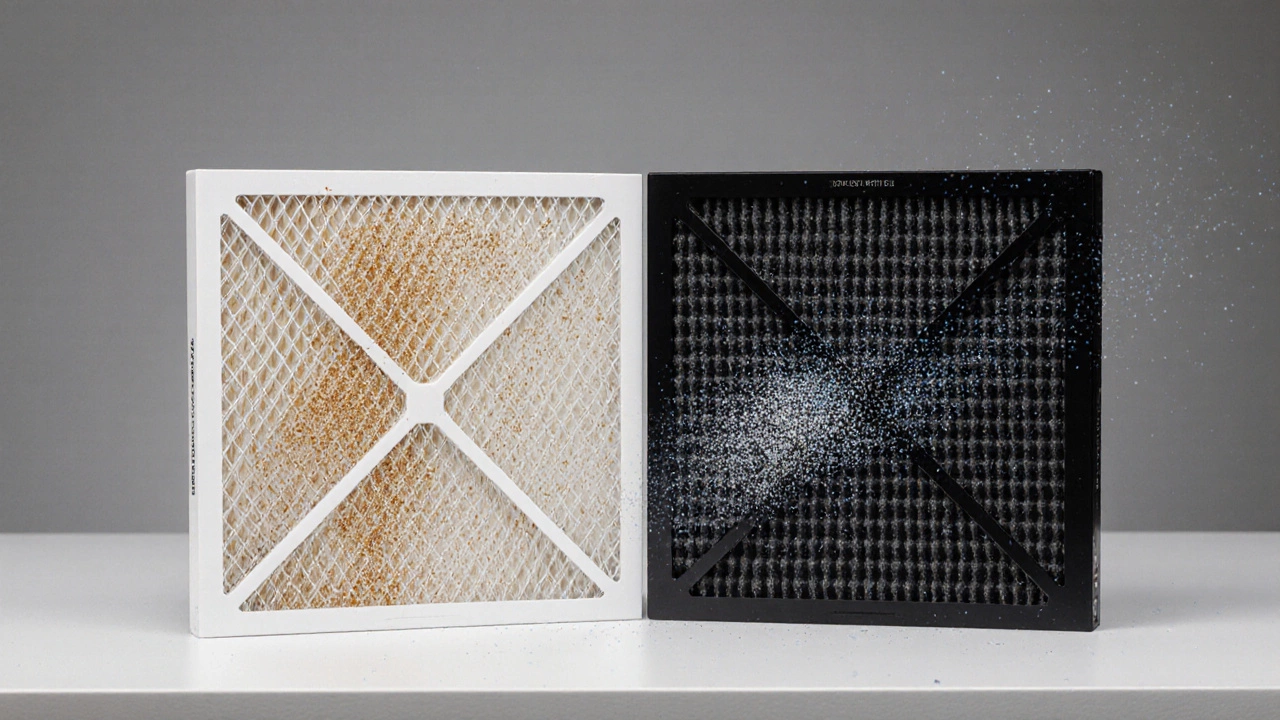
Then there’s HEPA filter, a type of mechanical air filter that captures at least 99.97% of particles 0.3 microns or larger. You’ll find these in high-end air purifiers, not typical car filters. HEPA is overkill for most cars, but in homes with allergies or pets, it’s a game-changer. Still, even HEPA needs replacing. No filter lasts forever. Most cabin filters need swapping every 15,000 to 30,000 miles. Home filters? Every 1 to 3 months, depending on pets, smoking, or construction nearby.
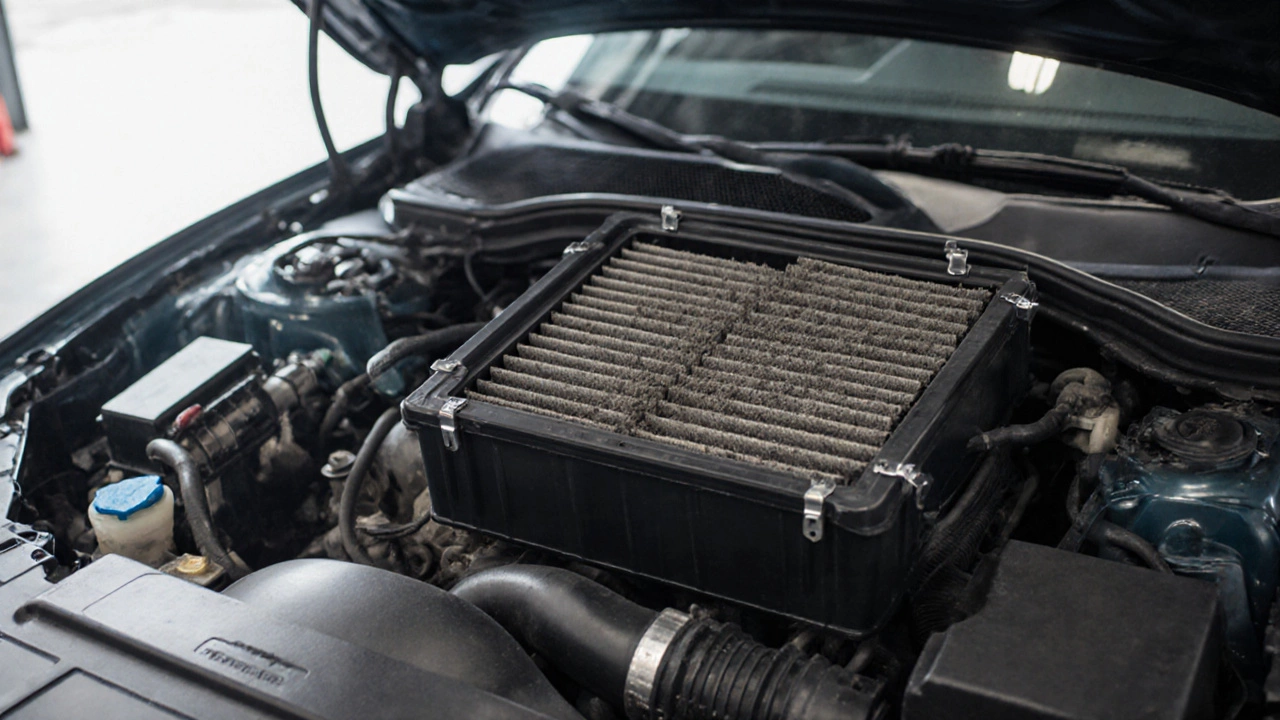
Bad air filters don’t just make you sneeze—they hurt performance. A dirty cabin filter can cause weak AC airflow, weird odors, and foggy windows. A clogged engine air filter? That’s power loss, rough idling, and higher emissions. You might not notice until your check engine light comes on. But there are early signs: reduced airflow from vents, louder engine noise, or a noticeable drop in fuel mileage. These aren’t myths. They’re real symptoms backed by mechanics and HVAC technicians.
So what do you actually need? If you drive a modern car, check your owner’s manual for the right cabin filter size and type. For home systems, match the MERV rating to your system’s capacity—don’t just grab the highest number on the shelf. And if you’ve got allergies, asthma, or pets, don’t wait until you can’t breathe. Change filters before they’re clogged. This isn’t about following a calendar. It’s about listening to your system and recognizing the signs.
Below, you’ll find real, no-fluff guides on how to pick the right filter, spot trouble before it costs you money, and understand what MERV and HEPA actually mean for your daily life. Whether you’re fixing your car or cleaning your home air, these posts give you the facts you need—no jargon, no hype, just what works.