Aftermarket Exhaust Cost & Value Calculator
Configuration
Analysis Results
Select your configuration and click Analyze to see if the upgrade is worth it.
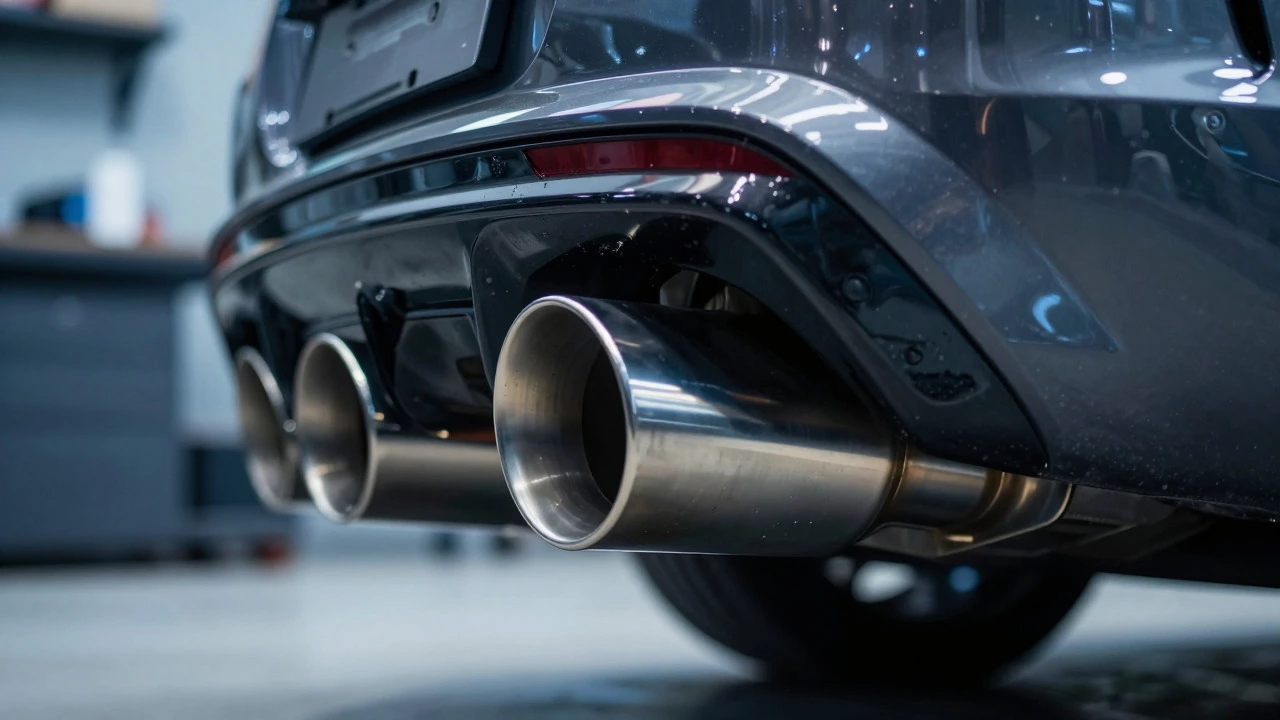
You turn the key, press the gas, and listen. That low rumble or aggressive crackle is what sells the dream of an aftermarket exhaust. But before you drop hundreds-or even thousands-of dollars on shiny stainless steel pipes, you need to know the truth. Is it just noise for your neighbors’ sake, or does it actually make your car faster?
The short answer is: it depends entirely on what you want. If you’re chasing horsepower on a stock engine, the gains are often negligible. If you want a deeper sound and a lighter car, the value is high. Let’s break down the real benefits, the hidden costs, and the specific scenarios where an upgrade makes sense.
What Actually Changes When You Swap Your Exhaust?
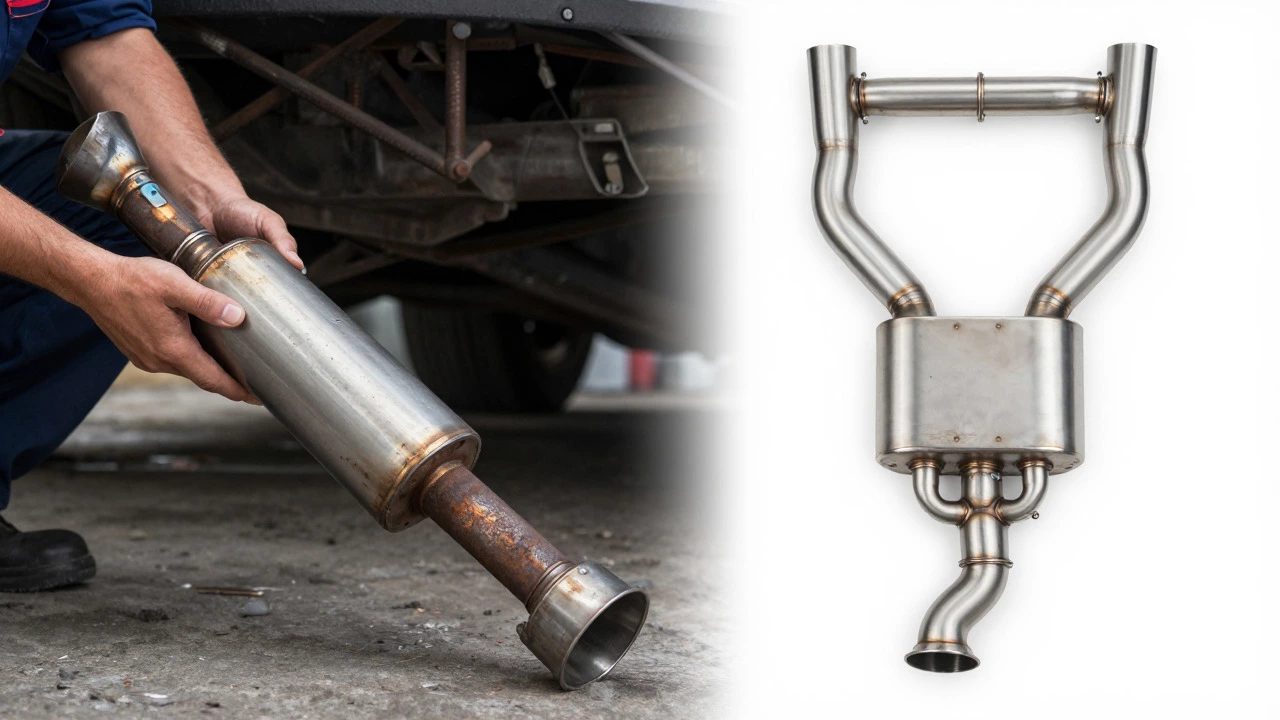
To understand if it’s worth it, you first have to understand what the factory exhaust system does. The original equipment manufacturer (OEM) system is designed for three things: emissions compliance, noise reduction, and cost efficiency. It uses thick walls, restrictive mufflers, and complex routing to keep your car quiet and legal.
An aftermarket system changes this dynamic by focusing on flow. Here are the three main types you’ll encounter, each with different trade-offs:
- Cat-Back Systems: This replaces everything from the catalytic converter back. It’s the most common upgrade because it usually stays within legal limits while offering significant sound improvements and modest weight savings.
- Header-Back or Downpipe Systems: These replace the front section near the engine (headers or downpipes). They offer the biggest performance gains but often require tuning and may fail emissions tests due to removed oxygen sensors or catalysts.
- Straight Pipes: Removing the muffler and resonator entirely. This creates maximum flow but also maximum noise. It’s rarely street-legal and can cause check-engine lights if O2 sensors aren’t preserved.
The core difference isn't just metal thickness; it's internal geometry. Factory mufflers use baffles to kill sound waves. High-performance aftermarket mufflers, like those from Borla or MagnaFlow, use larger chambers and perforated tubes to reduce backpressure without creating a tin-can rattle.
The Performance Myth: Do You Really Gain Horsepower?
This is where most buyers get burned. Marketing materials will claim "15+ HP gains," but physics tells a different story. On a completely stock vehicle with no other modifications, a cat-back exhaust might give you 0 to 3 horsepower. Yes, you read that right. The engine control unit (ECU) is already optimized for the factory backpressure. Removing some restriction doesn't automatically mean more power unless the engine can breathe better overall.
However, the situation changes if you’ve done other mods. If you have a cold air intake, a tuned ECU, or a turbocharger, the exhaust becomes a bottleneck. In these cases, an aftermarket exhaust allows the engine to expel gases faster, improving volumetric efficiency. For turbocharged cars, a larger diameter downpipe (e.g., moving from 3 inches to 3.5 inches) can significantly reduce turbo lag, making the car feel much quicker off the line, even if peak horsepower numbers don't skyrocket.
Don't confuse "feeling" faster with being faster. A louder exhaust provides auditory feedback that tricks your brain into thinking the car is accelerating harder. This is a psychological benefit, not a mechanical one.
Sound Quality: Rumble vs. Drone
If performance isn't the primary driver, sound is. And this is subjective. What sounds aggressive in a showroom might sound unbearable at 70 mph on the highway.
There are two main technologies in modern aftermarket mufflers:
- Twin-Tube Design: Uses two parallel tubes inside the muffler. One tube carries exhaust gases, while the other acts as a chamber to cancel out sound waves. This produces a deep, sporty tone with minimal drone. Brands like Valvetronix (Ford) or Akrapovič often use variations of this.
- Single-Tube/Perforated Core: A single large tube with holes, wrapped in packing material. This tends to be louder and raspier. It’s cheaper to manufacture but more prone to "drone"-a low-frequency humming that vibrates through the cabin at cruising speeds.
Always listen to a review video of the specific model installed on your exact car year and model. An exhaust that sounds great on a V8 muscle car might sound thin and whiny on a four-cylinder sedan.

Weight Reduction and Materials Matter
Factory exhausts are heavy. They use mild steel to save money, which means they rust quickly and add unnecessary unsprung weight. An aftermarket system typically uses stainless steel (usually 409 or 304 grade).
Here is why this matters beyond just looking good:
- Corrosion Resistance: Stainless steel lasts the life of the car. Mild steel rots out in 5-7 years depending on road salt usage.
- Weight Savings: A full cat-back system can weigh 15-30 pounds less than the OEM unit. While 20 pounds doesn't sound like much, removing weight from the rear of the car improves handling balance and reduces rotational mass.
- Durability: Thicker gauge steel (e.g., 16-gauge vs. 18-gauge) resists denting during installation and daily driving over potholes.
The Hidden Costs: Installation and Tuning
The price tag on the box is only half the story. You need to budget for labor and potential ancillary costs.
Installation Difficulty: Cat-back systems are often marketed as "bolt-on." If you’re handy with a wrench and have a lift or jack stands, you might do it yourself in 2-3 hours. However, rusted bolts often require cutting torches and extra time. Professional installation typically runs $100-$300 depending on your location.
Tuning Requirements: If you install a downpipe or header-back system, you remove oxygen sensors or change the backpressure ratio significantly. The ECU will detect this mismatch and throw a Check Engine Light (CEL). To clear the code and prevent long-term damage to the catalytic converter or engine, you’ll need a custom tune or a piggyback module. This adds another $300-$800 to the project.
| Component | Typical Cost Range | Key Benefit | Potential Drawback |
|---|---|---|---|
| Cat-Back System | $400 - $900 | Better sound, lighter, durable | Minimal HP gain on stock engines |
| Downpipe (Turbo Cars) | $300 - $700 | Reduces turbo lag, noticeable power | Often requires tune, may fail emissions |
| Headers (Naturally Aspirated) | $500 - $1,200+ | Significant top-end power gain | Difficult installation, heat soak issues |
| Professional Tune | $300 - $800 | Optimizes fuel/air mix for new exhaust | Additional cost, voids warranty if detected |
Legal Issues and Warranty Concerns
Before buying, check your local laws. In many US states, California CARB regulations, and European Union zones, modifying the exhaust to increase noise beyond OEM levels is illegal. Police officers carry decibel meters, and tickets can range from $100 to $500.
Regarding warranties: The Magnuson-Moss Warranty Act (in the US) states that manufacturers cannot void your entire warranty simply because you installed an aftermarket part. However, if the dealer can prove the exhaust modification caused damage to the engine or emissions system, they can deny coverage for those specific repairs. Keep receipts and consider keeping your old OEM parts just in case.
When Is It NOT Worth It?
Sometimes, saving your money is the best move. Avoid aftermarket exhausts if:
- You drive a hybrid or EV: Many hybrids shut off the engine frequently, meaning you won't hear the exhaust much anyway. EVs have no exhaust.
- Your car is naturally aspirated and small-displacement: A 1.6L or 2.0L non-turbo engine has very little exhaust gas volume to begin with. The gains are virtually non-existent.
- You commute in strict noise zones: If you live in an apartment complex or city with strict noise ordinances, a loud exhaust will lead to complaints and fines.
- You plan to sell the car soon: Most used car buyers prefer OEM condition. A loud exhaust can deter family-oriented buyers.
Final Verdict: Who Should Buy?
An aftermarket exhaust is worth it if you prioritize driving enjoyment, aesthetics, and durability over raw speed. It transforms the sensory experience of driving. The car feels more alive, looks more aggressive, and lasts longer against rust.
If you are building a track car or a turbocharged enthusiast vehicle, it is a necessary component for performance. For the average daily driver with a stock engine, manage your expectations: you are buying sound and style, not a lap-time record. Choose a reputable brand, listen to real-world reviews, and ensure it fits your local legal landscape.
Does an aftermarket exhaust improve fuel economy?
Generally, no. On a stock engine, the improvement is so small (less than 1%) that it’s unnoticeable. However, if you combine a high-flow exhaust with a proper ECU tune, you might see a slight improvement in miles per gallon because the engine works less hard to push out exhaust gases. Conversely, if you drive aggressively because the car sounds faster, your MPG will likely drop.
Will an aftermarket exhaust void my car warranty?
Not automatically. Under US law (Magnuson-Moss), dealers must prove the aftermarket part caused the damage to deny a warranty claim. If your engine blows up due to unrelated reasons, the exhaust isn't to blame. However, if the exhaust causes overheating or emissions failure, those specific repairs may not be covered. Always keep your OEM parts.
What is the difference between aluminized steel and stainless steel exhausts?
Aluminized steel is coated with aluminum to resist rust, but once the coating chips or cracks, the steel underneath corrodes rapidly. Stainless steel (specifically 409 or 304 grade) is corrosion-resistant throughout the material. Stainless is heavier, more expensive, and lasts significantly longer, making it the preferred choice for aftermarket upgrades.
Can I install an aftermarket exhaust myself?
Cat-back systems are often DIY-friendly if you have basic tools, jack stands, and patience for rusted bolts. Header-back or downpipe installations are more complex, requiring work under the engine bay and potentially removing suspension components. If you lack experience or tools, professional installation is recommended to avoid leaks or damaged hangers.
Is a straight pipe exhaust legal?
In most jurisdictions, no. Straight pipes remove the muffler and often the catalytic converter, leading to excessive noise and higher emissions. They are generally reserved for race-only vehicles. For street use, a high-flow cat-back system is the safest legal option that still provides a sporty sound.