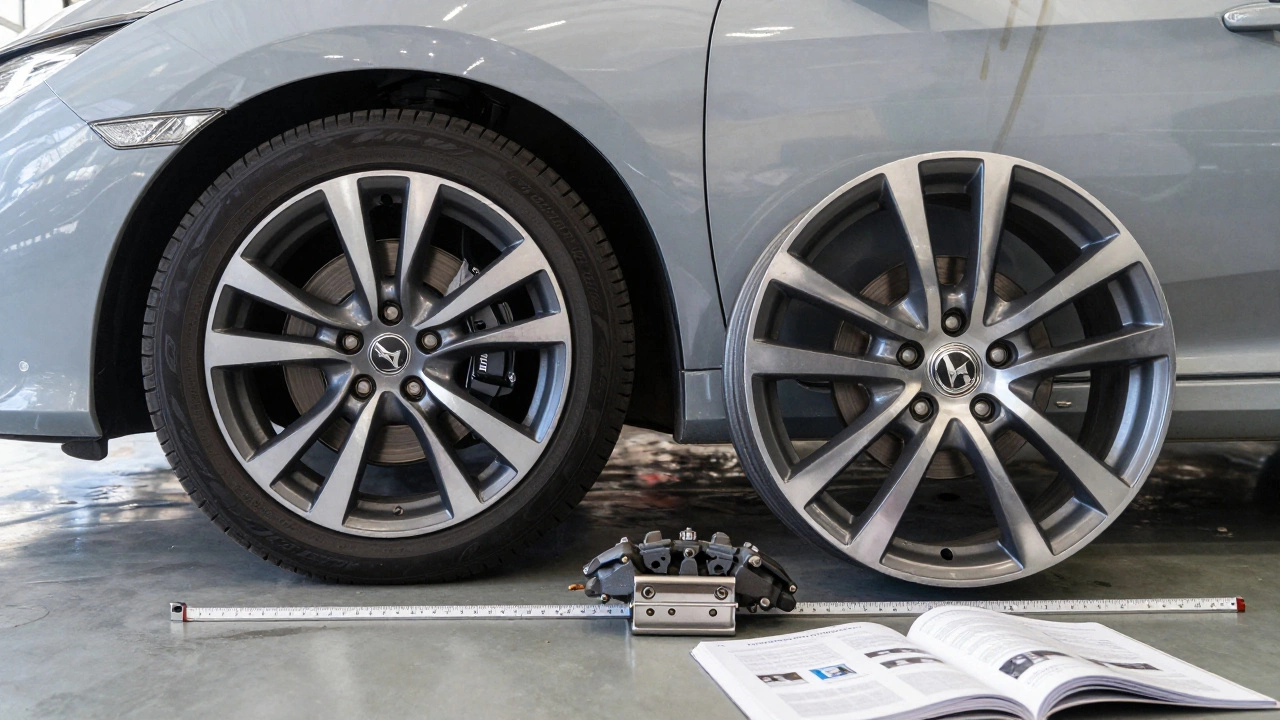
Wheel Upgrade: What You Need to Know Before Making the Switch
When you think about a wheel upgrade, a change to your car’s wheels and tires to improve looks, handling, or performance. Also known as aftermarket wheels, it’s one of the most visible—and often misunderstood—modifications you can make. A wheel upgrade isn’t just about looking cool. It affects how your car handles, how fast it stops, how smooth the ride feels, and even how much fuel it uses. Too big, too wide, or the wrong offset, and you could end up with rubbing tires, broken suspension parts, or worse—a dangerous ride.
Many people jump straight to bigger wheels because they look aggressive, but that’s where things go wrong. A wheel size, the diameter of the wheel measured in inches, typically ranging from 15 to 22 inches for passenger cars isn’t just a number—it changes your tire’s sidewall height, which impacts shock absorption. Go from a 17-inch to a 20-inch wheel without adjusting the tire profile, and you lose cushioning. That means every pothole in the UK hits harder, your suspension wears out faster, and your ride turns into a bone-rattling experience. And don’t forget: bigger wheels often mean heavier wheels. More weight means more strain on your brakes, slower acceleration, and worse fuel economy.
Then there’s wheel fitment, how the wheel sits in relation to the car’s fender, suspension, and brakes, determined by offset, bolt pattern, and center bore. This isn’t something you guess at. Your car’s manufacturer sets these specs for a reason. If your new wheel’s offset is too low, the wheel sticks out and can hit the fender on turns. Too high, and it rubs against the suspension or brakes. A mismatched bolt pattern? That’s a safety hazard. And center bore size? If it’s too small, the wheel won’t fit over the hub. If it’s too big, you need a spacer—another potential point of failure.
And let’s not forget the tire size, the combination of width, aspect ratio, and diameter that works with your wheel and affects grip, speedometer accuracy, and ride quality. You can’t change the wheel without matching it to the right tire. A 225/45R17 tire isn’t the same as a 245/40R18. Change one without adjusting the other, and your speedometer reads wrong, your ABS system gets confused, and your car’s handling turns unpredictable. Even small changes can throw off your car’s electronic systems.
Some upgrades make sense—like swapping from stock 16-inch wheels to 17-inch ones with a slightly wider tire for better grip in wet UK conditions. Others? Pure vanity. You’ll pay more for the wheels, more for the tires, more for alignment, and more for repairs down the line. The best wheel upgrades don’t scream for attention—they just make your car feel more planted, more responsive, and more confident on the road.
Below, you’ll find real-world guides on what actually happens when you change your wheels, how to spot a bad fit before you buy, and which upgrades deliver real value without costing you your suspension—or your safety.