Streaking Wipers: Why They Happen and How to Fix Them
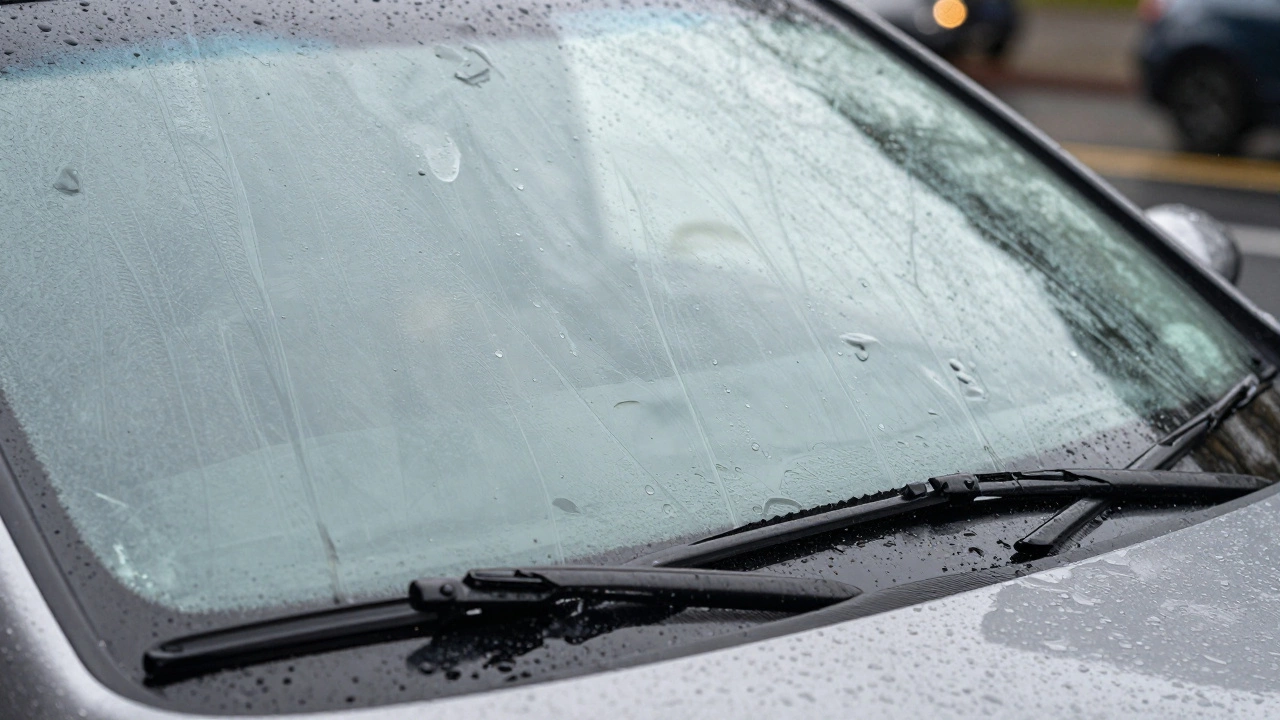
When your streaking wipers, the visible smears and lines left on your windshield after the wipers pass. Also known as windshield smearing, it’s not just annoying—it’s dangerous. A clear view isn’t optional when it’s raining or snowing, and streaking wipers mean your safety is compromised. Most people blame the rain, but the real culprit is almost always the wiper blades themselves. They’re made of rubber, and rubber degrades over time from sun, cold, and dirt. Even if they don’t look broken, they can lose their flexibility and stop pressing evenly against the glass.
What causes streaking? It’s usually one of three things: worn blades, dirty windshields, or dried-out rubber. wiper blades, the rubber strips that sweep water off your windshield don’t last forever. Most last 6 to 12 months, depending on climate and how often you use them. If you haven’t replaced them in over a year, you’re already behind. Dirty windshields also make streaking worse—dust, tree sap, and road grime build up and grab at the blade, pulling it away from the glass. And if your washer fluid is low or you’re using plain water, you’re not cleaning the glass properly, just smearing dirt around.
You don’t need a mechanic to fix this. Start by cleaning your windshield with vinegar and water or a dedicated glass cleaner. Then wipe the blades with a damp cloth soaked in rubbing alcohol—this removes grime that’s hardened on the rubber. If that doesn’t help, it’s time for new blades. They’re cheap, easy to install, and come in universal sizes. Look for ones with a frameless design—they flex better over curved windshields and last longer. Brands like Bosch, Rain-X, and Michelin are reliable and widely available in the UK.
Streaking wipers aren’t just a winter problem. In spring, pollen and bird droppings stick to the glass and gum up the blades. In summer, UV rays harden the rubber. And in autumn, wet leaves leave sticky residue. No matter the season, if your wipers leave streaks, it’s not the weather—it’s the blades. Don’t wait until you’re squinting through rain to act. A quick check every six months saves you from dangerous drives and costly repairs down the line.
What you’ll find below are real-world fixes, common mistakes people make when replacing blades, and how to tell if your problem is something bigger—like a bent wiper arm or failing motor. These aren’t theory articles. They’re from drivers who’ve been there, fixed it, and shared what actually worked.