Spark Plug Replacement: Signs, Lifespan, and How to Do It Right
When your car sputters, stalls, or feels like it’s dragging, the culprit might be something small but critical: your spark plugs, small but essential components that ignite the fuel-air mix in your engine’s cylinders. Also known as ignition plugs, they’re the reason your engine starts and runs smoothly. Most drivers don’t think about them until something goes wrong—then it’s too late. A failing spark plug doesn’t just hurt performance. It can wreck your fuel economy, trigger check engine lights, and even damage your catalytic converter over time.
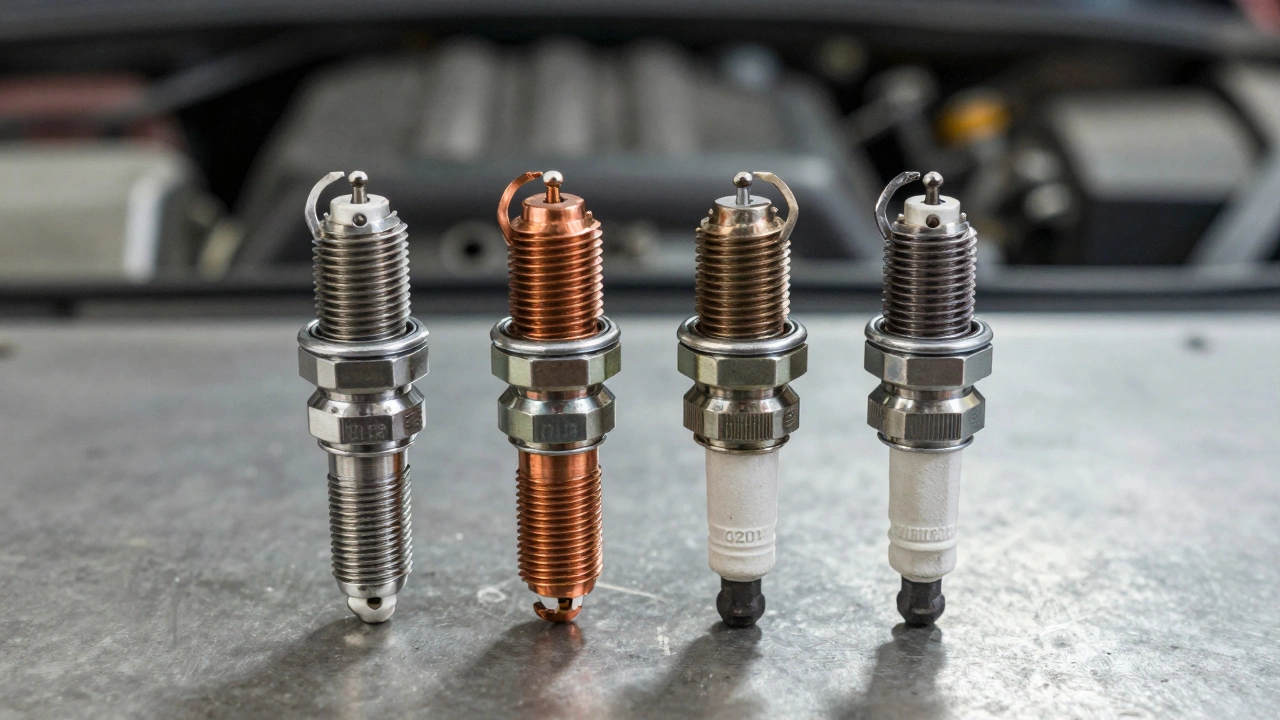
The spark plug lifespan, how long they last before needing replacement varies. Standard copper plugs last 20,000 to 30,000 miles. Platinum ones can go 60,000. Iridium? Up to 100,000. But mileage isn’t the whole story. Short trips, bad fuel, or a rich air-fuel mix can cook them faster. If your car idles rough, hesitates when accelerating, or your fuel tank empties quicker than usual, those are classic spark plug symptoms, warning signs that the ignition system is struggling. You might also hear a clicking or popping sound from the engine—like it’s coughing. That’s not normal.
And it’s not just about performance. A weak spark means incomplete combustion. That means unburned fuel gets pushed into the exhaust. Over time, that gunk builds up and can clog your emissions system. Fixing that costs way more than replacing plugs. Many UK drivers wait until their car won’t start. Don’t be one of them. Check your owner’s manual for the recommended interval. If you don’t have it, look up your model online. Most manufacturers list it clearly.
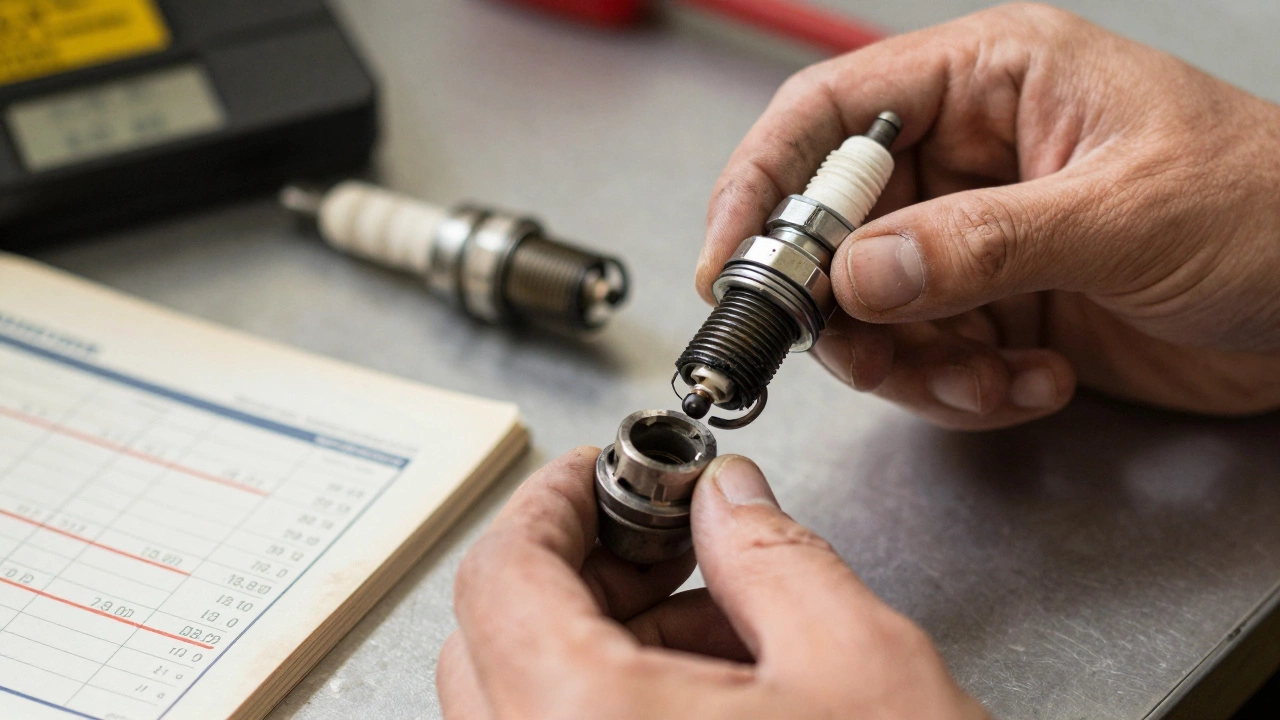
You don’t need a garage to replace them. With basic tools—a socket wrench, extension, and spark plug gap tool—you can do it yourself in under an hour. Just make sure the engine is cold. Pull the old ones out one at a time, check the gap on the new ones (even if they’re advertised as pre-gapped), and torque them snug—not too tight. Cross-threading is a common mistake that leads to expensive repairs.
What you’ll find below isn’t theory. It’s real advice from people who’ve been there. Posts cover how to spot failing plugs before they leave you stranded, how long they really last under UK driving conditions, and why ignoring them is like ignoring a check engine light. You’ll also see how bad plugs connect to bigger problems—like rough idling, poor acceleration, and even engine misfires that feel like your car is skipping beats. These aren’t guesses. They’re patterns seen over thousands of UK cars. Whether you’re a weekend mechanic or just trying to avoid a mechanic’s bill, this collection gives you the facts you need to act before it’s too late.