Fuel Pump Problems? Signs, Symptoms, and What to Do Next

When your car suddenly sputters on the highway or won’t start after sitting overnight, the culprit isn’t always the battery—it could be your fuel pump, a critical component that delivers gasoline from the tank to the engine under pressure. Also known as a fuel delivery pump, it’s one of those parts you never think about until it stops working—and then you’re stuck. Unlike a filter or spark plug, a bad fuel pump doesn’t give you warning lights or easy fixes. It just quits, often at the worst moment.

Most fuel pumps last between 100,000 and 150,000 miles, but driving habits, fuel quality, and debris in the tank can cut that life in half. If you’re running low on gas often, you’re forcing the pump to work harder and overheat. That’s why a failing pump often shows up after you’ve topped off with cheap fuel or driven with the tank near empty. The engine sputtering, a symptom tied directly to inconsistent fuel flow is the most common red flag. You might also hear a high-pitched whine from the back of the car when you turn the key—a noise that shouldn’t be there. Other signs? Hard starts, loss of power uphill, or the engine dying under load. These aren’t just annoyances—they’re clues your fuel system is failing.

And it’s not just about the pump itself. The fuel filter, a simple but vital barrier that keeps dirt out of the pump, often gets ignored. A clogged filter forces the pump to work harder, leading to early failure. Many people replace the pump only to find the same problem returns six months later—because they didn’t change the filter. Even the fuel tank, the reservoir that feeds the pump matters. Rust, water, or sludge inside can clog the pump’s intake sock. If you’ve had a bad fuel pump before, cleaning or replacing the tank is often the real solution.

What you’ll find below isn’t just theory. These are real cases from UK drivers who faced the same issues: cars that wouldn’t start on cold mornings, sudden power loss on the M25, or mysterious stalling after refueling. Each post breaks down what actually went wrong, how to spot it early, and whether you can fix it yourself—or if it’s time to call in help. No fluff. No guesswork. Just clear, practical advice from people who’ve been there.

9
May
Fuel Pump Testing: How to Check If Yours Is Working Right
Fuel Pumps

Fuel Pump Testing: How to Check If Yours Is Working Right

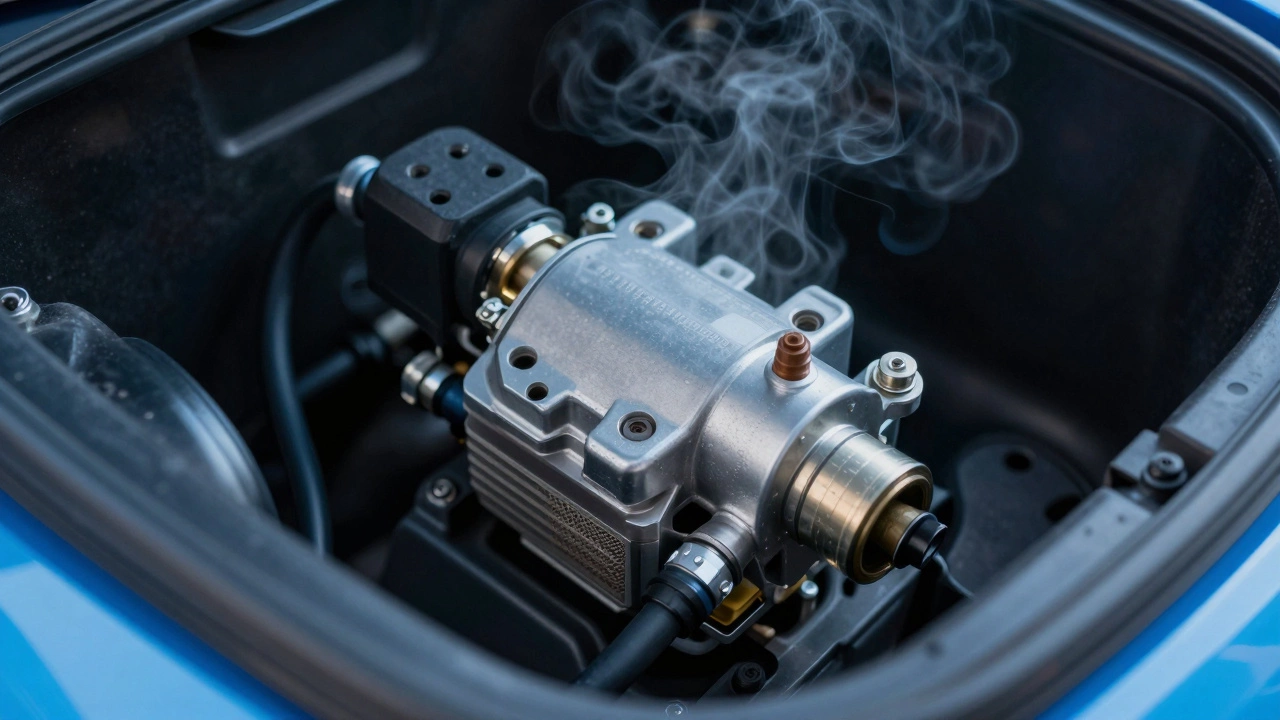
Testing a fuel pump can save you the trouble of a breakdown or an expensive tow. This article shows practical ways to check if your fuel pump is in good shape or giving you problems. You'll learn the symptoms of a failing pump, simple tests you can do at home, and when it's time to seek professional help. The advice covers both basic and more precise methods—using just your senses, a fuel pressure gauge, or a multimeter. You'll leave knowing how to spot trouble before it leaves you stranded.

11
Apr
What Causes a Fuel Pump to Go Bad?
Fuel Pumps

What Causes a Fuel Pump to Go Bad?

Fuel pumps are crucial for your vehicle's operation, but like any car part, they can fail. Understanding what causes a fuel pump to go bad can help you prevent issues before they start. From dirty fuel to electrical problems, various factors might lead to its failure. Regular maintenance and awareness of potential problems can extend its lifespan. This article digs into common causes of fuel pump failure and how to avoid them.

8
Mar
Diagnosing a Faulty Fuel Pump: A Mechanic's Guide
Fuel Pumps

Diagnosing a Faulty Fuel Pump: A Mechanic's Guide

Uncover the process mechanics use to diagnose a bad fuel pump, including common symptoms and troubleshooting tips. Learn the principles behind a mechanic's approach as well as practical advice for car owners. Explore interesting tidbits, like why a whiny sound might not be your teenage son but a failing component under the hood. This article serves as a practical guide for anyone curious or concerned about their vehicle's fuel system.

8
Mar
Should You Disconnect the Battery When Changing a Fuel Pump?
Fuel Pumps

Should You Disconnect the Battery When Changing a Fuel Pump?

Changing a fuel pump can be daunting, particularly for those who are not car-savvy. One critical question often arises: Is it necessary to disconnect the battery during this procedure? This article examines the reasons behind battery disconnection, highlights safety considerations, and offers practical tips for a smooth DIY experience. Knowing when to disconnect the battery not only ensures personal safety but also prevents possible damage to your vehicle's electrical system.

3
Jan
Step-by-Step Guide to Identify a Faulty Fuel Pump
Maintenance

Step-by-Step Guide to Identify a Faulty Fuel Pump

Fuel pumps play a crucial role in ensuring the smooth operation of a vehicle. When a fuel pump malfunctions, it can lead to significant performance issues or even prevent the car from starting. This article provides practical steps and tips to help you diagnose a potential fuel pump problem, understand common symptoms, and learn how to differentiate these from other issues. Whether you're a seasoned mechanic or a car enthusiast, these insights will aid in effective troubleshooting.