Car Repair: Essential Fixes, Signs of Trouble, and DIY Tips for UK Drivers
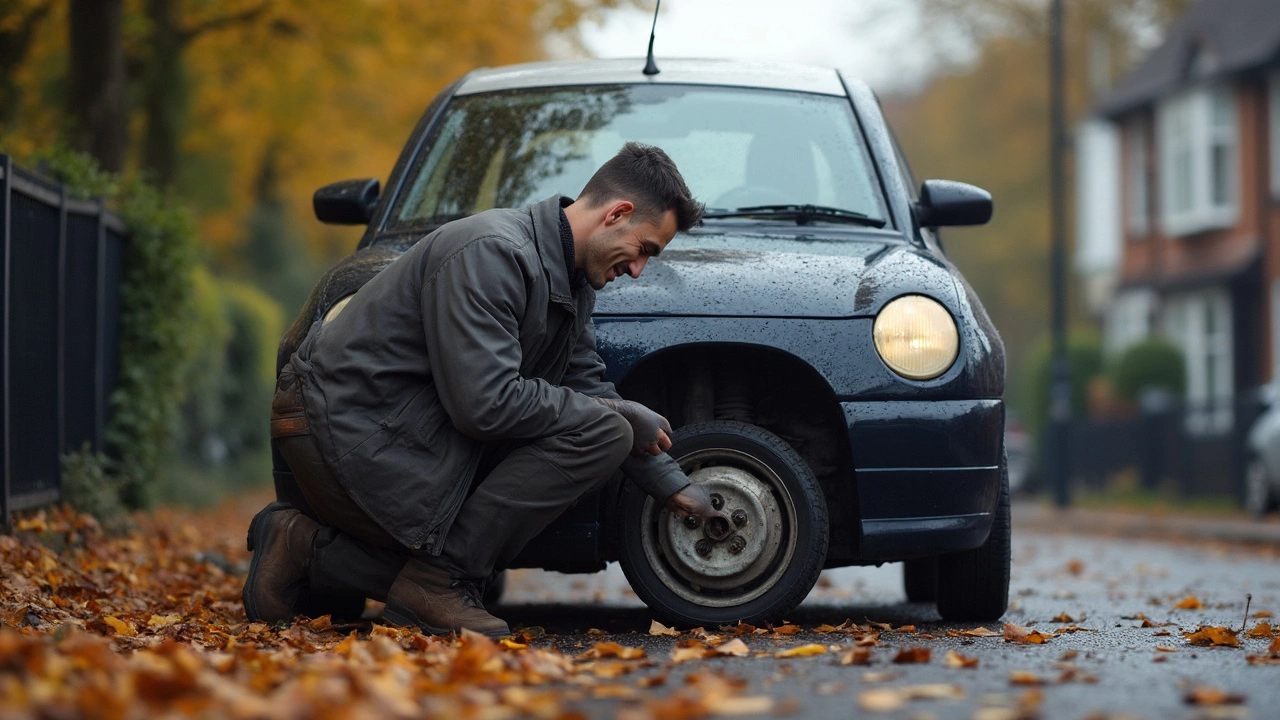
When your car starts making strange noises or feels off on the road, you’re not just dealing with a mechanical issue—you’re facing a car repair, the process of diagnosing and fixing vehicle problems to restore safety, performance, and reliability. Also known as automotive maintenance, it’s something every driver in the UK needs to understand, not just mechanics. Ignoring small signs like squeaking brakes or a rough idle doesn’t save money—it just delays the bill. And in the UK’s wet, stop-start traffic, these problems show up faster than you think.
Take brake pads, the friction material that slows your car when you press the pedal. They wear out between 25,000 and 60,000 miles, but many UK drivers replace them by 30,000 because of heavy braking in cities. If you hear a high-pitched screech or feel the pedal vibrate, you’re not imagining it—you need new pads. Skipping this isn’t just expensive; it’s dangerous. The same goes for spark plugs, tiny components that ignite fuel in your engine. When they fail, your car sputters, loses power, and burns more fuel. Most drivers wait too long, thinking "it’ll fix itself." It won’t. A spark plug change under 60,000 miles can bring back smooth acceleration and better fuel economy.
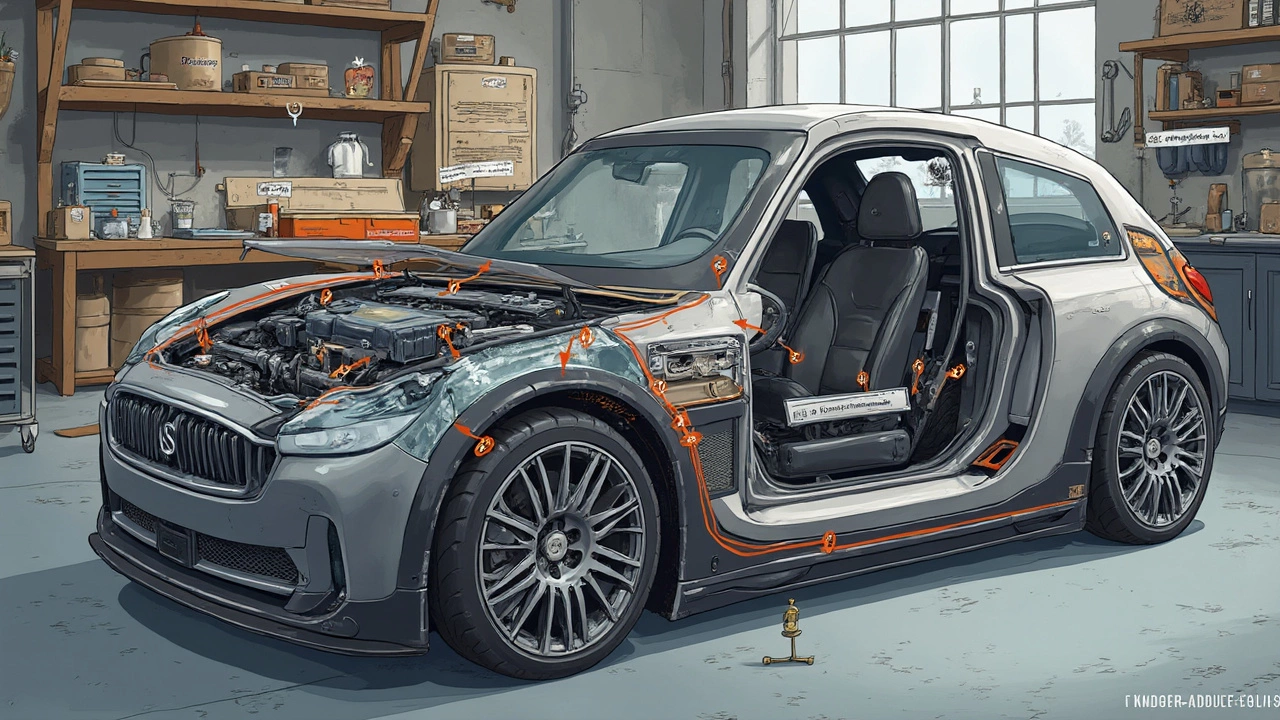
Your radiator, the system that keeps your engine from overheating, often gets overlooked until steam comes out of the hood. Most last 8 to 15 years, but a small leak or clog can turn into a $2,000 engine repair overnight. And if your car bounces too much over bumps or pulls to one side, that’s not just an uncomfortable ride—it’s a sign of suspension, the system that connects your wheels to the chassis and absorbs road shocks. Bad struts or bent control arms don’t just wear out tires faster—they make braking longer and handling unpredictable.
Car repair isn’t about fixing everything at once. It’s about catching the small things before they become big problems. You don’t need to be a mechanic to check your brake pad thickness, listen for engine misfires, or spot coolant leaks under your car. A few minutes every month can save you hundreds—or even thousands. And if you’re thinking of buying a used car at auction, knowing these signs helps you avoid a money pit.
Below, you’ll find clear, no-fluff guides on exactly what to look for, when to act, and how to fix common issues yourself—whether it’s replacing brake pads, choosing the right air filter, or understanding why your AC isn’t cooling like it used to. No jargon. No upsells. Just what works for UK drivers.