Car Radiator: Signs of Failure, Lifespan, and How It Affects Your AC
When your car radiator, a metal heat exchanger that cools engine coolant before it circulates back into the engine. Also known as engine coolant radiator, it’s one of the most overlooked but critical parts in your car’s cooling system. If it fails, your engine overheats—and that’s not a slow, gentle warning. It’s a sudden, expensive breakdown. Most radiators last 8 to 15 years, but in the UK’s stop-start traffic and wet winters, many give out by 10. And here’s the thing: a failing radiator doesn’t just make your engine overheat. It can wreck your air conditioning, too.
The radiator and AC interaction, how the engine cooling system shares space and airflow with the vehicle’s air conditioning condenser is tighter than you think. When your radiator gets clogged with rust or debris, the fan has to work harder to pull air through both the radiator and the AC condenser behind it. That means your AC blows warm air even when the compressor is running. You might think it’s a refrigerant leak, but it’s just the radiator choking the whole system. And if you ignore the early signs—like coolant leaks under the car, sweet-smelling steam, or the temperature gauge creeping into the red—you’re not just risking a breakdown. You’re risking a blown head gasket, which costs more than a new radiator by a long shot.
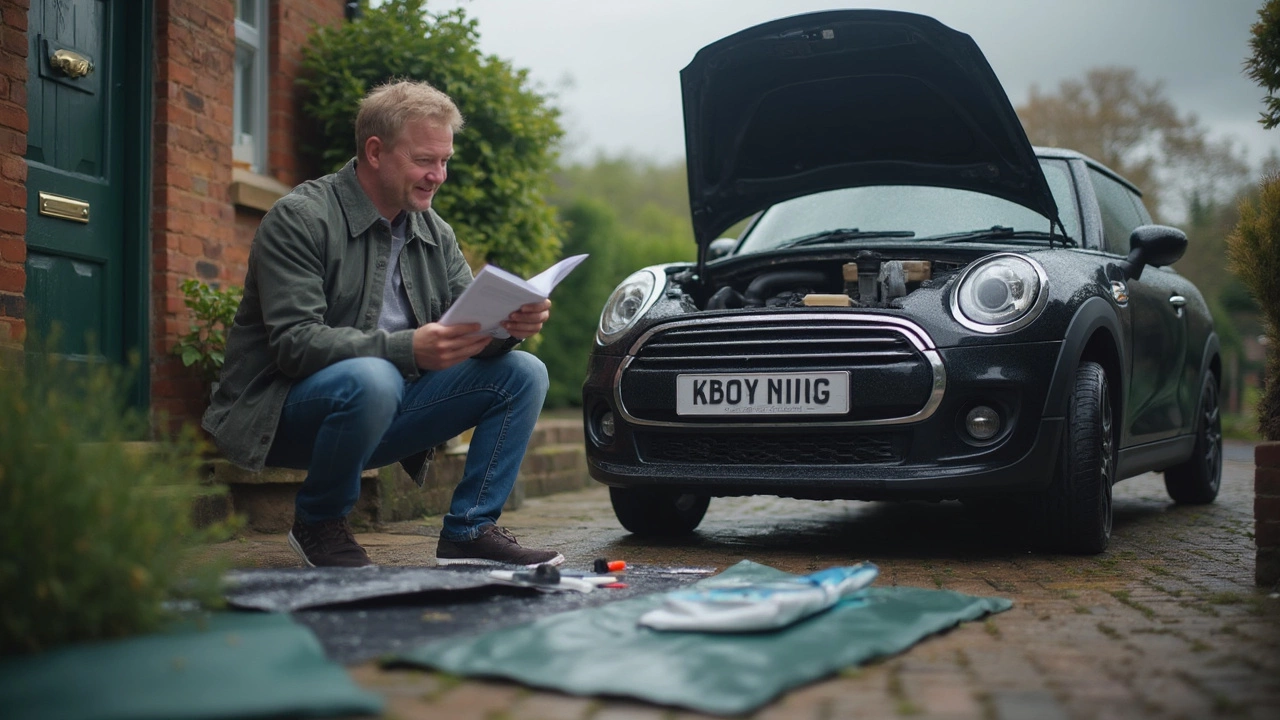
Some people think replacing a radiator is a job for the garage. But if you’ve got basic tools and can follow a guide, you can do it yourself. The real issue isn’t the cost of the part—it’s the timing. Most people wait until the engine starts overheating in traffic. That’s too late. Look for the early signs: discolored coolant (brown or oily), bulging hoses, or puddles that smell like maple syrup. Check your radiator cap too. A weak cap won’t hold pressure, and that’s enough to make your engine run hot even with a perfect radiator.
And don’t forget the radiator replacement, the process of removing a damaged or aging radiator and installing a new one, often requiring coolant flush and system bleeding. It’s not just about swapping parts. You need to flush the old coolant out—rust and sludge left behind will clog the new radiator in months. Most shops skip this step to save time. If you’re buying a used radiator from auction, make sure it’s clean and pressure-tested. A cracked tank or bent fins might look fine, but it’s a ticking clock.
What you’ll find below are real, practical posts from UK drivers who’ve been there. They show you how to spot radiator failure before it strands you. They explain why your AC stops cooling even when the fan runs. They break down exactly how long a radiator lasts under real UK conditions—not just textbook numbers. And they tell you when to replace it yourself versus when to walk away and let a pro handle it. No fluff. No theory. Just what works when your engine’s overheating and your AC is blowing hot air in the middle of July.