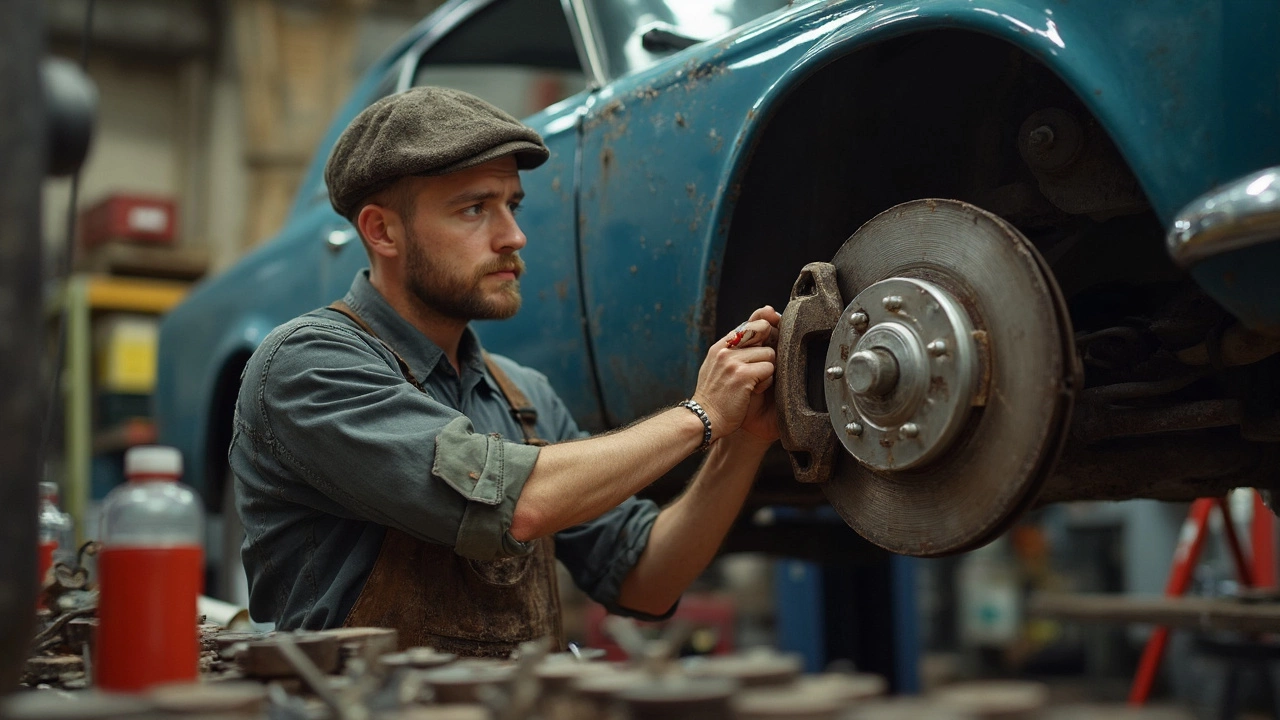
Brake Pads: When to Replace Them and How to Spot Wear Early
When you press the brake pedal, brake pads, thin friction materials that clamp down on the rotors to stop your car. Also known as brake linings, they’re one of the most critical safety parts in your vehicle. If they wear out, your car won’t stop properly—even if the brakes feel firm. Many drivers don’t realize brake pads can go from fine to dangerous in just a few hundred miles. In the UK, where wet roads and stop-start traffic are the norm, brake pads often need replacing by 30,000 miles, even if the manufacturer says 60,000.
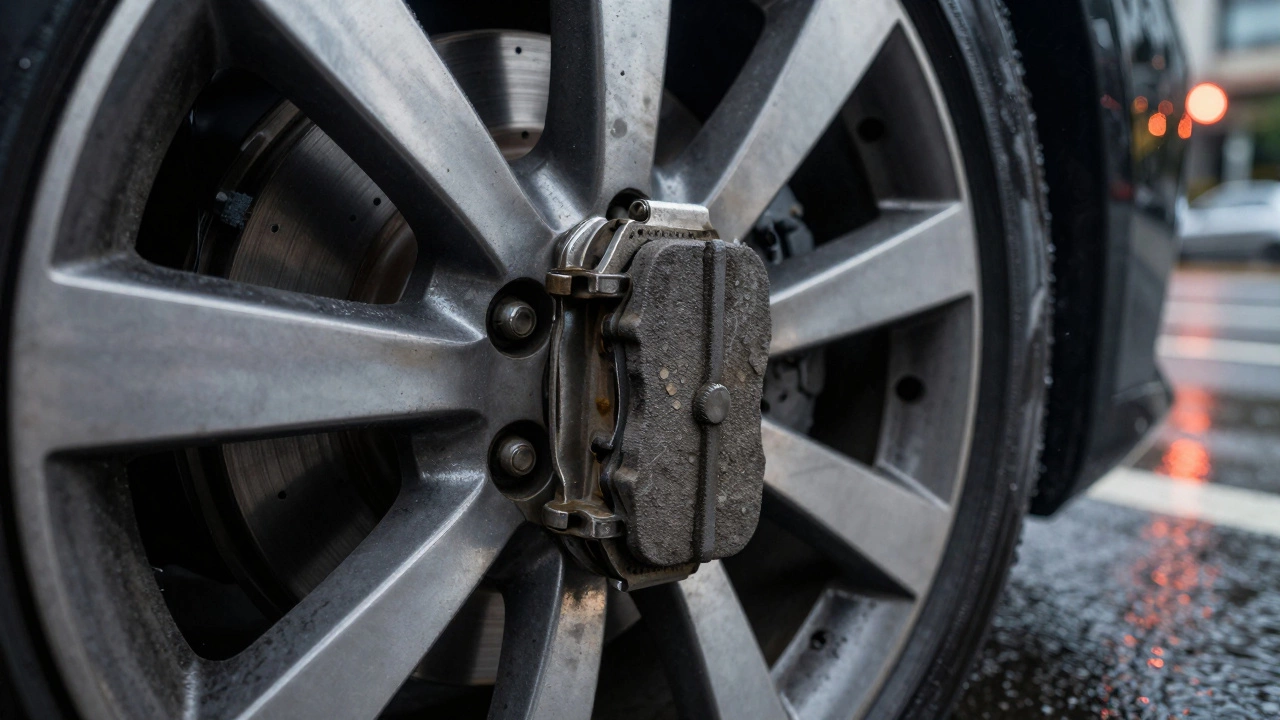
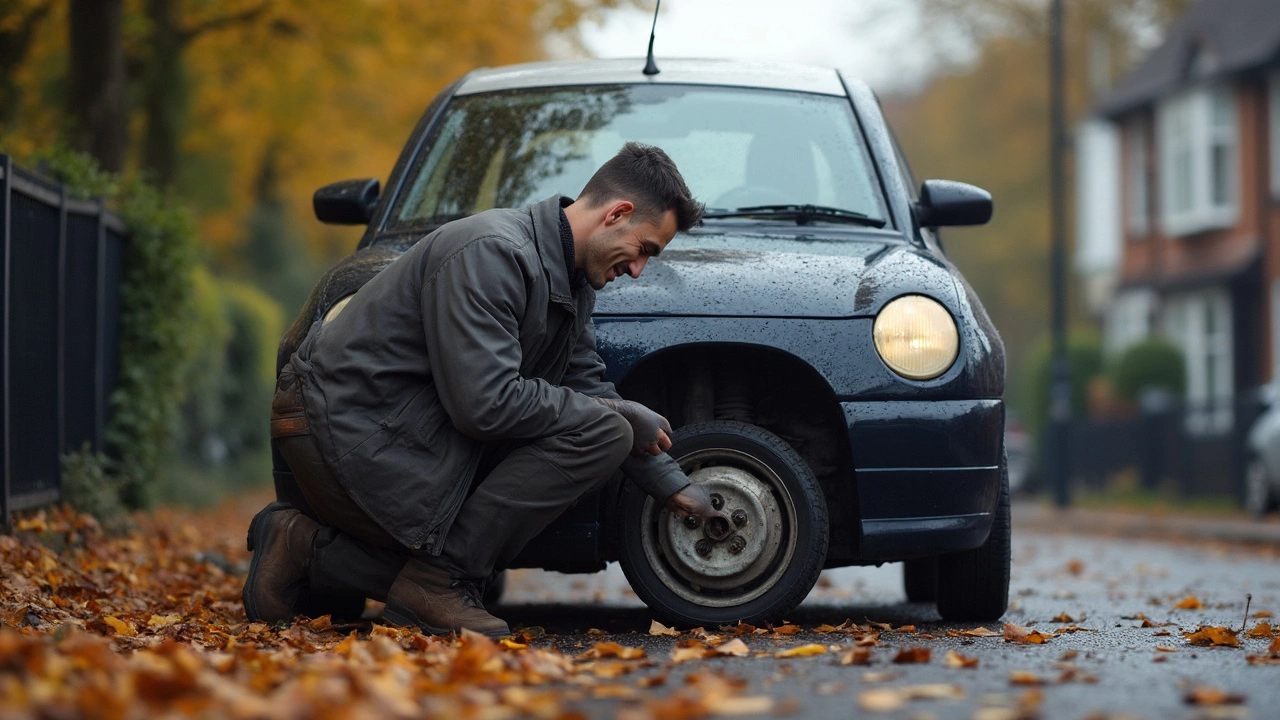
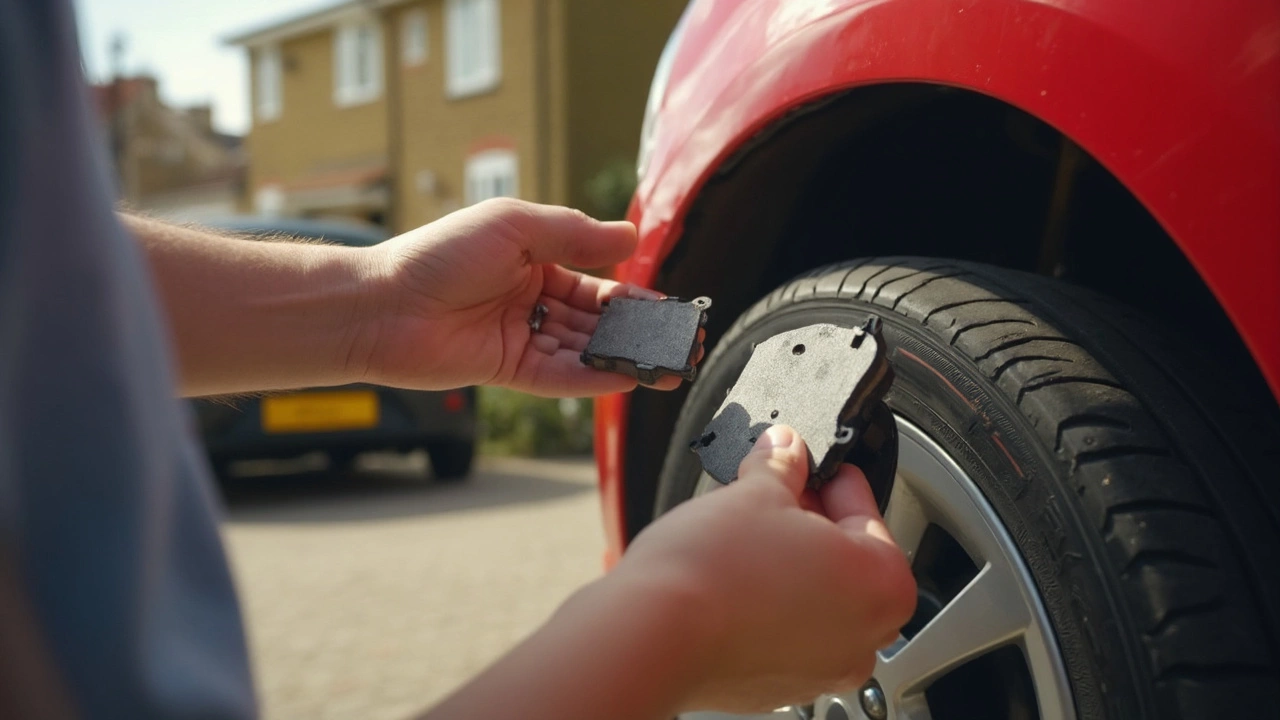
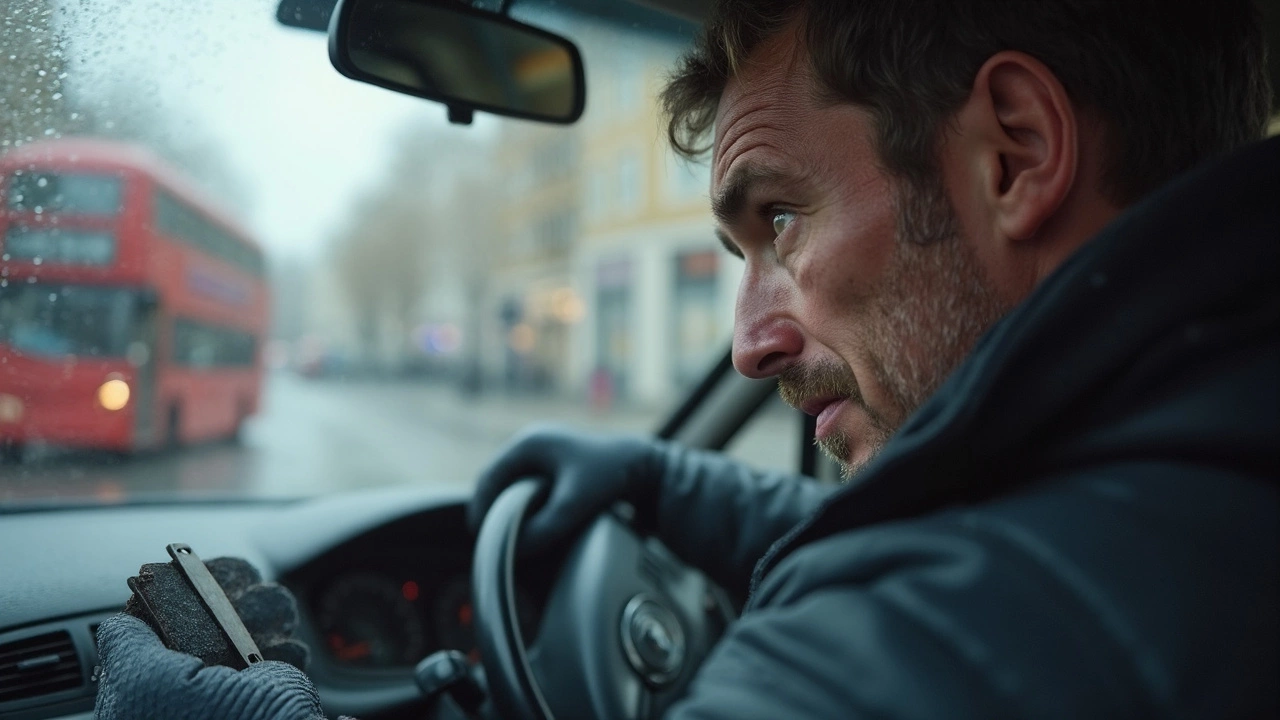
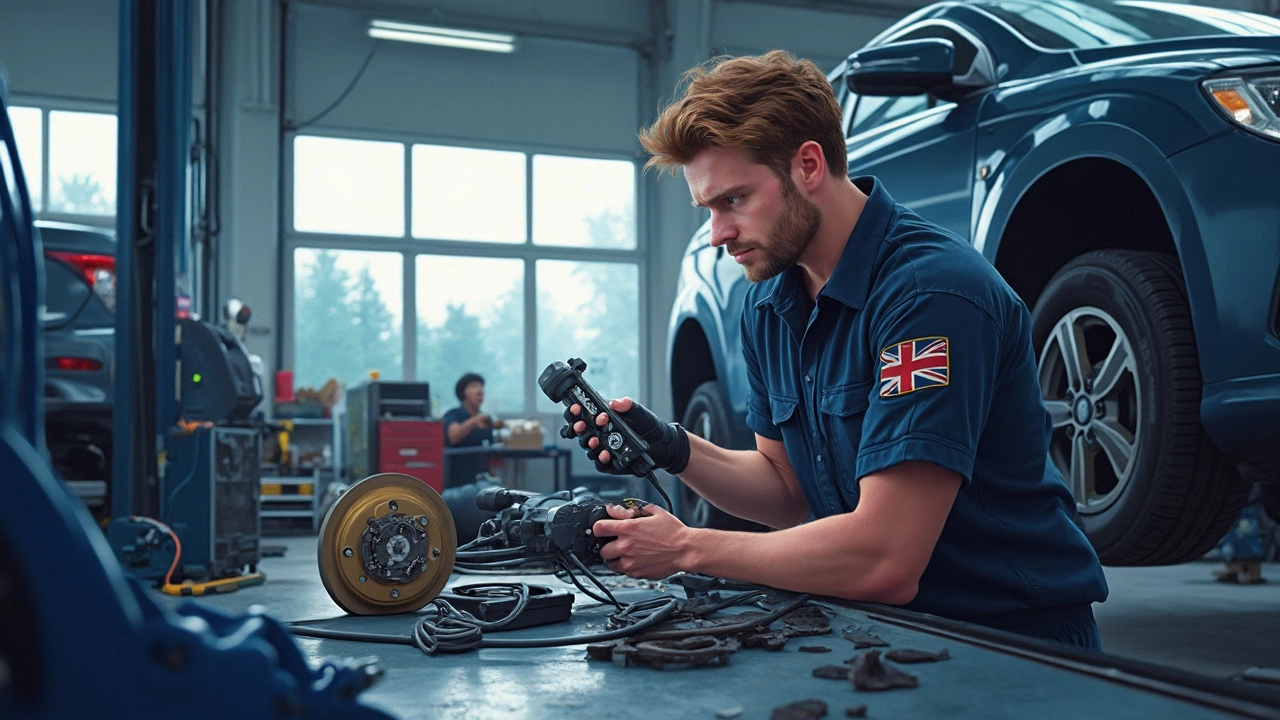
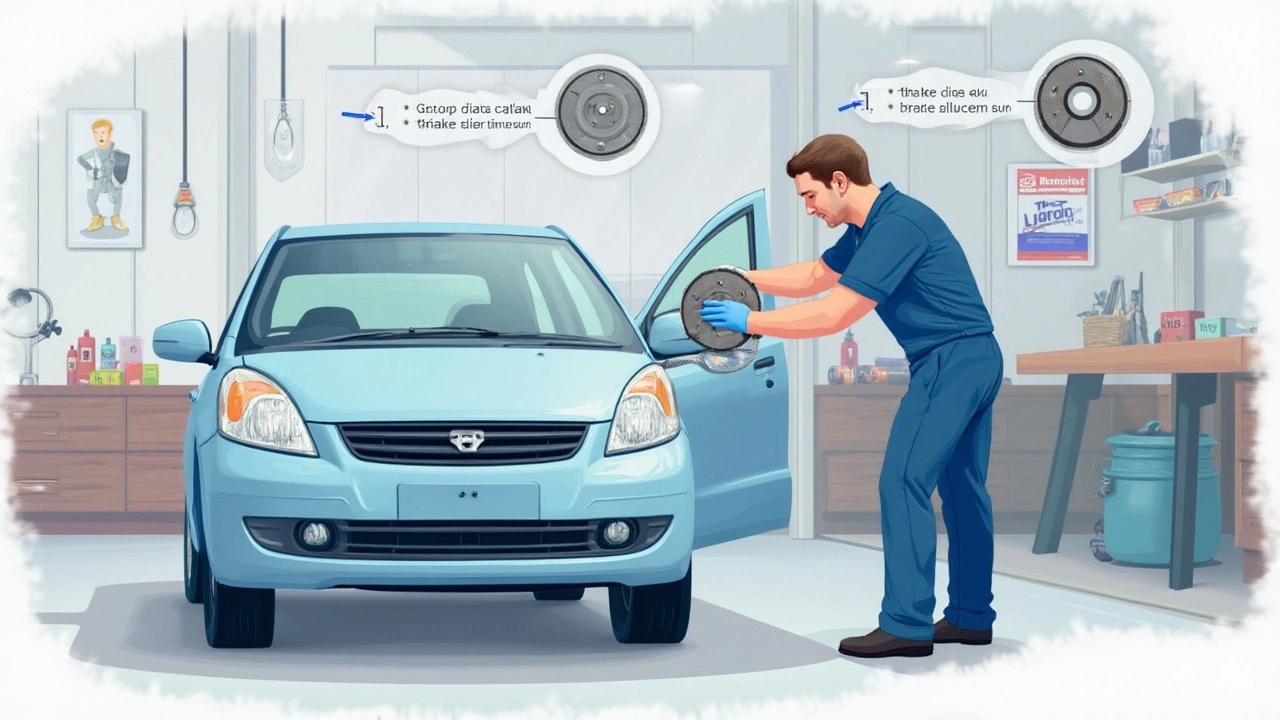
Brake pad wear, the gradual thinning of the friction material happens faster if you drive aggressively, haul heavy loads, or ride the brakes downhill. You’ll know they’re worn if you hear a high-pitched squeal, feel vibration in the pedal, or notice your car pulling to one side when braking. A visual check through the wheel spokes can show if the pad is thinner than a £1 coin—time to replace them. Brake pads replacement, a common maintenance task, doesn’t always need a mechanic. Many UK drivers do it themselves with basic tools and save over £100 per axle.
It’s not just about the pads themselves. The rotors, the metal discs the pads clamp onto can warp or become scored if worn pads are left too long. That means you’ll end up replacing both parts instead of just the pads. And if you ignore the signs, you risk damaging the calipers or even losing braking power entirely. Regular checks take less than five minutes. Listen for noise, watch for warning lights, and get under the car once every few months. You don’t need to be a mechanic—just attentive.
The posts below cover everything you need to know: how to check brake pads yourself, how long they really last in UK conditions, what the warning sounds mean, and whether swapping them at home is worth the effort. You’ll also find related guides on brake noise, brake inspection tools, and how worn pads affect your overall stopping distance. No fluff. Just clear, practical advice from drivers who’ve been there.