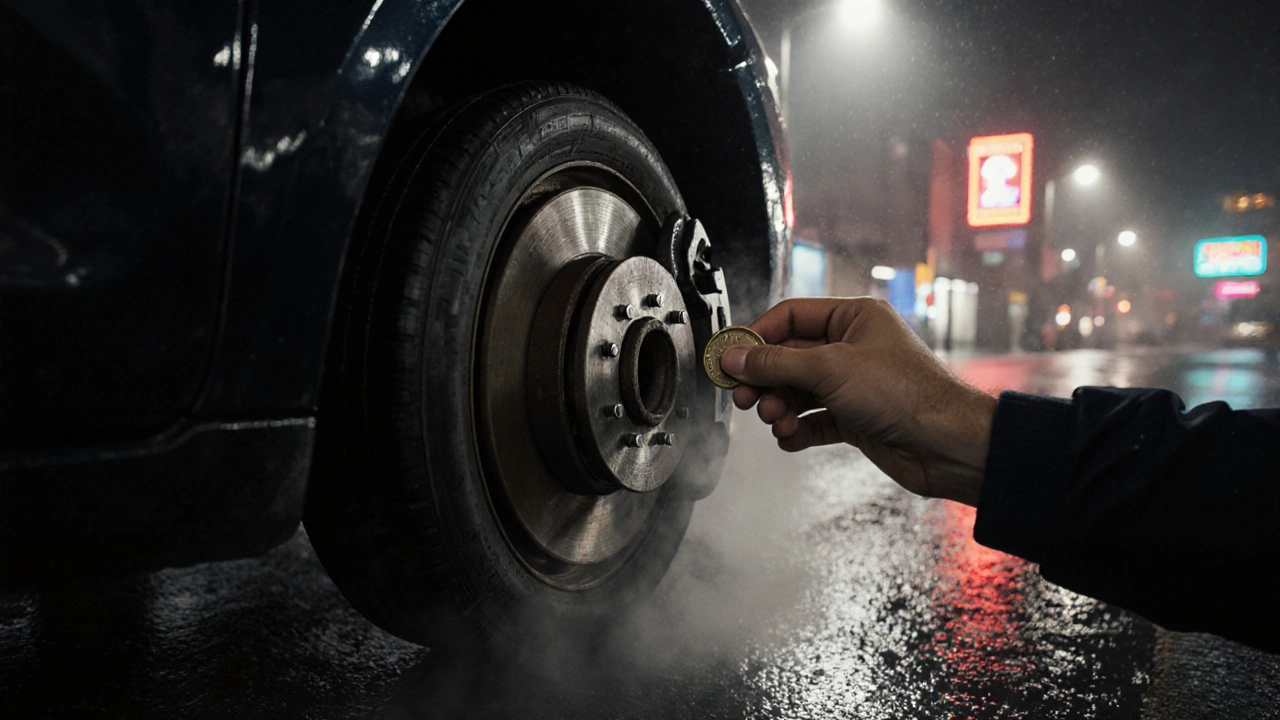
Brake Pad Wear: Signs, Causes, and When to Replace Them
When your brake pad wear, the thinning of friction material on brake pads that reduces stopping power and can lead to dangerous metal-on-metal contact. It's not just a maintenance item—it's a safety issue that gets worse the longer you ignore it. Most drivers don’t notice brake pad wear until it’s too late. By then, you’re hearing grinding, feeling vibrations, or seeing longer stopping distances. Brake pads aren’t meant to last forever. They’re designed to wear down slowly, protecting the more expensive rotors and calipers. But once the friction material is gone, you’re braking with metal against metal—and that’s when serious damage starts.
What causes brake pad wear? It’s not just mileage. Aggressive braking, frequent city driving, heavy loads, and poor-quality pads all speed it up. If you’re always riding the brake on hills or stopping hard at traffic lights, your pads are working overtime. And if you’ve got warped rotors or sticking calipers, the pads wear unevenly or faster. You might not realize it, but worn brake pads, brake pads that have lost most of their friction material and no longer provide effective stopping force can also damage your rotors, which cost way more to replace. Then there’s brake noise, squealing, screeching, or grinding sounds that signal worn pads, debris, or damaged hardware. A high-pitched squeal? That’s often a wear indicator tab scraping the rotor—your car’s way of yelling, "Replace me now."
Ignoring brake pad wear doesn’t just risk your safety—it costs you money. A full brake job after rotor damage can run three times what a simple pad replacement would’ve cost. And if you’re buying a car at auction, knowing how to spot worn pads helps you avoid hidden repair bills. You don’t need a mechanic to check them. Look for thin pads (less than 3mm), listen for odd sounds, and feel for pulling or vibration when braking. If your car takes longer to stop than it used to, that’s not "just the weather."
Below, you’ll find real guides from drivers and mechanics who’ve dealt with brake pad wear firsthand. From DIY replacement tips to understanding why some pads wear faster than others, these posts give you the facts—not the fluff. Whether you’re trying to save cash on repairs or just want to drive with more confidence, what’s here will help you make smarter calls before your next brake job becomes a nightmare.