Alloy vs Steel Wheels: Which Is Right for Your Car?
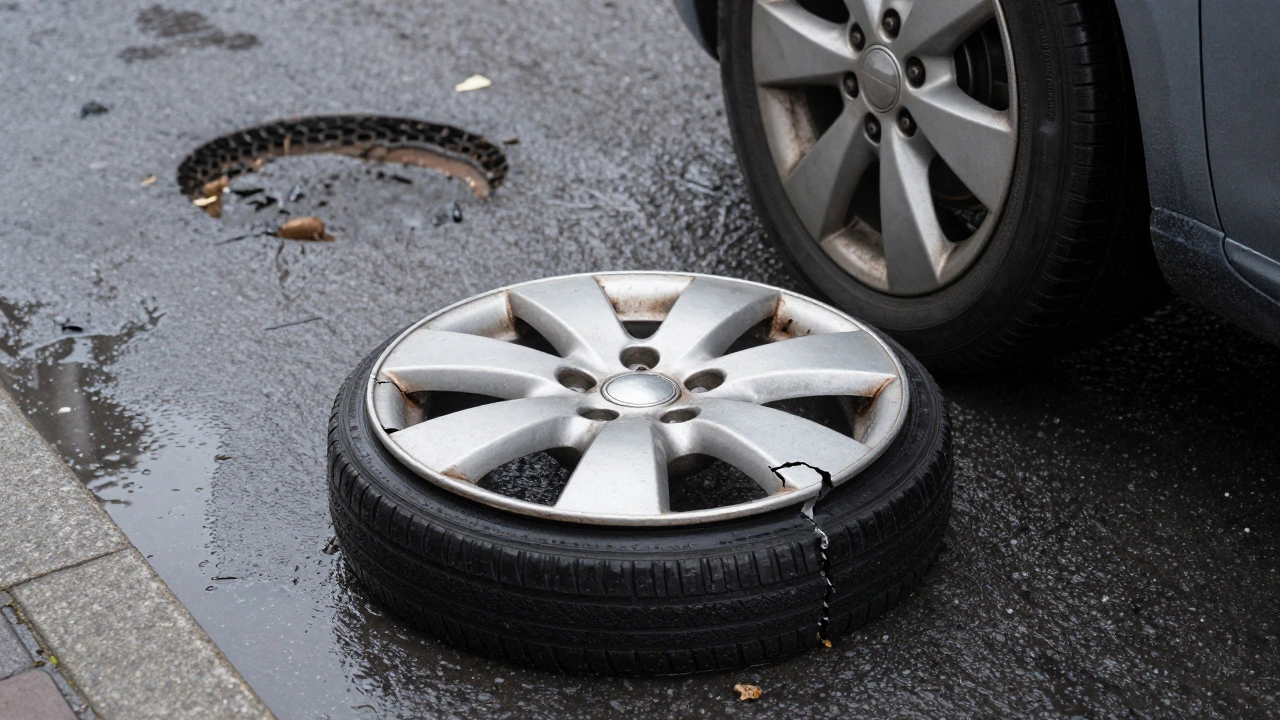
When you’re choosing wheels for your car, you’re not just picking a style—you’re deciding on alloy wheels, lightweight wheels made from aluminum or magnesium alloys, commonly used for performance and aesthetics or steel wheels, heavy-duty, stamped metal wheels designed for durability and low cost, often standard on base models. These two types aren’t just different in looks—they affect how your car handles, how much fuel it uses, and how much it costs to fix after a pothole. In the UK, where roads are rough and weather is unpredictable, this choice matters more than you think.
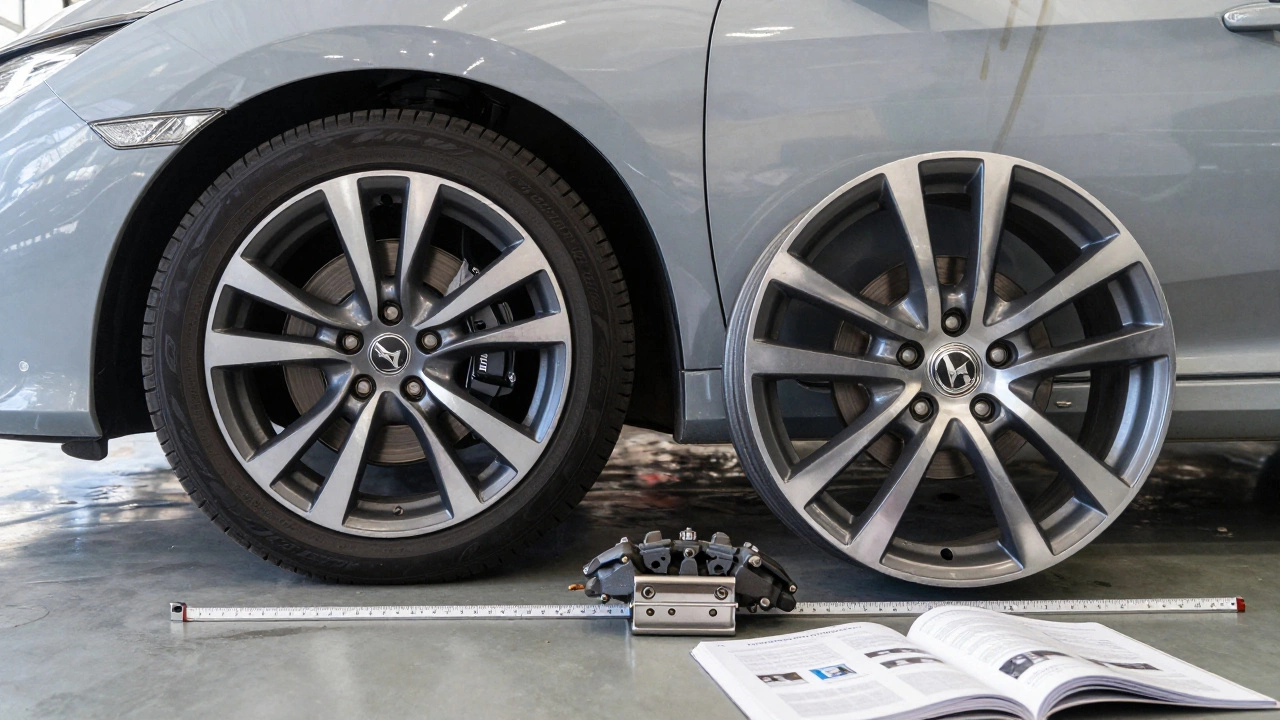
Alloy wheels, typically lighter than steel, improve acceleration, braking, and cornering by reducing unsprung weight—that’s the weight of parts not supported by the suspension. Less weight means better grip and quicker response, which is why many performance cars come with them. But they’re also more expensive and easier to crack or bend. Steel wheels, thicker and tougher, absorb impacts better and are far cheaper to replace. If you drive on bad roads, in winter, or just want to avoid repair bills, steel is the smart pick. Many UK drivers keep steel wheels for winter use and swap to alloys in summer. It’s not about which is ‘better’—it’s about which fits your driving life.
Cost is another big factor. A new set of alloy wheels can cost three to five times more than steel. If you’re buying at auction, you’ll see both types—alloys for show cars and steel for workhorses. You’ll also notice that wheel repair, especially for alloys, often requires specialized equipment and can be costly if bent or cracked. Steel wheels? A mechanic can often hammer them back into shape for under £50. And if you’re replacing a damaged wheel at a scrap yard or auction, steel wheels are far more common and affordable. Don’t assume alloys are always the upgrade—sometimes they’re just a liability.
Then there’s maintenance. Alloys show every scratch and curb rash. Steel wheels hide damage better and are easier to clean. If you drive in wet, salty conditions—common in the UK—steel wheels are less prone to corrosion if properly maintained. Alloys can pit or flake if the protective coating wears off. You’ll find plenty of posts here on how to check for wear, what affects longevity, and how to spot damage before it turns into a safety issue. Whether you’re looking at a used car at auction or swapping wheels yourself, knowing the difference helps you avoid overpaying or making a risky choice.
There’s no one-size-fits-all answer. If you want style, better handling, and don’t mind the cost, go alloy. If you want toughness, low repair bills, and practicality, steel wins. Many drivers keep both—alloys for summer, steel for winter. The posts below cover real-world experiences: how to tell if your wheels are damaged, why weight matters for fuel economy, what happens when alloys crack, and how to spot fake or low-quality wheels at auction. You’ll find guides on checking tread, replacing wheels, and even how to clean and protect them. This isn’t about marketing hype—it’s about what actually works on UK roads, in real life, with real budgets.