Primary Clutch Health Diagnostic Tool
Select a symptom you are experiencing to diagnose potential issues with your primary clutch.
Diagnosis & Explanation
Estimated Repair Cost Calculator
Adjust the sliders to estimate total cost based on UK averages.
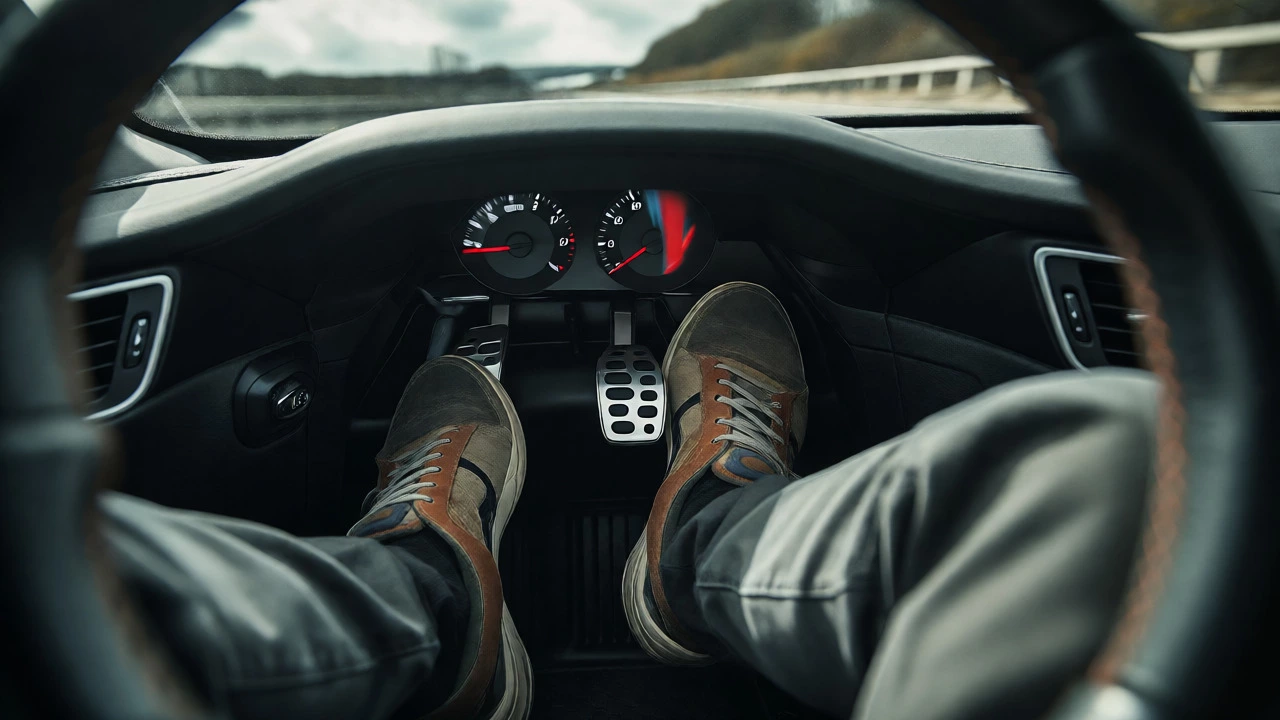
You’re cruising down the motorway, maybe pushing for an overtake, and suddenly the engine roars but the car doesn’t speed up. It’s that sinking feeling every driver dreads. Is it the gearbox? The torque converter? Or is your primary clutch finally giving up the ghost? Before you panic and budget for a massive transmission rebuild, take a breath. Most clutch failures announce themselves long before they leave you stranded on the hard shoulder. You just need to know what to listen for.
| Symptom | Likely Cause | Severity |
|---|---|---|
| Slipping under load | Worn friction plates | High |
| Hard shifting (grinding) | Clutch not disengaging fully | Medium |
| Burning smell | Overheating due to slip | High |
| Low pedal height | Wear or hydraulic leak | Medium |
| Juddering at start | Warped flywheel or oil contamination | Medium |
The Slip Test: When Power Doesn't Reach the Wheels
This is the most common sign of a dying clutch. In a healthy system, when you press the accelerator, the engine RPMs rise, and the vehicle speed rises in perfect harmony. They are locked together. If your primary clutch is worn, those two metrics drift apart. Imagine trying to ride a bike with a loose chain; you pedal furiously, but the wheel barely turns. That’s slipping.
To test this, find a safe, empty stretch of road. Get into a higher gear, say 4th or 5th, at around 30 mph. Floor the throttle. If the engine screams like you’re racing, but the car accelerates sluggishly, your clutch is slipping. This happens because the friction material on the clutch disc has worn thin. There isn’t enough surface area left to grip the flywheel effectively. Once you see this, don’t ignore it. A slipping clutch generates immense heat, which can warp the metal components and turn a simple part replacement into a full housing repair.
Shifting Woes: Grinding Gears and Resistance
Ever tried to shift from 1st to 2nd and felt like the lever was fighting back? Or heard that horrible grinding noise as gears clash? While this often points to synchronizer issues, it frequently starts with the clutch failing to disengage completely. When you press the pedal, the pressure plate should pull away from the clutch disc, cutting power flow to the gearbox. If the primary clutch mechanism is weak, warped, or hydraulically compromised, the disc keeps spinning slightly even with the pedal to the floor.
This partial engagement makes meshing gears difficult. You might notice this specifically when coming to a stop and trying to engage reverse. Reverse usually lacks synchros in many older manual transmissions, making it the ultimate litmus test for clutch disengagement. If you have to double-clutch just to get reverse without crunching, your primary clutch assembly is likely struggling to separate the drive train. Check your hydraulic fluid levels first-low fluid can cause similar symptoms-but if the level is fine, the mechanical wear is real.
The Nose Knows: Detecting Burning Friction
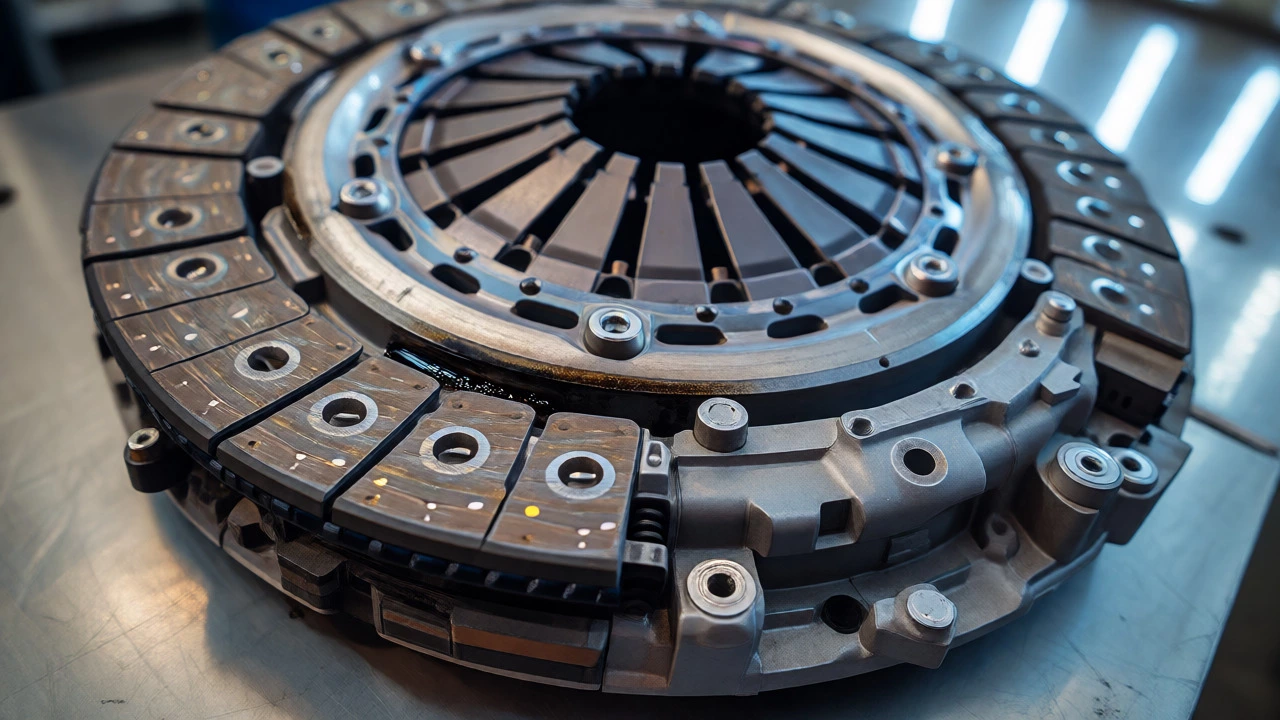
Your sense of smell is surprisingly accurate for detecting mechanical distress. A distinct, acrid odor resembling burnt toast or overheated rubber is a classic indicator of clutch trouble. This smell comes from the friction material on the clutch disc burning off due to excessive heat generated by slipping. It’s particularly noticeable after hill starts or heavy traffic jams where you’ve been riding the clutch.
If you catch this smell early, you might still save the surrounding components. However, persistent burning indicates severe degradation. The heat doesn’t just damage the disc; it can crack the ceramic buttons on performance clutches or warp the steel surfaces of the pressure plate. In turbocharged vehicles, this issue is amplified because the higher torque loads put more stress on the clutch interface. If you smell it, pull over safely and let the car cool down. Continuing to drive while the clutch is smoking will almost certainly destroy the pressure plate fingers.
Pedal Feel and Height Changes
Pay attention to how the pedal feels under your foot. A healthy clutch pedal has a consistent resistance point-the "bite point"-where the clutch begins to engage. Over time, as the friction material wears down, the bite point moves closer to the top of the pedal travel. Eventually, the pedal might feel spongy or stay near the floorboard.
A low pedal position is a physical reality of wear. As the disc gets thinner, the throw-out bearing has to travel further to clamp the remaining material. Conversely, if the pedal feels extremely stiff or vibrates violently, it could indicate a failing release bearing or a damaged diaphragm spring within the pressure plate. Don’t confuse this with air in the hydraulic line, which causes a soft, sinking pedal. Mechanical stiffness suggests internal component failure, whereas softness often points to maintenance issues like leaks or bleeding needs. If adjusting the linkage doesn’t help, the internal springs are likely fatigued.
Juddering and Vibration During Take-Off
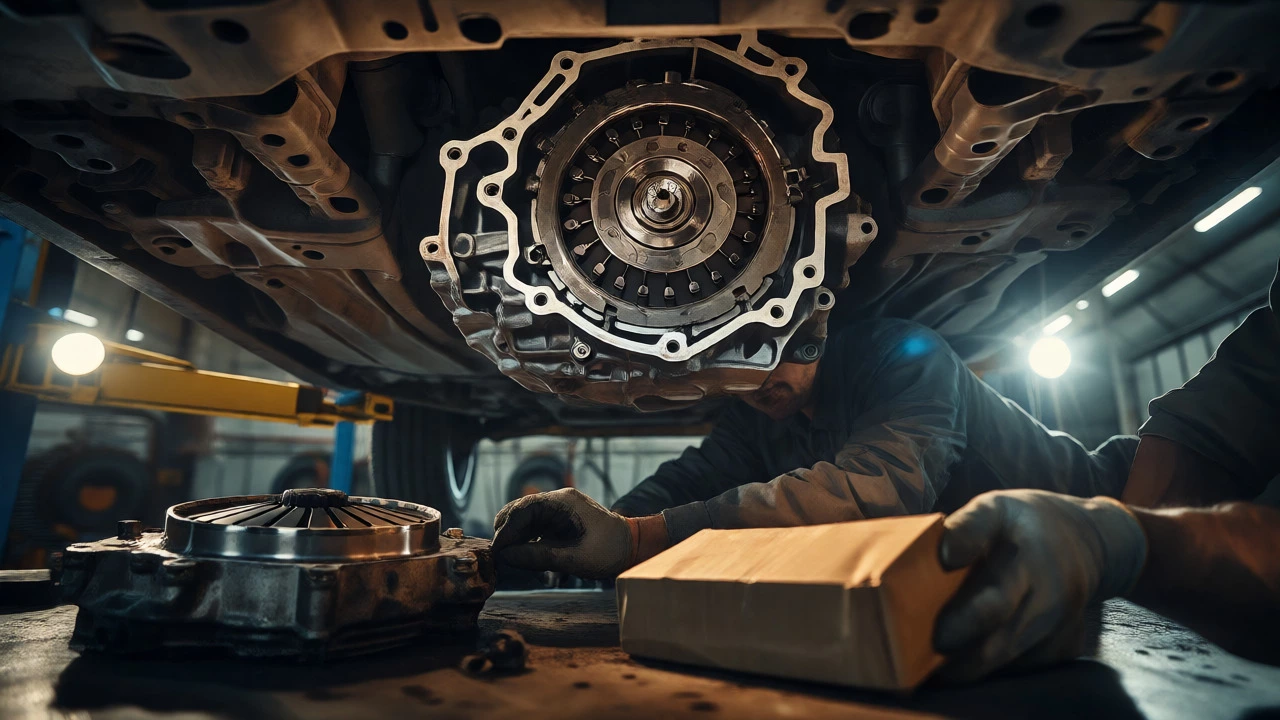
Does your car shake violently when you release the clutch to move off? This phenomenon, known as clutch judder, is annoying but diagnostic. It usually stems from uneven contact between the clutch disc and the flywheel. This can happen if the flywheel surface is warped due to overheating, or if oil has contaminated the friction material.
Oil contamination is a sneaky killer. Even a small amount of engine oil leaking from the rear main seal onto the clutch disc acts as a lubricant, preventing proper grip. The result is a jerky, vibrating start-up rather than a smooth launch. To distinguish between a warped flywheel and oil contamination, check for oil residue around the bell housing. If the exterior is clean, the issue is likely thermal warping of the metal surfaces. Both scenarios require dropping the transmission, so catching it early saves labor costs elsewhere.
When to Replace vs. Repair
Once you’ve confirmed the primary clutch is bad, the next question is scope. Can you just replace the disc, or do you need a full kit? Modern mechanics rarely recommend replacing just the disc. Why? Because the pressure plate and flywheel work as a matched set. If the disc is worn enough to slip, the pressure plate fingers are likely fatigued too. Replacing only the disc on a worn pressure plate leads to premature failure of the new part.
Always opt for a complete clutch kit, which typically includes the disc, pressure plate, and release bearing. For high-mileage vehicles, resurfacing or replacing the flywheel is also wise. Skipping these steps is false economy. You’ll pay for the labor twice, and the second time, you might discover collateral damage to the input shaft bearings caused by the old, failing clutch.
Can I drive with a bad primary clutch?
You can drive short distances, but it’s risky. Slipping generates heat that can warp the flywheel and damage the transmission input shaft. If the clutch slips severely, you may lose all power to the wheels, leaving you stranded in dangerous positions, such as mid-intersection or on a highway ramp.
What does a bad clutch sound like?
A bad clutch often produces a whining or chirping noise when the pedal is pressed, indicating a worn release bearing. Grinding noises during gear changes suggest the clutch isn't disengaging fully. A rattling sound at idle might point to a broken damper spring on the clutch disc itself.
How much does it cost to fix a primary clutch?
Costs vary widely based on vehicle type and location. Parts alone for a standard passenger car range from £150 to £400. However, labor is the major expense, often taking 4-8 hours. Total costs in the UK typically fall between £600 and £1,200 for professional installation, including flywheel machining if required.
Is a slipping clutch my fault?
Not necessarily. While aggressive driving and riding the clutch accelerate wear, normal use eventually wears out any friction component. Heavy towing, frequent city driving, or modified engines producing extra torque can shorten lifespan significantly, regardless of driver skill.
Do I need to replace the flywheel?
Often, yes. If the clutch slipped excessively, the flywheel surface may be blueed or warped. Machining a dual-mass flywheel is complex and sometimes impossible, requiring replacement. Always inspect the flywheel surface for hot spots or scoring when the transmission is out.