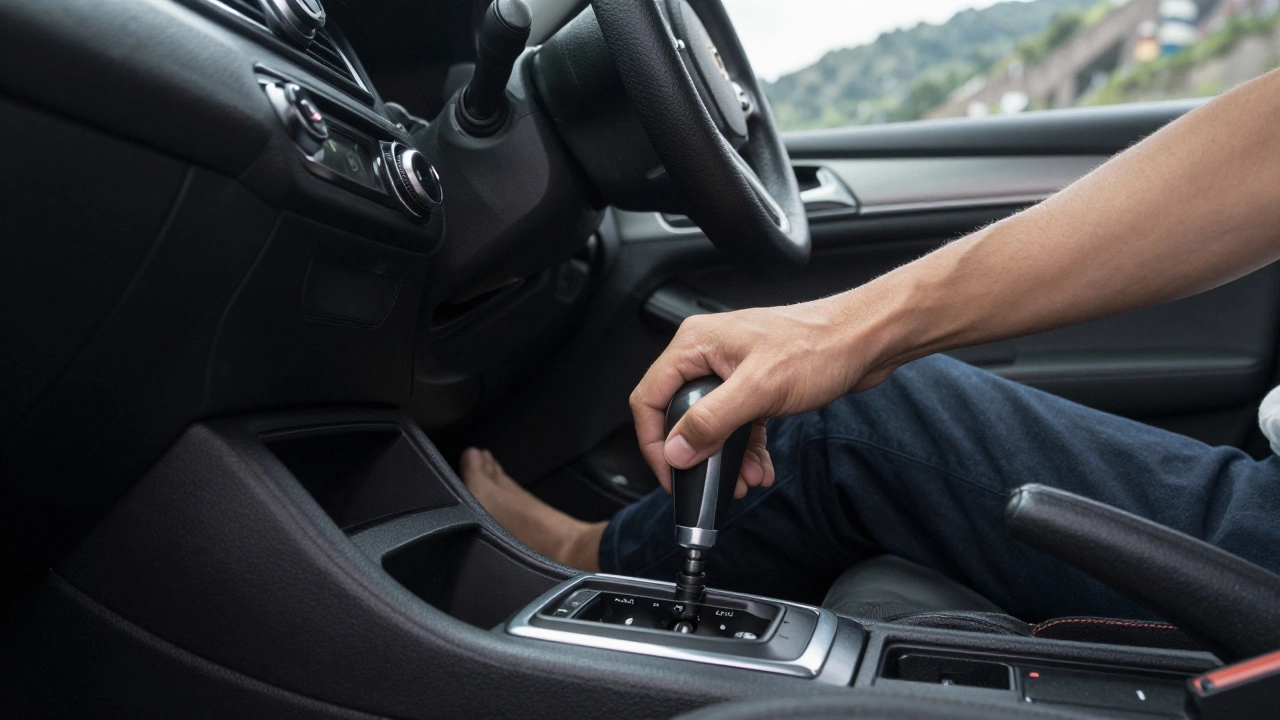
You press the accelerator, but the engine just screams without the car speeding up. Or maybe your gear stick feels like it’s fighting you every time you try to change gears. It’s frustrating, expensive, and honestly, a bit scary if you’re stuck in traffic. These aren’t just minor annoyances; they are loud, clear signals that your clutch is failing.
The clutch is the unsung hero of manual transmission vehicles. It sits between your engine and gearbox, connecting them when you drive and disconnecting them when you shift gears or stop. When this system wears out, it doesn’t usually fail overnight. It gives you plenty of warning signs. The problem is, most drivers ignore these signs until the clutch slips completely, leaving them stranded on the side of the road.
Knowing exactly when to replace your clutch can save you hundreds of pounds in unnecessary towing fees and prevent damage to other parts of your transmission. Let’s look at the specific symptoms that tell you it’s time for a new clutch kit.
The Slipping Clutch: The Most Common Sign
If there is one symptom that screams "replace me now," it is a slipping clutch. This happens when the friction material on the clutch disc wears down so much that it can no longer grip the flywheel properly. The engine spins, but that power isn’t transferring fully to the wheels.
Here is how to spot it yourself. Find a safe, quiet hill with a moderate incline. Put your car in third gear (not first, as first gear has too much torque) and slowly release the clutch while gently pressing the gas. If the engine revs go up significantly but the car barely speeds up, your clutch is slipping. You might also notice this during normal driving on flat roads. If you accelerate hard and the RPMs jump but acceleration is sluggish, you’ve got a slip.
This wear is inevitable. Think of the clutch disc like brake pads; it’s a consumable part designed to rub against something else to create friction. Over time, that material gets thinner. In city driving with constant stopping and starting, this wear happens much faster than on open highways.
Difficulty Shifting Gears
A healthy clutch disengages the engine from the transmission instantly when you press the pedal. This allows you to slide into gears smoothly. When the clutch mechanism starts to fail, this separation becomes incomplete.
You’ll feel resistance when trying to move the gear stick. It might grind loudly-a harsh metal-on-metal sound-as you try to force it into second or third gear. Sometimes, the car will pop out of gear unexpectedly while you’re cruising. This isn’t always a clutch issue; it could be worn synchronizers in the gearbox, but a weak clutch release bearing is a frequent culprit.
If you find yourself having to wiggle the gear lever back and forth to get it to engage, or if you hear crunching noises specifically when shifting, pay attention. Ignoring this can lead to stripped gears inside your transmission, which is a nightmare to fix compared to swapping a clutch kit.
A Spongy or Sticky Clutch Pedal
The feel of your clutch pedal tells you a lot about the hydraulic system behind it. Most modern cars use a hydraulic system with a master cylinder and a slave cylinder to operate the clutch, similar to how brakes work.
If the pedal feels soft, spongy, or sinks all the way to the floorboard without engaging the clutch, you likely have a fluid leak in the hydraulic system. Check under the car near the transmission bell housing for puddles of clear or slightly yellowish fluid. That’s clutch fluid leaking from the slave cylinder seal.
On the flip side, if the pedal feels stiff, sticky, or doesn’t return to its original position quickly after you let go, the mechanical linkage or the hydraulic pistons might be seized. A pedal that sticks means the clutch isn’t fully releasing, leading to dragging gears and accelerated wear. While a simple bleed of the clutch fluid might fix a spongy pedal, a sticking pedal often points to deeper mechanical failure requiring a full kit replacement.
Unusual Noises: Whining and Grinding
Your ears are powerful diagnostic tools. A healthy clutch should be silent when engaged and make a faint, smooth noise when disengaged. Any deviation from this is worth investigating.
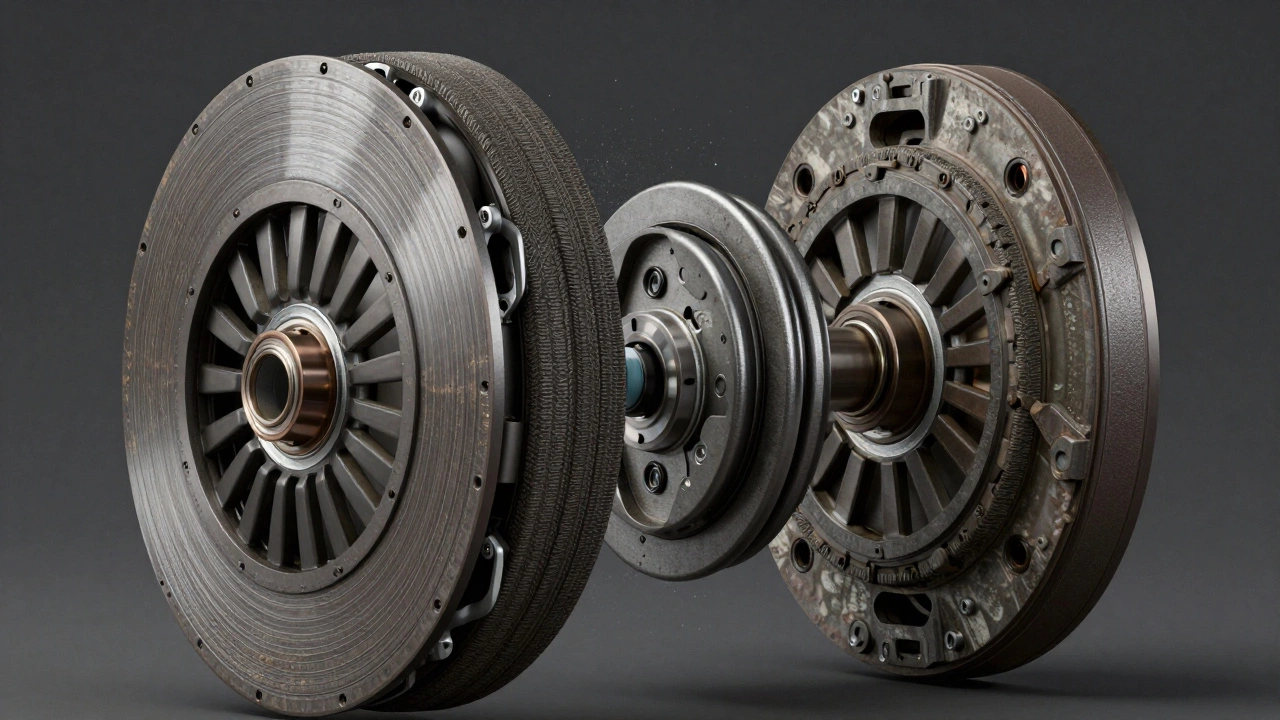
Listen for a whining or groaning noise that gets louder when you press the clutch pedal down. This sound usually comes from the release bearing (also called the throw-out bearing). This bearing presses against the diaphragm spring of the pressure plate to disengage the clutch. When it wears out, it makes a distinct high-pitched squeal or grind. If you wait too long, the bearing can seize completely, locking the clutch in place.
Another noise to watch for is a rumbling or grinding sound when the car is in neutral but the engine is running. This often indicates a worn pilot bearing in the crankshaft or a damaged dual-mass flywheel. Dual-mass flywheels are common in diesel engines and heavier petrol cars to dampen vibrations. When they fail, they create a chaotic clattering noise that changes with engine speed. Replacing a flywheel is labor-intensive, so catching this early saves significant downtime.
Burning Smell and High Bite Point
Have you ever smelled burning rubber or hot dust coming from under your bonnet? That’s not your brakes overheating-it’s your clutch disc burning up. When the clutch slips, friction generates intense heat. This heat cooks the friction material, causing it to glaze over and lose its grip entirely. Once glazed, the clutch cannot be repaired; it must be replaced.
Alongside the smell, you might notice the "bite point"-the spot where the clutch starts to grab-moving higher up in the pedal travel. Normally, the bite point is low, near the bottom of the pedal stroke. As the disc wears thin, the pressure plate has to travel further to clamp down, pushing the bite point closer to the dashboard. If you find yourself resting your foot higher up on the pedal just to keep the car moving, the disc is nearly gone.
When Is It Time to Replace?
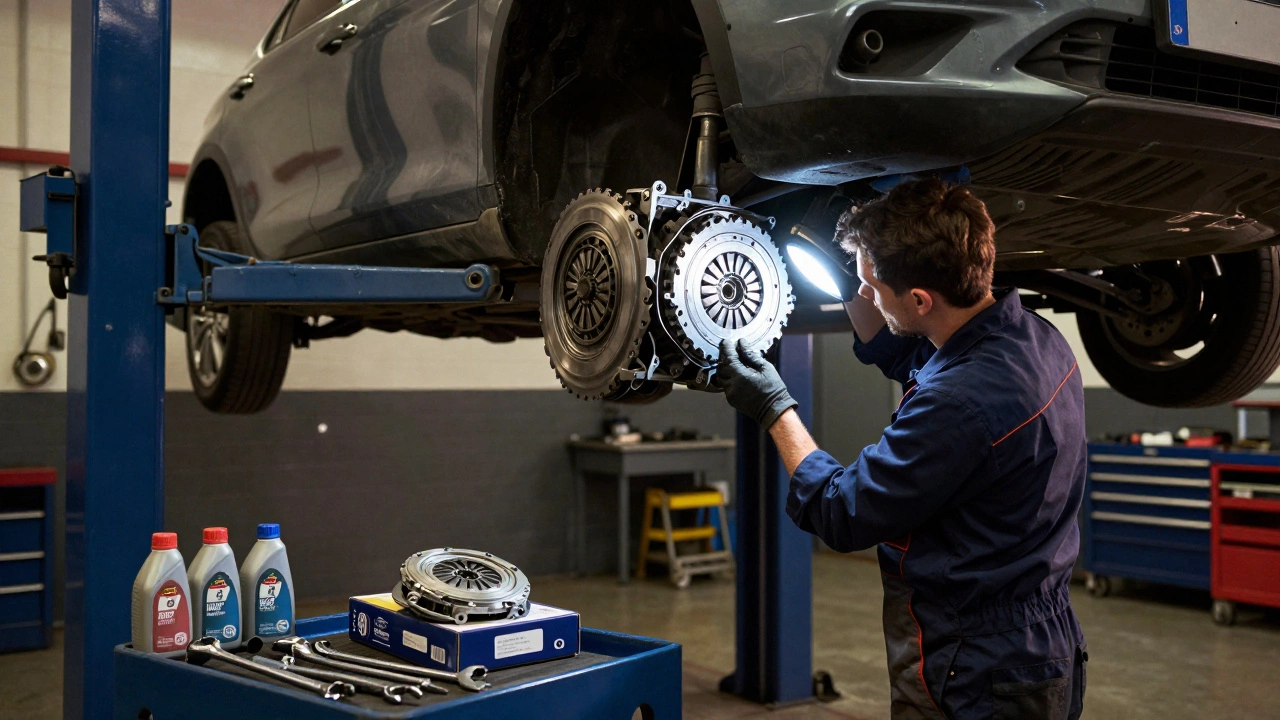
So, how many of these signs do you need before booking an appointment? Honestly, just one strong indicator is enough. If your clutch is slipping noticeably on hills, don’t risk it. Driving with a slipping clutch generates extreme heat that can warp the flywheel. A warped flywheel requires machining or replacement, adding £150-£300 to your bill on top of the clutch kit itself.
Most mechanics recommend replacing the entire clutch kit rather than just the disc. A standard kit includes the clutch disc, pressure plate, and release bearing. Why replace everything? Because the labor cost to remove the gearbox is the same whether you’re changing one part or three. Since the old bearing and pressure plate have endured the same mileage as the disc, they are likely close to failure anyway. Mixing a brand-new disc with old, worn components is a recipe for premature failure.
| Symptom | Likely Cause | Urgency Level | Potential Cost Impact |
|---|---|---|---|
| Slipping under load | Worn clutch disc | High | Medium (Risk of flywheel damage) |
| Spongy pedal | Hydraulic leak (Master/Slave cylinder) | Medium | Low (Fluid/cylinder replacement only) |
| Whining noise on engagement | Failing release bearing | Medium-High | Medium (Part of full kit) |
| Grinding in neutral | Dual-mass flywheel or pilot bearing | High | High (Flywheel replacement needed) |
| Burning smell | Glazed clutch disc | Critical | High (Immediate replacement required) |
DIY vs. Professional Installation
Replacing a clutch is not a job for the faint-hearted. It involves removing the gearbox, which weighs around 50-80kg, and lifting the engine slightly to access the bolts. If you don’t have a vehicle lift, a jack stand setup, and experience with heavy mechanical work, this is a professional job.
In Manchester, where we see plenty of older Vauxhalls and Fords, clutch replacements are common. Labor costs vary, but expect to pay between £400 and £800 depending on the car model and accessibility. Automatic transmissions with manual-like features (such as DSG or Powershift) require specialized software and tools, making them even more expensive to service.
Before you book the job, ask your mechanic if they include the flywheel inspection in the quote. Many shops will check it but charge extra if it needs resurfacing or replacement. Knowing this upfront prevents sticker shock later.
Maintaining Your New Clutch
Once you’ve invested in a new clutch kit, you want it to last. Modern clutches can easily last 60,000 to 100,000 miles if treated well. Here are a few habits to extend its life:
- Avoid riding the clutch: Don’t rest your foot on the pedal while driving. Even slight pressure engages the release bearing and causes wear.
- Don’t launch aggressively: Revving high and dumping the clutch burns the friction material rapidly. Smooth take-offs are better for longevity.
- Use the handbrake on hills: Instead of balancing the car on the clutch bite point, use the handbrake to hold the car still until you’re ready to move. This reduces strain on the disc and bearings.
- Check hydraulic fluid: Top up the clutch reservoir with DOT 4 brake fluid if levels drop. Low fluid leads to air in the lines and poor engagement.
A clutch is a wear item, yes, but it’s predictable. By paying attention to the sounds, smells, and feelings of your car, you can catch problems early. Don’t wait until you’re stranded on the M60. Listen to your car, and it will thank you with reliable performance for years to come.
How much does it cost to replace a clutch kit in the UK?
The cost varies by vehicle type. For a standard front-wheel-drive car like a Ford Focus or VW Golf, expect to pay between £400 and £700 including labor. Rear-wheel-drive or performance cars can cost upwards of £900 due to increased labor time. Always get a written quote that specifies whether the flywheel is included.
Can I drive with a slipping clutch?
Technically yes, but you shouldn’t. Driving with a slipping clutch generates excessive heat, which can warp the flywheel and damage the transmission input shaft. It also reduces your ability to accelerate safely, especially when merging onto motorways. Get it fixed immediately to avoid more expensive repairs.
How long does a clutch replacement take?
For most mainstream cars, the job takes 3 to 5 hours. However, complex vehicles with tight engine bays or rear-wheel drive layouts may take 6 to 8 hours. Mechanics often recommend leaving the car overnight to ensure thorough testing and alignment checks.
What is the difference between a single-mass and dual-mass flywheel?
A single-mass flywheel is a solid piece of steel that stores rotational energy. A dual-mass flywheel consists of two masses connected by springs to absorb engine vibrations, providing smoother operation. Dual-mass units are common in diesels and larger petrol engines but are more expensive to replace and prone to internal spring failure.
Should I replace the clutch fluid when getting a new clutch?
Yes, it is highly recommended. Clutch fluid absorbs moisture over time, which can corrode internal seals and reduce hydraulic efficiency. Bleeding the system and using fresh DOT 4 fluid ensures smooth pedal operation and protects the new master and slave cylinders from corrosion.