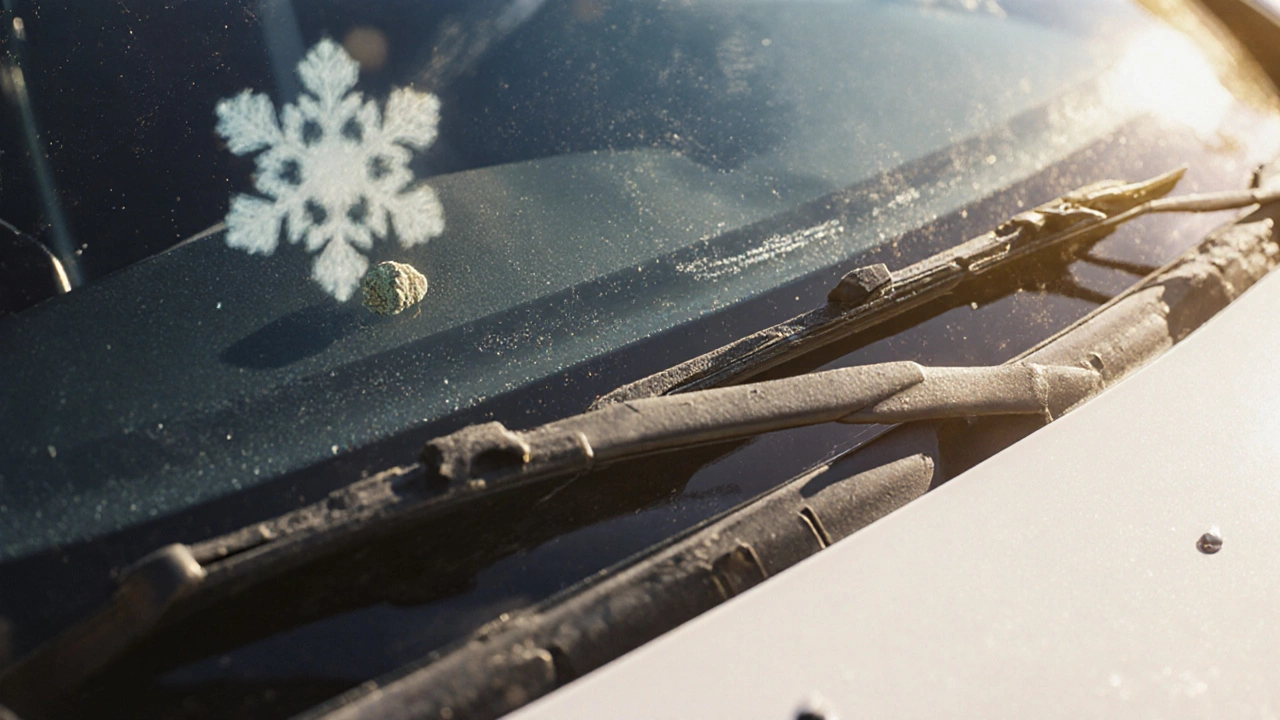
Wiper Maintenance: Keep Your Vision Clear and Safe on UK Roads
When it rains in the UK, wiper maintenance, the routine care of windshield wipers to ensure clear visibility during wet weather. Also known as windshield wiper care, it’s not just about replacing blades—it’s about keeping your entire system working so you can see the road, not smears. A dirty or worn wiper doesn’t just make driving annoying—it makes it dangerous. One bad swipe in heavy rain can turn a familiar road into a blur, and that’s when accidents happen.
Wiper blades are the most obvious part, but they don’t work alone. The wiper arm, the metal or composite lever that presses the blade against the windshield must apply even pressure. If it’s bent or weak, the blade won’t touch the glass properly, leaving streaks even with a new blade. And the windshield, the front glass surface that wipers clean matters too. Tiny scratches, road grime buildup, or even hard water spots can make new blades look like they’re failing—when it’s the glass that needs cleaning or polishing.
Most people replace wiper blades once a year, but in the UK’s damp climate, you might need to do it twice. Look for signs: chattering, skipping, streaking, or smearing. If you hear a squeak or see a gap in the wipe pattern, it’s not your imagination. Rubber degrades from sun, cold, and salt spray—even if the blade looks fine. Don’t wait until you can’t see the pedestrian crossing. And don’t just grab the cheapest blades. Budget blades often warp or lose their rubber shape fast. Mid-range blades with a beam frame or silicone rubber last longer and perform better in freezing conditions.
Wiper maintenance isn’t just about the blades. Check the washer fluid. Running dry means you’re grinding dirt across the glass, scratching it. Use a proper winter-grade fluid—don’t just top up with water. And clean the windshield regularly with a glass cleaner made for cars. Vinegar or household cleaners can leave oily films that make wipers skip. A quick wipe with isopropyl alcohol before installing new blades helps them grip better.
Some drivers forget the wiper arms entirely. If your wipers lift off the glass at high speed, or if one side wipes harder than the other, the arm might be bent or corroded. A quick test: lift the arm gently off the glass. It should spring back smoothly. If it feels loose or sticks, it’s time to replace it. Replacing an arm is cheap and easy—no need to pay a garage.
Wiper maintenance is one of those things you don’t think about until you’re stuck in a downpour, squinting through a smeared windshield. But it’s also one of the easiest fixes. You don’t need tools, a garage, or a mechanic. Just a few minutes twice a year, and you’ll see the difference. Better visibility means safer driving, fewer surprises, and less stress on wet roads.
Below, you’ll find real guides from drivers who’ve dealt with noisy wipers, cracked blades, and foggy windshields. No theory—just what works when the rain’s coming down and you need to see clearly.