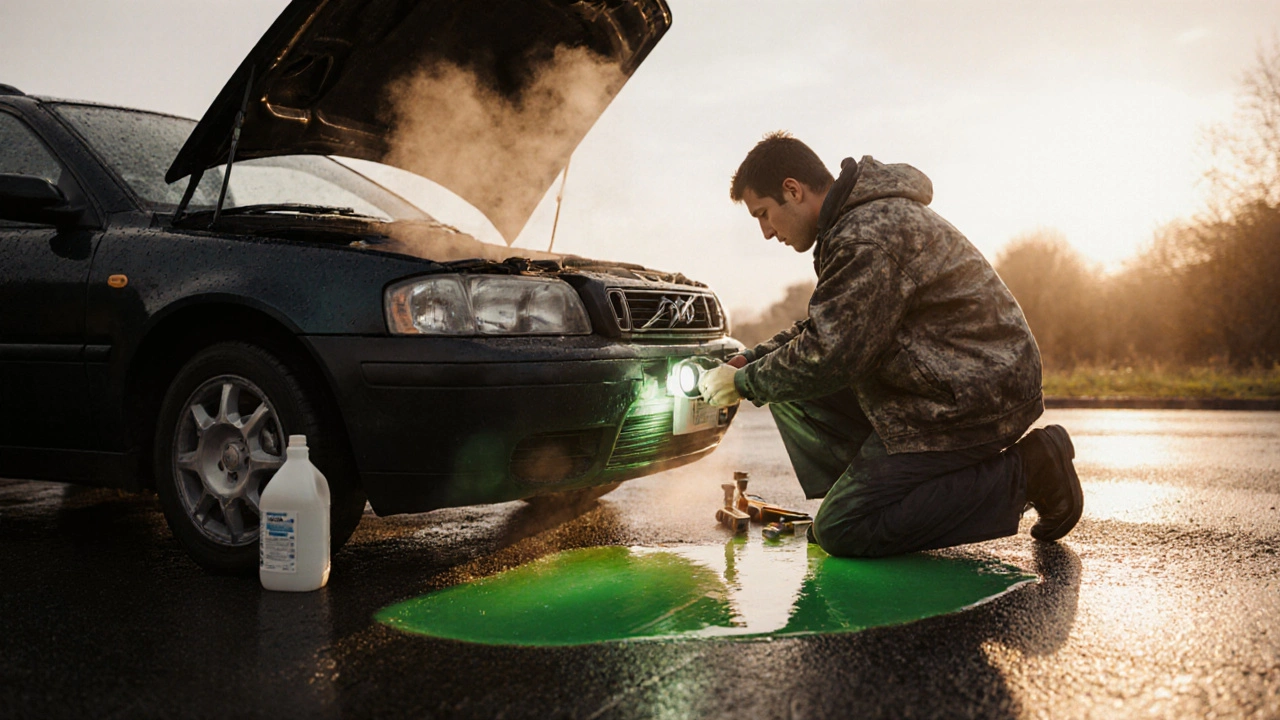
When to Replace Radiator: Signs, Symptoms, and What Happens If You Wait
When your car starts running hot, it’s not just an inconvenience—it’s a warning that your radiator, the core component that keeps your engine from overheating by circulating coolant. Also known as a cooling system radiator, it’s one of the most critical parts you’ll never see until it fails. Most radiators last 8 to 15 years, but that’s only if you treat them right. Neglect, leaks, or dirty coolant can turn a 10-year-old radiator into a $1,500 engine repair waiting to happen.
The cooling system, the network of hoses, thermostat, water pump, and radiator that manages engine temperature doesn’t work in isolation. A failing radiator directly affects your air conditioning, because the AC condenser sits right next to the radiator and shares airflow. If the radiator is clogged or leaking, your AC won’t cool properly—even if the compressor is fine. And if you keep driving with a bad radiator, you’re not just risking a breakdown—you’re risking warped cylinder heads, blown head gaskets, or a seized engine. That’s not a myth. That’s what happens when people wait too long.
So when do you actually need to replace it? Look for these signs: coolant puddles under your car, the temperature gauge creeping into the red, white smoke from the exhaust (that’s coolant burning), or a sweet smell like maple syrup when you’re driving. If your radiator looks rusty inside when you flush it, or if the top tank is brittle and cracked, it’s done. Replacing it before it fails saves you money, time, and stress. You don’t need to wait for the engine to overheat on the motorway to act. The posts below break down exactly what to watch for, how to check your radiator yourself, what causes leaks, and how long you can really push it before it’s too late. No fluff. Just what works.