When to Change Brake Pads: Signs, Risks, and What to Expect
When you hear a high-pitched squeal or feel your car pulling to one side when braking, it’s not just noise—it’s a warning. Brake pads, the friction components that clamp down on your rotors to stop your car wear out over time, and waiting too long can cost you more than just money—it can cost you safety. Most drivers don’t check them until something goes wrong, but by then, the rotors might already be damaged, and repair bills can double or triple. Knowing when to change brake pads isn’t about mileage alone; it’s about recognizing the signals your car gives you before it’s too late.
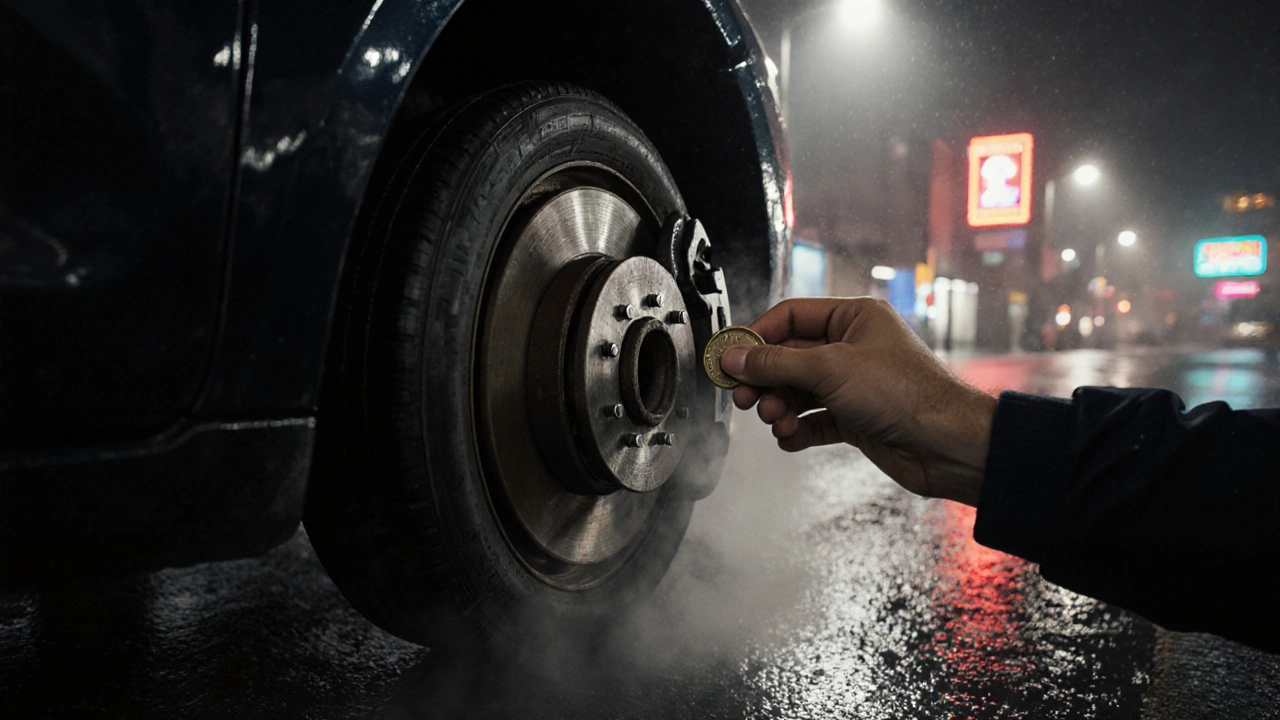
Brake noise, like screeching, grinding, or clicking sounds is often the first red flag. That squeal? It’s usually a metal tab designed to rub against the rotor when the pad is down to 2mm. Grinding means the metal backing plate is now scraping the rotor—this isn’t just worn pads, this is damage in progress. Then there’s the feel: if your brake pedal feels spongy, needs more pressure, or vibrates under your foot, the system isn’t working right. Car brake inspection, a quick visual check under the wheel takes five minutes. You don’t need a lift—just a flashlight and a clean window to see the pad thickness. If it’s thinner than a quarter, replace it. No exceptions.
Some people think they can stretch brake pad life by driving gently, but that’s misleading. Even if you drive slowly, pads degrade from heat cycles, moisture, and dust buildup. A car parked for months can have rusted pads that stick. Others swap pads but ignore the rotors, leading to uneven wear and pulsing brakes. The truth? Brake pads and rotors work as a team. Replacing just one without checking the other is like putting new tires on a bent rim—it won’t fix the problem.
And don’t fall for the myth that brake pads last 50,000 miles. That’s a ballpark for perfect conditions. In real life—city driving, heavy traffic, hilly roads, or towing—you might need new pads at 25,000 miles. If your car is over five years old and you’ve never checked the brakes, you’re already behind. A simple visual check could save you hundreds. Look for cracks, uneven wear, or shiny spots on the pad surface. If you see any, it’s time. Don’t wait for the warning light. Many cars don’t even have them.
What happens if you skip this? You risk longer stopping distances, which could mean the difference between avoiding a crash and hitting something. You risk warped rotors, which cost $300–$600 to replace. You risk total brake failure. And you risk being stranded in the middle of the road. These aren’t hypotheticals. Every year, thousands of accidents are linked to ignored brake wear. You don’t need a mechanic to spot the signs—just a little attention. The posts below show you exactly how to check your pads, what the noises mean, and how to decide whether to DIY or call a pro. No jargon. No fluff. Just what you need to know before your next brake job.