Vehicle Cooling System: What It Is, How It Fails, and What to Do
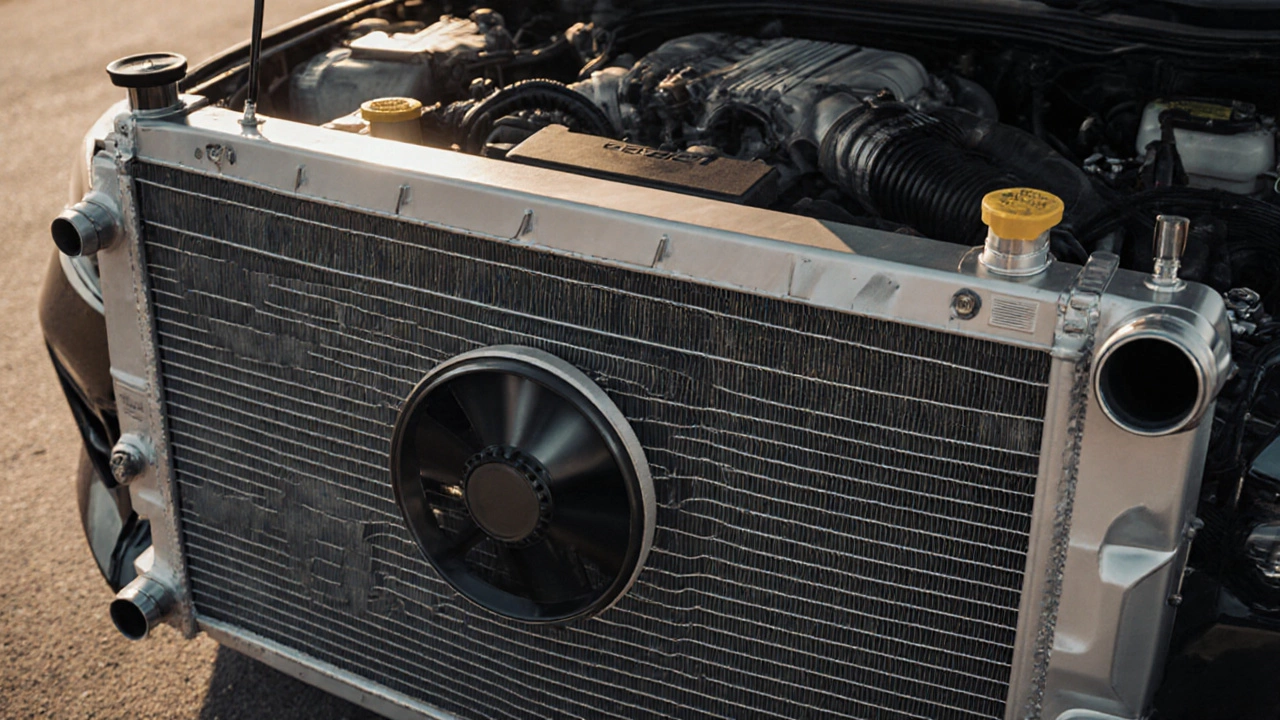
When your engine runs, it gets hot—really hot. Without a working vehicle cooling system, a network of parts designed to regulate engine temperature by circulating coolant and dissipating heat. Also known as engine cooling system, it’s not just a nice-to-have—it’s what keeps your car from turning into a paperweight on the side of the road. This system includes the radiator, a heat exchanger that cools down the circulating fluid, the thermostat, a valve that controls coolant flow based on engine temperature, the water pump, hoses, and the coolant, the fluid that moves heat away from the engine. These parts work together like a team: if one fails, the whole system starts to break down.
Most people don’t think about their cooling system until the temperature gauge spikes or steam starts coming from under the hood. But the real danger isn’t the sudden failure—it’s the slow leaks, the old coolant, the clogged radiator, or the thermostat that sticks closed. A bad radiator can crack from corrosion, especially in winter when freezing temperatures stress the metal. A worn water pump bearing can start making noise long before it dies. And coolant? If it’s been sitting for five years, it’s not just old—it’s acidic, eating away at your hoses and head gasket. You don’t need a mechanic to spot early signs: check for puddles under your car, look at the color of your coolant (it should be bright green, red, or orange—not brown or sludgy), and listen for gurgling noises when the engine’s off. These aren’t just symptoms—they’re warnings you can act on before you’re stranded.
The posts below give you the real talk on what goes wrong and how to fix it. You’ll find guides on how long a radiator actually lasts, what happens when your thermostat fails, why coolant changes matter more than you think, and how overheating can wreck your engine faster than you imagine. No theory. No fluff. Just what you need to know to keep your car running cool, whether you’re driving in London traffic or on a country road in winter. These aren’t just tips—they’re survival steps for anyone who drives.