Suspension Problems: Signs, Causes, and How to Fix Them
When your car feels like it’s bouncing off the road instead of riding on it, you’re dealing with suspension problems, a system that connects your wheels to the chassis and keeps your ride stable and controlled. Also known as vehicle suspension, it’s not just about comfort—it’s safety. A failing suspension affects braking, steering, and even engine performance, as worn shocks or broken control arms can transfer dangerous vibrations directly into the drivetrain.
Suspension problems don’t show up overnight. They creep in. You might notice your car leaning too much in turns, or the front dipping hard when you brake. Maybe you hear clunking over bumps, or your tires are wearing unevenly—like bald spots on one side. These aren’t just annoyances. They’re warnings. A bent suspension, often caused by hitting potholes, curbs, or accidents can throw off your wheel alignment, making your tires wear out faster and your steering pull to one side. And here’s something most people miss: engine vibration suspension, when suspension issues cause the engine to shake more than normal, isn’t always an engine problem. It could be your struts or mounts failing, letting the engine’s natural movement shake the whole frame.
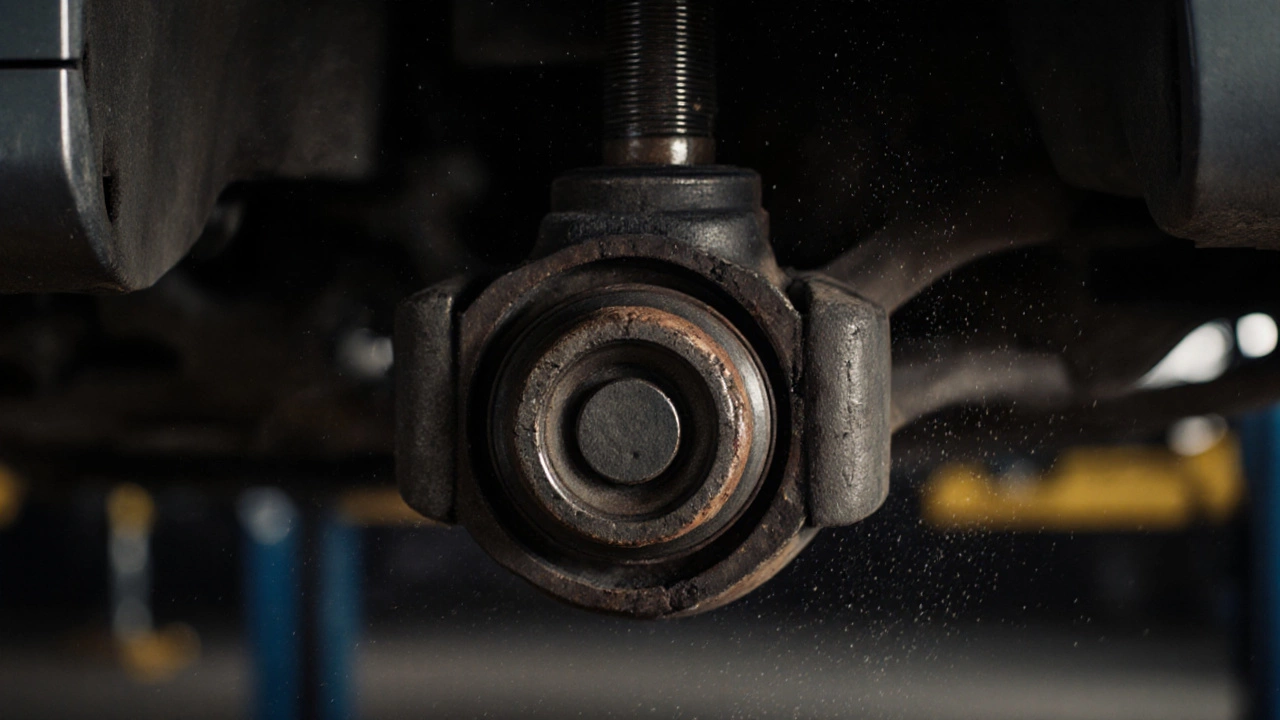
Ignoring suspension issues doesn’t save money—it costs more. Worn shocks mean longer stopping distances. Loose ball joints can lead to total failure while driving. And if your suspension is damaged, your tires, brakes, and even your engine pay the price. That’s why checking your suspension isn’t just a maintenance task—it’s a preventive measure. You don’t need fancy tools. Look for fluid leaks on shocks, wiggle your tires side-to-side to check for play, and drive over a speed bump slowly. If the car bounces more than once, your shocks are done. A simple visual inspection can catch cracked bushings, rusted control arms, or broken springs before they turn into a roadside emergency.
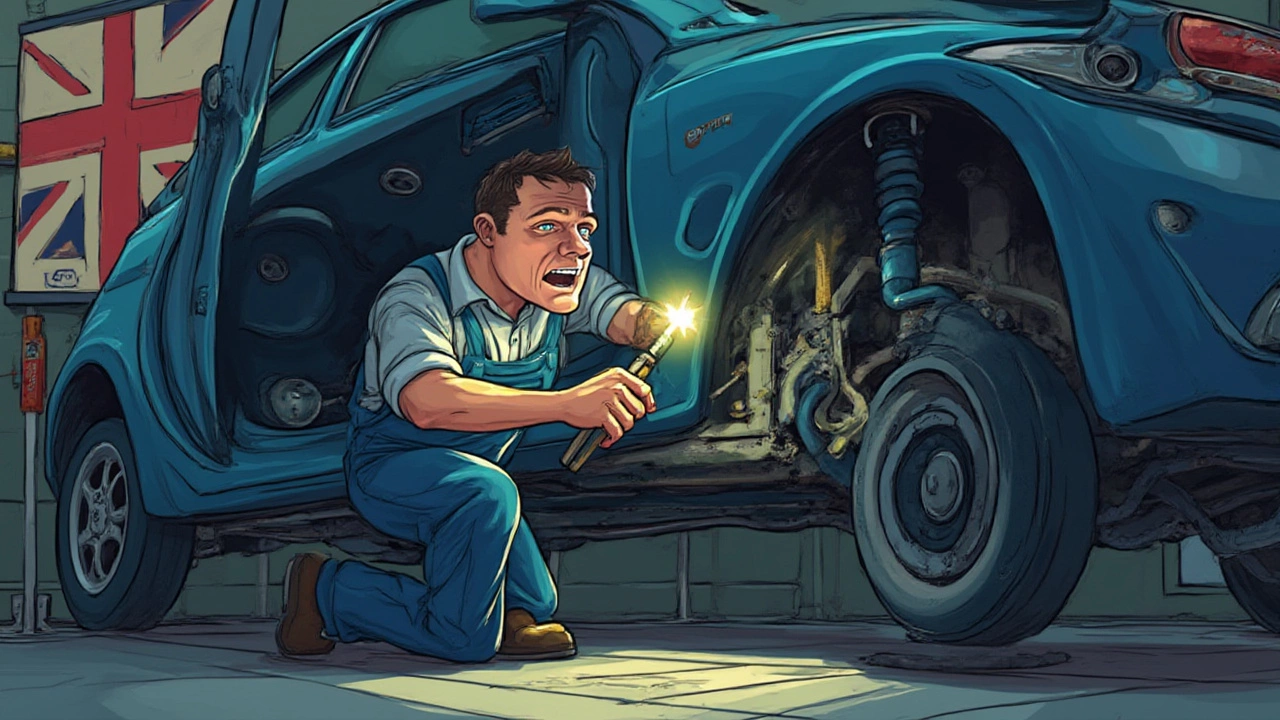
What you’ll find below are real, practical guides from drivers who’ve been there. From how to spot a bent suspension using just a tape measure and a flashlight, to why a worn suspension can make your engine run rough, these posts cut through the noise. No fluff. No theory. Just what works on UK roads—where potholes are common, weather is harsh, and every mile counts.