Spark Plug Longevity: How Long Do They Last and When to Replace Them
When it comes to keeping your engine running smoothly, spark plug longevity, the length of time a spark plug can reliably ignite fuel in your engine before needing replacement. Also known as spark plug lifespan, it’s not just about ticking off miles—it’s about how well your engine breathes, burns, and performs. Most modern spark plugs last between 30,000 and 100,000 miles, but that number means nothing if your driving style, fuel quality, or engine condition is eating them alive. A plug that should last 80,000 miles might fail at 40,000 if you’re constantly short-tripping, idling for hours, or using cheap fuel that leaves carbon gunk behind.
Spark plugs don’t just wear out—they get dirty, misfire, and lose their edge. When they do, your engine starts running rough, hesitating on acceleration, or even stalling. You might notice your fuel economy dropping by 10% or more, or hear a faint knocking sound under load. These aren’t minor annoyances—they’re early warnings that your engine isn’t burning fuel efficiently. And if you ignore them, you risk damaging your catalytic converter, which costs ten times more to replace than a set of plugs. The engine performance, how well your car accelerates, idles, and responds under load. is directly tied to how clean and hot each spark plug fires. Even a single weak plug can throw off the whole system.
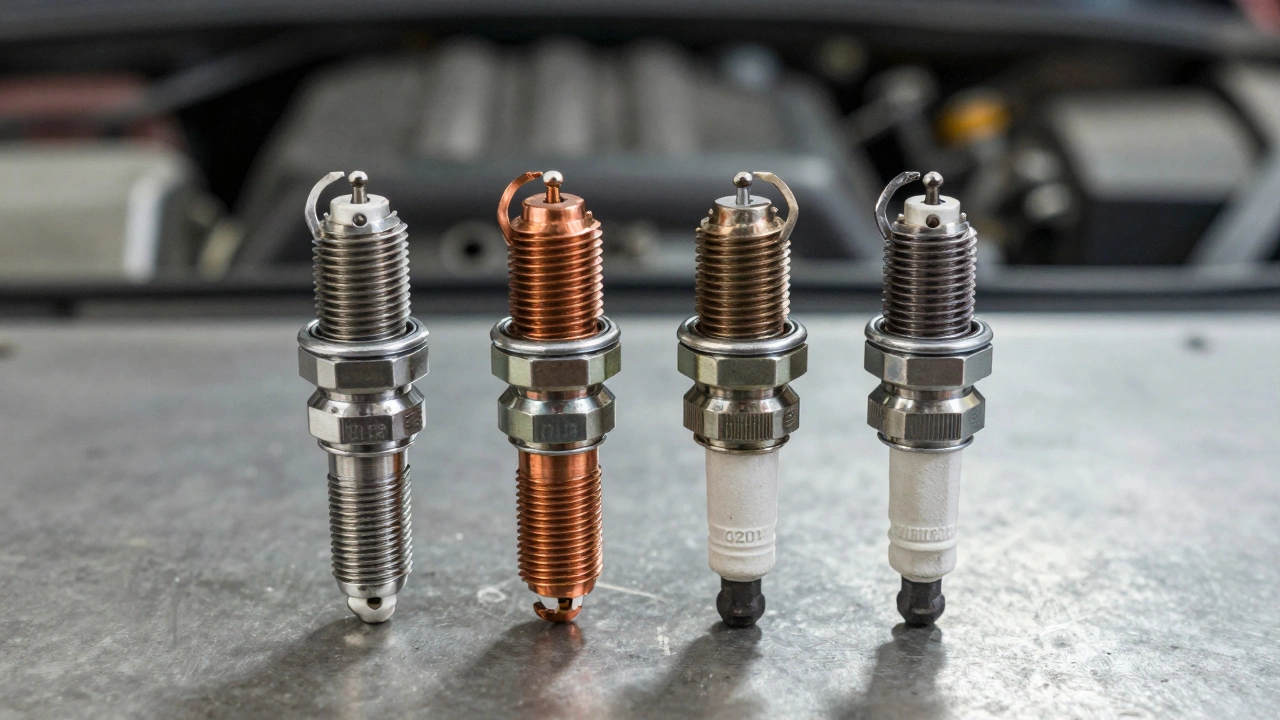
What affects spark plug longevity? It’s not just mileage. Frequent cold starts, stop-and-go traffic, and high-load driving (like towing or spirited driving) all shorten life. Older engines with worn valve seals burn oil, which coats plugs in ash and kills their spark. Even the type of plug matters—copper plugs cost less but last 20,000 to 30,000 miles, while platinum or iridium ones can go 60,000 to 100,000. But don’t assume the expensive ones are always better. If your car runs on low-grade fuel, even the best plug will foul faster. The real key? Regular checks. Most mechanics recommend inspecting them every 30,000 miles, even if you’re not due for replacement. A quick look can save you from a misfire on the highway or a failed MOT.
There’s no magic number that fits every car, but there are clear signs you’re overdue. Rough idle, poor acceleration, hard starting, or the check engine light coming on with a misfire code (P0300 series) are dead giveaways. If your car’s been running fine but suddenly feels sluggish, don’t jump to expensive repairs—check the plugs first. They’re cheap, easy to swap, and often the fix. And if you’re buying a used car at auction, asking for spark plug history can tell you a lot about how well it was maintained. A car with original plugs at 80,000 miles? That’s a red flag. A car with fresh plugs at 60,000? That’s a sign someone cared.
Below, you’ll find real-world guides from drivers and mechanics who’ve seen what happens when spark plugs are ignored—and what happens when they’re replaced on time. From diagnosing misfires to choosing the right plug for your car, these posts cut through the noise and give you the facts you need to keep your engine running right.