Shock Absorbers: What They Do, When They Fail, and What to Do Next
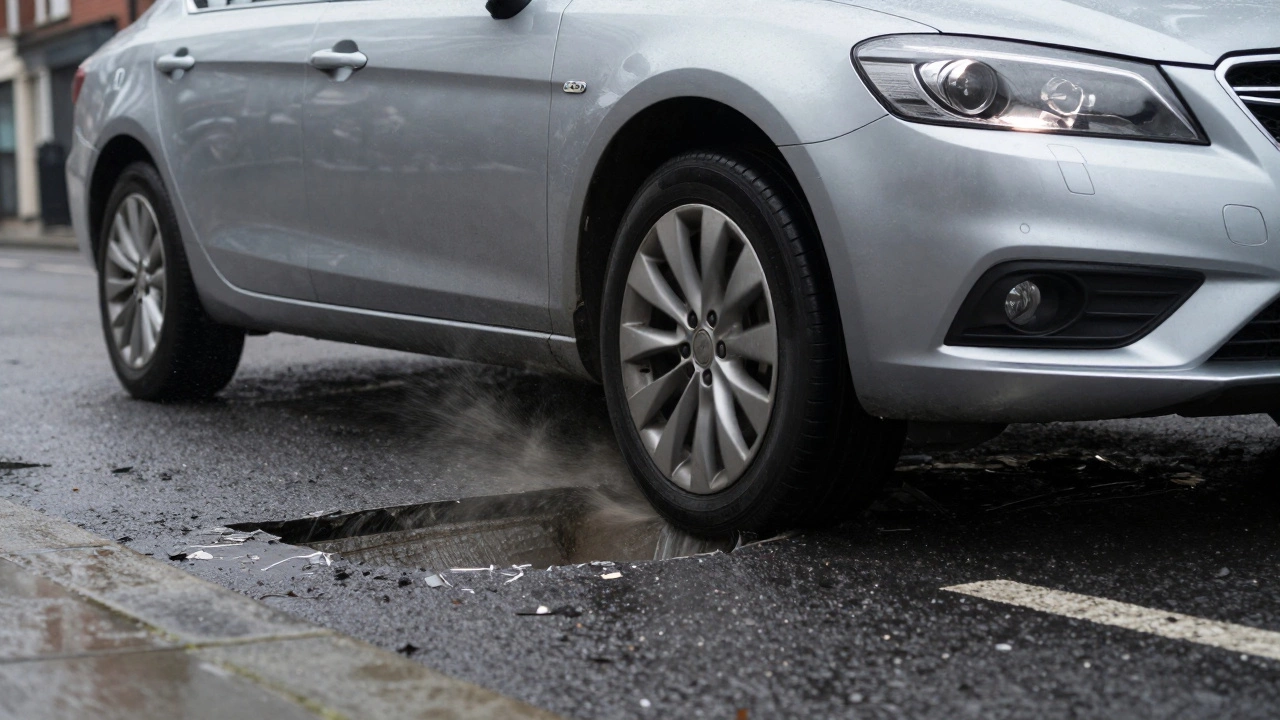
When your car bounces too much over bumps, or the front dips when you brake, it’s not just annoying—it’s a sign your shock absorbers, components that control spring movement and keep tires in contact with the road. Also known as dampers, they are a critical part of your car’s suspension system, the network of parts that absorb road impacts and maintain control. Without working shock absorbers, your tires lose grip, your brakes take longer to stop you, and your tires wear out unevenly. This isn’t a "nice to fix" issue—it’s a safety issue.
Shock absorbers don’t just handle bumps. They work with your struts, a combined shock absorber and structural support found on many modern cars to keep the car stable during turns, braking, and high-speed driving. If you’ve noticed your car leaning too much in corners, or hearing clunking noises when going over speed bumps, it’s likely the struts or shocks are worn. Many drivers confuse these parts, but both serve the same core purpose: control. And both wear out at similar rates—usually between 50,000 and 100,000 miles, depending on road conditions. UK drivers, especially those on rough rural roads or in wet, icy weather, often see wear by 60,000 miles. And here’s the thing: worn shocks don’t just make the ride rough—they make your brakes less effective. Studies show that worn shock absorbers can increase stopping distances by up to 20% in emergency stops.
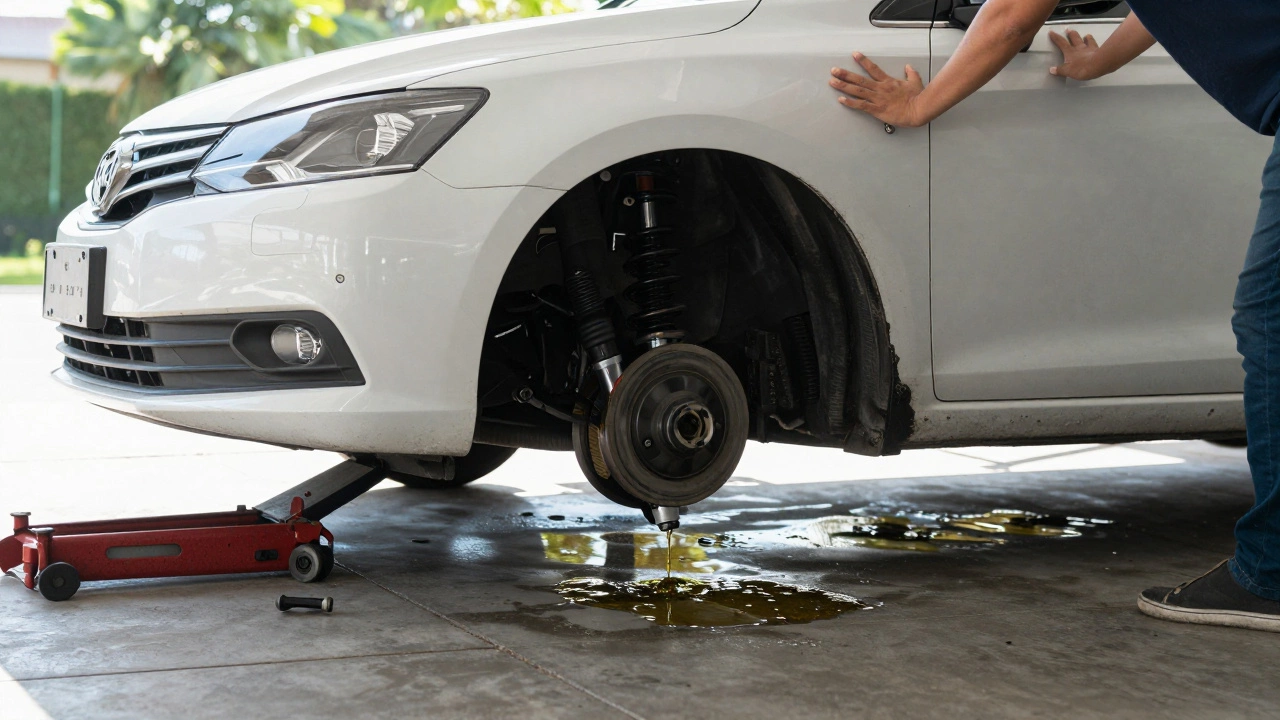
It’s not just about comfort. Faulty shock absorbers cause extra stress on your tires, wheel bearings, and even your steering system. That’s why you’ll often see them mentioned alongside suspension problems, a broad category covering worn bushings, broken control arms, and damaged links. If your car feels loose or wobbly at highway speeds, or if you see uneven tire wear (like bald spots on the inside or outside edges), it’s not just a tire issue—it’s a suspension issue. And shock absorbers are often the first part to fail. You don’t need to be a mechanic to spot the signs: bounce test the car, check for oil leaks on the shock body, and pay attention to how it handles after hitting a bump. If it keeps bouncing after one push, it’s time to replace them.
The posts below give you real, no-fluff advice on how to tell if your shocks or struts are done, what happens when they fail, and how they connect to other parts like your brakes, tires, and alignment. You’ll find clear guides on symptoms, inspection tips, and why waiting too long can cost you more than just a new set of shocks—it can cost you safety, tire life, and even brake performance. Whether you’re looking to fix it yourself or just want to know what to ask a mechanic, these posts give you the facts without the sales pitch.