Radiator Failure Signs: How to Spot Trouble Before Your Engine Overheats
When your car’s radiator, the main component that keeps your engine from overheating by circulating coolant. Also known as cooling system radiator, it plays a silent but critical role in keeping your engine running at the right temperature. If it starts to fail, you won’t always get a warning light—until it’s too late. Many drivers only realize something’s wrong when steam is coming from under the hood, or their car dies on the side of the road. But the truth is, radiator failure rarely happens overnight. It usually shows up through a few clear, early signs you can spot with basic attention.
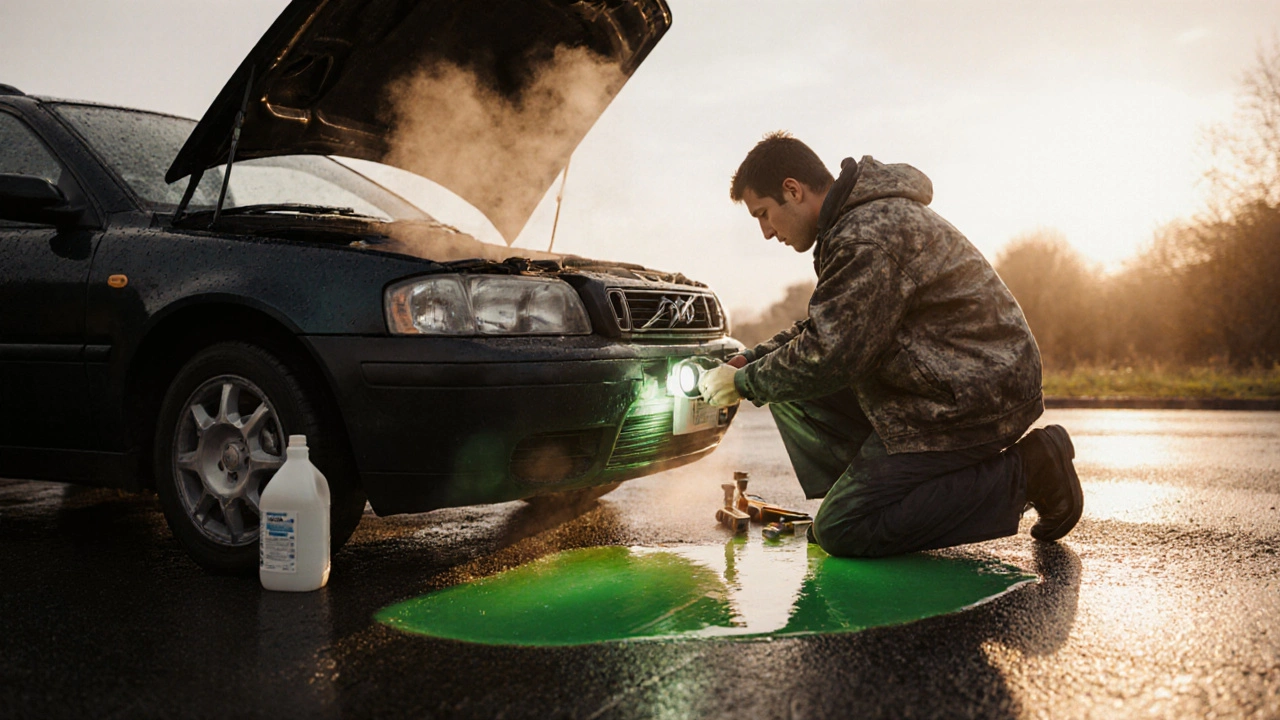
One of the most common signs is coolant leak, a visible puddle of green, orange, or pink fluid under your car after it’s been parked. This isn’t just messy—it means your cooling system is losing fluid, and without enough coolant, the radiator can’t do its job. Another red flag is an engine that runs hotter than normal. If your temperature gauge creeps into the red zone, especially in traffic or during short drives, your radiator might be clogged, damaged, or low on fluid. You might also hear gurgling noises from under the hood, which often means air is trapped in the cooling system because the radiator isn’t circulating coolant properly.
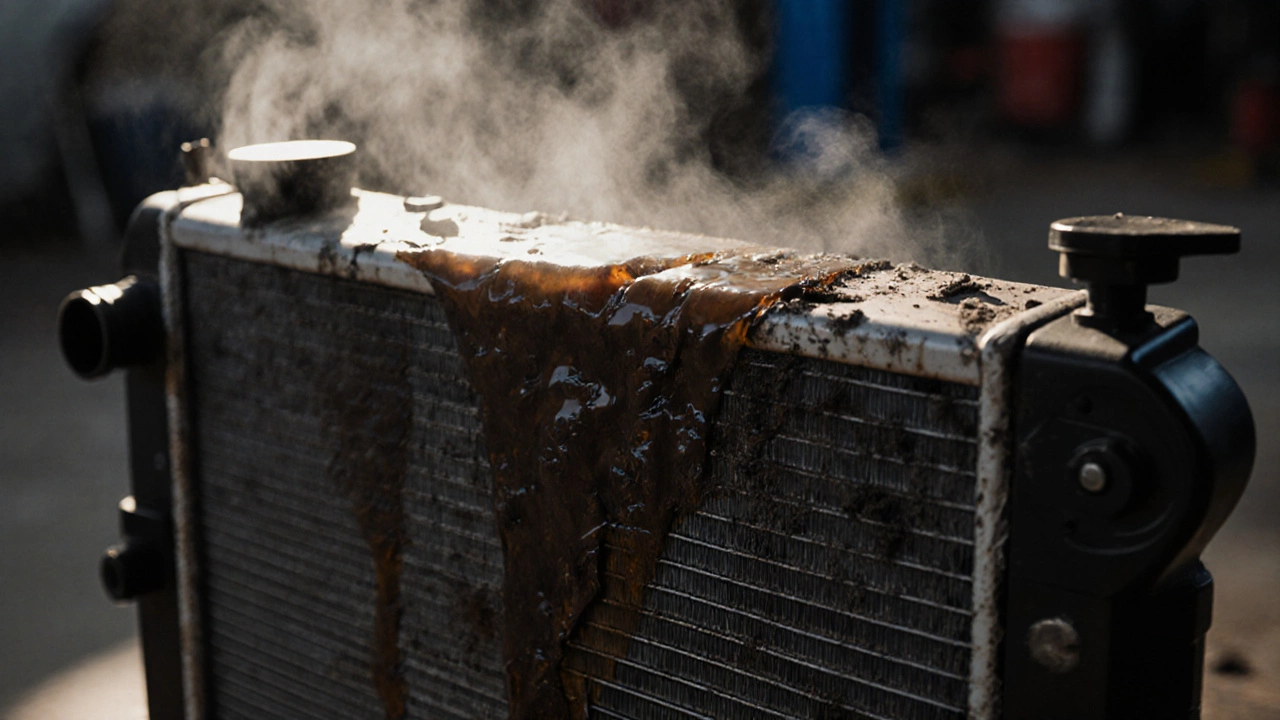
Don’t ignore white, sweet-smelling smoke from the exhaust. That’s not just a bad sign—it’s often coolant burning inside the engine because a cracked radiator or head gasket let coolant leak into the combustion chamber. And if your heater stops blowing hot air, that’s another clue. The radiator and heater core are connected; if one fails, the other often suffers too. Even small issues like rust buildup inside the radiator tubes or a loose hose clamp can lead to big problems if left unchecked.
Most of the posts in this collection focus on symptoms you can check yourself—like how to spot a failing fuel pump, worn brake pads, or bad struts. The same applies here. You don’t need a garage to notice if your car is overheating, if coolant is missing, or if your radiator looks corroded. These aren’t mysteries. They’re physical clues you can see, smell, and feel. The goal isn’t to become a mechanic—it’s to catch problems early so you don’t end up with a blown engine or a tow bill that costs more than your car is worth.
What you’ll find below are real, practical guides from drivers who’ve been there. They show you exactly what to look for, how to test for leaks, what to do if your radiator’s overheating, and how to tell if it’s worth repairing—or if it’s time to replace it. No fluff. No jargon. Just what works on UK roads, in winter rain, and on long motorway trips.