Radiator and AC Interaction: How They Work Together and What Goes Wrong
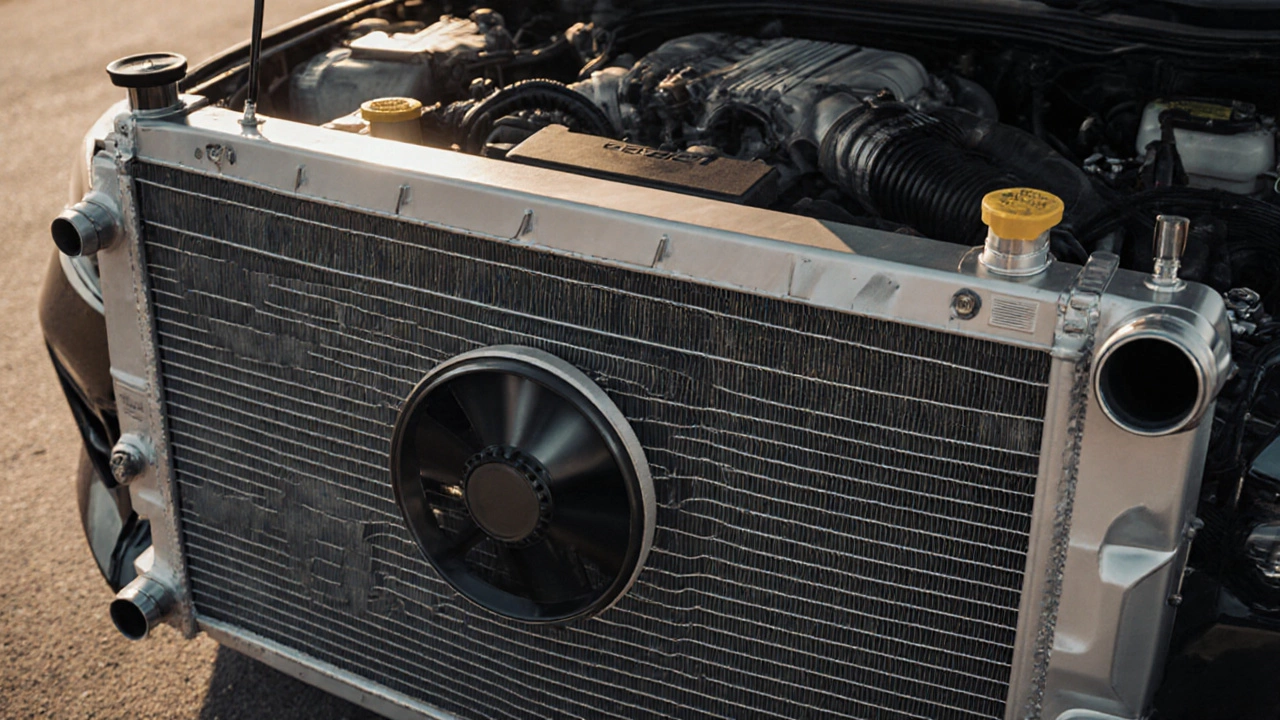
When your car’s radiator, the main component that cools engine coolant by transferring heat to the air starts acting up, it doesn’t just risk your engine—it can mess with your AC system, the climate control system that cools the cabin using refrigerant and a condenser too. These two systems share space, airflow, and sometimes even fans. If the radiator is clogged, the fan is broken, or the condenser is blocked, your AC won’t blow cold air—not because the compressor failed, but because heat can’t escape. It’s not a coincidence when your car overheats and the AC stops working at the same time.
The AC condenser, a heat exchanger mounted in front of the radiator that releases heat from refrigerant sits right in front of the radiator, often sharing the same cooling fan. That means if dirt, bugs, or debris clog the condenser, airflow to the radiator drops. The engine runs hotter. The AC struggles to dump heat. You get a warm cabin and a warning light. It’s a chain reaction. Many people replace their AC compressor thinking it’s broken, only to find out the real issue was a dirty condenser or a weak radiator fan. And if your radiator is leaking or corroded, it can’t cool the engine properly, which forces the AC to work harder just to keep the cabin comfortable—burning more power and straining the whole system.
It’s not just about parts—it’s about airflow. A broken fan clutch, a bent shroud, or even a thick layer of road grime between the radiator and condenser can kill cooling efficiency. In the UK, where stop-start traffic and short trips are common, these systems don’t get enough time to cool down properly. Over time, that builds up heat stress. You’ll notice your AC blows lukewarm air on long drives, or your temperature gauge creeps up in traffic. Those aren’t random glitches. They’re signals. The radiator and AC are teammates. When one falters, the other feels it.
What you’ll find in the posts below are real fixes from people who’ve been there. How to check if your condenser is clogged. Why a failing radiator fan kills both cooling and AC performance. What signs mean your radiator’s near the end. And how to tell if your AC problem is really a cooling system issue. No guesswork. No expensive replacements you don’t need. Just clear, practical steps to spot the real problem before it costs you a new engine.