Ignition System: What It Is, How It Fails, and What to Do About It
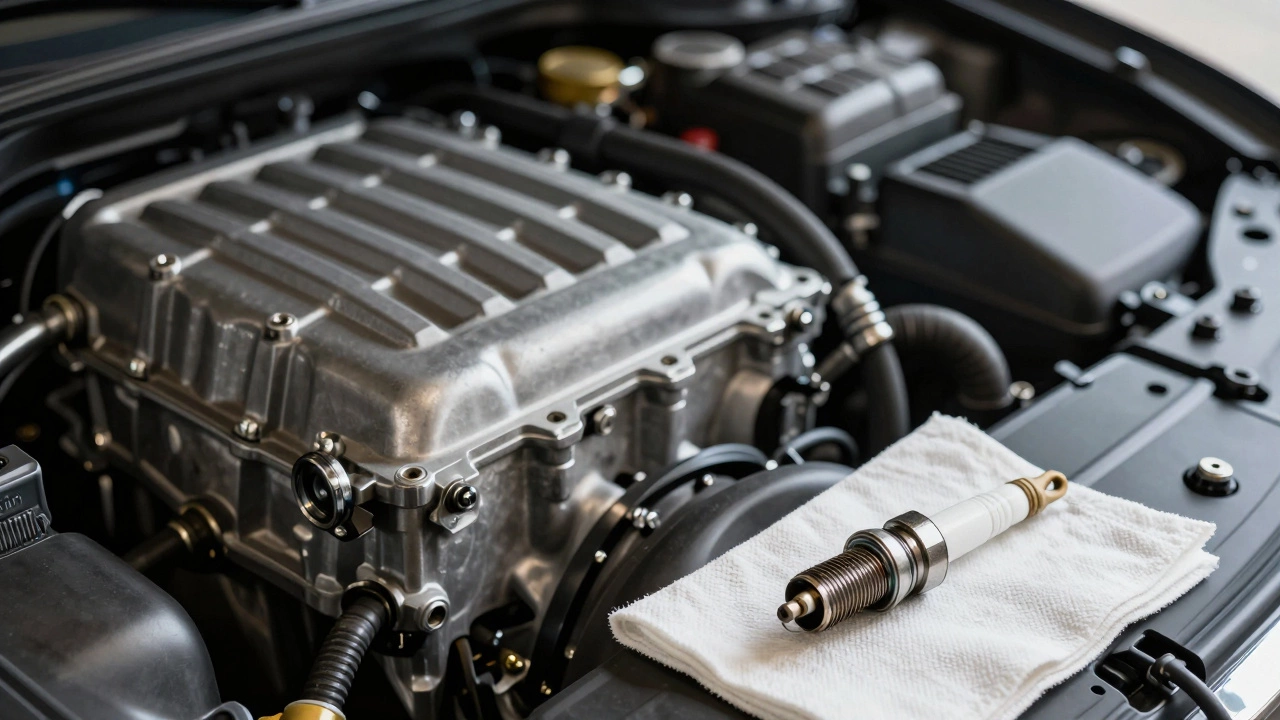
When your car won’t start, the problem isn’t always the battery. More often, it’s the ignition system, the set of components that creates the spark to ignite fuel in your engine. Also known as the spark generation system, it’s the silent hero that turns your key into motion. Without it, your engine is just a collection of metal parts. The ignition system includes the spark plugs, small electrodes that fire high-voltage electricity to ignite the air-fuel mixture, the ignition coil, the transformer that boosts battery voltage to thousands of volts, and the wiring and sensors that time everything perfectly. These parts work together in milliseconds—and if one fails, your car knows it.
Most people notice ignition problems through rough idling, sudden stalling, or that frustrating click when you turn the key. A bad spark plug doesn’t just make your car run poorly—it can damage your catalytic converter, hurt fuel economy, and even cause your engine to overheat. Ignition coils wear out over time, especially in older cars, and their failure often feels like a random misfire that comes and goes. You might think it’s the fuel system, but 70% of no-start issues in cars over 8 years old trace back to the ignition system, not the battery or starter. And if your car’s been sitting for weeks, moisture in the distributor cap or worn plug wires can cause the same symptoms as a dead battery.
What you’ll find in the posts below aren’t theory lessons. They’re real fixes from drivers who’ve been there. You’ll see how to tell if your spark plugs are failing before they strand you, what a bad ignition coil really sounds like, and why replacing worn parts isn’t always expensive. Some posts show you how to test your own system with basic tools. Others explain why a $20 spark plug change saved someone a $500 repair. This isn’t about guessing. It’s about knowing what’s broken, why it broke, and how to fix it fast—without paying a mechanic for a diagnosis you can do yourself.